

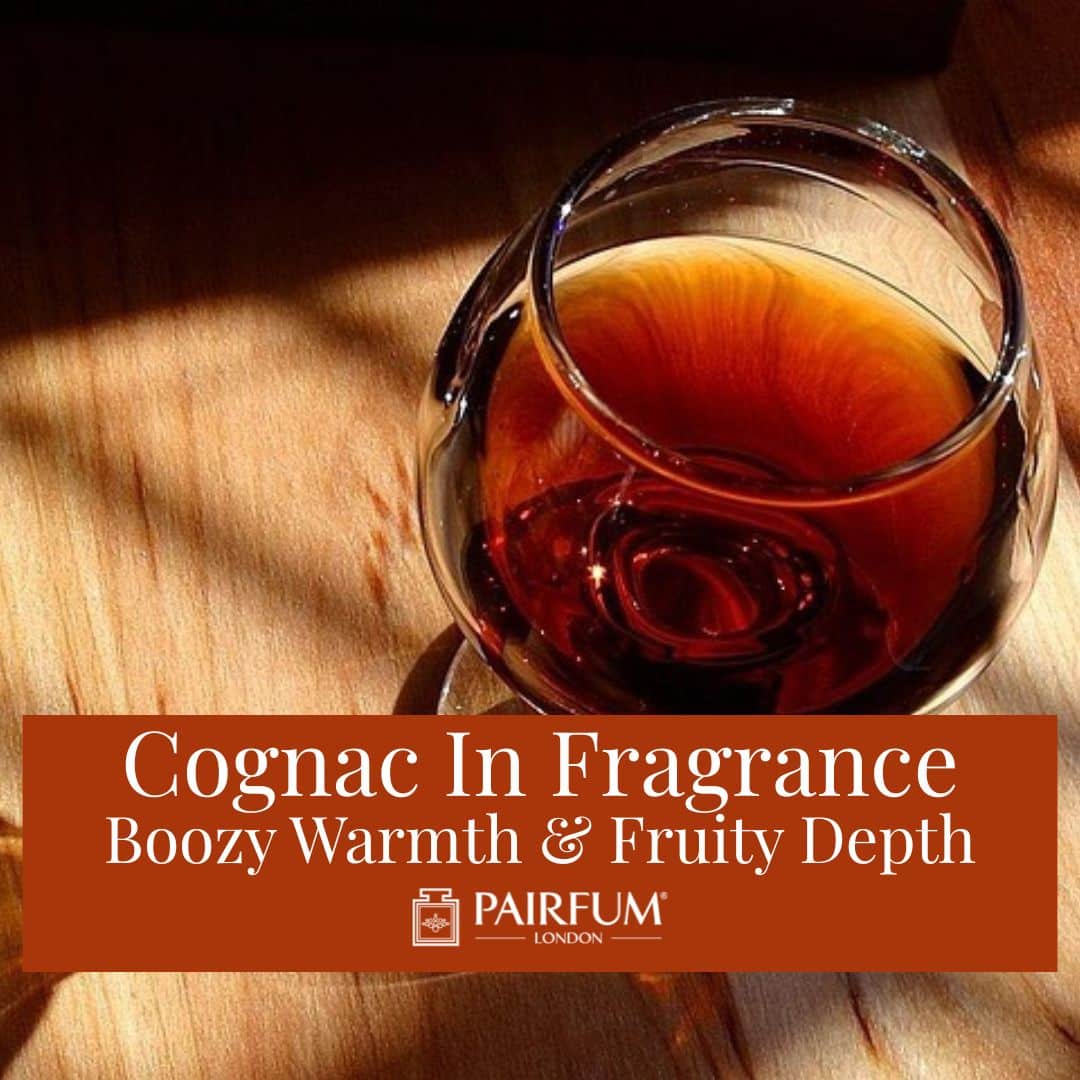
Cognac is a distinguished brandy produced exclusively in the Cognac region of France, adhering to strict regulations that ensure its quality and authenticity. This spirit undergoes double distillation from specific white grapes, predominantly Ugni Blanc, and is aged in French oak barrels for at least two years. The result is a complex flavor profile that ranges from floral and fruity notes to rich, spiced undertones.
The allure of Cognac extends beyond its taste; it also plays a significant role in perfumery. With its warm fruitiness and smooth character, Cognac enhances cold-weather fragrances by adding comfort and elegance. Its presence in winter perfumes creates an atmosphere of luxury and relaxation, making it a favored ingredient among perfumers.
CosmeticsUrgeryNews specializes in cosmetics, beauty products, body care solutions, hair care essentials, and perfumes that deliver measurable outcomes through high-quality ingredients like Cognac.
This guide explores the following key attributes of Cognac’s role in fragrance: aromatic origins; terroir influences; craftsmanship techniques; fragrance profiles; extraction methods; blending possibilities.
Aromatic Origins: How Did Cognac Find Its Way into Perfume?
Cognac originates from vineyards located within the renowned Cognac region of France. It is crafted primarily from Ugni Blanc grapes fermented into wine before undergoing distillation into a clear spirit aged in oak barrels. The aging process enhances its nutty and woody characteristics. In perfumery, what we refer to as Cognac typically involves an extract derived from the distillation residue or synthetic recreations that capture its signature warmth.
The Terroir: What Are the Key Crus and Grapes Used?
The production area for cognac is divided into six crus with unique soil compositions influencing flavor profiles. Grande Champagne stands out as the most prestigious zone due to its chalky soil yielding elegant spirits requiring longer aging periods. The Ugni Blanc grape dominates this industry with approximately 98% representation among local vines while other varieties like Meslier St François are rarer yet permitted under AOC regulations.
What Is Involved in Crafting Quality Cognac?
Cognac houses adhere to traditional methods ensuring consistent flavor profiles through double distillation using Charentais-style copper pot stills which concentrate fruity notes from base wines. After distillation comes maturation where interaction with oak casks imparts tannins while developing color over time—oak sourced exclusively from Limousin or Tronçais forests enhances this process further.
- VS (Very Special): Aged for at least two years.
- VSOP (Very Superior Old Pale): Aged for at least four years.
- XO (Extra Old): Aged for ten years minimum.
- XXO: For spirits aged fourteen years or more.
- Hors d’âge: Denotes exceptional quality beyond standard age classifications.
The Fragrance Profile: What Does Cognac Smell Like?
The aroma profile of cognac within perfumes presents warm rounded notes featuring hints of aged wood blended with baked fruits such as plum or apple along with soft vanilla traces creating sophistication without overt alcohol scents present—this layered complexity adds depth particularly suited for colder seasons when cozy fragrances are preferred.
- Baked fruits evoke dried grapes or plums enhancing sweetness;
- Aged wood contributes richness thanks to barrel maturation;
- Slightly sweet undertones provide comforting warmth reminiscent of amber;
- A hint of spice rounds out this inviting scent profile perfectly balanced against sharper elements found elsewhere within formulations;
How Are Extraction Methods Applied In Perfume Making?
Cognacs’ essence enters perfume formulations via careful extraction processes utilizing natural oils derived directly from production leftovers refined into concentrated forms suitable for use due their potency levels necessitating minimal application amounts during blending stages—some modern blends incorporate synthetic aroma molecules designed specifically emulate these characteristics allowing greater control over strength interactions across diverse ingredients used alongside them throughout various applications ranging between niche offerings upmarket selections alike!
Cognacs’ Blending Potential: Which Notes Pair Best With It?
Cognacs’ welcoming nature harmonizes beautifully alongside other warm aromas creating inviting atmospheres ideal during colder months! Commonly paired notes include:
- Tobacco & leather enhance boldness depth-wise;
- Sweeter elements like amber/vanilla tonka bean add softness;
- Dried fruits echo existing flavors amplifying complexity further!
Pursuing Fragrance Inspirations From Iconic Brands: What Defines Them?
The legacy established by brands such as Hennessy VS & Rémy Martin shapes expectations surrounding cognacs’ aromatic qualities translating seamlessly across different mediums including perfumery! Replicating Hors d’âge qualities represents pinnacle aspirations amongst artisans aiming craft scents embodying both ancient traditions fresh takes on timeless themes alike!
</div

Lilyanna Carter is a dedicated author and expert in the field of cosmetic surgery, focusing on the latest trends and breakthroughs in the industry. With a keen eye for detail and a passion for informing her readers, she delivers insightful articles that explore various aspects of cosmetic procedures and their impact on beauty standards. Through her writing, Lilyanna aims to empower individuals by providing reliable information and fostering a deeper understanding of cosmetic surgery in today's society.