

There’s a growing awareness that the makeup we choose to wear, along with the skincare products we use to cleanse it away, might inadvertently hinder our skincare progress. This realization about the detrimental ingredients and their implications for both health and the environment in conventional beauty products has ignited a widespread consciousness among consumers.
When a new clean beauty brand or product is introduced to the market, we are eager to uncover every detail. We want to know how beneficial it is for our health, the environment, and animal welfare. Essentially, our primary focus is on making beauty choices that are cruelty-free, ethical, sustainable, and conducive to our overall health.
To distinguish between quality products and those that fall short, we frequently rely on various certifications. These certifications serve as essential indicators in the clean beauty industry, appearing as claims, badges, and seals that help us identify trustworthy options.
Navigating the sea of beauty certifications can sometimes feel overwhelming, akin to swimming through an expansive ocean. That’s why we’ve taken the time to compile a list of the most significant certifications available, illustrating why certified beauty products are increasingly favored by conscious consumers.
Decoding the Importance of Beauty Product Certifications
In our quest for luminous and healthy skin, the decisions we make regarding beauty products are crucial. With a notable rise in demand for natural products that emphasize sustainable practices, a growing number of consumers are gravitating towards certified beauty products. Before we explore the various certifications and their meanings, let’s first define what clean beauty entails.
Clean beauty encompasses products that emphasize the use of safe, non-toxic, and environmentally friendly ingredients. This category includes skincare, haircare, and makeup items that consciously avoid harmful chemicals, synthetic fragrances, and other potentially hazardous compounds.
Consumers are increasingly demanding transparency in product formulations, advocating for labels that are easy to comprehend and devoid of harmful elements. Below is a compilation of labels and certifications that simplify the process of identifying authentic and certified beauty products:
Organic Certification: Products with an organic certification guarantee that their ingredients were cultivated without synthetic pesticides or genetically modified organisms, ensuring a cleaner, healthier choice.
Cruelty-Free Certification: This certification indicates that neither the product nor its components underwent animal testing, affirming the brand’s commitment to animal welfare.
Vegan Certification: This label confirms that the product contains no animal-derived ingredients, aligning with ethical consumer choices.
Non-GMO Certification: Ensures that the product is free from genetically modified organisms, providing peace of mind for health-conscious consumers.
EWG Verified: The Environmental Working Group’s verification signifies that products meet stringent safety and transparency criteria, enhancing consumer trust.
Leaping Bunny
Leaping Bunny is widely recognized as a premier symbol for cruelty-free beauty. This organization conducts independent assessments of makeup, skincare, personal care, and household product brands on a global scale.
This certification mandates that absolutely NO animal testing occurs at any stage of product development. This includes individual ingredients, the overall formula, and the final product itself. Furthermore, if a brand permits third-party companies to conduct animal testing, it becomes ineligible for the Leaping Bunny certification.
PRO TIP: Always cross-reference any cruelty-free labels you come across using the Leaping Bunny database! Not every brand pays for the rights to use the Leaping Bunny logo, making this resource invaluable for tracking down credible brands.
Beauty Without Bunnies
Beauty Without Bunnies is PETA’s cruelty-free certification initiative. Similar to Leaping Bunny, the BWB database catalogs global cosmetics, personal care, and household product brands.
The process requires companies to sign a pledge confirming that they do not engage in animal testing on raw ingredients, formulations, or final products, and they commit to maintaining this policy moving forward. This means that their suppliers must also refrain from animal testing on provided ingredients. Although obtaining the BWB label is less rigorous than others, it remains a credible certification to watch for.
(Psst… 100% PURE is proudly certified by both Leaping Bunny and Beauty Without Bunnies!)
Choose Cruelty-Free
Choose Cruelty-Free serves as the Australian equivalent to Beauty Without Bunnies. The key difference lies in their thorough investigation of every aspect of the supply chain to ensure that every entity involved – from suppliers to parent companies – abstains from animal testing.
This certification specifically targets cosmetics, toiletries, and household cleaning products sold within Australia. As selling these products in China often necessitates animal testing, CCF does not certify any brands that operate in the Chinese market.
Note: 100% PURE™ has managed to sell cruelty-free products in China by operating solely online and utilizing third-party warehouses in the U.S. for fulfillment. Discover how we navigate this regulation to provide cruelty-free options to consumers in China.
USDA Certified Organic
Any personal care product featuring agricultural ingredients can potentially qualify for this certification. This includes products with essential oils, provided they meet the necessary criteria.
A clean beauty product labeled as Organic by the USDA must contain at least 95% organic ingredients. These ingredients are deemed organic when cultivated and processed without synthetic pesticides, preservatives, GMOs, ionizing radiation, or other prohibited methods.
NSF Certified Organic
The NSF standard applies to personal care items, such as soaps, that utilize non-agricultural ingredients and often follow different manufacturing processes. To achieve this certification, at least 70% of the product must be organic. You will typically see this represented by labels stating “Contains Organic Ingredients” with percentages of 70% and higher.
Biodynamic® / Demeter®
Demeter is the certifying body for Biodynamic® products, a designation used to identify eco-conscious farms and ranches. This certification is stricter than USDA Organic.
While this certification meets USDA Organic requirements, it also emphasizes additional sustainability factors. A farm or ranch must promote soil fertility, biological diversity, crop protection, and humane animal welfare, prohibiting the use of artificial chemical fertilizers or pesticides. Products from these farms or ranches must first comply with Demeter’s Processing Standards to be classified as Biodynamic.
Rainforest Alliance
The Rainforest Alliance highlights the importance of protecting delicate ecosystems threatened by issues like deforestation while safeguarding the rights of farmers and suppliers within these environments.
Products that carry this seal have been sourced and manufactured using sustainable practices that foster a healthy balance between human life and wildlife. Ingredients and products meeting this standard must undergo a rigorous auditing process to demonstrate their commitment to safeguarding the landscapes where farmers live and work, as well as protecting local ecosystems and wildlife.
COSMOS / Ecocert
COSMOS stands for the COSMetic Organic and Natural Standard, established by the sustainable certification organization Ecocert. As the name suggests, COSMOS certifies natural and organic cosmetics on a global scale.
There are two distinct labels: COSMOS APPROVED and COSMOS CERTIFIED. Organic ingredients are labeled as COSMOS CERTIFIED, while raw materials are COSMOS APPROVED. To comply with these standards, products must utilize eco-conscious production methods, health-conscious manufacturing, and avoid petroleum-derived chemicals, GMOs, and non-recyclable packaging.
Fair for Life
Fair for Life is another certification provided by Ecocert, focusing on the treatment and remuneration of human workers. This label can apply to raw agricultural products, cosmetics, and handmade goods, among other categories.
Regrettably, many beauty brands often exploit workers in poorer or developing nations, using ingredients or products that do not fairly compensate laborers. This certification ensures that workers receive fair payment for their products, work in safe and decent conditions, and adhere to environmentally friendly farming practices.

The Advantages of Opting for Certified Beauty Products
In our quest for glowing and healthy skin, the choices we make in beauty products are paramount. With a heightened focus on natural and sustainable options, a growing number of individuals are embracing certified beauty products as their go-to choice. These products not only positively impact your skin but also benefit the environment by prioritizing individual well-being, healthier skin outcomes, and ecological consciousness.
Here are several key benefits of choosing certified beauty products:
Health and Safety
Being aware of harmful ingredients prevalent in beauty products is crucial. Certified beauty products contain fewer toxic chemicals and instead harness the power of nature, utilizing the benefits of botanical extracts, essential oils, and natural emollients to nourish and safeguard the skin. This benefits not only the consumer’s health and skin but also the environment.
Certified beauty products undergo rigorous testing to ensure they deliver on their promises. They avoid potentially harmful ingredients such as parabens, phthalates, sulfates, and synthetic fragrances. Checking product labels for these substances promotes a safer choice for your health and the planet.
Additionally, evaluating the performance and quality of certified beauty products is essential. Look for product certifications and reviews to guarantee you’re purchasing genuinely effective items.
Environmental Impact
Opting for products that emphasize sustainable practices and ingredients offers considerable environmental benefits. Organic farming techniques contribute to soil health, biodiversity, and water conservation.
By steering clear of synthetic pesticides and fertilizers, organic farming reduces the risk of soil erosion and contamination of water sources. It also supports ecosystem preservation, wildlife habitats, and aquatic life.
Certified beauty brands frequently prioritize sustainable packaging options. They utilize recyclable materials and minimize the use of single-use plastics, contributing to a cleaner and more sustainable planet. At 100% PURE, we practice pre-cycling, which eliminates waste creation by opting for unpackaged, reusable, or recycled items. This proactive approach reduces your impact on the waste management system.
Ethical Considerations
Clean beauty brands that possess certifications serve as benchmarks against conventional beauty companies. They actively educate consumers about inhumane or unsafe beauty practices that were once hidden from public view.
Their standards address prevailing issues related to sustainability and ethics within the beauty industry. They elucidate how clean beauty operates differently and why it is the superior choice.
The certification logos prominently displayed on products symbolize authenticity, transparency, and trust. Whether it’s cruelty-free or fair trade, these certifications assure consumers that the beauty product has passed through rigorous inspections and met strict organic standards.
With an increasing demand for transparency and ethical practices, clean beauty brands frequently adopt sustainable business models and ethical sourcing methods. They actively engage in fair trade practices, support organic farming communities, and advocate for positive impacts on labor rights and animal welfare.
Strategies for Identifying and Selecting Certified Products
Navigating through the myriad of beauty certifications can be quite disorienting. There are numerous certifications for various aspects of clean beauty, including environmental sustainability, organic certifications, fair labor treatment, and humane animal practices.
Just like learning a new language, effectively interpreting labels requires understanding specific elements to accurately decode the information. Here are vital components to consider when scrutinizing skincare product labels and recognizing legitimate certification logos on beauty product packaging.
The Ingredient Order Matters
In skincare products, the sequence of ingredients listed on the label is critical. The list begins with the ingredient present in the highest concentration, descending to the least. If you’re eyeing a moisturizer that highlights hyaluronic acid as a key ingredient but finds it listed at the bottom, it indicates that the product contains significantly less of it than other ingredients. Understanding this helps ensure you receive true value for your purchase.
Pay Attention to Expiry Dates and Batch Numbers
Grasping the significance of expiry dates and batch numbers is essential for guaranteeing the product’s effectiveness and safety. The expiry date reveals how long the product remains effective post-opening. Using a product beyond its expiration can lead to skin irritations or infections due to potential bacterial growth.
Batch numbers, although often overlooked, are equally vital. These codes pinpoint when and where a product was manufactured. In case of a recall or issue with a specific batch, the batch number is instrumental in identifying affected products. Thus, keeping track of this number, especially for your go-to skincare items, is a wise practice.
Deciphering Specific Labels
Certain labels on skincare products can be perplexing and misleading. Terms such as “organic,” “natural,” and “dermatologist-tested” are frequently used, but what do they actually signify?
An “organic” label indicates that the ingredients are organically farmed, meaning they are free from synthetic fertilizers, pesticides, and GMOs. However, not all “organic” claims hold the same weight. Look for certification symbols such as USDA Organic to validate these claims.
The term “natural” can be misleading since it lacks strict regulation. It typically suggests that the product is free from synthetic substances, but it may still contain ingredients you want to avoid. Always examine the ingredients list, even if a product is marketed as “natural.”
Lastly, “dermatologist-tested” suggests that a dermatologist has evaluated the product for safety and efficacy. While this may seem reassuring, it does not guarantee suitability for all skin types, as individual reactions can vary. Therefore, patch-testing any new product before full application is vital.
In addition to these key aspects to consider when evaluating skincare products, be aware of counterfeit logos that mimic official certifications. Keeping track of genuine logos can be challenging. Some brands may forgo logos entirely or may simply not have the means to obtain certifications.
In such cases, conducting thorough research to verify the credibility of brands and their certifications through online resources and databases is advisable. With the vast information available, you can uncover valuable insights to assist you. Remember, you don’t need to overhaul your entire beauty collection at once. When a product runs out, take the opportunity to research and choose a more ethical, sustainable alternative.
While discussing sustainable options, we want to highlight 100% PURE as an ideal choice for natural skincare and cosmetics. We take immense pride in our testing practices to ensure we deliver the healthiest and most toxic-free formulas for our customers. Our unwavering commitment to animal welfare guarantees that we never conduct animal testing – and our products will always hold a cruelty-free certification. In our ingredient sourcing process, we meticulously avoid animal-derived ingredients and favor vegan, cruelty-free alternatives.
By familiarizing yourself with these significant elements on skincare product labels, you can make informed choices about what you apply to your skin. After all, knowledge is power, particularly when it comes to navigating the world of beauty.
Incorporating Certified Products into Your Daily Beauty Routine
Transitioning to certified beauty products within your daily beauty regimen involves a thoughtful shift towards healthier alternatives for your skin and the environment. Here’s how you can achieve this:
#1. Make Strategic Swaps for a Smooth Transition
Rather than overwhelming yourself by discarding all conventional products in one go, consider making strategic replacements. Start with essential items like cleansers, moisturizers, and foundations, transitioning to clean alternatives gradually. This approach allows your skin to adapt, minimizing the likelihood of irritation or breakouts.
#2. Seek Out Reputable Clean Beauty Brands
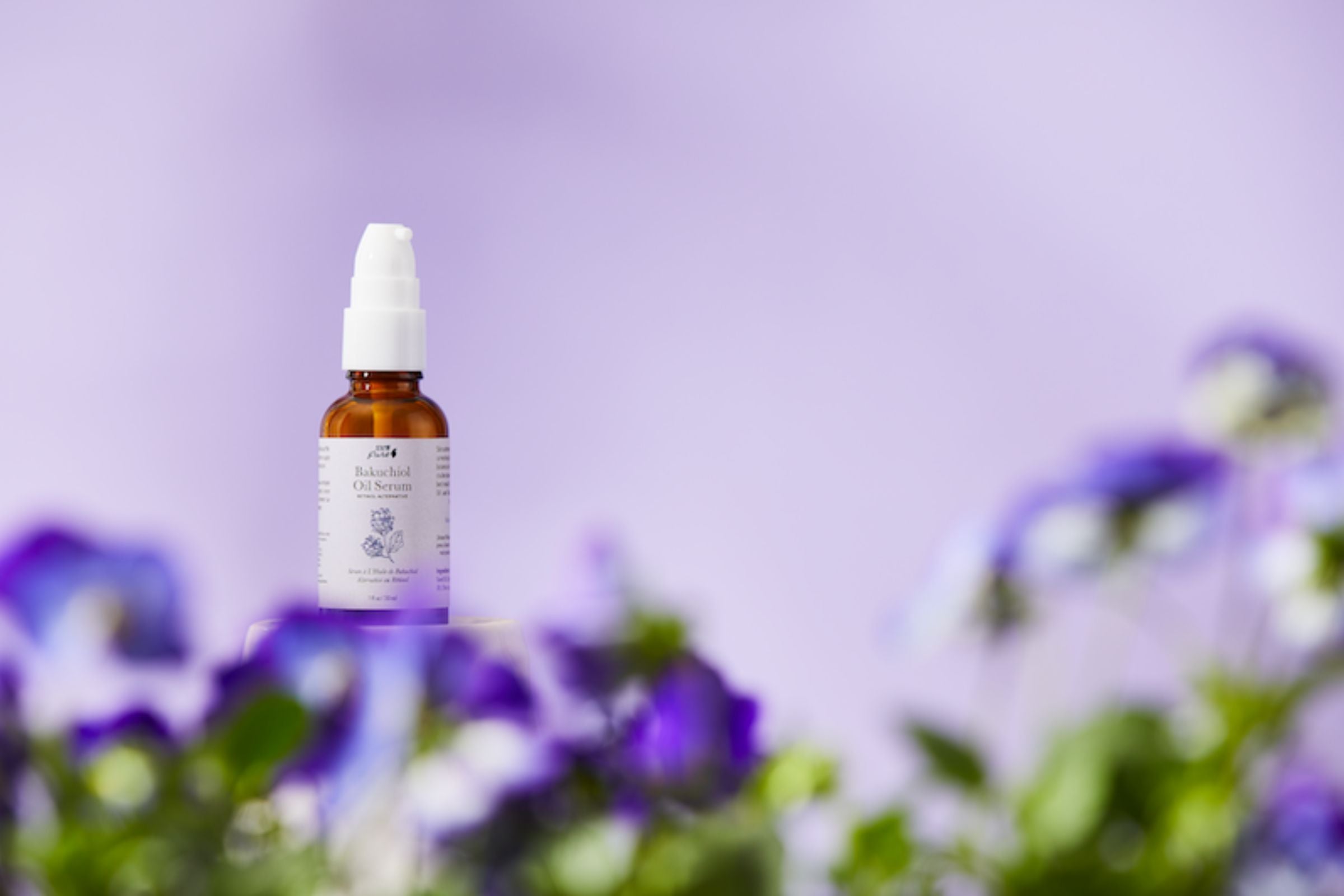
Streamline your clean beauty journey by selecting brands dedicated to natural alternatives. Look for companies whose values resonate with yours, ensuring a commitment to safe, high-quality ingredients. Our Bakuchiol Oil Serum, a chemical-free alternative to retinol, exemplifies the effectiveness of plant-based solutions, proving that clean beauty can match or surpass conventional products in performance.
#3. Explore DIY Clean Beauty Options
Get creative in your kitchen with DIY clean beauty solutions. Experiment with homemade alternatives, from green tea masks to do-it-yourself lip tints. These fun and simple tutorials not only personalize your beauty regimen but also facilitate your transition to clean beauty. Take control of your skincare with straightforward, at-home remedies.
#4. Establish Your Personal Clean Beauty Standards
Elevate your expectations for certified beauty products to match the standards upheld by 100% PURE. With a commitment to high-quality ingredients for over a decade, we advocate for educating consumers on the importance of natural components. Strive for the highest standards in your beauty routine, opting for products that enhance skin, body, and environmental health.
#5. Curate a Certified Beauty Routine
Design a clean beauty regimen that aligns with your specific certification preferences and skincare goals. If your objective is to find a cruelty-free and natural brand that emphasizes sustainable practices, we offer the ultimate beauty regimen that also provides anti-aging benefits! Our pure ingredients undergo meticulous testing to ensure we create the healthiest and most toxic-free formulas for our customers.
Cleanser swap: Begin with a gentle cleanser like the 100% PURE Bakuchiol Cleanser to effectively remove dirt, oil, and impurities from your skin while promoting cellular turnover for a smoother complexion. Gently massage it onto damp skin, then rinse thoroughly with lukewarm water and pat dry.
Add a serum: Use a few drops of our Bakuchiol Oil Serum on your fingertips and gently massage it into your face and neck. Formulated with the clinically recommended maximum concentration of bakuchiol, this serum is essential for anyone seeking long-lasting hydration. It penetrates deeply into the skin for a luxuriously soft and supple feel.
Replace your moisturizer: Follow up with the 100% PURE Bakuchiol Moisturizer to provide additional hydration while sealing in the benefits of the serum. This antioxidant-rich moisturizer delivers intensive hydration, boosts collagen production, and diminishes the appearance of fine lines and wrinkles. Apply a small amount to your face and neck, gently massaging it in using upward strokes.
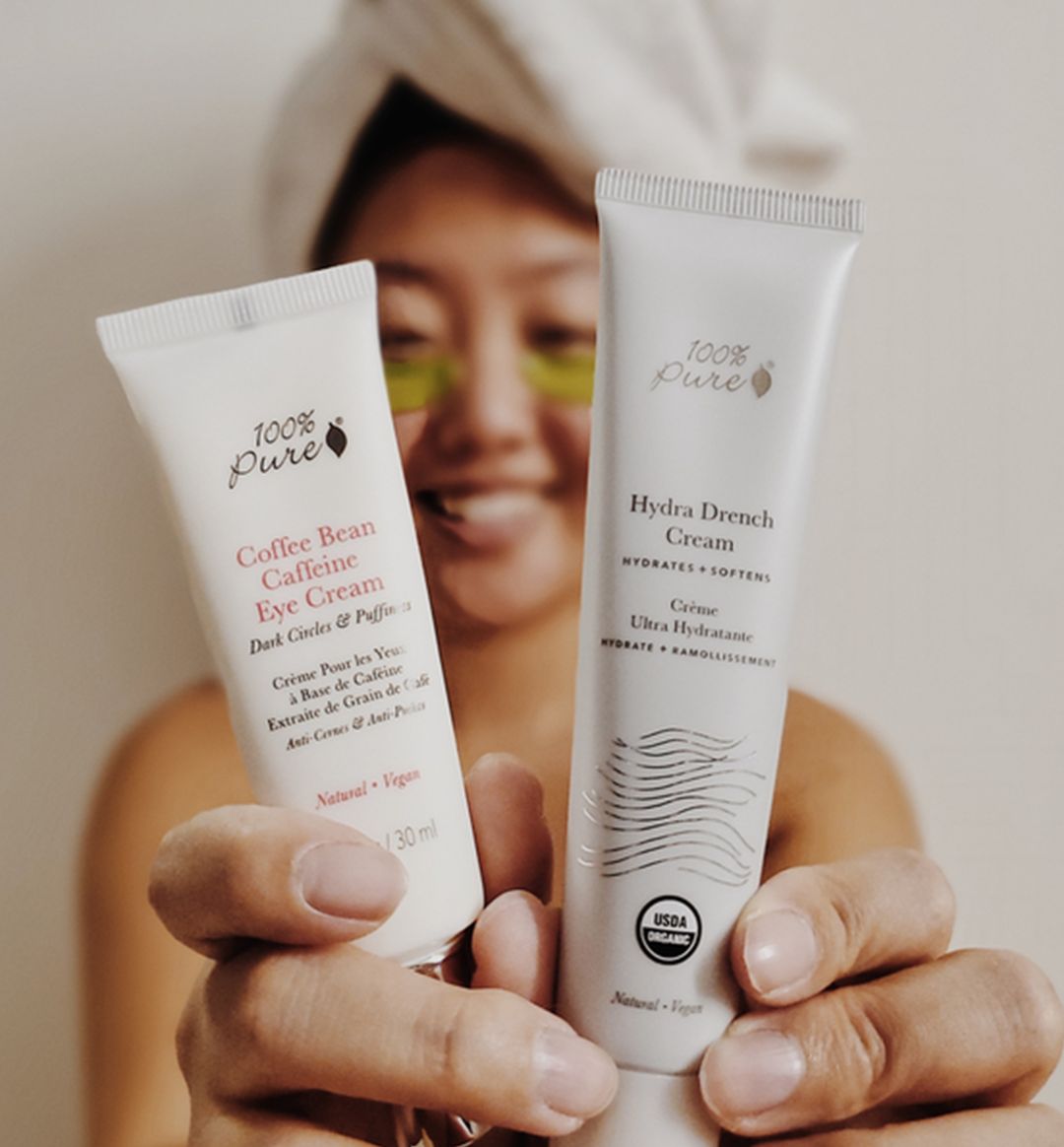
Don’t overlook eye cream: Our popular Coffee Bean Caffeine Eye Cream is infused with anti-inflammatory, caffeine-rich green tea and coffee, designed to de-puff the eye area while enhancing circulation to brighten dark circles. This cream is packed with potent anti-aging vitamins and antioxidants, along with nourishing rosehip oil for softer, more youthful skin around the eyes.
Sunscreen is a must: Protecting your skin from harmful UV rays is essential. Complete your routine by applying a broad-spectrum sunscreen with a minimum SPF of 30. Our Yerba Mate Mist SPF 30 contains antioxidants that help shield against free radicals and environmental pollutants, while preventing sun damage and preserving the benefits of bakuchiol.
Although we have gathered all the vital certifications in one place, we understand that navigating these labels can be a bit of a challenge! However, it is essential to verify whether your products are eco-friendly, people-conscious, and certified. Certified beauty products play a pivotal role in promoting healthier skincare practices, ethical consumerism, and environmental sustainability.
Choosing certified beauty products is not

Sienna Blake is a licensed aesthetic consultant and beauty writer specializing in cosmetic surgery advancements and non-invasive treatments. With a background in dermatology and over eight years of industry experience, Sienna is passionate about helping people achieve confidence through informed beauty decisions. She holds a Bachelor's degree in Health Sciences and regularly collaborates with top plastic surgeons to stay at the forefront of aesthetic innovations. Outside of her work, Sienna enjoys traveling, skincare research, and practicing Pilates.
