


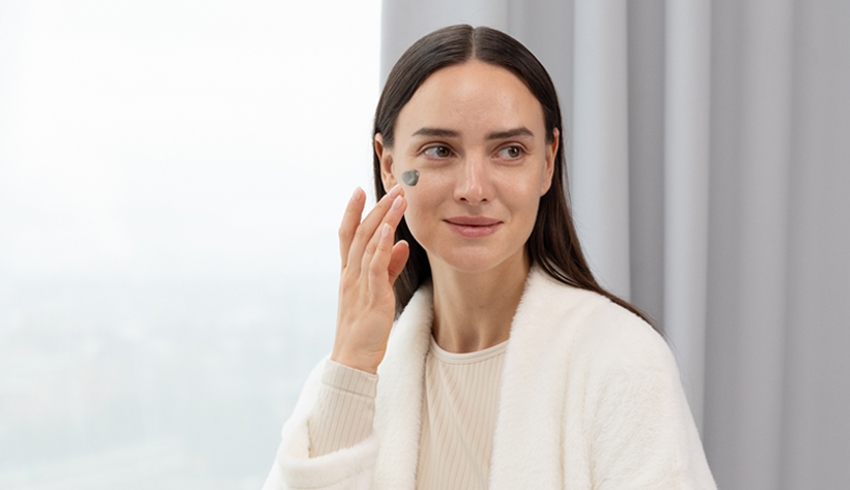
As the demand for natural skin care ingredients continues to rise, charcoal has emerged as a powerhouse in the realm of skin purification and detoxification. You might be curious to know if charcoal truly fulfills its promises. Surprisingly, this remarkable ingredient is highly effective in diminishing excess oil and impurities from your skin, which in turn helps to alleviate buildup and combat pore congestion — particularly notorious blackheads. Additionally, it provides your skin with a matte finish, effectively eliminating the unnecessary shine associated with oily skin, resulting in a clearer and more refined appearance. Let’s delve deeper into the role of charcoal in skin care, uncovering its many benefits and overall effectiveness.
Explore the Different Types of Charcoal Used in Skin Care
Charcoal is derived from various natural sources, including coconut shells, bamboo, and oak, and is widely celebrated for its ability to detoxify and balance the skin in a natural way. In the skin care arena, we primarily focus on two significant types: Activated charcoal and binchotan charcoal. Let’s take a more detailed look at these types and explore the most common benefits and claims associated with charcoal’s effectiveness in skin care.
Understanding Activated Charcoal and Its Skin Benefits
Activated charcoal is produced from natural materials like coconut shells or oak wood, and it is particularly effective in minimizing comedones due to its exceptional ability to absorb excess oil and prevent pore clogging. Its unique porous structure allows it to serve as a powerful deep-cleaning agent for the skin. By attracting and trapping impurities, activated charcoal helps to create a clearer complexion and is a favored ingredient in numerous skin care products aimed at treating oily or combination skin. Knowing its benefits can help you choose the right products for your specific skin needs.
Discovering the Unique Qualities of Binchotan Charcoal
Binchotan charcoal, while less recognized in Western skin care, is a traditional Japanese form of charcoal made from the high-quality Ubame oak wood. This unique type of charcoal excels in detoxifying and balancing the skin’s appearance. Unlike activated charcoal, binchotan is known for its ability to adsorb impurities instead of merely absorbing them. This means that impurities present on the skin are effectively attracted to and adhere to the charcoal’s surface. This adsorption method makes binchotan charcoal a popular option for those looking to refine and balance oily or blemished skin. With these insights, you can better understand the types of charcoal to seek in your skin care products.
Unlocking the Key Benefits of Charcoal in Your Skin Care Routine
Charcoal is particularly effective in addressing pore congestion, a common condition characterized by the accumulation of debris, dead skin cells, makeup residue, and various impurities within the pores. If you are experiencing symptoms like:
- Excess oil production
- Enlarged pores
- Blackheads
- Whiteheads
- A dull or distressed complexion
- A rough, bumpy, or uneven skin texture
you may be facing congested pores. Charcoal can be a powerful ally in your quest for clearer skin.
Effectively Managing Sebum and Reducing Pore Size
For individuals with oily or acne-prone skin, activated charcoal plays a crucial role in controlling the overproduction of sebum, a key factor in pore enlargement. When pores become enlarged, they are more susceptible to clogging from oil, dirt, and dead skin cells, which can lead to an uneven skin texture. By drawing out oil and unwanted debris, charcoal significantly decreases the likelihood of pore blockage, promoting a smoother appearance and healthier skin overall.
Achieving Balanced Skin Through Effective Oil Regulation
By efficiently eliminating debris and excess sebum — the primary culprits behind clogged pores — charcoal contributes to a smoother and more refined skin texture. This characteristic makes it especially beneficial for individuals with oily or combination skin types, as it helps regulate oil production while maintaining skin balance. Incorporating charcoal into your skin care routine can pave the way for achieving a more harmonious complexion.
The Detoxifying and Deep Cleansing Power of Charcoal
One of the most prominent claims surrounding charcoal is its ability to function as a magnet for impurities, effectively extracting them from the skin’s pores. This effectiveness is attributed to its highly porous structure, which provides a large surface area for trapping unwanted substances. This detoxifying quality enhances overall skin health by eliminating trapped dirt and reducing congestion, while also ridding the skin of bacteria and excess oil, leading to a clearer complexion.
Exfoliation and Brightening Benefits of Activated Charcoal
Activated charcoal is renowned for its remarkable exfoliating abilities thanks to its fine, gritty texture, making it an ideal ingredient for both facial and body scrubs. Regular exfoliation is essential for removing dead skin cells, resulting in a more radiant and refreshed appearance. The unique texture of activated charcoal allows it to gently yet effectively polish the skin’s surface, facilitating the removal of dead skin cells and unveiling a brighter, smoother complexion that exudes vitality.
Evaluating the Suitability of Charcoal for Your Skin: Considerations and Recommendations
While the advantages of charcoal in skin care are extensive, it’s crucial to approach its use with specific considerations in mind, as various skin types and sensitivities may react differently to charcoal-based products.
Understanding Your Skin Type and Sensitivity Levels
Recognizing that not all skin types are alike is essential, as this variation means that different skin types have unique requirements. For individuals with dry or sensitive skin, charcoal products may feel slightly intense, potentially exacerbating dryness or causing irritation. However, this does not imply that they are entirely off-limits. Conducting a patch test and integrating new products gradually is paramount to understanding your skin’s response. Many users discover that with the right frequency and formulation, charcoal can be a valuable addition to their skincare routine, regardless of their skin type.
Guidelines for Proper Usage and Frequency of Charcoal Products
Skin care is inherently individualized, and this principle is particularly true for products containing charcoal. The key to reaping the benefits of charcoal without compromising skin health lies in understanding the proper usage and frequency. This includes considering how often you employ charcoal-infused products and the forms in which these products are utilized.
Returning to the fundamental question — is charcoal good for your skin? It appears that when used appropriately and with careful consideration of individual skin types, charcoal can indeed provide numerous benefits, aiding in imperfections and enhancing the skin’s surface. Successful skin care hinges not on a single ingredient but on a well-thought-out regimen tailored to your skin’s specific needs. If you’re contemplating the incorporation of charcoal into your routine, proceed with an informed approach. Consulting a professional esthetician for an assessment can provide valuable insights into your skin’s requirements and how it responds to various treatments. Ultimately, the best skin care routine is one that fosters comfort and confidence in your skin’s appearance.
Have you tried using charcoal in your skin care regimen? Share your experiences with us in the comments below. We encourage you to visit an Eminence Organics Spa Partner, where an experienced esthetician can professionally evaluate your skin type and recommend suitable products designed to help your skin look and feel its absolute best.