


We’ve all experienced that uplifting surge of confidence that comes from having a great skin day. Your complexion radiates with a brighter glow, and you feel an inner vibrance that makes you want to take on the world. Each time you walk past a mirror, you can’t help but sneak a glance at your reflection, not from vanity, but from genuine admiration for your healthy skin. It feels like donning a perfectly tailored outfit, leaving you feeling unstoppable and ready to conquer any challenge that comes your way.
Now, imagine extending that feeling beyond just your face to encompass your entire body. Envision skin that feels so silky and rejuvenated that you notice the difference each time you shower, apply lotion, or even lightly brush your hand against your arm. This isn’t merely a fantasy reserved for luxurious spa getaways or expensive skincare routines; this can be your everyday reality. But what is the secret ingredient to achieving this level of skin wellness? Surprisingly, the answer is simpler than you might think: body scrubs.
Understanding the Benefits of Exfoliation for Skin Health
Our skin is a dynamic organ, continually renewing itself by shedding old, dead skin cells to pave the way for healthier ones. However, this natural shedding process doesn’t always occur efficiently. When dead skin cells accumulate on the surface, they can lead to various skin issues. For instance, a buildup of these cells can make your complexion appear dull, uneven, and lackluster. Additionally, this layer can clog pores, which often leads to breakouts and aggravates conditions like acne. Furthermore, a thick layer of dead skin can make your skin feel rough and uneven to the touch. Beyond aesthetic concerns, this buildup can also hinder your skin’s ability to absorb skincare products effectively, diminishing their benefits.
Exfoliation is a cosmetic technique aimed at removing dead skin cells from the skin’s outer layer. This process can be achieved through mechanical methods, such as using abrasive scrubs, or through chemical means, employing products that contain specific acids designed to dissolve and eliminate those dead cells.
Here are some of the significant advantages of incorporating regular and effective exfoliation into your skincare routine:
Enhanced Skin Texture and Radiance: By eliminating the top layer of dead skin cells, you unveil fresher, more luminous skin beneath, resulting in a smoother and more even texture that radiates health.
Maximized Product Absorption: Removing that layer of dead skin cells allows your skin to absorb moisturizers, serums, and other skincare products more efficiently, ensuring you gain the maximum benefits from your regimen.
Diminished Acne and Breakouts: Given that clogged pores are a primary culprit behind acne, exfoliating away dead skin can significantly lower the frequency of breakouts.
Boosts Collagen Production: Exfoliation can stimulate the skin to produce more collagen, a vital protein responsible for maintaining skin’s youthfulness and firmness.
Mitigates Premature Aging: A buildup of dead skin cells can accentuate fine lines, wrinkles, and other aging signs. Regular exfoliation helps soften these imperfections, promoting a more youthful appearance.
Exploring Various Types of Body Scrubs for Optimal Skin Care
Body scrubs offer a remarkable way to exfoliate, hydrate, and revitalize your skin. However, with the vast array of options available, selecting the perfect scrub for your skin type and specific needs can be daunting. In this segment, we will delve into different types of body scrubs, highlighting their unique characteristics and identifying which skin types they are best suited for.
Sugar and Salt Scrubs
Typically, sugar scrubs feature smaller granules, making them less abrasive—a better option for individuals with sensitive skin. On the other hand, salt scrubs often consist of larger, coarser granules, providing a more vigorous exfoliation experience.
Benefits
Sugar Scrubs: These scrubs are generally more moisturizing thanks to their glycolic acid content, which hydrates the skin. They tend to be less drying than salt scrubs and are ideal for delicate areas.
Salt Scrubs: These scrubs provide therapeutic benefits, including mineralization. Ingredients such as sea salt or Himalayan salt possess minerals that can assist in detoxifying and softening the skin.
Skin Types
Sugar Scrubs: Best suited for sensitive or gentler skin areas.
Salt Scrubs: Perfect for regions with thicker skin, such as elbows and knees, and can work well for oilier skin types.
Coffee Scrubs
Coffee scrubs are rich in antioxidants that play a significant role in combating skin aging. The polyphenols in coffee help to fight free radicals, which are contributors to aging and tissue damage.
Caffeine Benefits
Caffeine offers skin-tightening properties, temporarily reducing the appearance of cellulite and providing your skin with a firmer look.
Herbal and Plant-Based Scrubs
Herbal scrubs can be formulated from a variety of plant-derived materials, including oatmeal, lavender, and rose petals.
Oatmeal: An excellent choice for sensitive or irritated skin due to its soothing and anti-inflammatory properties.
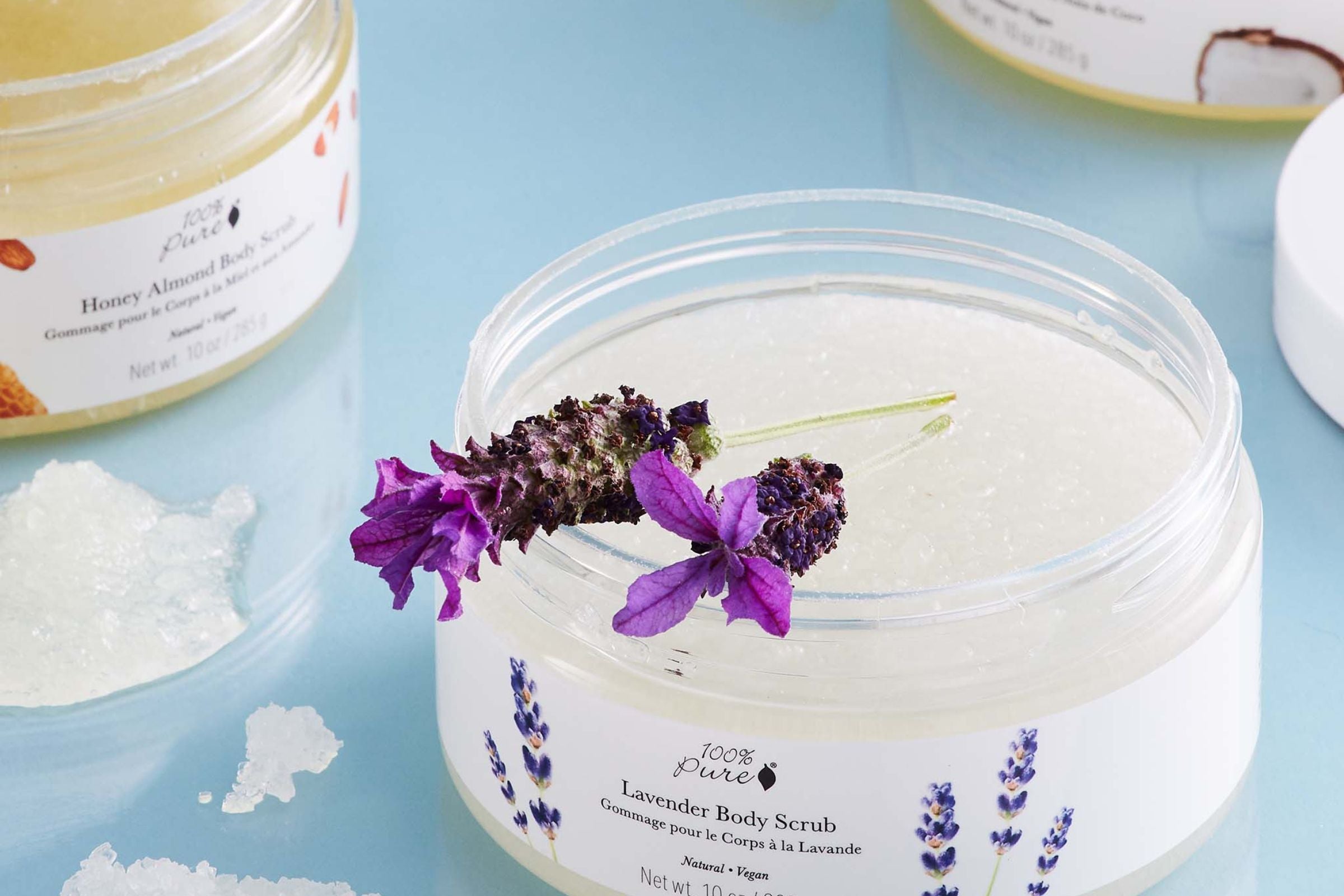
Lavender: Known for its calming effects, making it perfect for pre-sleep or stress-relieving routines.
Rose Petals: Infused with natural oils, they can hydrate the skin while offering a gentle, aromatic experience.
Chemical Exfoliants
Chemical scrubs often contain Alpha Hydroxy Acids (AHAs) or Beta Hydroxy Acids (BHAs).
AHAs: Ingredients such as glycolic acid and lactic acid work by breaking down the bonds that hold dead skin cells together, facilitating their removal. AHAs are water-soluble and effectively address surface-level skin issues like fine lines and sun damage.
BHAs: Salicylic acid, a commonly used BHA, is oil-soluble, enabling it to penetrate deeper into the skin. It is typically recommended for oily skin types that are prone to blackheads and acne.
Whether you opt for a physical scrub like sugar, salt, or coffee, or prefer a chemical exfoliant, it is crucial to choose a scrub that aligns with your skin type and addresses your specific concerns. Always conduct a patch test when trying out a new scrub and consult a skincare professional for tailored advice.
Choosing the Ideal Body Scrub Tailored to Your Skin Type
Venturing into the realm of body scrubs can feel overwhelming, especially when aiming to find one that perfectly complements your unique skin type. Whether your skin is sensitive, oily, dry, or a combination, the goal is to select a scrub that revitalizes without causing irritation. Here’s a detailed guide that considers your skin type while also highlighting the importance of natural ingredients and fragrance.
Guidelines for Selecting Scrubs for Sensitive, Oily, Dry, and Combination Skin Types
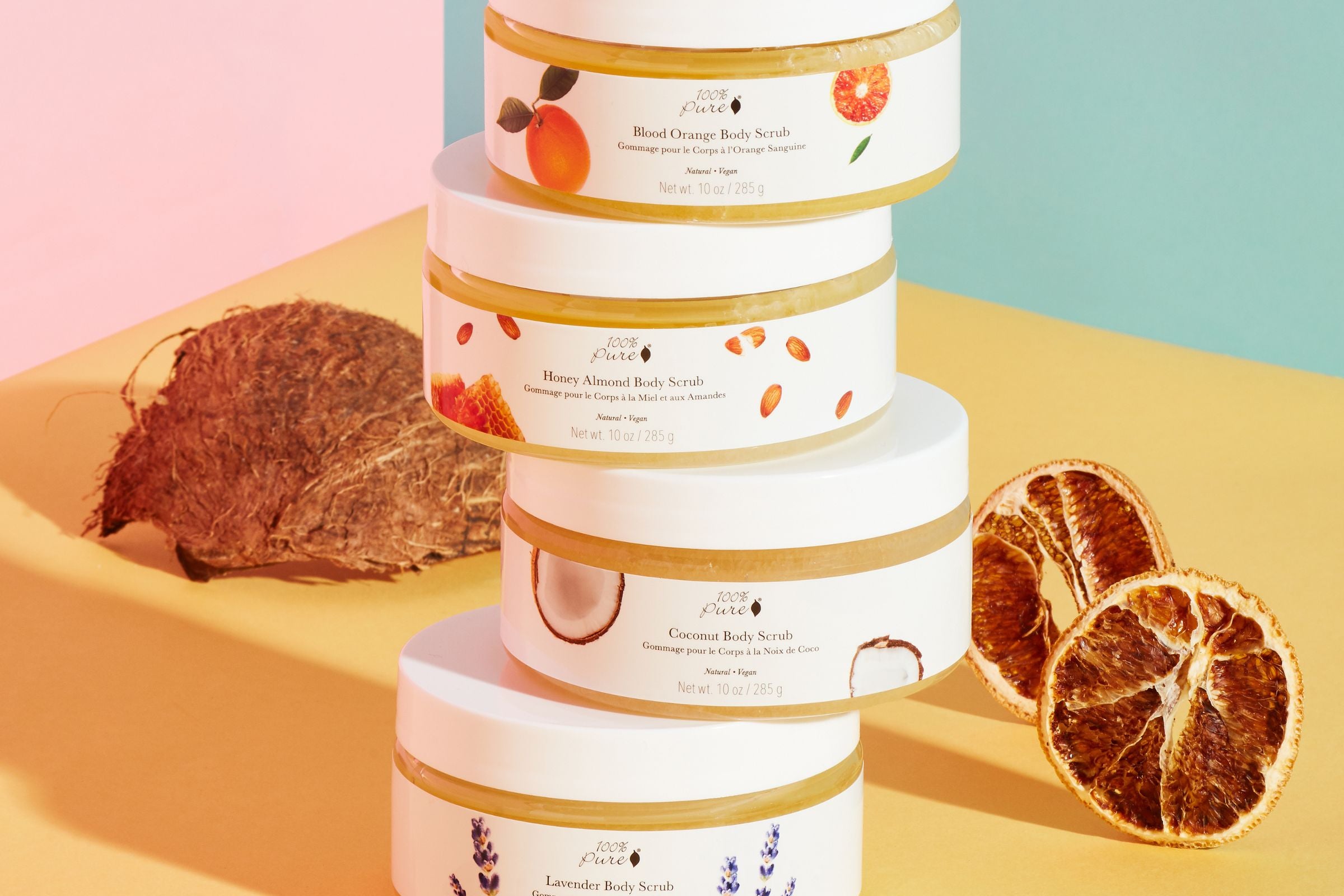
Sensitive Skin: For those with sensitive skin, opt for a scrub that includes soothing ingredients like lavender. Our Lavender Body Scrub is gentle, suspended in a base of silky sunflower and apricot oils, effectively smoothing the skin without causing irritation.
Oily Skin: If your skin is oily, consider citrus-infused scrubs. Our Blood Orange Body Scrub is vegan and designed to balance sebum production while refreshing your skin.
Dry Skin: Those with dry skin should seek body scrubs that offer intense hydration. Our Honey Almond Body Scrub not only exfoliates but also delivers rich moisture, making it perfect for dry skin types.
Combination Skin: For those with combination skin, a versatile option like our Coconut Body Scrub is ideal. It moisturizes while balancing your skin, making it a great all-round choice.
Considerations for Fragrance, Artificial Additives, and the Importance of Natural Ingredients
Fragrance: Synthetic fragrances can irritate, particularly for sensitive skin types. Choose body scrubs that utilize natural fragrances derived from essential oils or fruit extracts.
Artificial Additives: Steer clear of scrubs containing artificial additives like parabens and sulfates, which can be harsh on the skin and disrupt its natural barrier.
Natural Ingredients: Always check labels for natural ingredients. Our range of 100% PURE Body Scrubs, for instance, is crafted from organic and fair trade sources, free from artificial additives.
Optimizing Your Body Scrub Experience: Application Techniques
Body scrubs serve as an excellent method to exfoliate, invigorate, and nourish your skin. However, the way you apply the scrub can significantly influence its effectiveness. Here’s a comprehensive step-by-step guide to enhance your body scrub experience, from preparing your skin to rinsing off the product. We’ll also provide tips on massage techniques, duration of scrubbing, and other insights to maximize your benefits.
Step 1: Wet Your Skin
Begin by thoroughly wetting your skin, preferably in the shower, where warm water can help open your pores. A steamy environment is ideal for maximizing product absorption.
Step 2: Turn Off the Water
Once your skin is wet, turn off the water to prevent the scrub from being rinsed away too quickly. This allows you to take your time and ensures that the scrub maintains contact with your skin for optimal benefit.
Step 3: Apply the Scrub
Take a generous amount of body scrub into your hands. Don’t hold back—using enough product ensures comprehensive coverage and enhances your scrubbing experience.
Step 4: Massage in Circular Motions
Start applying the scrub using circular motions. This technique promotes blood circulation and guarantees even exfoliation. Begin at your feet and gradually work your way upwards, ensuring even distribution. For stubborn areas with tougher skin, such as elbows and knees, feel free to apply a bit more pressure.
Tip: Utilize Specialized Tools
Some people prefer using a scrubbing brush or loofah for enhanced exfoliation. If you choose to use these tools, ensure they are clean to prevent introducing bacteria onto your skin.
Step 5: Be Mindful of the Duration
The ideal scrubbing duration varies based on your skin type, but generally aim for about 5 to 10 minutes. Over-scrubbing can lead to sensitivity, while under-scrubbing may not provide the desired benefits.
Tip: Breathing Technique
Incorporate deep breathing during your scrubbing routine. The scents from your body scrub can create a mini aromatherapy session, enhancing relaxation and stress relief.
Step 6: Rinse Off
Turn the shower back on and thoroughly rinse off the scrub. Ensure all residues are washed away to prevent potential skin irritation. If your scrub contains oils, you may notice a silky layer left on your skin—this is beneficial, as it signifies that your skin is receiving an extra boost of moisture.
Step 7: Pat Dry and Moisturize
After stepping out of the shower, gently pat your skin dry with a clean towel. Follow up with a body lotion or oil to seal in moisture and maintain your skin’s softness and hydration.
Maximizing Benefits: Final Recommendations
Frequency: The frequency of scrubbing largely depends on your skin type. For most individuals, once a week is adequate, but if you have particularly dry or sensitive skin, you may want to adjust this based on your comfort level.
Time of Day: Many find that scrubbing in the evening helps with relaxation and prepares them for a restful night, especially when using scrubs with calming scents like lavender or chamomile.
Precautions: If you have any skin conditions, cuts, or abrasions, it’s wise to avoid scrubbing those areas to prevent irritation.
Stay Updated with Our Newsletter Subscribe
for more blog updates and exclusive discounts
Essential Post-Scrub Care for Optimal Skin Health
Let’s face it: dry, flaky, and irritated skin can be a significant concern, impacting not just your appearance but also your self-esteem. Whether it’s the result of harsh winter conditions, excessive sun exposure, or simply the daily grind, moisturizing should be an essential part of your skincare regimen. Regular moisturization helps maintain the skin’s natural barrier, ensuring it remains soft, elastic, and capable of retaining moisture. This leads to less itching, less flaking, and an overall more comfortable experience. Moreover, well-hydrated skin is better equipped to combat environmental stressors, thereby reducing the risk of premature aging.
Top Recommendations for Body Lotions and Oils that Lock in Moisture
Intensive Nourishing Balm
If you have particularly dry areas prone to extreme dryness, such as elbows, feet, or around the nose, consider giving them intensive moisture therapy with this concentrated blend of rich butters and nourishing oils. The soothing properties of lavender oil also help calm itchy or flaky skin, making it an ideal multi-purpose treatment.
Coconut Nourishing Body Cream
Embrace creamy, dreamy skin with a tropical flair! Infused with anti-aging vitamins and antioxidants, this deeply hydrating body cream utilizes the powers of cocoa and avocado to soothe dry, flaky skin. The added essences of aloe and rose hydrosol provide essential hydration, while Kona green coffee and vitamin C work to energize and brighten, leaving your skin with a youthful glow and the delightful scent of sweet coconut.
French Lavender Nourishing Body Cream
Take a sensory journey to the serene landscapes of the French countryside with this luxuriously creamy lotion. Much like its coconut counterpart, it delivers potent anti-aging benefits alongside deep moisturization from cocoa and avocado. Aloe and rose hydrosol replenish hydration, while stimulating Kona green coffee and vitamin C work to enhance your skin’s brightness. The calming aroma of lavender makes it an ideal choice for winding down at bedtime.
Blood Orange Nourishing Body Cream
Indulge your senses and skin with the sweet and citrusy fragrance of blood orange. This richly creamy lotion offers the same deeply moisturizing and age-defying benefits as the rest of our creams. Rehydrate, revitalize, and brighten your skin while enveloping yourself in this invigorating scent.
Honey Almond Nourishing Body Cream
Nourish both your skin and senses with the deliciously sweet aroma of honey-glazed almonds. This body cream provides all the anti-aging and moisturizing advantages of its counterparts, ensuring your skin remains deeply hydrated and visibly youthful.
Remember, moisturizing isn’t the final step in your skincare routine, especially after exfoliating. Since exfoliation removes the top layer of dead skin, your skin becomes more vulnerable to UV damage. Always apply a good-quality sunscreen, ideally with an SPF of at least 30, to protect your newly exfoliated, moisturized, and radiant skin.
Key Insights on the Importance of Regular Exfoliation
As we conclude, it’s vital to reiterate the significance of regular exfoliation as a foundational element in a comprehensive skincare routine. Often overlooked or misinterpreted, exfoliation is more than just an occasional deep cleanse; it serves as a routine maintenance procedure for your skin that enhances its overall appearance and optimizes the absorption of skincare products.
Effective exfoliation addresses various skin concerns, from acne and dullness to fine lines and uneven skin tone. By clearing away the dead skin cells that accumulate on the surface, you’re not merely refreshing your skin; you’re also creating an opportunity for the nourishing ingredients in your serums, moisturizers, and other skincare products to penetrate more effectively. Essentially, incorporating exfoliation into your regimen enhances the overall effectiveness of your entire skincare arsenal.
However, it’s essential to acknowledge that skincare is not a “one-size-fits-all” approach. Your skin is unique and requires personalized care. Over-exfoliation can lead to irritation and compromise your skin barrier, while under-exfoliation could mean missing out on a radiant glow and smoother texture.
Therefore, it’s crucial to pay attention to your skin’s responses after exfoliating: is it red and irritated? Does it feel comfortably clean? Use these observations to tailor the frequency and type of exfoliation that best suits your individual needs.
In the quest for a glowing complexion and healthy skin, regular exfoliation emerges as a key step. However, like any other aspect of skincare or wellness, it requires a balanced and thoughtful approach. As you strive to meet your skincare goals, remember to listen to your skin and adjust your strategies accordingly. The journey involves building a routine that not only incorporates the best products but also respects and nurtures your skin’s unique characteristics.
Common Questions About Body Scrubs Answered
a. How often should I use a body scrub?
The frequency of body scrub usage mainly depends on your skin type and the specific product in question. Generally, for most skin types, scrubbing once a week is adequate for removing dead skin cells and maintaining smoothness. However, if you have sensitive or dry skin, you may want to limit usage to every other week to avoid irritation. Always refer to product guidelines or consult a dermatologist for personalized advice.
b. Can I use my body scrub on my face?
It is generally not recommended to use body scrubs on your facial skin, as the skin on your face is much more delicate than that on the rest of your body. Body scrubs often contain larger, coarser granules that may be too harsh and could potentially cause microtears or irritation on facial skin. If you wish to exfoliate your face, consider using a scrub specifically designed for that purpose.
c. Are DIY body scrubs as effective as store-bought ones?
DIY body scrubs can be effective, but their success greatly depends on the ingredients you use and how well you store the finished product. Homemade scrubs typically include natural exfoliants like sugar, salt, or coffee grounds, combined with moisturizing oils like coconut or olive oil. However, they often lack the preservatives found in store-bought options, which can lead to spoilage and may require refrigeration. Additionally

Sienna Blake is a licensed aesthetic consultant and beauty writer specializing in cosmetic surgery advancements and non-invasive treatments. With a background in dermatology and over eight years of industry experience, Sienna is passionate about helping people achieve confidence through informed beauty decisions. She holds a Bachelor's degree in Health Sciences and regularly collaborates with top plastic surgeons to stay at the forefront of aesthetic innovations. Outside of her work, Sienna enjoys traveling, skincare research, and practicing Pilates.