


Understanding Your Skin: Common Concerns and Natural Remedies
As the largest—and arguably the most susceptible—organ in the human body, the skin is vulnerable to a wide array of issues that can affect its appearance and health. This article delves into five prevalent skin concerns, detailing their symptoms and causes. More importantly, we’ll provide you with the best natural treatment options for each issue, empowering you to restore your skin’s natural glow and vitality!
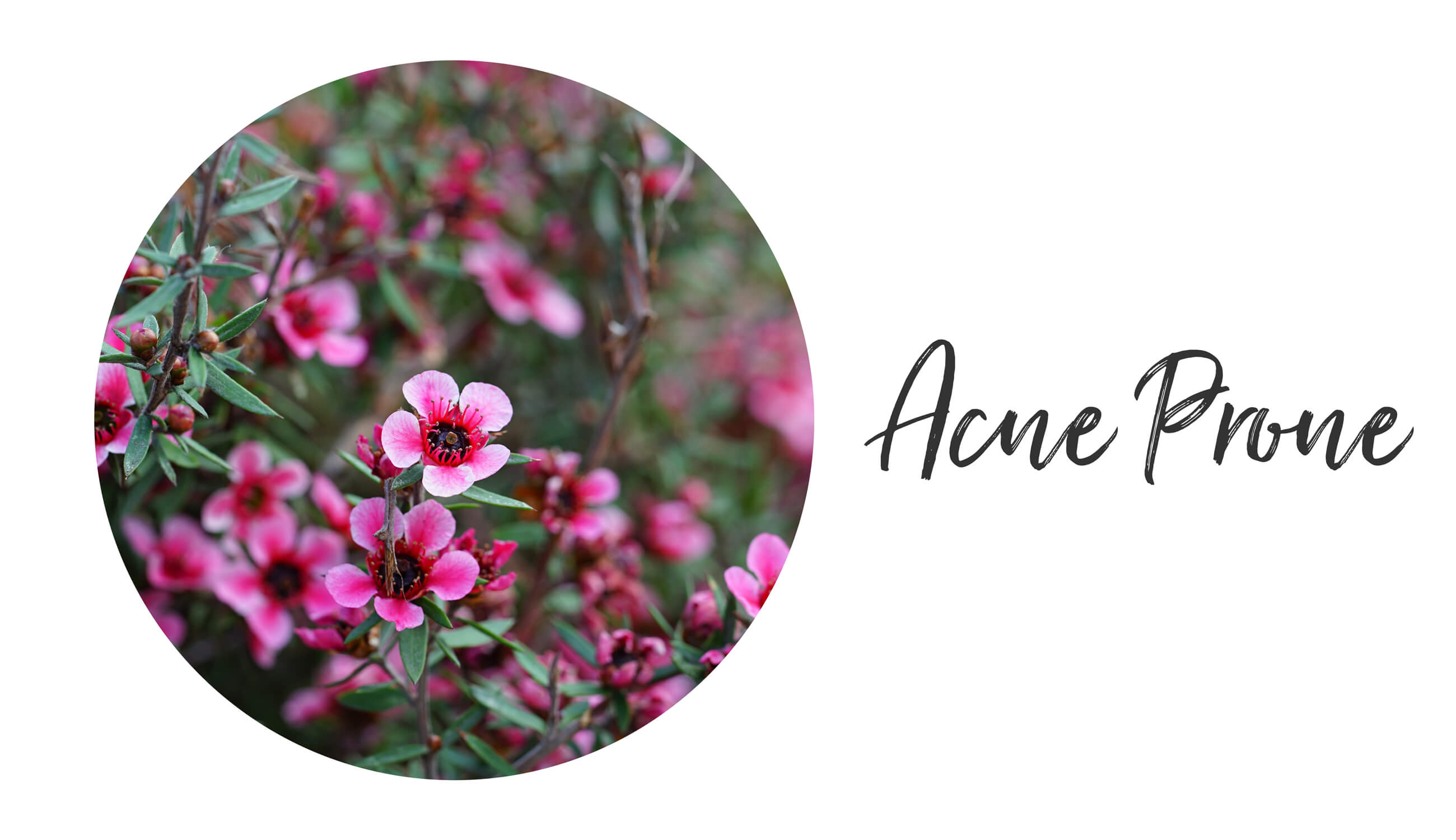
#1: Combatting Acne-Prone Skin Effectively
Contrary to popular belief, acne isn’t just a teenage problem; many adults continue to struggle with this skin condition well into their 30s and beyond. Research indicates that approximately 40-55% of individuals aged 20 to 40 experience persistent adult acne. The manifestation of acne varies from person to person, influenced by numerous factors, including hormonal changes, diet, and stress levels.
Hormonal acne typically begins during adolescence but can resurface whenever hormone levels fluctuate. To effectively tackle hormonal acne, it’s essential to focus on restoring hormonal balance. While many skincare products claim to resolve your skin issues, we advocate for a holistic approach that encompasses your overall health. Regular exercise, proper hydration, and a nutritious diet rich in healthy fatty acids, vitamins, and minerals are essential. Additionally, consider incorporating supplements that support hormonal balance, such as evening primrose oil and holy basil (tulsi).
Moreover, a lack of essential nutrients can contribute to your acne issues. A well-rounded diet filled with vitamins and minerals is vital for maintaining healthy skin and overall wellness. Ensuring that you consume a variety of nutrient-dense foods can play a crucial role in your skin’s appearance.
Many individuals may not realize that poor hygiene practices significantly impact acne development. Common hygiene oversights include using dirty makeup brushes, sleeping on unwashed pillowcases, and frequently touching your face with unclean hands. If you’re uncertain about the root cause of your acne, it may be worthwhile to assess your daily hygiene practices to identify any possible contributors.
Regardless of the cause of your acne, prioritizing hydration, ensuring adequate sleep, and managing stress levels can all contribute to alleviating symptoms. We recommend exploring natural skincare options such as 100% PURE’s Tea Tree & Willow clarifying collection for gentle spot treatment. This collection harnesses the antibacterial properties of tea tree and the natural salicylic acid in willow to combat acne-causing bacteria. Additionally, regular exfoliation—twice a week—can help clear clogged pores and shed dead skin cells, promoting a clearer complexion.

#2: Managing Sensitive and Inflamed Skin
Skin inflammation and sensitivity are more prevalent than many realize. These concerns often go unrecognized by those affected, leading to a variety of symptoms, including redness, puffiness, rough texture, and a stinging sensation. Understanding the triggers for your sensitive skin is crucial in managing its health.
Diet plays a significant role in the health of your skin, and high-sugar diets can exacerbate inflammation. If you’re dealing with inflamed skin, consider transitioning to an anti-inflammatory diet, or at the very least, reduce your intake of inflammatory foods. Regular exercise, adequate sleep, and staying hydrated can also significantly mitigate inflammation throughout your body.
Furthermore, harsh chemicals found in many skincare and haircare products can contribute to skin inflammation. Common offenders include artificial dyes and synthetic fragrances, which can irritate the skin. This highlights the importance of choosing natural skincare alternatives that are free from such irritants.
For those struggling with inflamed and sensitive skin, we suggest exploring 100% PURE’s Restorative Sea Culture products, particularly the Restorative Sea Culture Serum. This serum leverages the healing properties of mineral-rich algae and sea kelp to restore and rejuvenate your skin, promoting a healthier complexion.
#3: Effective Strategies for Aging Skin
While skin aging is a natural process, the severity of its symptoms can vary significantly from person to person. Common signs of aging include fine lines, wrinkles, dark spots, rough skin texture, and an uneven complexion. One of the most effective preventative measures is minimizing sun exposure throughout your life and consistently using sunscreen to protect your skin.
Fortunately, there are numerous ways to mitigate the effects of aging skin. Antioxidants, such as vitamins E and C, are vital in combating free radicals—unstable molecules that contribute to skin aging by damaging cells. These free radicals often stem from sunlight, pollution, smoking, and other environmental factors. By incorporating antioxidant-rich foods into your diet and using skincare products infused with these powerful ingredients, such as 100% PURE’s Multi-Vitamin + Antioxidants Ultra Riche PM Treatment and Multi-Vitamin + Antioxidants Potent PM Serum, you can enhance your skin’s resilience against aging.
Additionally, skin resurfacing treatments like dermaplaning and microdermabrasion can significantly improve the appearance of aging skin. Ultimately, while aging is an inevitable part of life, embracing it with confidence is just as important as taking steps to maintain your skin’s health.
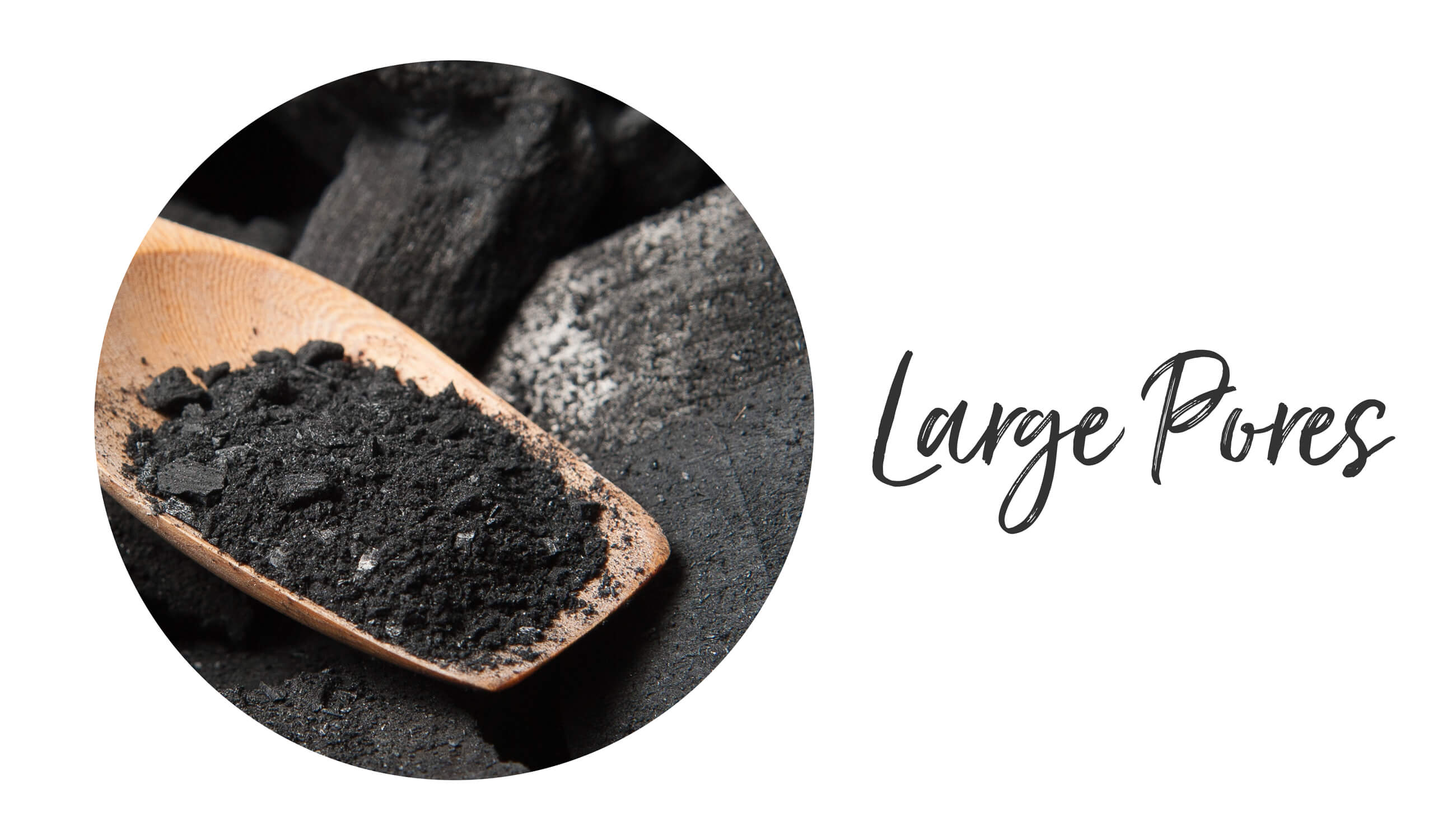
#4: Reducing the Appearance of Large Pores
Large pores are often a result of genetic predisposition, and despite what some products may claim, it’s not truly possible to shrink their size. However, you can implement practices to clear away excess oil and debris that can make pores appear larger.
The most effective products for minimizing the appearance of large pores include exfoliants—both chemical and mechanical—and oil-absorbing formulations. Exfoliants work by removing the outer layer of dead skin, which helps to unclog pores and illuminate your complexion. You might consider using an exfoliating scrub two to three times weekly or opting for a stronger peel on a weekly basis. For a more intensive approach, consulting a dermatologist for a dermaplaning procedure every few months can be beneficial.
High-quality oil-absorbing products typically utilize ingredients like charcoal and clay, which effectively absorb excess oil from the skin, thereby helping to clear up clogged pores. If you’re in search of a potent oil-absorption solution, our Charcoal Clay Cleanser is an excellent choice. This versatile cleanser not only brightens your skin but also combats bacteria while purging your pores of excess oil.
You can complement your routine with our Multi-Vitamin + Antioxidants Potent PM Serum, which works overnight to condition your pores deeply.
#5: Revitalizing Dull Skin for a Radiant Complexion
Dull skin is characterized by a lackluster, unhealthy appearance, often resulting from a buildup of dead skin cells or insufficient oxygen supply. Identifying the root cause of dullness is essential for effective treatment.
If dead skin cell accumulation is the issue, incorporating mechanical or chemical exfoliants into your skincare routine can be an effective solution. Regular exfoliation—using a scrub two to three times a week or a stronger peel every week or two—can eliminate dead skin cells, revealing the vibrant, healthy skin beneath.
On the other hand, if your skin appears dull due to inadequate oxygenation, focusing on improving circulation becomes vital. Engaging in regular physical activity and consuming a balanced diet can significantly enhance your skin’s oxygen supply.
Regardless of the cause of your dull skin, our Fermented Rice Water product line may offer the nourishment your skin craves. These products feature fermented rice water (sake), known for its rich content of vitamins, minerals, and essential proteins. These nutrients work synergistically to deeply nourish your skin, promoting a healthy, luminous complexion.
Explore Our Guide to Top Natural Products for Your Skin Type to discover more safe and effective skincare solutions tailored to various skin concerns.
Addressing Common Skin Concerns: FAQs
What are the most prevalent skin concerns and their underlying causes?
The five most common skin concerns are acne, wrinkles, dryness, hyperpigmentation, and sensitivity or redness. Acne often arises from clogged pores, exacerbated by hormonal fluctuations, dietary choices, and stress. Wrinkles are primarily a result of aging and prolonged sun exposure. Skin dryness can stem from environmental influences, genetics, and lifestyle habits. Hyperpigmentation, which manifests as dark spots and uneven skin tone, can result from sun exposure, hormonal changes, or certain medications. Sensitivity or redness often occurs due to environmental factors, allergies, skin disorders like rosacea, or the overuse of harsh skincare products.
What are effective strategies for treating and preventing acne?
Successfully treating acne typically involves a blend of proper skincare, lifestyle modifications, and, in some cases, medication. Over-the-counter treatments containing salicylic acid or benzoyl peroxide can effectively address mild acne. For more severe cases, dermatologists may prescribe retinoids or antibiotics. To prevent acne, utilize non-comedogenic skincare products, maintain a consistent cleansing routine, refrain from picking or squeezing blemishes, and manage stress levels. Dietary adjustments, such as reducing dairy and high-glycemic foods, can also benefit some individuals.
What best practices can be employed to prevent and minimize wrinkles?
To effectively prevent and reduce wrinkles, diligent sun protection is vital. Daily application of a broad-spectrum sunscreen with a minimum SPF of 30 is essential. Incorporating antioxidants like vitamins C and E into your skincare regimen can also provide protective benefits. Retinoids are well-known for their efficacy in minimizing the appearance of fine lines and wrinkles. Additionally, keeping the skin well-hydrated with moisturizers and hyaluronic acid enhances elasticity. Lifestyle factors, including a balanced diet, sufficient sleep, and avoiding smoking, significantly impact the aging process of the skin.
What causes skin dryness, and what treatments are effective?
Skin dryness can arise from multiple factors, including environmental conditions such as cold weather and low humidity, over-washing, aging, and certain medical conditions. To combat dryness, utilize gentle, hydrating cleansers and avoid hot water during cleansing. Regular moisturization with products containing emollients and humectants like glycerin and hyaluronic acid is crucial. Using a humidifier in dry environments can also be beneficial, and maintaining proper hydration by drinking plenty of water is essential for optimal skin health.
How can hyperpigmentation be effectively managed?
Managing hyperpigmentation involves a combination of sun protection, topical treatments, and, in some cases, professional procedures. Using a broad-spectrum sunscreen can prevent existing spots from worsening and new ones from forming. Topical treatments containing hydroquinone, niacinamide, and vitamin C can aid in lightening dark spots. Professional interventions such as chemical peels, laser therapy, and microdermabrasion may also be effective options. Patience is key, as treatment results can take several months to become evident.
var windowWidth,lazyLink,lazyImages,lazySource,lazyBackground,lazyIframe,lazyScripts,navigator_platform,lazyLoadedJS,src,style,datasrc,urls,analytics,s,x,i,j,flag;
function init(){flag&&(flag=0,load_all_js(),lazyLoadImg(),lazyLoadBackground(),lazyLoadIframe(),lazyLoadSource())}
function isElementInViewport
var a=t.getBoundingClientRect();
return a.top>=0&&a.left>=0&&a.bottom<=(window.innerHeight||document.documentElement.clientHeight)&&a.right<=(window.innerWidth||document.documentElement.clientWidth)
}
function insertAfter(newNode, referenceNode) {
referenceNode.parentNode.insertBefore(newNode, referenceNode.nextSibling);
}
function isElementInView
var a=t.getBoundingClientRect();
return a.top(window.innerHeight/2||document.documentElement.clientHeight/2)
}
function lazyLoadLink(){
lazyLink.forEach(function
t.href=null==t.dataset.href?t.href:t.dataset.href
})
}
function lazyLoadImg(){
lazyImages.forEach(function
null!=(src=windowWidth<600?null==t.dataset.mobsrc?t.dataset.src:t.dataset.mobsrc:t.dataset.src)&&(t.src=src),t.classList.remove("lazy2")
})
}
function lazyLoadImg2(){
lazyImages.forEach(function
isElementInViewport
})
}
function lazyLoadSource(){
lazySource.forEach(function
t.srcset=null==t.dataset.srcset?t.srcset:t.dataset.srcset
})
}
function lazyLoadBackground(){
lazyBackground.forEach(function
lazybg=windowWidth<768?null==t.dataset.mobstyle?t.dataset.style:t.dataset.mobstyle:t.dataset.style,null!=lazybg&&(t.style=lazybg),t.classList.remove("lazybg")
})
}
function lazyLoadIframe(){
lazyIframe.forEach(function
t.src=null==t.dataset.src?t.src:t.dataset.src
})
}
function lazyLoadScripts(){
j!=lazyScripts.length&&("lazyload2"==lazyScripts[j].getAttribute("type")?(lazyScripts[j].setAttribute("type","lazyloaded"),void 0!==lazyScripts[j].dataset.src?((s=document.createElement("script")).src=lazyScripts[j].dataset.src,document.body.appendChild(s),s.onload=function(){j++,lazyLoadScripts()}):((s=document.createElement("script")).innerHTML=lazyScripts[j].innerHTML,document.body.appendChild(s),j++,lazyLoadScripts())):(j++,lazyLoadScripts()))
}
function lazyLoadCss
(s=document.createElement("link")).rel="stylesheet",s.href=t,document.getElementsByTagName("head")[0].appendChild(s)
}
function lazyLoadJS
if(lazyLoadedJS)return setTimeout(function(){lazyLoadJS
}
function wnwAnalytics() {
var script2 = document.querySelectorAll(".analytics");
script2.forEach(function(analyticsScript) {
trekkie.integrations=false;
s = document.createElement("script");
s.innerHTML = analyticsScript.innerHTML;
insertAfter(s, analyticsScript);
analyticsScript.parentNode.removeChild(analyticsScript);
});
}
document.addEventListener("DOMContentLoaded",function(){windowWidth=screen.width,lazyLink=document.querySelectorAll("link"),lazyImages=document.querySelectorAll("img.lazy2"),nolazyImages=document.querySelectorAll("img.lazy"),lazyBackground=document.querySelectorAll(".lazybg"),lazyIframe=document.querySelectorAll("iframe"),lazySource=document.querySelectorAll("source"),lazyScripts=document.getElementsByTagName("script"),navigator_platform=navigator.platform,i=0,j=0,flag=1,window.addEventListener("scroll",function(){init()}),window.addEventListener("mousemove",function(){init()}),window.addEventListener("touchstart",function(){init()}),"Linux x86_64"!=navigator_platform&&init(),setTimeout(function(){init()},60000)});
function load_all_js() {
lazyLink=document.querySelectorAll("link");
lazyLoadLink();
}
