



Do you recall the challenge of finding that ideal shade of foundation? If you didn’t have access to a skin undertones chart, did you bravely venture into the beauty aisle at your local drugstore, or did you opt for professional assistance to get matched? The journey toward achieving your perfect foundation shade can be daunting, but it’s also an essential part of your beauty routine.
Finding a foundation that seamlessly matches your skin tone is deeply satisfying. Not only does it enhance our confidence, but it also plays a crucial role in the application of other complexion products. A well-matched foundation that complements our skin type, preferred coverage, and lifestyle can feel like a rare gem – a delightful find that brings joy and ease to our daily routine.
Why You Should Consider Updating Your Foundation Shade
We’ve mentioned it before, and it cannot be overstated – our skin is incredibly complex, and a foundation that has served you well for years may suddenly start to appear less flattering. Perhaps you’ve returned from a sun-soaked vacation with a deeper tan, or maybe your foundation is simply looking dull and uninspired lately. Either way, it might be the perfect opportunity to reference a skin undertones chart and explore a new foundation shade that enhances your natural beauty!
How do you select the ideal foundation tailored specifically to your unique skin tone? Utilizing a skin undertones chart can be incredibly beneficial, as it visually represents your shade options. You can also employ several classic techniques for identifying your skin tone and undertone, ensuring you find the most flattering foundation match.
Keep reading for straightforward tips to help you determine your skin tone and achieve a flawless match with your complexion products!
Understanding the Significance of Skin Tone and Undertone Using a Skin Undertones Chart
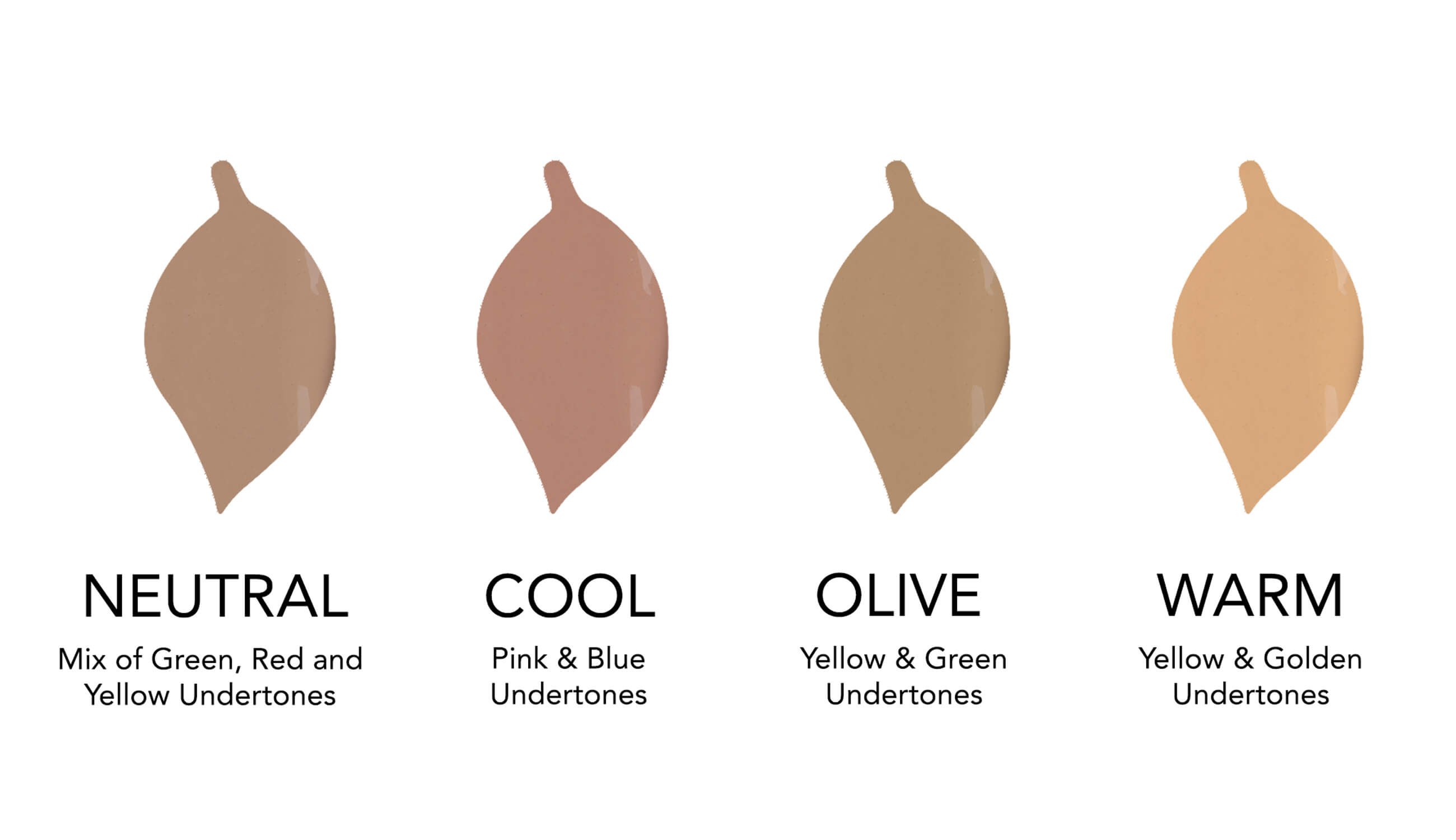
How can you accurately identify your skin’s undertone, and why is this knowledge essential? Your undertone essentially reflects the underlying temperature of your skin, which can significantly influence how makeup products appear on your complexion. To clarify, your skin tone refers to the overall depth of your complexion, whereas your undertone is what truly distinguishes your skin tone, making it uniquely yours. This is where a skin undertones chart becomes an invaluable resource.
In a typical skin undertones chart, undertones are classified into categories such as warm, cool, and neutral or olive. For instance, warm undertones might give your skin a subtle golden or peachy glow, while cool undertones can impart a lovely pink or bluish hue. If you possess a neutral undertone, you may notice a blend of both warm and cool characteristics. In many cases, we believe that understanding your undertone is even more crucial than simply identifying your overall skin tone.
Why is the undertone so vital, you might wonder? A foundation that is slightly too light can often be enhanced with an excellent bronzer, while a concealer that appears a tad too dark can be balanced out with a brightening under-eye setting powder. However, we have observed that most often, when a complexion product looks off, it’s due to a mismatch in the undertone.
Mastering Your Skin Undertone in Just 2 Simple Steps
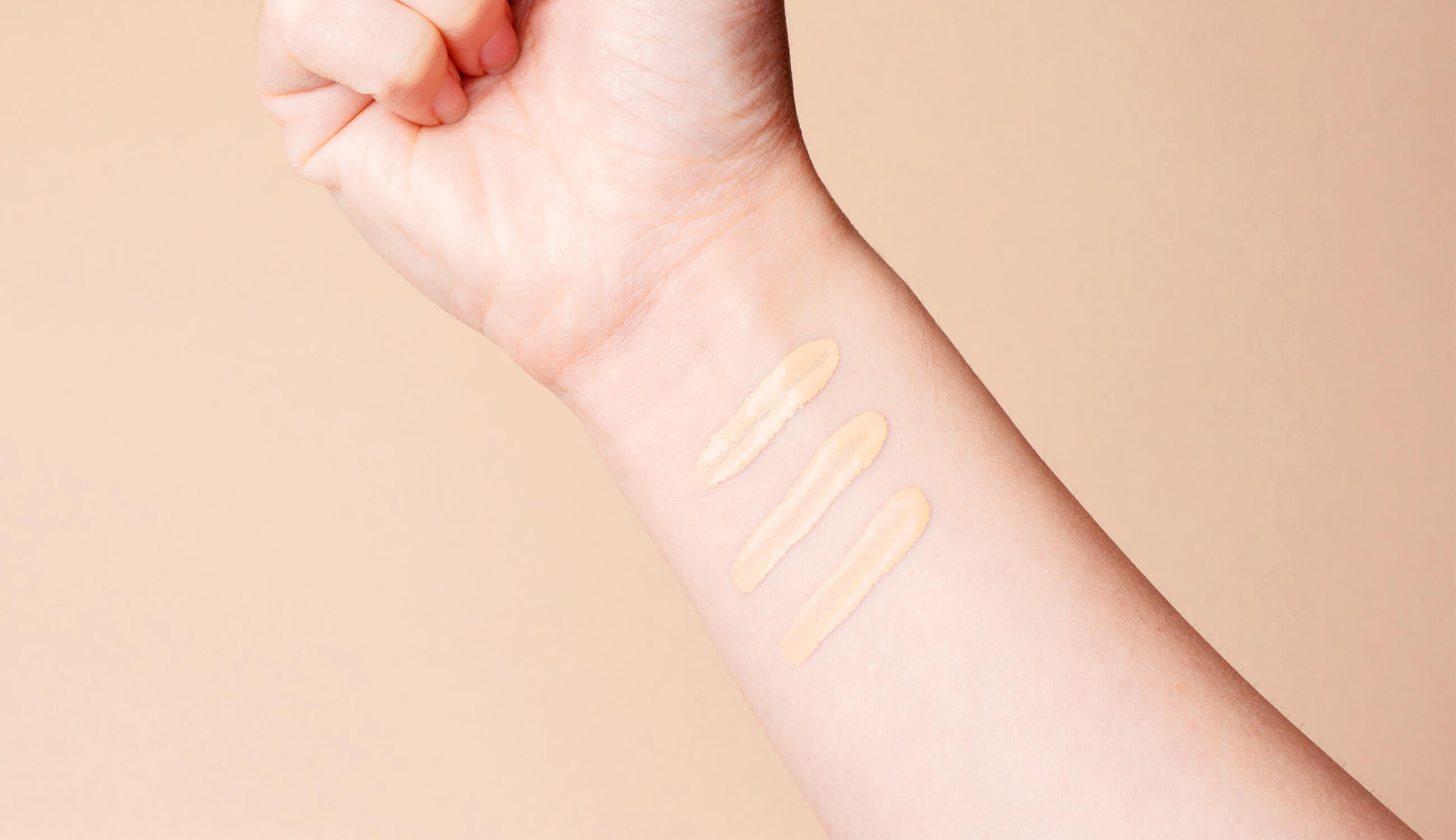
We owe you an apology: we may have made determining your undertones sound overly complicated, but it’s actually quite straightforward! With just a few simple tricks, you can easily uncover your skin’s undertones and feel more confident in your foundation choices.
To begin, it’s crucial to understand that your undertone may present itself in one of six shades. The warm undertone family includes yellow, peach, and gold, while the cool spectrum encompasses shades like pink, blue, or red. Below, we’ll share some effortless strategies to help you pinpoint your skin undertone.
#1: The Jewelry Test
Which metal do you gravitate towards more when choosing jewelry: silver or gold? Is there a specific type of metal that seems to garner compliments whenever you wear it? This isn’t just a matter of preference – generally, silver jewelry tends to enhance cooler undertones, while gold looks stunning on warmer tones. If you’re fortunate enough to find that both metals suit you equally well, that likely indicates you fall into the neutral undertone category.
#2: The Vein Test
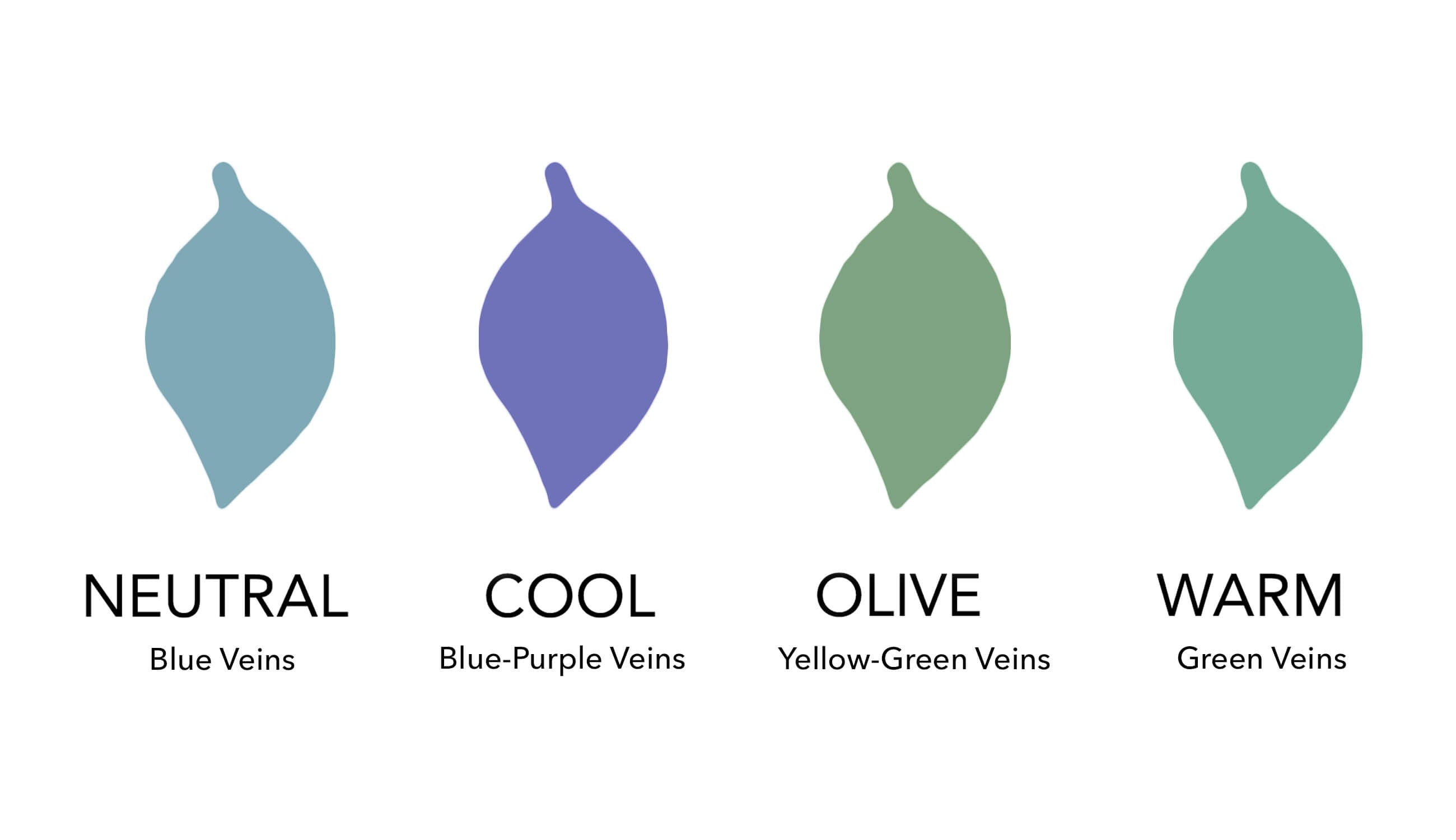
This method is even simpler than the jewelry test and does not require any charts. All you need to do is find a well-lit area with natural light and examine the veins on your wrist. Can you detect a greenish hue, or do your veins appear more bluish?
A greenish tint usually suggests that your skin undertones are warm or golden, while a bluish cast indicates a cool skin temperature. For those with olive or neutral complexions, determining a clear answer may be trickier, as they may observe a mix of blue, green, and purple hues.
When in Doubt – Seek Professional Color Matching
While these two methods are indeed helpful, they are not foolproof. Sometimes, due to poor lighting conditions or an almost neutral skin tone, accurately determining your undertone using a skin undertones chart can be challenging. In such instances, seeking a second opinion is highly recommended; many beauty stores offer assistance in identifying your undertone. Simply ask a knowledgeable makeup artist or beauty professional for an in-store matching!
Navigating the Skin Tone Spectrum
Having established your undertone using a skin undertones chart, the next step is to delve into the realm of overall skin tone. This is where skin tone charts become especially beneficial, as they categorize complexions into different ranges such as fair, light, medium, and dark, making it much easier to identify your ideal foundation and concealer shades.
The positive aspect is that once you have correctly identified your undertone or skin temperature based on a skin undertones chart, your skin tone’s depth typically falls within a 2-3 shade range.
Consider your undertone as the color family that represents your skin, while your skin tone signifies how light or deep you are within that color spectrum. Most skin tone categories utilize descriptors like fair, light-medium, medium, dark, and dark-deep to assist you in pinpointing your complexion match.
Some brands may employ a numerical system to help customers find their shade; for instance, the Fruit Pigmented® Full Coverage Water Foundation. We not only simplify the undertone identification process but also provide an extensive range of nearly 20 unique shades. If you identify as having light or fair skin, your shade number will typically be lower. In this numbering system, your skin tone appears richer as the foundation shade number increases.
PRO TIP: If you have oily or combination skin, you are more likely to experience foundation oxidation during wear. Ensure you adequately prep your skin with a primer, select the best foundation for oily skin, and set everything with a lightweight powder to prevent your complexion products from shifting color throughout the day.
Strategies for Selecting Your Ideal Shade
Here are some straightforward methods to ensure that your foundation and concealer always enhance your natural beauty:
-
First and foremost, don’t skip the essential step of skin preparation; this may involve allowing your moisturizer to absorb fully or giving your primer some time to settle. This vital first step can significantly impact how your foundation applies.
-
Be mindful that natural SPF products often contain zinc oxide, which can create a white cast on the skin. This is particularly relevant if you have a medium to deep skin tone, so adjust your shade selection accordingly to avoid foundation mishaps.
-
When uncertain, opt for a slightly darker shade; products that are too light can appear unflattering and may even age you. Just remember to blend seamlessly past your jawline and into your neck for a flawless transition (this is one of many expert foundation application tips).
-
Don’t hesitate to mix or layer products for a customized complexion! For example, you can apply a sheer tinted moisturizer across your face and touch up your under-eye area and T-zone with a full-coverage product. This technique helps achieve a more natural finish, which further aids in a perfect color match.
-
Utilize a setting spray or powder to ensure that your products maintain their color and provide long-lasting wear. You can even layer powder foundation over liquid foundation for added coverage and longevity.
Avoiding Common Pitfalls in Complexion Products
Remember our earlier discussion about your complexion products potentially looking a bit off? The issue may also stem from the specific products you’re using. Here are some common mistakes that can lead to complexion disasters:
You’re Selecting the Wrong Undertone
Wearing makeup products with the incorrect undertone can be immediately noticeable. For instance, if someone with warm undertones uses cool-toned products, their skin may appear flat or lifeless. Conversely, cool-toned individuals using warm shades won’t look as jarring, but the contrast against their neck, chest, and hands will be apparent.
You’re Choosing the Incorrect Shade
This is an easy mistake to make, especially since many of us shop online or under less-than-ideal lighting conditions in beauty stores. Wearing the wrong shade of foundation or concealer can result in an unflattering, heavy appearance, making us look older than we are.
Are you still intrigued by the best ways to flatter your skin tone? Consider exploring nail colors that suit your complexion, or find a blush that complements your skin beautifully. Discover all this and more in the makeup section of our blog!
Common Questions Regarding Skin Tone
What are the different types of skin tones and how can I identify mine?
Skin tones can generally be classified as fair, light, medium, olive, tan, brown, and deep. To accurately identify your skin tone, examine your skin in natural light. Fair skin typically burns easily, while light skin may develop a slight tan. Medium skin usually tans well, olive skin has a neutral, slightly greenish undertone, and tan and brown skin tones tan deeply, while deep skin rarely burns and is rich in melanin.
How does the vein test assist in identifying skin tone?
The vein test is a widely used method for determining your skin’s undertone. By observing the veins on your wrist in natural light, if they appear blue or purple, you likely possess a cool undertone. If they appear green or olive, you have a warm undertone. If you find it difficult to discern, you probably have a neutral undertone.
Can jewelry help in identifying my skin tone?
Absolutely, jewelry can be a quick and effective way to assess your undertone. Generally, if gold jewelry enhances your skin tone better, you likely have a warm undertone. Conversely, if silver jewelry is more flattering, you probably have a cool undertone. If both metals suit you equally well, you may possess a neutral undertone.
What does my skin’s reaction to the sun indicate about my skin tone?
Your skin’s reaction to sunlight serves as an excellent indicator of both its tone and undertone. If you tend to burn easily without tanning, you likely have a fair or light skin tone with a cool undertone. If you tan easily without burning, your skin tone may fall into the medium, olive, or deeper categories, often featuring a warm or neutral undertone.
Are there any useful tools or apps available for accurately determining my skin tone?
Yes, a variety of tools and applications exist that can assist you in determining your skin tone. These tools typically analyze a photo of your skin (ideally taken in natural light) and provide insights into your skin tone and undertone. They can be especially helpful if you find it challenging to ascertain your tone and undertone through traditional methods.