


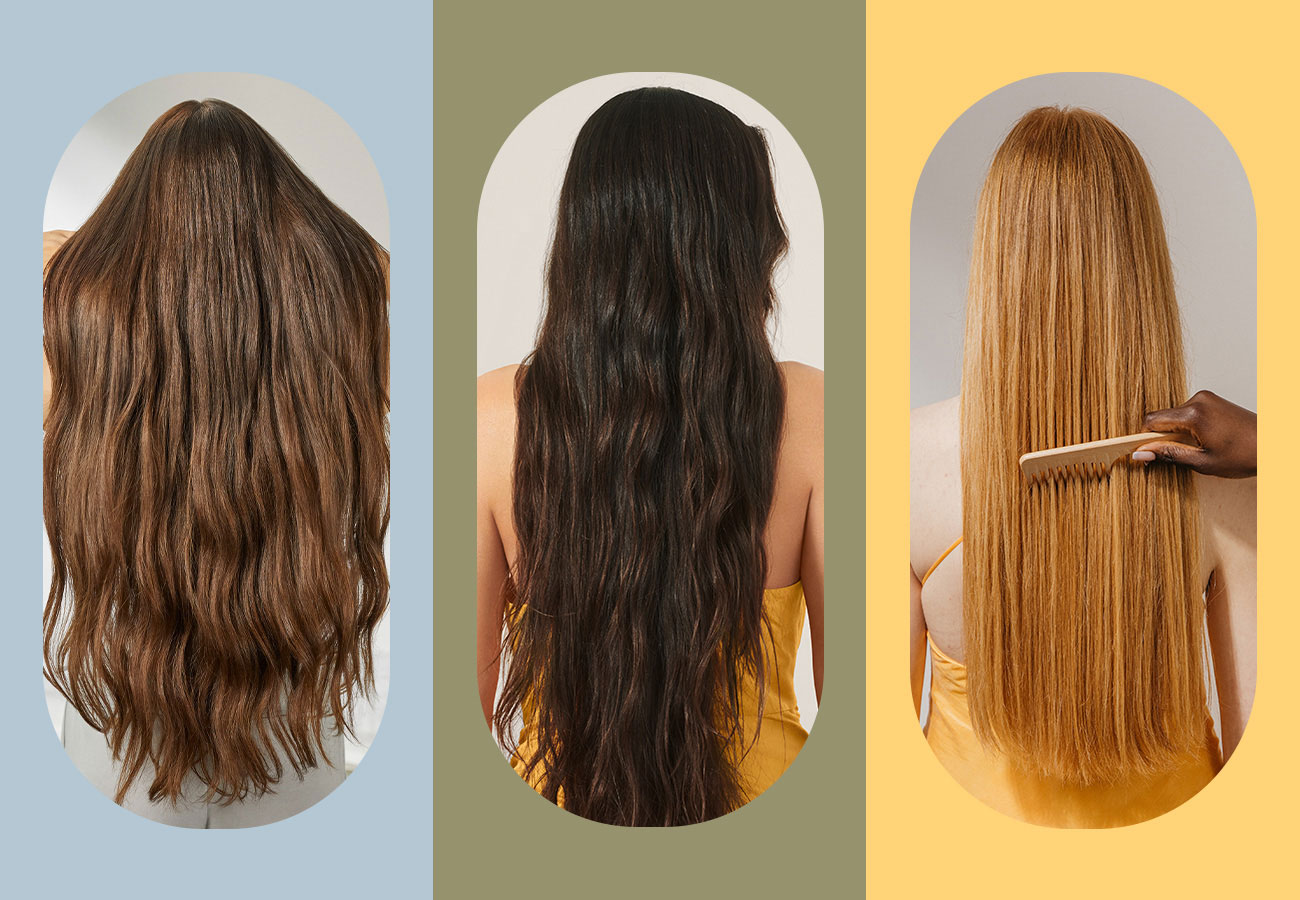
Discover the Most Popular Hair Extension Types and Application Techniques
As outlined by expert Rauchet, there are four primary types of hair extensions available on the market today. Although they all aim to deliver stunning, long, and voluminous hairstyles, each type varies significantly in application methods, texture, and durability. Understanding the nuances between these types will help you choose the best option for your hair goals. Below is an in-depth look at the four types of extensions, highlighting their unique characteristics and benefits.
1. Experience the Versatility of Tape-In Hair Extensions
Tape-in hair extensions are ideal for individuals with normal to thick hair textures, creating a stunning cascading effect. These extensions are reusable up to three times, making them a cost-effective option. “This application method is perfect for those who may need to refresh their hair color during that time,” explains Rauchut. The application process is relatively quick, taking about one to two hours for removal and reapplication. Once applied, these extensions can be worn for an impressive six to eight weeks, providing a long-lasting solution for those seeking added length and volume.
2. Effortless Style with Clip-In Hair Extensions
Clip-in hair extensions stand out for their user-friendly design, allowing for easy application at home in just a few minutes. They can be removed at any time, offering a flexible styling option with minimal damage, as there are no harsh chemicals involved in securing the extensions. Ideal for a variety of hair types, these extensions can be washed after approximately 15 wears. This versatility makes clip-ins an attractive choice for those who enjoy experimenting with different looks without a long-term commitment.
3. Quick Transformation with Flip-In Hair Extensions
Flip-in hair extensions provide a simple and flexible way to alter your hairstyle quickly. These extensions utilize an invisible wire that sits comfortably at the crown of the head. To conceal the wire, the wearer pulls their natural hair over the top of the hairpiece. Unlike other extension types, there are no tapes or clips involved, making them an ideal choice for individuals who want to enhance their look temporarily. However, since they may not be as secure as other options, wearers might need to make occasional adjustments throughout the day to maintain a flawless appearance.
4. Flexible Styling with Bonded Hair Extensions
Also referred to as keratin bond extensions, bonded hair extensions offer remarkable flexibility at the roots, making them suitable for clients who frequently style their hair or wear low ponytails. “This method allows for a lot of creative styling options,” notes Rauchut. The application process can be time-consuming, taking around three to six hours, but the results are worth it. These extensions are particularly beneficial for individuals with fine hair and can last between two to four months, providing a long-term enhancement to your hair.
5. Low-Maintenance Halo Hair Extensions for Effortless Style
Halo hair extensions are the perfect solution for those seeking a no-fuss approach to hair enhancements. These extensions feature a single weft of hair strands sewn onto a super-thin cloth strip, secured by a barely visible thread that follows the natural curve of your head. “This option is ideal for those curious about extensions but not ready for a permanent commitment,” explains Rauchet. With a lifespan of three to five years, halo hair extensions can be installed in just two to three hours, making them an excellent choice for newcomers to hair extensions.
6. Innovative Micro-Link Hair Extensions for a Natural Look
Micro-link hair extensions, also known as micro-bead or micro-loop extensions, are applied by threading small sections of natural hair through tiny silicone-lined beads. A specialized tool is then used to secure the extension strand to the hair. This versatile application method takes approximately two to four hours, offering a heat- and glue-free alternative. However, caution is advised, especially for individuals with finer hair, as the tight pulling during the application can potentially lead to scalp discomfort or damage.
7. Secure Volume with Sew-In Hair Extensions
Sew-in hair extensions are best suited for thicker or coarser hair types. This method involves braiding the natural hair into cornrows, then sewing extension strands into each braid using a needle and thread. These extensions can also be applied in wig form, making them a versatile choice. Sew-in extensions effectively add both volume and length, but they do exert significant tension on the scalp, which can be uncomfortable and may lead to hair breakage if not applied properly. It is recommended that these extensions be maintained by a professional, with moisturizing treatments applied weekly and removal every six to eight weeks.
Understanding the Cost: Most Expensive vs. Most Affordable Hair Extensions
The price of hair extensions can vary significantly based on the type you choose. Bonded hair extensions, also known as keratin bond extensions, tend to be the most expensive option, with costs starting around $2000 for application. “This method allows for a wide range of transformations,” says Rauchut. The invisibility and customizability of keratin bonds make them suitable for various needs, whether it’s adding length, volume, or filling in sparse areas.
On the other hand, halo hair extensions are typically the most budget-friendly choice, with applications starting at approximately $200. Additionally, more affordable options can often be found online. “This is a simple piece to install yourself,” explains the professional stylist. “I highly recommend this method for those who want to elevate their look without a complicated process. It’s perfect for first-time users or anyone looking to enhance their style on a budget.”
Essential Care Tips for Maintaining Your Hair Extensions
Proper care is crucial for ensuring your hair extensions remain vibrant and healthy over time. Just like your natural hair, extensions require regular maintenance to extend their lifespan. A general rule of thumb for all types of hair extensions is to keep them dry after washing. This is particularly important for non-removable extensions, which should be brushed starting from the ends to avoid tugging and breakage during detangling. Additionally, it’s advisable to avoid exposing your extensions to chlorine and saltwater, as these elements can cause significant damage.
When it comes to drying your bonded or taped-in extensions, air-drying is not recommended. Instead, gently blot your hair dry with a microfiber towel or use a blow dryer on a low heat setting. “Skipping this step could compromise the longevity of the bonds and tape,” warns Rauchut. It’s essential to keep your hair from being overly wet to maintain the integrity of the extensions.
Furthermore, be cautious when using styling tools. It’s best to avoid applying heat near the roots of your extensions. “Everything from the earlobe down is safe,” she advises, highlighting that this region can withstand heat without risking damage. Should you experience any adverse effects on your natural hair from wearing extensions, there are effective steps you can take to address any damage.
Insight into the Production of Hair Extensions
The manufacturing process for hair extensions varies based on the type. While clip-ins, wefts, and halos may be either hand-tied or machine-made, human hair extensions—preferred by Rauchut—are meticulously sorted. Before hair is cut from an individual’s head, it is thoroughly cleaned. The hair is then pulled back into a tight ponytail and cut cleanly at the nape. Following this, the hair undergoes sterilization and color treatment before it is distributed for use as extensions.
Interestingly, the majority of human hair used for extensions is sourced from countries like India and China. Even extensions labeled as Brazilian often contain a percentage of hair that originates from China, highlighting the global nature of the hair extension industry.
Identifying the Best Hair Extensions for Your Needs
The term “best hair extensions” is subjective and hinges on your specific goals and maintenance preferences. Nevertheless, Rauchet offers a clear favorite. “Personally, I favor keratin bond extensions,” she states. “The bonds are nearly undetectable, providing a seamless and natural look.” This preference underscores the importance of selecting extensions that align with your desired aesthetic and practical requirements.
Enhance Your Hair Health with Prose Haircare
No matter which type of hair extensions you opt for, investing in high-quality haircare products and supplements is essential for promoting healthy hair growth. Consider taking the Prose consultation to create a customized haircare formula tailored to your unique needs. Choose from an array of custom shampoos, conditioners, and styling gels designed to nurture and maintain the health of your hair.
