


Dealing with a dry scalp can be an incredibly irritating journey, often resulting in symptoms like itchiness, flakiness, and overall discomfort. This prevalent issue requires thoughtful strategies to prevent further irritation and promote optimal scalp health. A key factor in managing a dry scalp effectively is finding the right shampooing frequency. This choice can greatly influence the overall condition of both your scalp and hair. In this article, we will examine the critical importance of selecting an appropriate shampooing routine and how integrating 100% PURE’s naturally formulated shampoos can redefine your scalp and hair care regimen.
Identifying Common Causes of Dry Scalp
Experiencing a dry scalp can be both uncomfortable and socially distressing. Symptoms such as itchiness, flaking, and irritation can interfere with daily activities. To manage and treat this condition effectively, it is essential to understand its underlying causes. Factors ranging from environmental influences and dietary choices to the types of hair care products used can all contribute to the moisture imbalance in the scalp. Identifying these causes empowers you to adopt effective strategies to restore your scalp’s health.
Impact of Weather Conditions on Scalp Health:
One of the primary factors leading to a dry scalp is the impact of weather changes. Exposure to severe weather conditions, especially cold and dry climates, can rob the scalp of its natural oils, resulting in dehydration and heightened sensitivity. Additionally, excessive heat from indoor heating systems or prolonged exposure to the sun can worsen the condition, leading to persistent discomfort that affects daily life.
The Role of Diet in Scalp Health:
Surprisingly, your diet can significantly influence the condition of your scalp. A lack of essential nutrients, particularly vitamins and minerals, can contribute to dryness. Deficiencies in omega-3 fatty acids, along with vitamins A and E, have been strongly linked to dry scalp issues. To boost scalp health, incorporate a variety of nutrient-rich foods such as fatty fish, nuts, seeds, and leafy greens into your meals, providing your scalp with the nourishment it needs from the inside out.
Water Quality and Its Effects on Scalp:
The quality of the water you use for washing your hair can also have a profound effect on scalp health. Hard water, characterized by high levels of minerals like calcium and magnesium, can leave behind mineral deposits that accumulate on the scalp over time, leading to dryness and irritation. Using a water softener or a clarifying shampoo can effectively help eliminate these residues, preventing further damage and maintaining a healthy scalp.
Choosing the Right Hair Care Products:
The hair care products you select, including shampoos, conditioners, and styling products, can significantly impact the state of your scalp. Many commercial hair products contain harsh detergents and chemicals that strip the scalp of its natural oils, exacerbating dryness and irritation. It is advisable to choose gentle, sulfate-free formulas specifically designed for dry or sensitive scalps, which help maintain moisture levels without causing further harm.
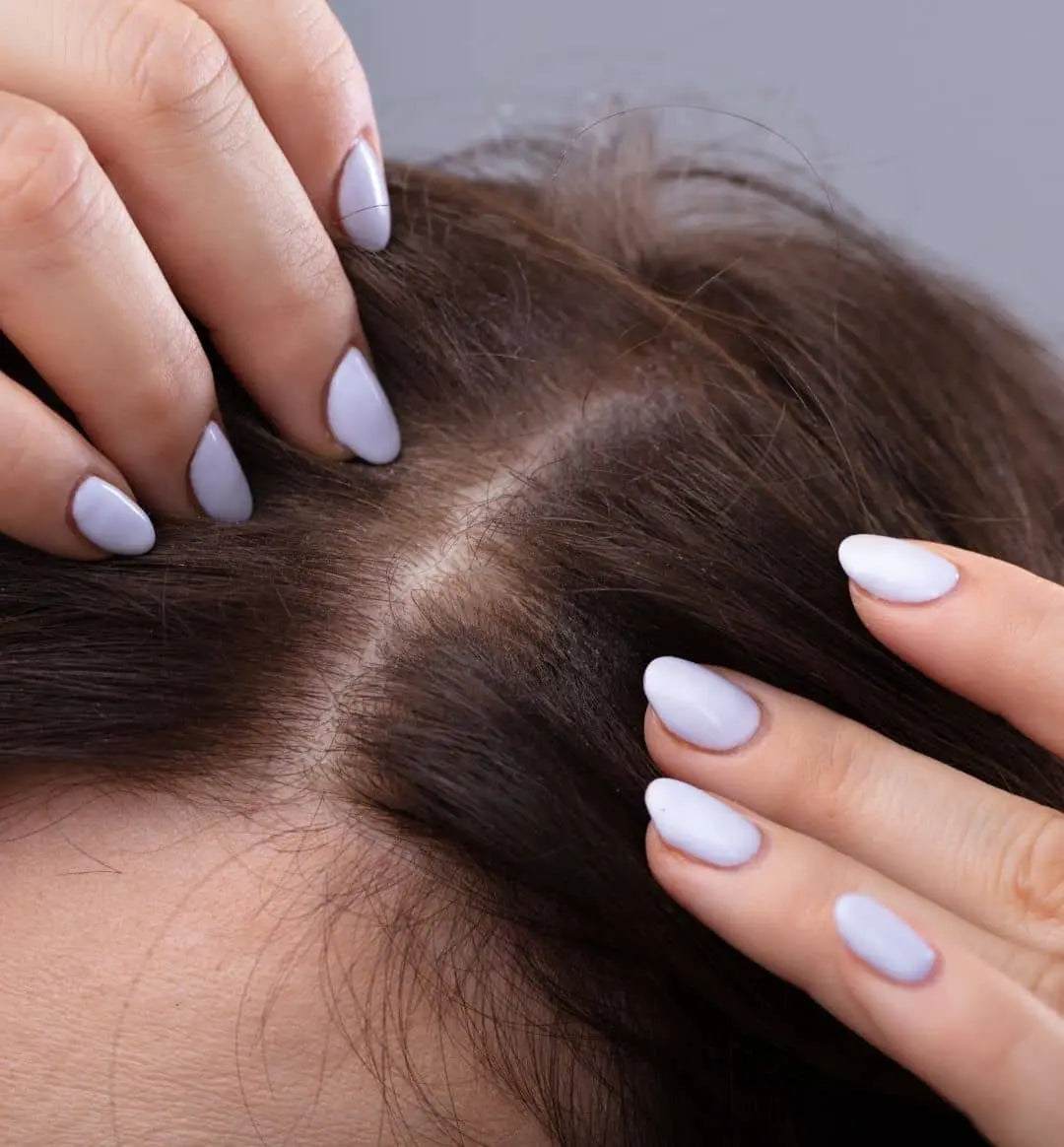
Determining the Optimal Shampooing Frequency for Dry Scalp
Living with a dry scalp can be both uncomfortable and disheartening, with issues ranging from itching to flaking that can undermine your self-esteem. A frequent question that arises is: how often should one shampoo to effectively manage a dry scalp? Finding that sweet spot is essential for keeping your scalp healthy while ensuring your hair maintains its vitality.
The Critical Role of Shampooing Frequency
Shampooing serves the vital function of cleansing the scalp and hair, removing dirt, oil, and product buildup. However, over-frequent shampooing can strip the scalp of its natural oils, worsening dryness and irritation. For those with a dry scalp, it’s essential to strike a balance between achieving cleanliness and preserving the scalp’s natural moisture. Understanding this delicate balance can lead to improved scalp health and comfort.
Advantages of Reducing Shampooing Frequency
Opting to shampoo less frequently can yield numerous benefits for individuals dealing with a dry scalp:
-
Preservation of Natural Oils: The scalp generates natural oils, known as sebum, which provide essential moisture and protection to both the scalp and hair. By reducing the frequency of shampooing, you allow these oils to distribute more evenly, effectively nourishing and hydrating the scalp.
-
Minimized Moisture Stripping: Less frequent shampooing means that the scalp retains more of its natural moisture, allowing for improved hydration and overall scalp health.
-
Enhanced Scalp Health: By allowing the scalp’s natural ecosystem to flourish, you can promote better overall scalp health, helping to balance oil production, reduce inflammation, and minimize sensitivity.
Guidelines for Optimal Shampooing Frequency
While the ideal shampooing frequency can vary based on individual factors like hair type, lifestyle, and environmental influences, a general guideline for those with dry scalps is to shampoo less often:
Every Other Day or Every Few Days: Rather than shampooing daily, consider washing your hair every other day or every few days. This approach provides ample time for natural oils to nourish the scalp while preventing excessive buildup.
Opt for Gentle, Moisturizing Shampoos: Choose sulfate-free, moisturizing shampoos that are specifically formulated for dry scalps. These products cleanse the scalp without stripping away essential moisture, thereby supporting scalp health.
Pay Attention to Your Scalp: Be mindful of how your scalp responds to your current shampooing routine. If you experience increased dryness, itching, or flaking, it may indicate that you should reduce your shampooing frequency or switch to a gentler product.
Making Adjustments to Shampooing Frequency
There are occasions when adjusting your shampooing frequency may be necessary due to lifestyle or environmental changes:
Activity Level and Sweating: If you lead an active lifestyle and tend to sweat frequently, you may require more frequent shampooing to remove sweat and buildup from the scalp. In such cases, consider rinsing your hair with water between shampoos to refresh the scalp without over-washing.
Environmental Influences: Factors such as humidity, pollution, and exposure to hard water can impact the health of your scalp. In dry or polluted environments, you might find it beneficial to shampoo less frequently to prevent exacerbating dryness.
Regular Use of Hair Products: If you regularly use styling products, they can accumulate on the scalp and contribute to buildup and irritation. Consider incorporating a clarifying shampoo occasionally to eliminate residue, but be cautious not to overuse it, as clarifying shampoos can also lead to dryness.
Selecting the Best Shampoo for Managing Dry Scalp
When tackling the issue of a dry scalp, the first step is often selecting an appropriate shampoo. The importance of this choice cannot be understated, as the right shampoo can provide essential relief and nourishment to your scalp. Opting for a shampoo specifically designed for dry scalp concerns is crucial for achieving a healthier, more comfortable scalp.
Seek Hydrating and Soothing Ingredients
The secret to addressing a dry scalp lies in choosing a shampoo loaded with hydrating and soothing ingredients. These components work synergistically to replenish moisture, calm irritation, and restore balance to the scalp. Look for shampoos enriched with ingredients such as coconut oil, honey, neem, and burdock, which are known for their exceptional moisturizing and calming properties.
Top Recommended Shampoos for Dry Scalp
When it comes to selecting an ideal shampoo for a dry scalp, several standout options are worth considering:
Honey & Virgin Coconut Restorative Shampoo
This restorative shampoo from 100% PURE is a true game-changer for anyone struggling with dry scalp issues. Infused with the goodness of honey and virgin coconut oil, it delivers intense moisture to thirsty scalps, leaving them feeling revitalized and nourished. For optimal hydration, pair it with the Honey & Virgin Coconut Restorative Conditioner.
Moisture Drench Shampoo
Formulated with a blend of coconut oil and seaweed collagen, the Moisture Drench Shampoo stands out as an excellent choice for combating dry scalp concerns. It hydrates and strengthens the scalp while promoting overall scalp health. For best results, complement it with the Moisture Drench Conditioner or pair it with the Honey & Virgin Coconut Conditioner for an extra boost of moisture.
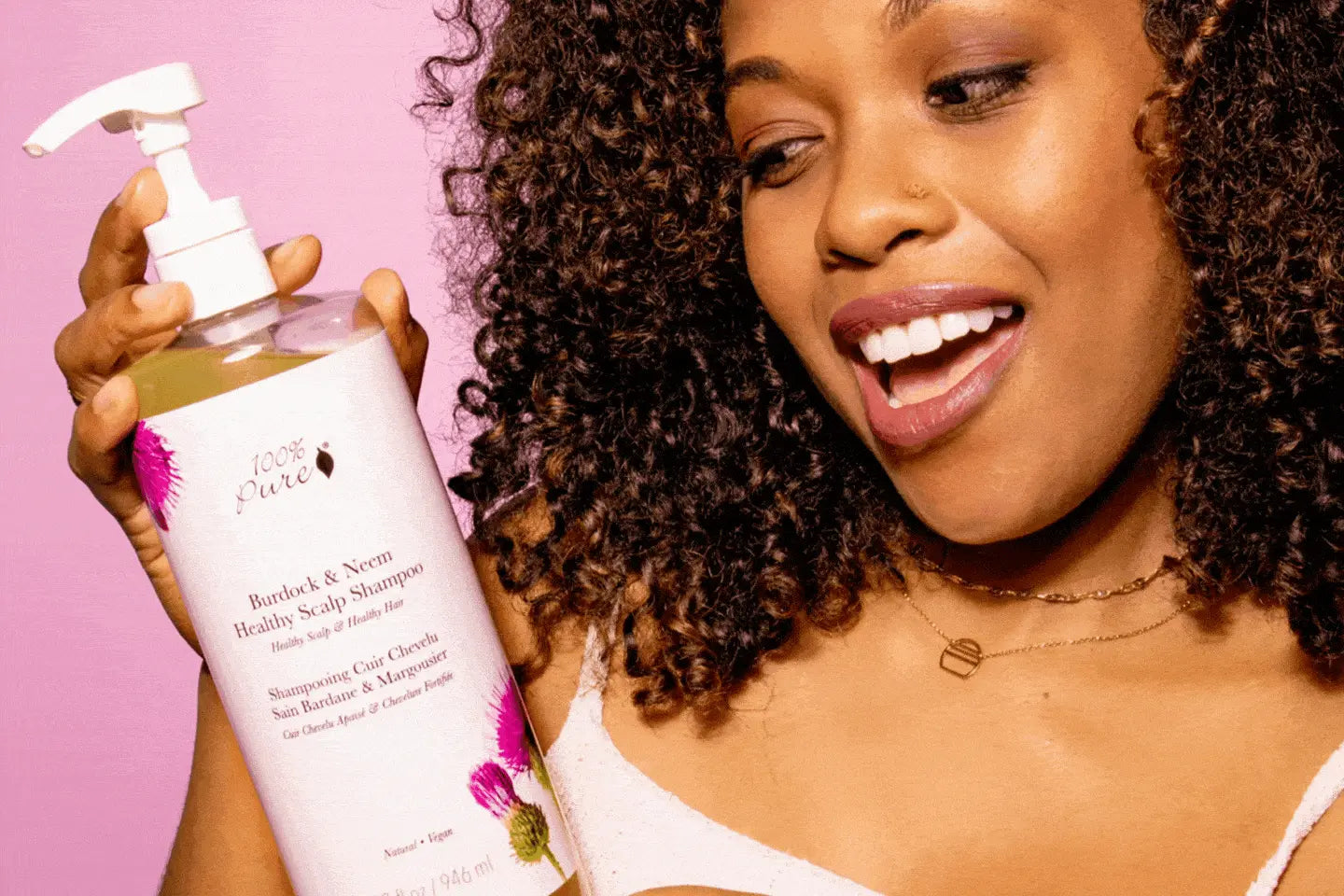
Burdock & Neem Healthy Scalp Shampoo
For those dealing with both excess oiliness and dandruff along with a dry scalp, the Burdock & Neem Healthy Scalp Shampoo is an outstanding option. Enriched with the benefits of burdock and neem, this shampoo works to purify the scalp, manage oil production, and eliminate dandruff flakes while providing the much-needed moisture to dry areas. For optimal results, pair it with the Burdock & Neem Healthy Scalp Conditioner.
Essential Tips for Effective Shampooing and Scalp Care
Caring for your scalp is crucial for maintaining healthy hair and preventing dryness and irritation. Proper shampooing techniques and scalp care practices can significantly improve dry scalp conditions. Here are some valuable tips to help you maintain a healthy scalp:
Use Lukewarm Water: When shampooing your hair, opt for lukewarm water instead of hot water. Hot water can strip away the scalp’s natural oils, leading to further dryness. Lukewarm water effectively cleanses your scalp without causing excessive dryness.
Select a Gentle Shampoo: Choose a shampoo specifically designed for dry scalps or free from harsh chemicals like sulfates and parabens. These harsh ingredients can be detrimental to the scalp, stripping it of its natural oils and worsening dryness. Look for shampoos with moisturizing ingredients like glycerin, shea butter, or coconut oil to hydrate and nourish your scalp.
Gently Massage Your Scalp: While shampooing, gently massage your scalp using your fingertips in circular motions. Avoid using your nails, as this can irritate the scalp and worsen dryness. Massaging your scalp stimulates blood circulation and aids in the distribution of natural oils, helping to maintain hydration and scalp health.
Thorough Rinsing: Make sure to thoroughly rinse both your hair and scalp after shampooing to eliminate any product residue. Leftover shampoo or buildup can weigh down your hair and contribute to scalp irritation. Use lukewarm water to rinse until the water runs clear, indicating that all impurities have been washed away.
Incorporate Conditioning Masks: Consider adding occasional conditioning masks to your hair care routine to provide extra hydration to your scalp. Look for masks specifically designed for dry or sensitive scalps, featuring ingredients like argan oil, avocado oil, or honey to moisturize and soothe.
Utilize Natural Oil Treatments: Natural oils such as coconut oil, jojoba oil, or olive oil can be very effective for treating a dry scalp. Gently massage a small amount of oil into your scalp and leave it on for at least 30 minutes before shampooing. These oils hydrate the scalp, reduce inflammation, and alleviate dryness.
Frequently Asked Questions about Managing a Dry Scalp
Can reducing my hair washing frequency improve my dry scalp condition?
Yes, washing your hair less frequently can significantly enhance a dry scalp. Over-washing strips the scalp of its natural oils, leading to increased dryness and irritation. By spacing out your shampooing sessions, you allow your scalp’s natural oils to replenish, helping to maintain moisture balance. However, it’s crucial to find the right shampooing frequency that aligns with your scalp type and lifestyle. Experimenting with different washing routines will help you discover what works best for you.
What ingredients are best for a dry scalp shampoo?
When selecting a shampoo for a dry scalp, look for gentle, moisturizing ingredients that nourish and hydrate the skin. Ingredients like coconut oil, argan oil, aloe vera, shea butter, and glycerin are excellent choices as they soothe and hydrate the scalp without stripping away natural oils. Additionally, avoid harsh chemicals such as sulfates and parabens, which can further dry out the scalp and exacerbate irritation.
How can I identify if my current shampoo is too harsh for my dry scalp?
Several signs may indicate that your current shampoo is too harsh for your dry scalp. Symptoms to watch for include increased itching, flakiness, redness, and an uncomfortable feeling of tightness after washing. If you experience any of these symptoms, it may be time to switch to a milder, more moisturizing shampoo specifically formulated for dry scalp relief.
Are there natural remedies to soothe a dry scalp?
Absolutely, there are numerous natural remedies that can effectively soothe a dry scalp. Regular scalp massages with nourishing oils such as coconut oil, olive oil, or jojoba oil can provide hydration and improve circulation, promoting healthier hair growth. Additionally, incorporating ingredients like apple cider vinegar, aloe vera, and honey into your hair care routine can help alleviate irritation and restore moisture balance.
Should I modify my hair care routine with changing seasons if I have a dry scalp?
Yes, adjusting your hair care routine with seasonal changes is advisable if you have a dry scalp. During the colder months, the air tends to be drier, which can worsen scalp dryness. It’s beneficial to use a more moisturizing shampoo and conditioner during this time and incorporate deep conditioning treatments into your routine. In the summer, increased sweating and oil production may necessitate more frequent shampooing. Experiment with various products and routines to identify what works best for your scalp throughout the year.
Personalized Approach to Managing Dry Scalp
Successfully managing a dry scalp requires a tailored approach that considers your unique hair and scalp needs. Understanding the various factors contributing to dryness, including environmental conditions, hair care routines, and any underlying health issues, is essential in determining the best shampooing frequency for you.
As highlighted, over-shampooing can strip the scalp of its natural oils, worsening dryness, while infrequent washing can lead to product buildup and irritation. Striking the right balance is crucial, often necessitating some experimentation to find the most suitable routine for your scalp.
We have explored the numerous benefits of using gentle, natural hair care products, such as those offered by 100% PURE. Their range of products is expertly formulated to relieve dry scalp conditions without the use of harsh chemicals or synthetic fragrances.
Ultimately, the journey to effectively managing a dry scalp involves listening to your hair and scalp, adapting your regimen as needed, and discovering products that provide nourishment and hydration. By adopting a thoughtful and proactive approach to your hair care, you can achieve a healthier and more balanced scalp and hair.
var windowWidth,lazyLink,lazyImages,lazySource,lazyBackground,lazyIframe,lazyScripts,navigator_platform,lazyLoadedJS,src,style,datasrc,urls,analytics,s,x,i,j,flag;
function init(){flag&&(flag=0,load_all_js(),lazyLoadImg(),lazyLoadBackground(),lazyLoadIframe(),lazyLoadSource())}
function isElementInViewport
var a=t.getBoundingClientRect();
return a.top>=0&&a.left>=0&&a.bottom<=(window.innerHeight||document.documentElement.clientHeight)&&a.right<=(window.innerWidth||document.documentElement.clientWidth)
}
function insertAfter(newNode, referenceNode) {
referenceNode.parentNode.insertBefore(newNode, referenceNode.nextSibling);
}
function isElementInView
var a=t.getBoundingClientRect();
return a.top(window.innerHeight/2||document.documentElement.clientHeight/2)
}
function lazyLoadLink(){
lazyLink.forEach(function
t.href=null==t.dataset.href?t.href:t.dataset.href
})
}
function lazyLoadImg(){
lazyImages.forEach(function
null!=(src=windowWidth<600?null==t.dataset.mobsrc?t.dataset.src:t.dataset.mobsrc:t.dataset.src)&&(t.src=src),t.classList.remove("lazy2")
})
}
function lazyLoadImg2(){
lazyImages.forEach(function
isElementInViewport
})
}
function lazyLoadSource(){
lazySource.forEach(function
t.srcset=null==t.dataset.srcset?t.srcset:t.dataset.srcset
})
}
function lazyLoadBackground(){
lazyBackground.forEach(function
lazybg=windowWidth<768?null==t.dataset.mobstyle?t.dataset.style:t.dataset.mobstyle:t.dataset.style,null!=lazybg&&(t.style=lazybg),t.classList.remove("lazybg")
})
}
function lazyLoadIframe(){
lazyIframe.forEach(function
t.src=null==t.dataset.src?t.src:t.dataset.src
})
}
function lazyLoadScripts(){
j!=lazyScripts.length&&("lazyload2"==lazyScripts[j].getAttribute("type")?(lazyScripts[j].setAttribute("type","lazyloaded"),void 0!==lazyScripts[j].dataset.src?((s=document.createElement("script")).src=lazyScripts[j].dataset.src,document.body.appendChild(s),s.onload=function(){j++,lazyLoadScripts()}):((s=document.createElement("script")).innerHTML=lazyScripts[j].innerHTML,document.body.appendChild(s),j++,lazyLoadScripts())):(j++,lazyLoadScripts()))
}
function lazyLoadCss
(s=document.createElement("link")).rel="stylesheet",s.href=t,document.getElementsByTagName("head")[0].appendChild(s)
}
function lazyLoadJS
if(lazyLoadedJS)return setTimeout(function(){lazyLoadJS
}
function wnwAnalytics() {
var script2 = document.querySelectorAll(".analytics");
script2.forEach(function(analyticsScript) {
trekkie.integrations=false;
s = document.createElement("script");
s.innerHTML = analyticsScript.innerHTML;
insertAfter(s, analyticsScript);
analyticsScript.parentNode.removeChild(analyticsScript);
});
}
document.addEventListener("DOMContentLoaded",function(){windowWidth=screen.width,lazyLink=document.querySelectorAll("link"),lazyImages=document.querySelectorAll("img.lazy2"),nolazyImages=document.querySelectorAll("img.lazy"),lazyBackground=document.querySelectorAll(".lazybg"),lazyIframe=document.querySelectorAll("iframe"),lazySource=document.querySelectorAll("source"),lazyScripts=document.getElementsByTagName("script"),navigator_platform=navigator.platform,i=0,j=0,flag=1,window.addEventListener("scroll",function(){init()}),window.addEventListener("mousemove",function(){init()}),window.addEventListener("touchstart",function(){init()}),"Linux x86_64"!=navigator_platform&&init(),setTimeout(function(){init()},60000)});
function load_all_js() {
// console.log("Yes-optimization");
lazyLink=document.querySelectorAll("link");
lazyLoadLink();
/*
lazyLoadJS("storefront-a2d444786d996da5634fbbaeeffe6104ee672440dfa6cdcaebfb27dceaaf9c0f.js?v=20220906");
lazyLoadJS("analytics.js");
lazyLoadJS("consent-tracking-api.js");
lazyLoadJS("features-1c0b396bd4d054b94abae1eb6a1bd6ba47beb35525c57a217c77a862ff06d83f.js");
lazyLoadJS("zendesk-embeddable.js?579967&shop
