


In recent years, the beauty industry has undergone a significant transformation, reflecting the increasing awareness among consumers regarding sustainability. This shift is not merely about the formulation of skincare and beauty products; rather, it represents a comprehensive movement towards eco-friendliness that influences every facet of the industry, including packaging. The urgency for sustainable practices has reached an all-time high, with consumers actively pursuing brands that not only guarantee clean ingredients but also showcase their dedication to environmental stewardship through eco-friendly packaging. This growing trend is shaping the future of beauty, encouraging brands to adopt more responsible practices.
This escalating demand signifies a pivotal moment in the clean beauty movement. It is no longer adequate for products to simply exclude harmful chemicals; the packaging itself has emerged as a vital aspect of a brand’s ecological footprint. Conventional beauty packaging, frequently dominated by single-use plastics and non-recyclable materials, is being scrutinized through the sustainability lens. In response, the industry is innovating at a rapid pace, investigating biodegradable materials, refillable containers, and minimalist designs that minimize waste while preserving the consumer experience and product integrity. This proactive approach is a testament to the industry’s commitment to a greener future.
Eco-friendly packaging transcends being a mere trend—it’s a manifestation of the clean beauty industry’s broader philosophy of harm reduction, addressing not only human health but also the wellbeing of our planet. As we find ourselves at this crucial juncture, the transition towards sustainable packaging symbolizes the industry’s recognition that true beauty extends beyond superficial appearances; it encompasses the creation of a positive impact that resonates beyond our bathroom vanities. Seen from this perspective, clean beauty is embracing a greener path, signaling a future where beauty and environmental responsibility coexist harmoniously, paving the way for a more sustainable world.
Embrace the Green Packaging Revolution
In the realm of beauty and personal care, a monumental shift is taking place, signaling a new era where sustainability is not merely an option but a necessity. Clean beauty brands, renowned for their innovative and ethical practices, are at the forefront of what can be aptly described as the Green Packaging Revolution. This movement encompasses more than just waste reduction; it represents a thorough reimagining of how beauty products are presented, preserved, and delivered to consumers, with a focus on minimizing environmental impact at every stage of the packaging process.
The initial wave of this revolution is characterized by the rise of biodegradable containers. Shifting away from the traditional reliance on plastics, which can persist in our environment for centuries, clean beauty brands are now embracing materials that nature can reclaim. From bamboo and sugarcane to innovative mushroom packaging, these natural materials decompose over time, reintegrating into the earth with minimal trace. This approach not only resonates with the clean beauty ethos—fostering harmony with nature—but also establishes a new benchmark for environmental responsibility throughout the industry.
In parallel with the adoption of biodegradable materials, we are witnessing the emergence of refillable systems. These systems challenge the prevalent single-use culture in the beauty industry by providing consumers with options to replenish their favorite products without discarding the container. Whether through in-store refill stations or at-home refill pouches crafted from recyclable materials, these systems embody the principles of circular beauty. They extend the lifecycle of packaging while significantly reducing waste, aligning seamlessly with the clean beauty commitment to environmental stewardship and sustainable living practices.
The integration of sustainable packaging solutions is just one facet of the broader initiative to diminish the environmental impact of beauty products. Clean beauty brands are scrutinizing every element of their supply chain, from sustainably sourcing ingredients to optimizing manufacturing processes to minimize environmental repercussions. The transition towards green packaging is complemented by a commitment to transparency, enabling consumers to comprehend the lifecycle of their products and the sustainability initiatives driving their production.
By pioneering these sustainable packaging innovations, clean beauty brands are not only mitigating their environmental footprint but also establishing a new standard for the industry as a whole. They are demonstrating that luxury, effectiveness, and sustainability can coexist, inspiring both consumers and other companies to reevaluate their own environmental impacts. The Green Packaging Revolution transcends mere trends; it serves as a powerful testament to the potential of ethical innovation and stands as a guiding light for the future of beauty. As this movement gathers steam, it sets the stage for a cleaner, greener planet, with clean beauty brands leading the way towards a more sustainable and environmentally conscious industry.
Discover Innovations in Sustainable Packaging
The journey towards sustainability within the clean beauty industry is marked by groundbreaking packaging solutions, with 100% PURE taking the lead. The brand’s commitment to the environment is prominently displayed through its use of eco-friendly materials such as recycled glass, bamboo, and post-consumer recycled plastic. In this section, we delve into these innovations, highlighting the benefits of each material and showcasing specific products that exemplify 100% PURE’s dedication to sustainable packaging.
Recycled Glass Packaging
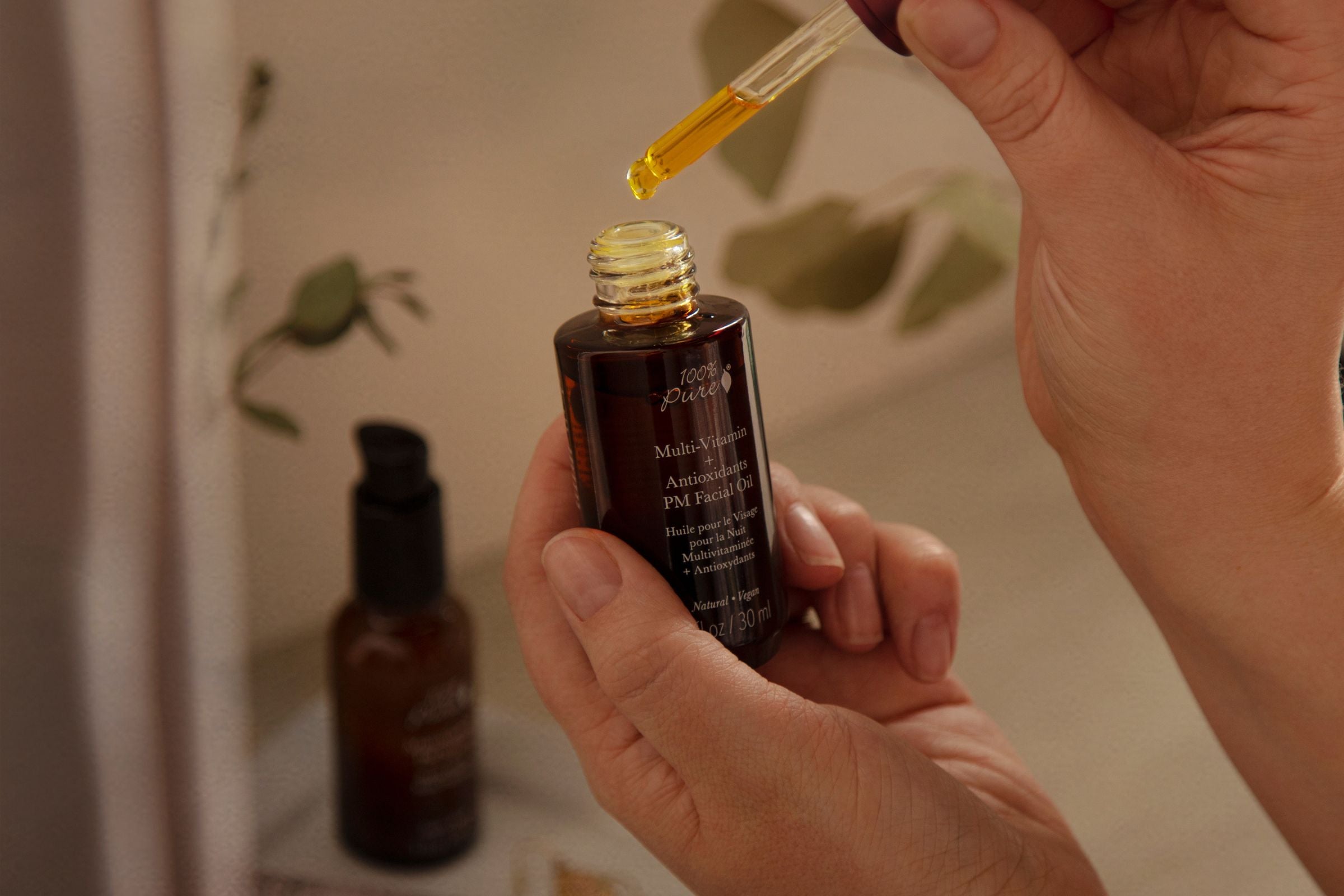
Recycled glass is celebrated for its capacity to be endlessly recyclable without sacrificing purity or quality. This choice reflects a commitment to conserving raw materials while reducing both energy consumption and greenhouse gas emissions. For example, products like the Multi-Vitamin + Antioxidants Potent PM Serum are encased in recycled glass containers, showcasing how 100% PURE integrates sustainability into its product design without compromising on quality or aesthetics.
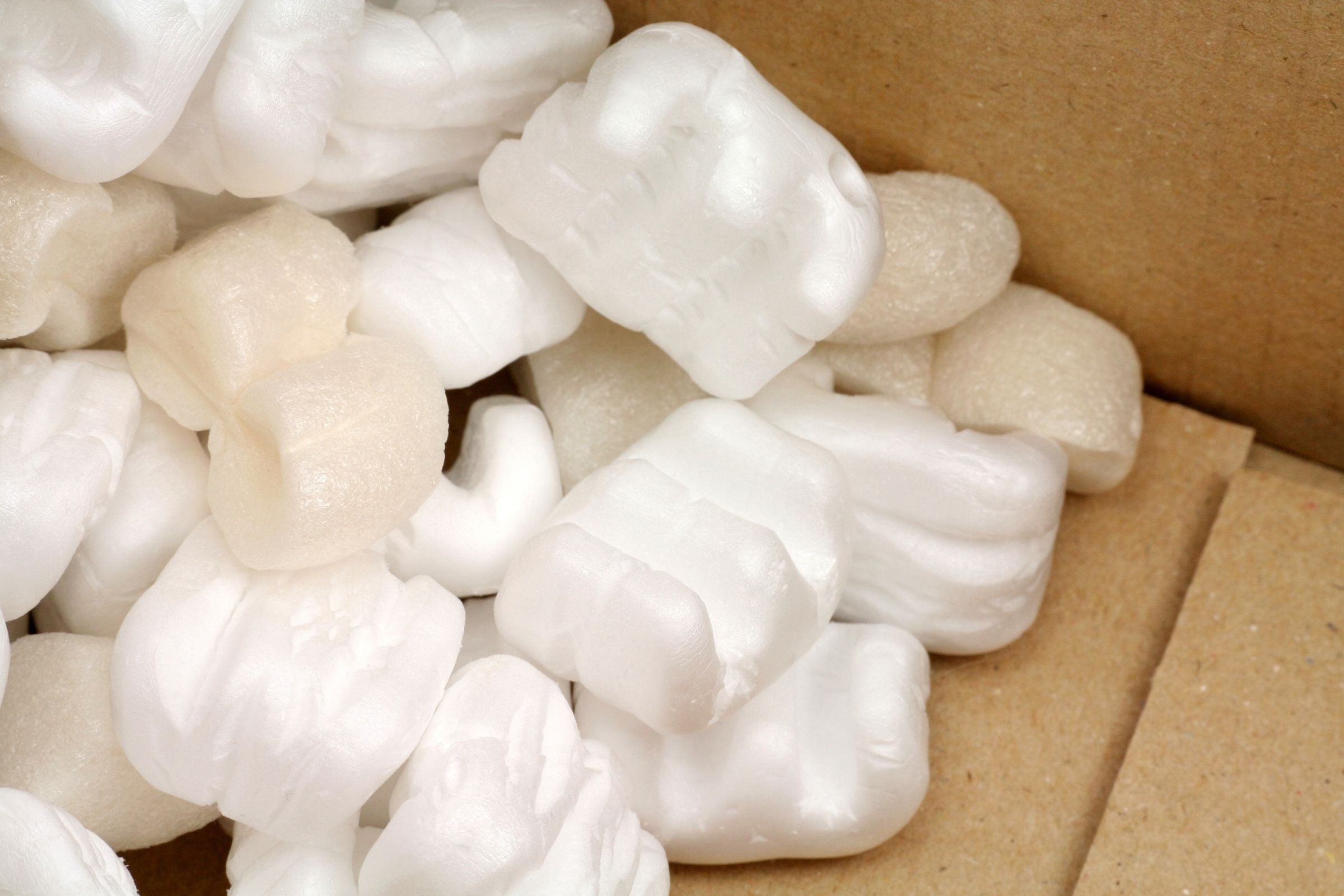
Transitioning from Non-Sustainable Packing Peanuts
In recognition of the environmental challenges posed by conventional packing peanuts, we have phased them out in favor of more sustainable alternatives. Our commitment to eliminating such materials emphasizes our dedication to not just meeting but establishing higher standards in sustainable practices across the industry.
Utilizing Post-Consumer Recycled Plastic
The adoption of post-consumer recycled (PCR) plastic represents a substantial advancement towards sustainability. By incorporating PCR plastic, clean beauty brands effectively help to keep waste out of landfills and oceans, minimize the production of new plastics, and bolster the recycling industry. Products like the Watermelon + Cucumber Hydration Kit, packaged in PCR plastic, exemplify 100% PURE’s dedication to environmental stewardship while providing consumers with eco-conscious beauty solutions.
Highlighting 100% PURE’s Pre-cycling Initiatives
The innovative approach of 100% PURE towards sustainability extends beyond conventional recycling, embracing pre-cycling to mitigate waste before it is even created. This strategy includes repurposing unused surplus packaging, highlighting the brand’s proactive approach to minimizing environmental impact. Examples of products benefiting from these initiatives include:
Understanding the Importance of Sustainable Packaging
In the beauty industry, the shift towards eco-friendly packaging goes beyond mere aesthetic considerations, marking a vital step in tackling environmental challenges on a global scale. The significance of sustainable packaging surpasses superficial appearances, representing a steadfast commitment to combating pollution, reducing waste, and promoting a circular economy. This dedication is not just about making a statement; it is about facilitating a tangible difference in environmental preservation.
Combating Pollution: Conventional beauty packaging, often crafted from non-biodegradable plastics, significantly contributes to environmental pollution. These plastics can take centuries to decompose, releasing harmful chemicals into the soil and waterways and adversely affecting marine life and ecosystems. Eco-friendly packaging, in contrast, employs materials that are either biodegradable, compostable, or recyclable, thereby drastically reducing the pollution footprint of the products we utilize daily.
Minimizing Waste in Landfills: A considerable portion of waste accumulating in landfills stems from the beauty industry. By adopting eco-friendly packaging, brands can substantially curtail the volume of waste generated. Materials such as glass, metal, post-consumer recycled plastic, and even plant-based plastics offer sustainable alternatives that can be recycled, reused, or decompose more readily than traditional plastics, ensuring that products have a prolonged existence beyond their initial use.
Fostering a Circular Economy: The concept of a circular economy revolves around the reduction, reuse, and recycling of materials to create a closed-loop system, minimizing waste and the ongoing consumption of resources. Eco-friendly packaging is a fundamental element of this strategy within the beauty industry. By designing packaging that can be easily recycled or repurposed, or by implementing refillable containers, brands encourage consumers to engage in a system where products and materials are maintained in use for as long as possible. This not only mitigates environmental impacts but also stimulates innovation in packaging design and materials, paving the way for more sustainable production and consumption models.
The shift towards eco-friendly packaging within the beauty industry serves as a powerful indicator of the sector’s evolving awareness regarding its environmental responsibilities. It reflects a growing recognition that true beauty should not come at the expense of the earth. By committing to sustainable packaging practices, the beauty industry has the potential to play a pivotal role in mitigating environmental damage, conserving natural resources, and leading by example in the global endeavor towards a more sustainable future. This move towards green packaging not only aligns with the values of an environmentally conscious consumer base but also establishes a benchmark for other industries to emulate, demonstrating that sustainability and beauty can indeed coexist.
Frequently Asked Questions: Unpacking the Details
What constitutes sustainable packaging, and how does it differ from regular packaging?
Sustainable packaging is designed to minimize its environmental impact throughout its lifecycle, from production to disposal. Unlike regular packaging, which frequently relies on single-use plastics and non-recyclable materials, sustainable packaging utilizes materials that are biodegradable, recyclable, or sourced from renewable resources. This transition not only diminishes waste and pollution but also promotes a circular economy where materials are reused and recycled rather than discarded. Sustainable packaging often incorporates innovative materials like compostable bioplastics, recycled paper, or bamboo, prioritizing efficient design to optimize resource use.
Can sustainable packaging effectively protect and preserve beauty products like traditional packaging?
Absolutely, sustainable packaging can safeguard and preserve beauty products as effectively as traditional packaging. Advances in material science and design have given rise to eco-friendly packaging solutions that meet the same high standards for durability, moisture protection, and product integrity as conventional options. For example, specific biodegradable plastics and glass can provide excellent barrier properties against air and light, which are essential for maintaining the efficacy of skincare and beauty formulations.
How can consumers contribute to sustainability through their beauty product choices?
Consumers can actively contribute to sustainability by making informed choices and prioritizing products featuring eco-friendly packaging. Selecting brands that utilize recyclable, compostable, or refillable packaging can significantly reduce waste. Furthermore, supporting companies that adopt sustainable practices, such as utilizing renewable energy in production or participating in reforestation initiatives, amplifies the impact of consumer choices. Consumers should also look for certifications like FSC (Forest Stewardship Council) for paper products or symbols indicating recyclability. Embracing a minimalist approach by choosing multi-use products or options with minimal packaging can further enhance sustainability efforts.
Are there trade-offs associated with using sustainable packaging for beauty products?
While sustainable packaging offers numerous environmental advantages, there can be trade-offs to consider. For instance, the cost of pioneering eco-friendly materials may exceed that of traditional plastics, potentially leading to higher product prices. Additionally, some sustainable materials may not yet match the durability or lightweight characteristics of their conventional counterparts, impacting shipping costs and carbon footprints. Nevertheless, as technology advances and demand for sustainable options grows, these trade-offs are becoming less pronounced over time.
What future innovations can we anticipate in sustainable beauty packaging?
The future of sustainable beauty packaging appears promising and is likely to showcase even more innovative solutions. Progress in material science is expected to yield new biodegradable and compostable materials that provide enhanced performance and aesthetics. Refillable systems and zero-waste packaging are gaining traction, encouraging consumers to reuse containers. The potential rise of digital technologies, such as QR codes, may replace physical labels to reduce material usage. Furthermore, algae-based plastics and mycelium (fungus-based) packaging are on the horizon as biodegradable alternatives that could further revolutionize the industry. As sustainability continues to drive consumer demand and technological advancements, the beauty industry is poised to embrace a greener future enthusiastically.
Join the Movement for Sustainable Beauty
As we navigate the evolving landscape of the clean beauty industry, it becomes increasingly evident that the journey towards sustainability encompasses much more than just the formulations of the products themselves. Sustainable packaging has surfaced as a critical frontier in the quest to mitigate environmental impact and promote a healthier planet. The significance of eco-friendly packaging in shaping the future of clean beauty is profound; it represents a vital step in closing the waste loop, reducing dependence on non-renewable resources, and minimizing the carbon footprint of beauty products.
By actively supporting brands that prioritize eco-friendly packaging, consumers assume an influential role in driving the industry towards more sustainable practices. It constitutes an investment not only in the health of our skin but also in the well-being of our environment. Brands like 100% PURE™ are leading the charge, demonstrating that a commitment to sustainability can be seamlessly integrated into every aspect of beauty and skincare. From sourcing biodegradable materials to minimizing packaging waste and embracing recycling initiatives, 100% PURE™ stands at the forefront of innovating packaging solutions that align with the core values of clean beauty.
As we look ahead, let us champion the cause of eco-friendly packaging and support brands dedicated to creating a positive impact. The clean beauty industry is on the brink of a green revolution, ready to redefine beauty standards not only in terms of health and purity but also in sustainability. By choosing products with sustainable packaging, we contribute to a movement that values the health of our planet as much as our personal well-being. Let’s continue to advocate for change, embrace eco-friendly practices, and celebrate the brands making a difference. In doing so, we beautify ourselves and the world around us, laying the groundwork for a cleaner, greener future in beauty and beyond.
var windowWidth,lazyLink,lazyImages,lazySource,lazyBackground,lazyIframe,lazyScripts,navigator_platform,lazyLoadedJS,src,style,datasrc,urls,analytics,s,x,i,j,flag;
function init(){flag&&(flag=0,load_all_js(),lazyLoadImg(),lazyLoadBackground(),lazyLoadIframe(),lazyLoadSource())}
function isElementInViewport
var a=t.getBoundingClientRect();
return a.top>=0&&a.left>=0&&a.bottom<=(window.innerHeight||document.documentElement.clientHeight)&&a.right<=(window.innerWidth||document.documentElement.clientWidth)
}
function insertAfter(newNode, referenceNode) {
referenceNode.parentNode.insertBefore(newNode, referenceNode.nextSibling);
}
function isElementInView
var a=t.getBoundingClientRect();
return a.top(window.innerHeight/2||document.documentElement.clientHeight/2)
}
function lazyLoadLink(){
lazyLink.forEach(function
t.href=null==t.dataset.href?t.href:t.dataset.href
})
}
function lazyLoadImg(){
lazyImages.forEach(function
null!=(src=windowWidth<600?null==t.dataset.mobsrc?t.dataset.src:t.dataset.mobsrc:t.dataset.src)&&(t.src=src),t.classList.remove("lazy2")
})
}
function lazyLoadImg2(){
lazyImages.forEach(function
isElementInViewport
})
}
function lazyLoadSource(){
lazySource.forEach(function
t.srcset=null==t.dataset.srcset?t.srcset:t.dataset.srcset
})
}
function lazyLoadBackground(){
lazyBackground.forEach(function
lazybg=windowWidth<768?null==t.dataset.mobstyle?t.dataset.style:t.dataset.mobstyle:t.dataset.style,null!=lazybg&&(t.style=lazybg),t.classList.remove("lazybg")
})
}
function lazyLoadIframe(){
lazyIframe.forEach(function
t.src=null==t.dataset.src?t.src:t.dataset.src
})
}
function lazyLoadScripts(){
j!=lazyScripts.length&&("lazyload2"==lazyScripts[j].getAttribute("type")?(lazyScripts[j].setAttribute("type","lazyloaded"),void 0!==lazyScripts[j].dataset.src?((s=document.createElement("script")).src=lazyScripts[j].dataset.src,document.body.appendChild(s),s.onload=function(){j++,lazyLoadScripts()}):((s=document.createElement("script")).innerHTML=lazyScripts[j].innerHTML,document.body.appendChild(s),j++,lazyLoadScripts())):(j++,lazyLoadScripts()))
}
function lazyLoadCss
(s=document.createElement("link")).rel="stylesheet",s.href=t,document.getElementsByTagName("head")[0].appendChild(s)
}
function lazyLoadJS
if(lazyLoadedJS)return setTimeout(function(){lazyLoadJS
}
function wnwAnalytics() {
var script2 = document.querySelectorAll(".analytics");
script2.forEach(function(analyticsScript) {
trekkie.integrations=false;
s = document.createElement("script");
s.innerHTML = analyticsScript.innerHTML;
insertAfter(s, analyticsScript);
analyticsScript.parentNode.removeChild(analyticsScript);
});
}
document.addEventListener("DOMContentLoaded",function(){windowWidth=screen.width,lazyLink=document.querySelectorAll("link"),lazyImages=document.querySelectorAll("img.lazy2"),nolazyImages=document.querySelectorAll("img.lazy"),lazyBackground=document.querySelectorAll(".lazybg"),lazyIframe=document.querySelectorAll("iframe"),lazySource=document.querySelectorAll("source"),lazyScripts=document.getElementsByTagName("script"),navigator_platform=navigator.platform,i=0,j=0,flag=1,window.addEventListener("scroll",function(){init()}),window.addEventListener("mousemove",function(){init()}),window.addEventListener("touchstart",function(){init()}),"Linux x86_64"!=navigator_platform&&init(),setTimeout(function(){init()},60000)});
function load_all_js() {
// console.log("Yes-optimization");
lazyLink=document.querySelectorAll("link");
lazyLoadLink();
/*
lazyLoadJS("storefront-a2d444786d996da5634fbbaeeffe6104ee672440dfa6cdcaebfb27dceaaf9c0f.js?v=20220906");
lazyLoadJS("analytics.js");
lazyLoadJS("consent-tracking-api.js");
lazyLoadJS("features-1c0b396bd4d054b94abae1eb6a1bd6ba47beb35525c57a217c77a862ff06d83f.js");
lazyLoadJS("zendesk-embeddable.js?579967&shop=100-pure.myshopify.com");
lazyLoadJS("tracker.js/834c66d4-6a7e-46f8-b2d6-ad2dbf6148b9?shop=100-pure.myshopify.com&sp-cache-control=cHVibGljLCBtYXgtYWdlPTkwMA");
lazyLoadJS("https://www.googletagmanager.com/gtag/js?id=G-Y8JW71N16D");
lazyLoadJS("https://www.googletagmanager.com/gtag/destination?id=MC-JLCTZ19EPR&l=dataLayer&cx=c");
lazyLoadJS("https://cdn.shopify.com/extensions/511129cd-dcc8-46c9-8c6d-810b9b4fccf7/0.6.0/assets/selectFx.js");
lazyLoadJS("https://cdn.shopify.com/extensions/511129cd-dcc8-46c9-8c6d-810b9b4fccf7/0.6.0/assets/classie.js");
lazyLoadJS("https://cdn-stamped-io.azureedge.net/files/widget.min.js");
lazyLoadJS("https://acsbapp.com/apps/app/assets/js/acsb.js");
lazyLoadJS("https://acsbap.com/apps/app/assets/js/acsb.js");
lazyLoadJS("https://cdn.themesinfo.com/detector.js");
lazyLoadJS("https://acsbapp.com/apps/app/dist/js/app.js");
lazyLoadJS("https://sdk-static.loyaltylion.net/static/2/lion-app-integrated-87cd5d9.js");
lazyLoadJS("https://sdk-static.loyaltylion.net/static/2/643-d4c6b91.js");
lazyLoadJS("https://sdk-static.loyaltylion.net/static/2/lion-core-401d47e.js");
lazyLoadJS("https://sdk-static.loyaltylion.net/static/2/69-1e96e6a.js");
lazyLoad
