


While summer brings fun in the sun, it can also pose significant challenges for your hair. The combination of prolonged sun exposure, saltwater, late nights, and even shower-less camping trips can lead to significant damage by the time fall arrives. As we transition back into our regular routines—work, school, and everything in between—it’s crucial to restore and rejuvenate your hair’s health. This season, prioritizing the balance of your hair care regimen is essential for achieving vibrant and resilient locks.
The key focus now is on replenishment and restoration. We’re here to share our top-notch hair repair tips to help you regain that luscious, healthy mane!
Understanding Hair Damage from Summer Exposure
During the summer months, we often engage in numerous hair care practices that can leave our strands frizzy and porous by fall. From swimming in chlorinated pools to enduring the scorching sun, these actions can severely impact hair health.
It’s important to note that sun exposure is just as harmful to hair as it is to skin. The UV rays, coupled with extreme heat, strip hair of essential moisture and elasticity. Hair shafts are delicate structures consisting of proteins and oils; excessive sun exposure can lead to structural damage, making hair more porous and susceptible to frizz and breakage.
Moreover, UV damage to the scalp can become a serious concern after extensive exposure. Individuals with fine or short hair are particularly vulnerable to damage to their hair follicles during outdoor summer activities. This can significantly hinder healthy hair growth.
When the natural sebum on your scalp is depleted, it compromises the health of hair follicles, leading to reduced hair growth rates. This can manifest as thinning hair or even noticeable hair loss. To combat this, consider incorporating scalp-healing ingredients into your hair care routine, such as tea tree oil and rosemary extract. These natural botanicals can help restore balance to your scalp, reigniting healthy hair growth.
Have you ever lounged in the sun, hoping for some natural highlights? We’ve all been tempted to try the lemon juice trick, but this practice is incredibly damaging. The bleaching process raises the cuticles of each hair strand permanently, leading to an ongoing loss of moisture, even when using hydrating products. The takeaway? It’s time to ditch the sun-enhancing products!
Identifying the Most Damaging Summer Hair Care Practices
A variety of summer hair habits can inadvertently cause significant damage. Here are some of the most detrimental practices to be aware of:
Bleaching
As mentioned earlier, hair bleaching often involves harsh substances like lemon juice, bleach, or peroxide. This process not only causes permanent damage but also renders hair strands more susceptible to additional chemical exposure. Applying heat through blow dryers or curling irons can also exacerbate the damage to already bleached hair.
Sunburned Strands
Did you flat-iron or curl your hair before attending an outdoor event this past summer? If your hair endured excessive sun without protection, it’s likely brittle and damaged as fall approaches. While you might have been diligent about applying sunscreen to your skin, your hair likely received none of that necessary protection from the harsh sunlight.
Tangled Locks
Tangled hair often results from neglecting protective measures, such as wearing hats or headscarves in windy conditions. Just like your skin, your hair requires defense from the elements. In particularly blustery weather, it’s wise to cover your hair to shield it from tangling and damage until conditions improve.
Excessive Soaking
Extended exposure to chlorinated water, saltwater, or excessively hot tub water is detrimental to hair health. These activities strip away natural oils, leading to weakened strands and split ends. Chlorine, in particular, alters the natural color of your hair due to its harsh chemical nature, and it can damage the lipid barrier on your scalp, potentially resulting in hair loss after soaking in a pool.
Stay Updated: Subscribe to Our Newsletter
for the latest blog insights and special offers
Effective Strategies for Hair Repair This Fall
As you likely face dry and damaged hair cuticles during the fall, it’s an excellent time to be strategic about your shampoo routines. Over-washing can strip your hair of its natural oils, which may already be lacking due to summer sun and water damage. Aim for a shampoo routine of twice a week, but adjust according to your hair’s specific type and texture for optimal results.
If you’re looking to rejuvenate your hair follicles, consider using our Rosemary Grow Serum. This revitalizing serum contains an effective concentration of organic rosemary, clinically shown to rival prescription hair growth treatments. It awakens both dormant and active hair follicles, significantly enhancing hair volume. Expect to see noticeable improvements within 3-6 months with consistent use.
To combat damage while promoting shine, try our Argan Oil. Rich in vitamin E, phenols, carotenes, squalane, and essential fatty acids, this oil offers deep hydration, nourishment, and softening. This all-natural, cruelty-free elixir is perfect for use not only on your hair but also on your face, around the eyes, décolleté, and hands.
To nourish your hair daily, utilize our Multi-Vitamin Healthy Hair Shampoo and Multi-Vitamin Healthy Hair Conditioner. Our pH-balanced formula is designed for colored or chemically treated hair, ensuring safe nourishment without harmful toxins often found in hair care products. Enjoy healthier, more lustrous hair with every wash.
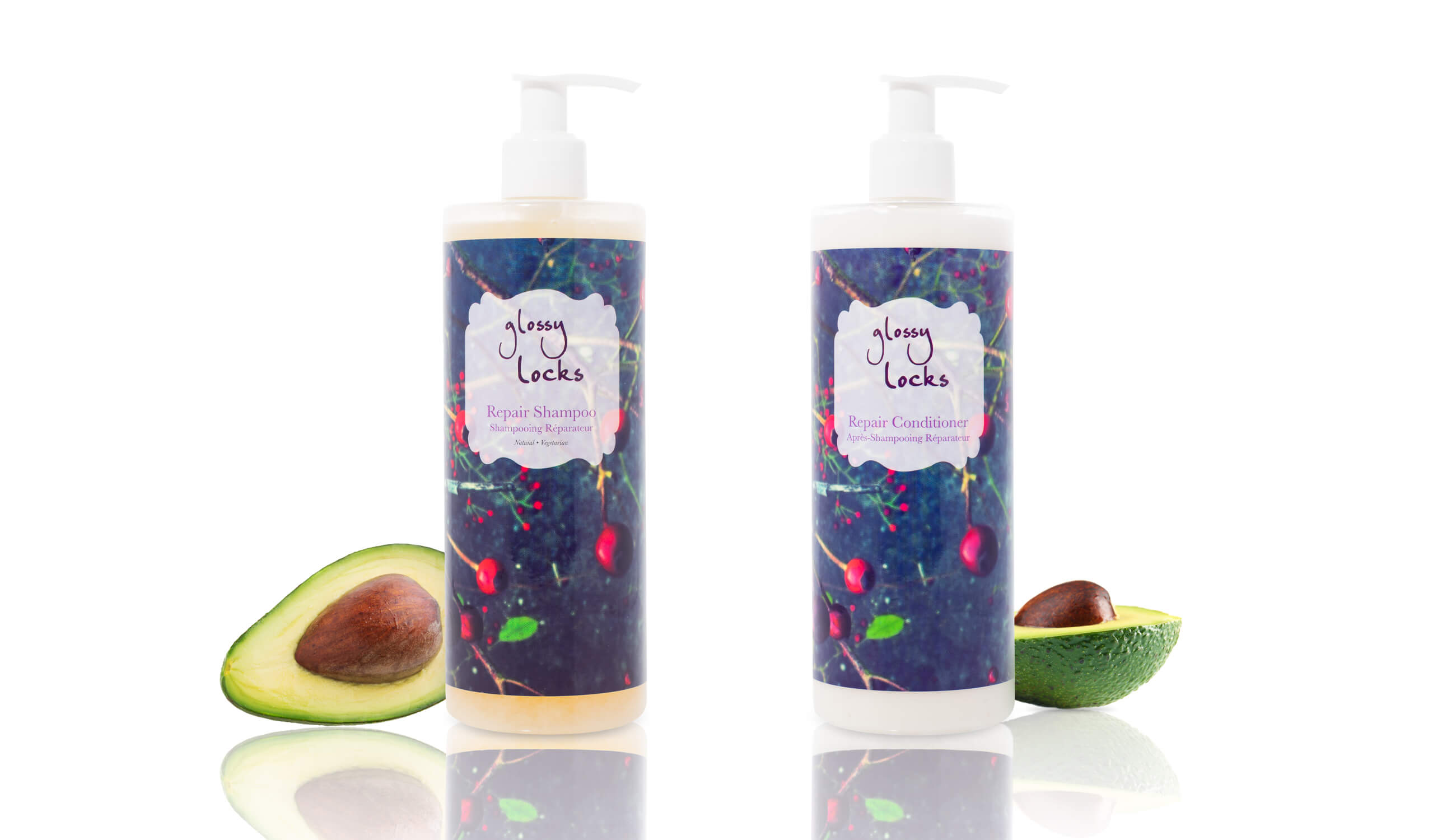
For intensive therapy, incorporate our Hair Repair Shampoo and Conditioner into your daily routine. These specially formulated products deeply moisturize, gently cleanse, and leave your hair glossy and protected against the elements. This collection features a variety of nourishing plant-based ingredients, including:
Rose Hydrosol infuses antioxidants into your strands and scalp while delivering fatty acids to hydrate lipid-deficient hair cuticles.
Avocado Butter provides moisture-sealing properties to hair shafts while softening and moisturizing. Rich in vitamins C, A, and E, it hydrates and strengthens damaged strands effectively.
Virgin Coconut Oil is brimming with essential fatty acids that nourish the scalp and exhibit antibacterial properties. This means it can help clear congestion around your hairline and promote faster, stronger new hair growth.
Honey is well-known for its soothing properties for both skin and hair. It helps retain moisture, enhances shine, and contains antioxidants that reduce damage caused by sun exposure.
Biotin is a vital B vitamin that promotes hair growth and strength. A deficiency in biotin can lead to thinning hair, often resulting from poor dietary choices during the summer months.
Pro-Vitamin B5 is an essential moisturizer for dry, brittle hair. It strengthens and fortifies compromised strands, especially those affected by tangling, bleaching, or environmental stressors. The best way to utilize this vitamin for hair repair is through a concentrated daily serum.
Integrating these healing botanicals into your fall hair care routine will effectively help reverse summer damage and restore your strands’ vitality. Fall is also an ideal time for a haircut, signaling new beginnings, and it’s best to take a break from hair dye. Moreover, limit heat styling and avoid tight hairstyles that can cause undue stress on your hair.
Ultimately, after a summer of hair woes, focus on returning to your roots and allowing your natural color to grow in. Give your hair a month-long break before resuming any teasing, dyeing, or straightening routines. Think of it as a form of mini hair rehab. Plus, with fall being a busy season, embracing low-maintenance hair is likely the best choice.
For more hair care insights, check out our guide on Hair Conditioner Hacks and How to Achieve a Healthy Scalp to ensure your tresses look fabulous every day!
Your Top Hair Repair Questions Answered
What are the early warning signs of summer hair damage?
The first indications that your hair has suffered from summer exposure may include:
- Dryness or brittleness
- Discoloration or faded hair color
- Split ends
- Frizz or increased tangling
- Diminished shine and luster
- Rough or straw-like texture
Can I fix split ends caused by sun damage, or do I need a trim?
Once split ends occur, they cannot be fully repaired. While some products may claim to “seal” split ends and make hair appear smoother temporarily, the most effective solution is to trim them off. Regular haircuts eliminate split ends and prevent them from traveling further up the hair shaft, causing additional damage.
How often should I apply a deep conditioning treatment in my fall hair care regimen?
Incorporating deep conditioning treatments into your fall routine is vital for replenishing lost moisture. Depending on how damaged your hair is and your specific hair type, you should consider using a deep conditioning treatment weekly or bi-weekly. If your hair is severely dry or damaged, more frequent treatments may be necessary, but always monitor your hair’s response to avoid over-conditioning.
Should I change my shampoo and conditioner for the fall season?
While it’s not mandatory, switching to more moisturizing or reparative shampoos and conditioners in the fall can be beneficial for hair that has endured summer damage. As the fall weather becomes cooler and drier, maintaining and restoring hydration levels in your hair becomes essential. Using products designed for deeper hydration or repair can be advantageous during this transition.
Can heat styling worsen summer damage? Should I take a break from styling tools?
Absolutely, heat styling can exacerbate the damage incurred over the summer. The high temperatures from tools like straighteners, curling irons, and blow dryers can strip your hair of essential oils and moisture, leading to increased breakage and brittleness. It’s wise to minimize the use of heat styling tools while focusing on repairing summer damage. If you must use them, always apply a heat protectant beforehand and keep the settings as low as effective.
