


[ad_1]
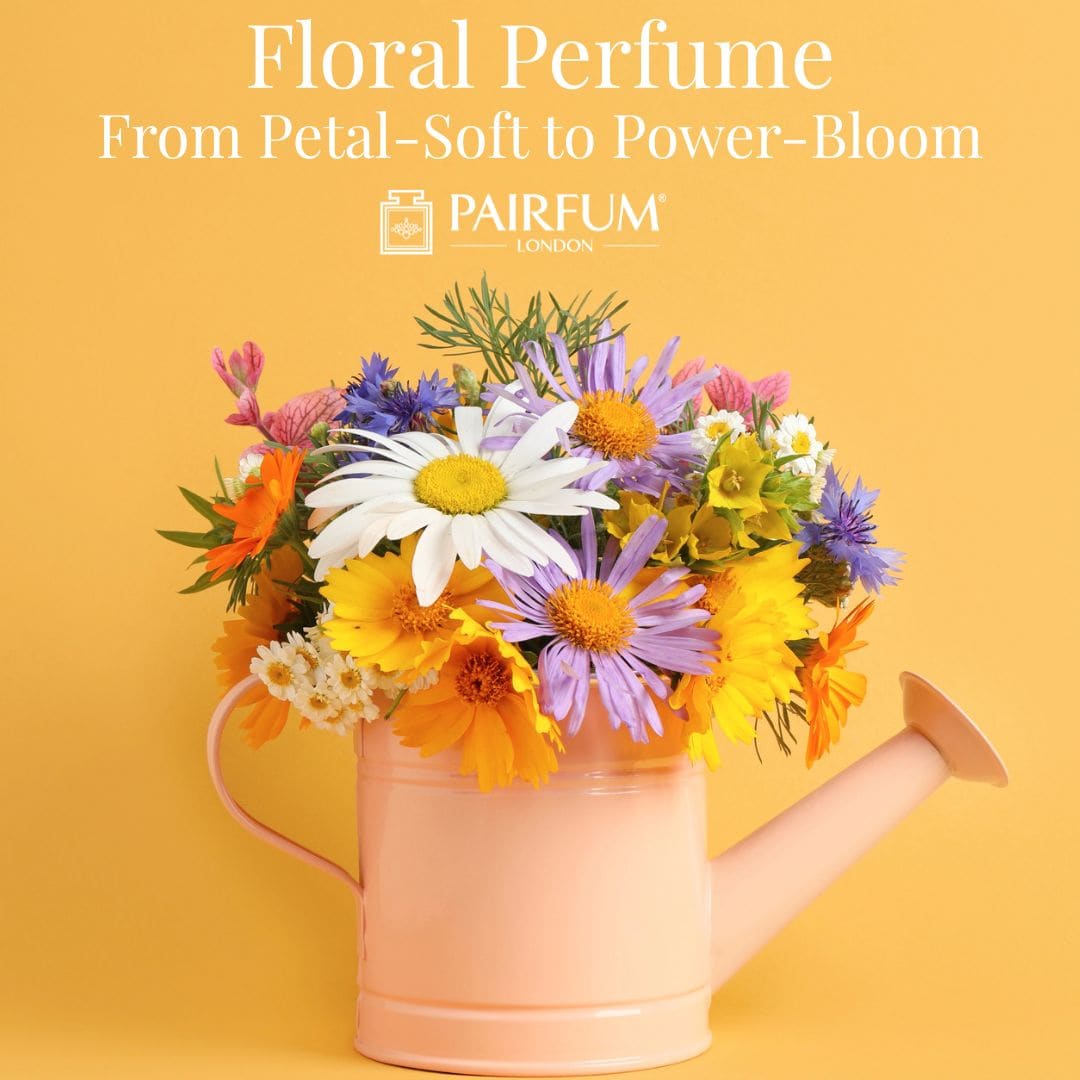
Floral Perfume embodies the vibrant essence of blooming flowers, ranging from crisp green notes to rich, powdery bouquets and sweet fruity-floral aromas. These timeless scents are typically categorized by their prominent notes, such as rose, jasmine, gardenia, or iris, and are widely available in various concentrations.
Floral perfumes have a rich history that spans centuries, making them one of the oldest and most beloved fragrance types. The gentle scent of petals brushing against your skin or the full-bodied aroma of blooming flowers can evoke a range of emotions. Floral fragrances can be light and refreshing or deep and creamy, which is what keeps them feeling vibrant and relevant year after year.
As spring approaches, it’s the perfect opportunity to indulge in the beloved characteristics of floral perfumes. With flowers blooming outdoors, their colors and scents naturally inspire new fragrances. Florals fit seamlessly into both casual sunny strolls and elegant evening outings. Each fragrance offers a unique way to embrace the season, allowing you to discover a new favorite scent or establish a signature aroma.
Exploring the Rich History of Floral Fragrances
Flowers have been integral to fragrance creation since ancient civilizations. In early societies like those in Egypt and India, petals were crushed or infused in oils to capture their delightful aromas. During the Roman and Greek periods, floral oils evolved into personal perfumes that played significant roles in various rituals.
The Victorian era transformed perfume into a personal accessory, often carried in small bottles. Flowers such as violet, rose, and jasmine became favorites for their sweet, powdery, and dewy notes. At that time, perfume was not just about scent; it also conveyed mood and social status, reflecting personal identity.
By the twentieth century, floral fragrances evolved into bold expressions. Master perfumers began experimenting with combinations of blossoms and base notes like musk or amber. Advancements in techniques allowed for precise control over how floral notes manifested in each fragrance, whether they were romantic, soft, adventurous, or unconventional. Certain flowers became timeless classics, each contributing its unique voice to the fragrance world. Lavender is known for its calming qualities, rose for its romantic associations, and jasmine for its warm, inviting scent. Over time, these formulations developed into the elegant eau de parfum concentrations we cherish today.
Petal-Light Notes: Embracing Soft and Gentle Floral Blends
Certain floral perfumes are designed for moments when you desire a subtle, barely-there fragrance. These lighter options are perfect for work, sunny afternoons, or whenever you seek a fresh touch that won’t overwhelm. Blends featuring lily, orange blossom, or violet tend to remain close to the skin, offering a gentle, pure scent that feels reminiscent of flowers without being overpowering.
Perfumers often combine these delicate notes with refreshing elements. A hint of citrus, green leaves, or white tea can elevate the fragrance, enhancing its airy quality. These additions help the scent evolve without becoming heavy, resulting in a fresh floral aroma that endures.
Some light floral perfumes seamlessly blend into the skin, while others leave a subtle trail in the air. These styles shine during spring and early summer, providing a sense of easy elegance. They embody quiet confidence, making them perfect for everyday wear.
Bold and Lush: Unleashing the Power of Blooming Florals
In contrast, some floral fragrances are unapologetically bold. Imagine tuberose, with its creamy richness, or ylang-ylang, offering an exotic twist. Gardenia, known for its waxy and robust scent, almost evokes the essence of a flower in full bloom. These perfumes command attention.
Bold florals are ideal for evening wear or whenever you wish to exude confidence. They linger on the skin for hours, shaping moods the moment you apply them.
It’s not just the flowers that provide depth; lush florals are often harmonized with musk, patchouli, or spicy undertones. This grounding effect adds complexity and richness to the fragrance. Some perfumes in this category feel timeless, while others appear entirely modern. What connects them is their boldness; they unfold beautifully and leave a lasting impression long after you’ve left the room.
Natural vs. Synthetic: The Art of Crafting Floral Perfumes
Creating floral perfumes presents unique challenges. Some flowers, like rose and lavender, readily yield their oils for use in fragrances. other blossoms, such as lily of the valley, cannot be naturally extracted for their scents. Instead, perfumers recreate its aroma using aroma molecules.
Aroma molecules are designed to mimic the scent of the actual flower. Some replicate the fragrance softly and authentically, while others are adjusted for specific olfactory profiles. Synthetic elements can be gentler on the skin and can also help protect rare plants from overharvesting.
Combining natural oils with synthetic components offers a fuller spectrum of fragrance options. The debate isn’t about one being superior; rather, this approach allows perfumers to create more reliable and innovative blends, often resulting in fragrances that are stronger and sometimes gentler than those derived from nature alone.
Discovering Floral Perfume Varieties for Every Personality
Floral perfumes cater to a wide range of preferences. Some individuals gravitate towards single-flower scents, which are clean and straightforward. Neroli is a top choice for fans of orange blossom, while a water lily blend might appeal to those seeking a fresh perspective. These simple bouquets fit seamlessly into any occasion, exuding a relaxed clarity.
Others may prefer floral fragrances that offer warmth and depth. Incorporating elements like amber, woods, or leather adds character to the floral notes, making them suitable for cooler evenings or winter wear. Even seasonal florals, such as mimosa in winter or peony in spring, can transform in feel depending on the accompanying notes.
Florals can also be part of creative blends. Fruity floral perfumes combine floral notes with fruits like pears, peaches, raspberries, or pomegranate. This fusion allows the juicy, crisp nature of fruits to introduce a sparkling brightness, revealing the deeper floral aspects as they settle on the skin.
Floral oriental fragrances incorporate spices, herbs, or warm base elements. This category blends the natural sweetness of flowers with rich resins, incense, and amber to deliver significant sillage and remarkable longevity.
Lastly, powdery florals provide a soft, classic texture reminiscent of vintage cosmetics, utilizing specific aromatic roots and petals to create a comforting, velvety finish. Floral fragrances are incredibly versatile, allowing you to transition from soft to bold or airy to dramatic while always feeling authentic.
Understanding the Different Floral Families
To identify the ideal floral perfume for your collection, it’s essential to grasp how various flowers contribute to an eau de parfum. The fragrance’s character significantly relies on the specific blooms selected.
The Alluring White Floral Family
White floral scents are celebrated for their richness, opulence, and captivating presence. This category prominently features jasmine, orange blossom, and tuberose, which impart an intense, creamy depth to the fragrance, evoking a sense of glamour.
The Timeless Classic Rose
No exploration of floral fragrances is complete without mentioning the rose. A contemporary rose perfume rarely embodies simplicity or old-fashioned charm. By blending rose with vibrant berries, crisp green leaves, or smooth vanilla, modern perfumers keep this iconic flower at the forefront of global best-seller lists.
Delicate and Powdery Floral Blooms
Flowers like iris and peony offer a distinct experience, providing a softer texture that feels clean and comforting. Iris contributes a sophisticated touch reminiscent of fine linen, while peony introduces a crisp, watery brightness to the composition.
The Role of Technical Innovation and the Perfume Pyramid
Evaluating top-tier perfumes reveals that a successful floral fragrance relies heavily on structural balance, often illustrated through the perfume pyramid. This framework includes the top note, middle note, and base note. Top notes provide an initial impression, often characterized as the fragrance’s flight or smile, frequently incorporating zesty citrus elements. Middle notes form the heart, where the primary floral bouquet resides, while base notes serve as the structural foundation.
The evolution of analytical chemistry has revolutionized this structure. Historically, early fragrances depended on straightforward extractions. The late nineteenth-century discovery of isolated aromatic compounds changed the game. For instance, the synthesis of alpha-ionone and beta-ionone enabled perfumers to accurately replicate the delicate scent of violet petals.
The introduction of methyl dihydrojasmonate, commonly referred to as hedione, in 1962 further transformed modern blending. Hedione acts as a clear floral glue, providing a radiant quality that enhances the lift and diffusion of other flowers without weighing down the composition. Niche perfumery continues to push boundaries by combining these advanced synthetic molecules with rich, complex botanical extracts like narcissus and ylang-ylang to achieve unparalleled performance.
Extending Your Fragrance Beyond the Skin
A captivating floral fragrance can extend beyond the confines of traditional eau de parfum applied to your wrist. Many people enjoy misting a lighter version through their hair, creating a subtle scent trail with each movement.
The comforting aroma of flowers can enhance your living space. Investing in high-quality home fragrances, such as floral reed diffusers or candles, brings the freshness of a spring garden indoors. These options make excellent gifts for those who wish to envelop their environment in delightful scents.
Let the Flowers Shine: The Enduring Appeal of Floral Perfumes
Floral perfumes possess a lasting charm due to their personal significance. Each flower can evoke different meanings for various individuals. For instance, a rose might symbolize romance or family heritage, while jasmine may feel bright and uplifting to one person and calming to another. Jasmine fragrances uniquely adapt to the wearer, establishing a personal bond that helps these perfumes remain cherished over time. They evolve alongside us and never truly go out of style.
- Floral perfumes encapsulate the essence of nature and the changing seasons
- They can be light for daytime wear or bold for special evenings
- Personal memories and emotions are often associated with specific flowers
- Fragrance blends can range from classic to avant-garde, always keeping nature at their core
Celebrating Iconic Floral Fragrances Throughout History
Understanding the world of floral fragrances involves examining the iconic creations that have shaped the industry. Over the years, renowned fashion houses and niche creators have harnessed the beauty of flowers to craft olfactory masterpieces.
For example, the youthful and vibrant allure of Marc Jacobs Daisy has introduced countless individuals to the joy of floral scents. In contrast, the timeless elegance of Miss Dior highlights how traditional rose and jasmine can remain relevant across generations.
Niche perfumers have also embraced this trend, with brands like Parfums de Marly and BDK Parfums creating intricate, layered compositions that showcase floral elements in a fresh light. Even lighter colognes have been redefined by brands such as Jo Malone London, demonstrating that a high-quality floral fragrance can be both minimalist and profoundly memorable.
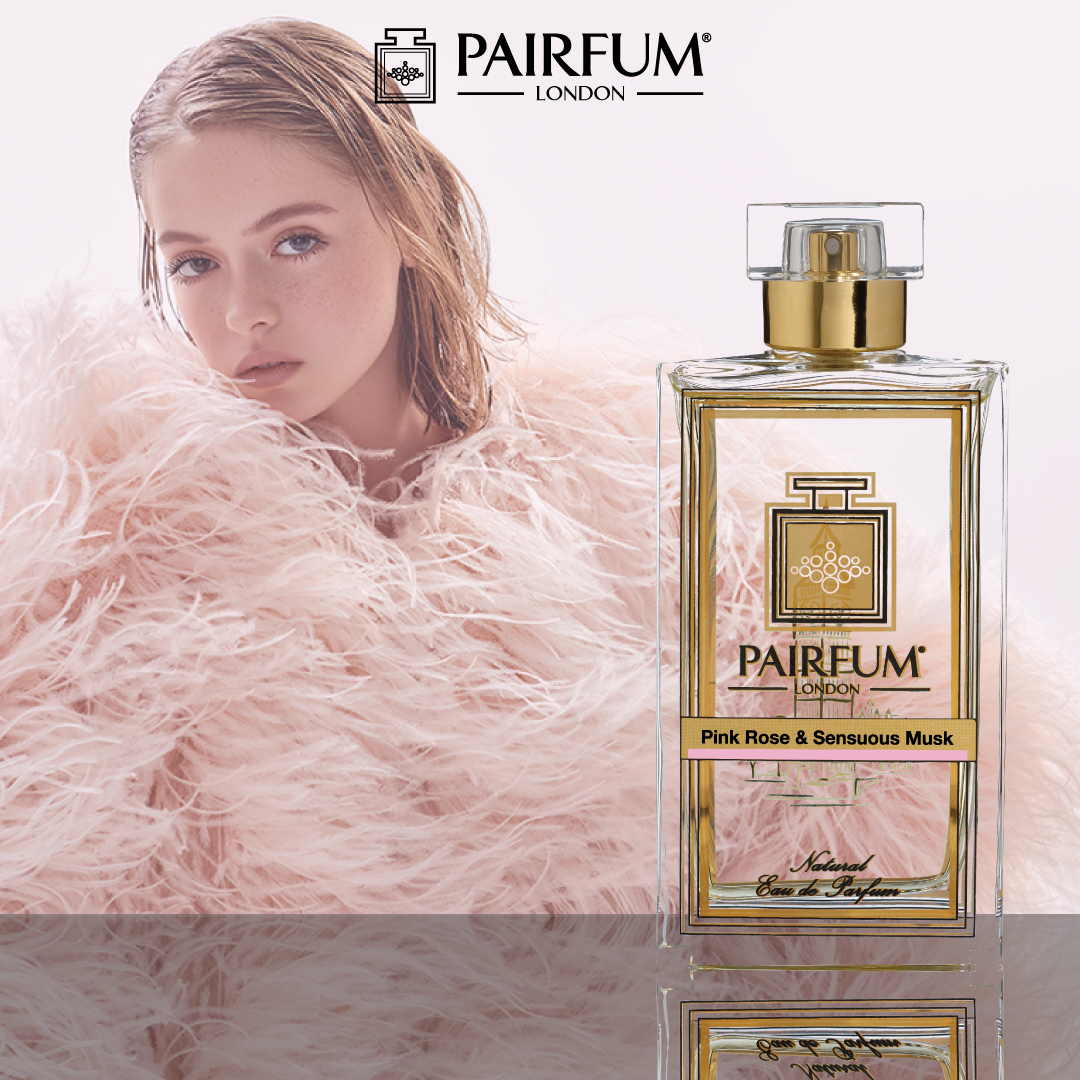
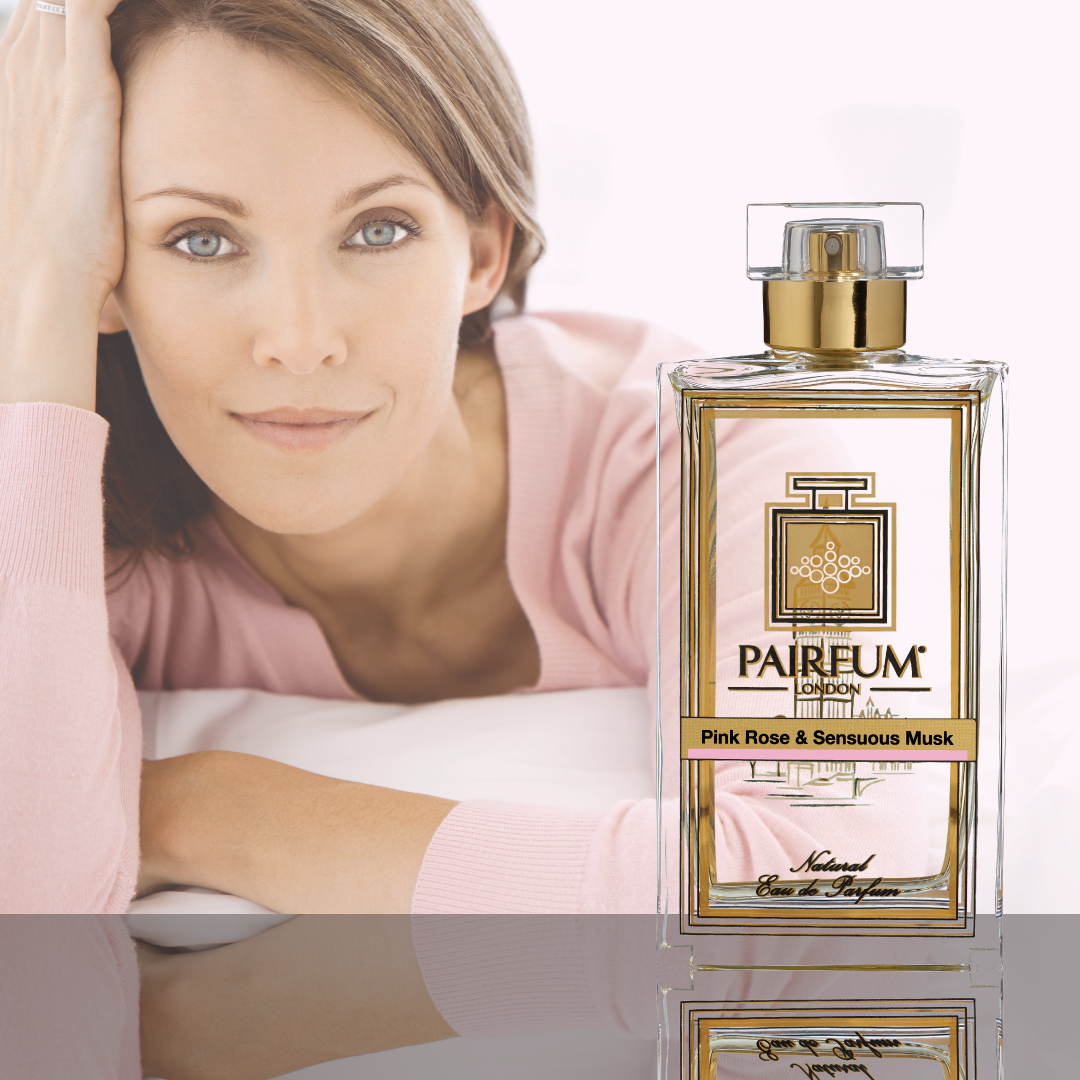
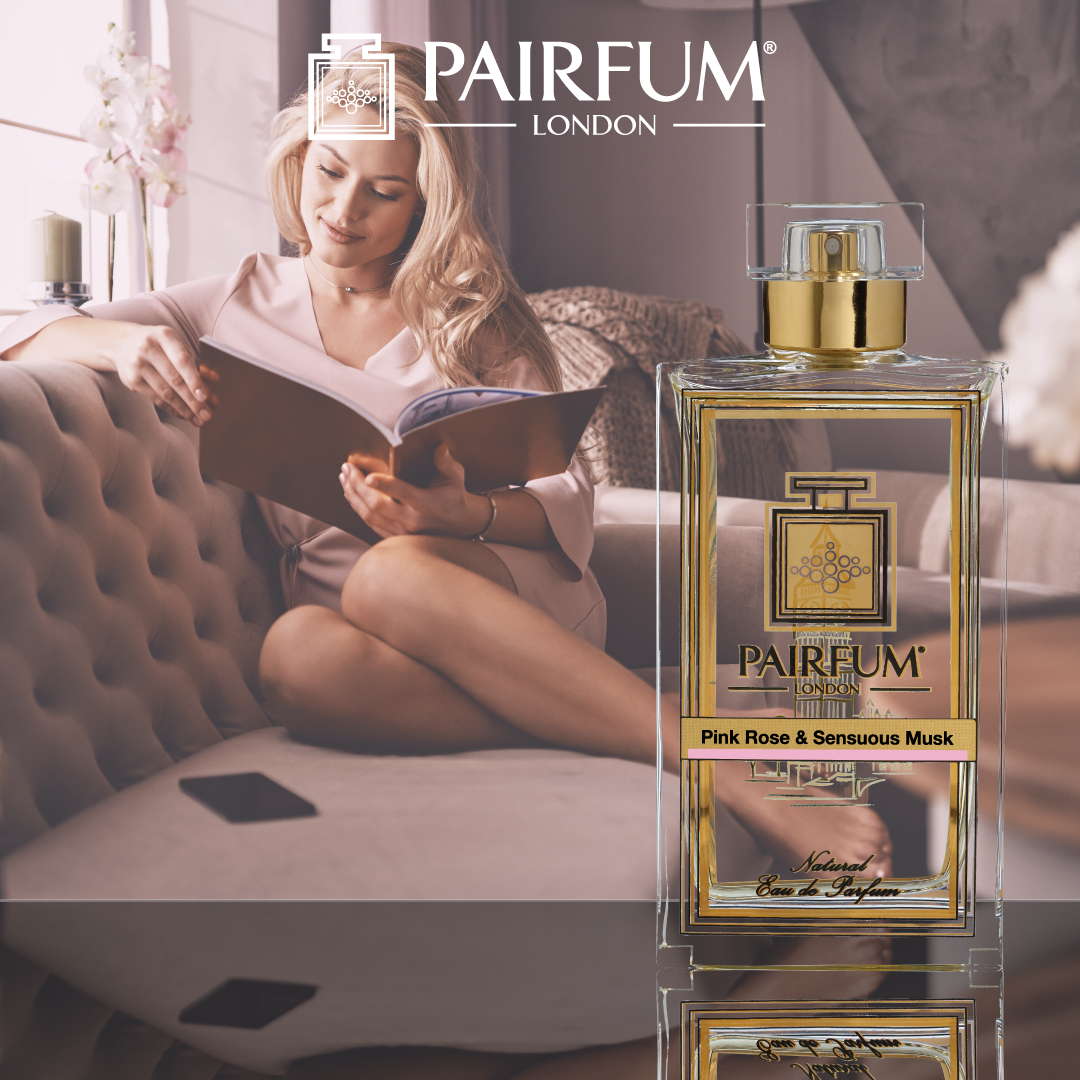
Pairfum London: Pink Rose & Sensuous Musk – Eau de Parfum
This vibrant floral fragrance opens with top notes of sparkling lemon and lime, enhanced by fruity peach nuances. The feminine heart boasts a radiant blend of pink rose, magnolia, and frangipani, while the rich base of sensuous musk, amber, and precious woods brings this captivating scent to life.
Finding Your Perfect Floral Fragrance
Spring and summer enhance the appeal of floral perfumes. When blossoms fill the air, the joyful and uplifting feelings captured in a fragrance bottle resonate deeply. These scents offer more than just aroma; they symbolize renewal, brightness, and individuality with every spray. Floral perfume appeals to anyone wishing to carry a piece of that essence, regardless of the season.
Whether you favor citrus-infused perfumes with floral hints, rich blends imbued with warm vanilla, or dramatic multi-layered eau de parfums, there’s a perfect floral fragrance waiting for you to discover. Allow the flowers to enchant your senses and help you find the blend that aligns with your unique style.
The post Floral Perfume: From Petal-Soft to Power-Bloom appeared first on Pairfum London.