


This story is part of the Grist series Coming to our Senses, exploring how climate change is reshaping our sensory experiences of the world around us.
Creating Nostalgic Scents: The Challenge of Capturing the Aroma of Classic Cars
Pia Long, a renowned perfumer and co-founder of the London-based fragrance company Olfiction, faced an intriguing challenge when an ad agency approached her with a unique request. They wanted her to design a fragrance that encapsulated the essence of driving an old gasoline-powered car. This scent was aimed at petrolheads who might miss the nostalgic aroma while transitioning to Ford’s all-electric Mustang Mach-E GT. It was a bold marketing campaign that aimed to connect the emotional resonance of traditional cars with the new electric driving experience.
Inspiration from Literature: The Science of Smells
Long’s creative process was sparked by her recent reading of Nose Dive: A Field Guide to the World’s Smells by Harold McGee, which delves into the chemical makeup of various scents found in both nature and industrial environments. The book’s insights on the olfactory characteristics of car interiors, historical carriages, and even horse stables inspired her to think deeply about how to recreate the complex smell of an old car without actual gasoline.
Safety First: Avoiding Toxic Chemicals in Perfume Formulation
In her quest to replicate the scent, Long faced the significant challenge of excluding harmful substances. The characteristic smell of gasoline is largely attributed to benzene, a known carcinogen, which made it impossible for her to include in the fragrance. “Using anything that smells like benzene is a no-go for me,” Long explained. “Chemistry dictates that similar properties in scents often correlate to similar safety concerns.” Her commitment to safety guided her through the creative process, ensuring the final product was both appealing and non-toxic.
Crafting the Scent: A Mood Board of Aromatic Ingredients
Long approached the creation of the scent like an artist assembling a mood board. She searched for diverse ingredients that could evoke the tactile memories associated with driving. Her exploration included the olfactory notes of rubber, leather, pleather, plastic, smoke, and even metallic keys, all essential elements of the Mustang experience. To achieve the burnt rubber effect, she utilized ginger oil generously, while benzaldehyde provided a sweet, almond-like aroma that shifted to an almost dangerous scent when overused. This careful balance of scents was crucial in making the fragrance feel authentic.
Unexpected Demand: The Reaction to Mach-Eau
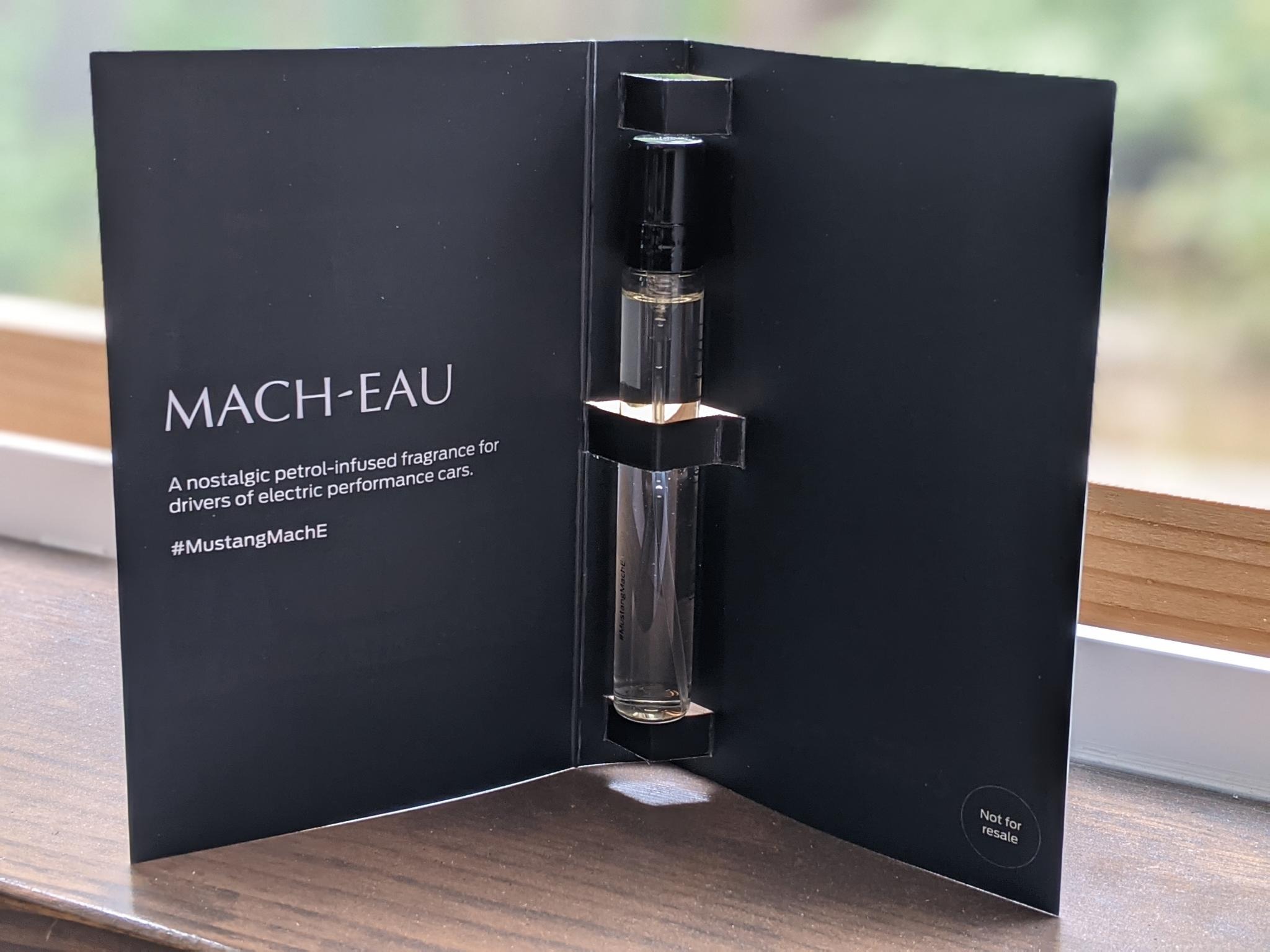
Ford distributed the resulting fragrance, dubbed “Mach-Eau,” to dealers and events like the prestigious Goodwood Festival of Speed in the UK. Surprisingly, the limited-edition scent ignited a wave of interest that exceeded all expectations. “Requests for samples flooded in from across Europe and the U.S.,” revealed Anna Stanley, a senior communications director at Ford Europe. Many individuals reached out to Olfiction after experiencing Mach-Eau at various festivals or through social media buzz, but Long had to decline their offers since it was not commercially available.
I was fortunate enough to receive a sample. Upon opening the vial of Mach-Eau, I detected a musky aroma, but once applied to my wrist, the fragrance morphed into something more complex and layered. My friends and I struggled to articulate its essence, describing it as reminiscent of “an expensive car,” “a sauna in the mountains,” or “like a plastic lawn chair.” It was a nostalgic blend, evoking memories of pine forests with a hint of sweetness, perhaps from vanilla or baby powder, all while subtly hinting at plastic and varnish. Interestingly, it didn’t smell like gasoline itself but rather captured the sentimental essence of gasoline—an emotional longing for the past.
Competing with Tradition: The Emotional Connection to Gasoline
It’s intriguing to consider that electric vehicles require a distinct scent to compete with their gasoline counterparts. While the transition to electric cars is accelerating, it faces notable resistance rooted in psychological and cultural factors. Logistical challenges, such as supply chain issues, inadequate charging infrastructure, and high costs, contribute to the slow adoption rates. Furthermore, a recent study published in the journal Nature Energy highlighted that many individuals drastically underestimate the capabilities of electric vehicles, misjudging their ability to meet daily transportation needs by as much as 30 percent.
The nostalgia associated with gasoline also complicates the shift towards electric vehicles, as evidenced by marketing trends. Previous generations of electric vehicle ads, like those for the Chevy Volt, focused on new technology with flashy imagery of lightning bolts and outlets, yielding lackluster sales. In contrast, car manufacturers now embrace nostalgia by reimagining classic models as electric counterparts. Ford’s electric F-150, for instance, generated unprecedented demand upon its release, leading to a staggering three-year waiting list. Similarly, Electrify America’s 2019 campaign, “Normal Now,” utilized vintage visuals to suggest that electric vehicles were just as familiar as traditional technologies like computers and cell phones.
The Quest for the Perfect Electric Car Aroma
The pressing question remains: can an electric vehicle ever replicate the alluring scent of gasoline?

The Ubiquity of Gasoline in American Life and Its Cultural Significance
Gasoline is deeply woven into the fabric of American life, often taken for granted. It is the fossil fuel that people interact with most closely; over 90 percent of U.S. households have access to a car, while natural gas stoves are used in only about a third of American homes. The prevalence of gasoline represents not just a convenient energy source, but also a cultural legacy that shapes our daily experiences and societal norms.

Understanding the Cultural Attachment to Gasoline and Its Implications
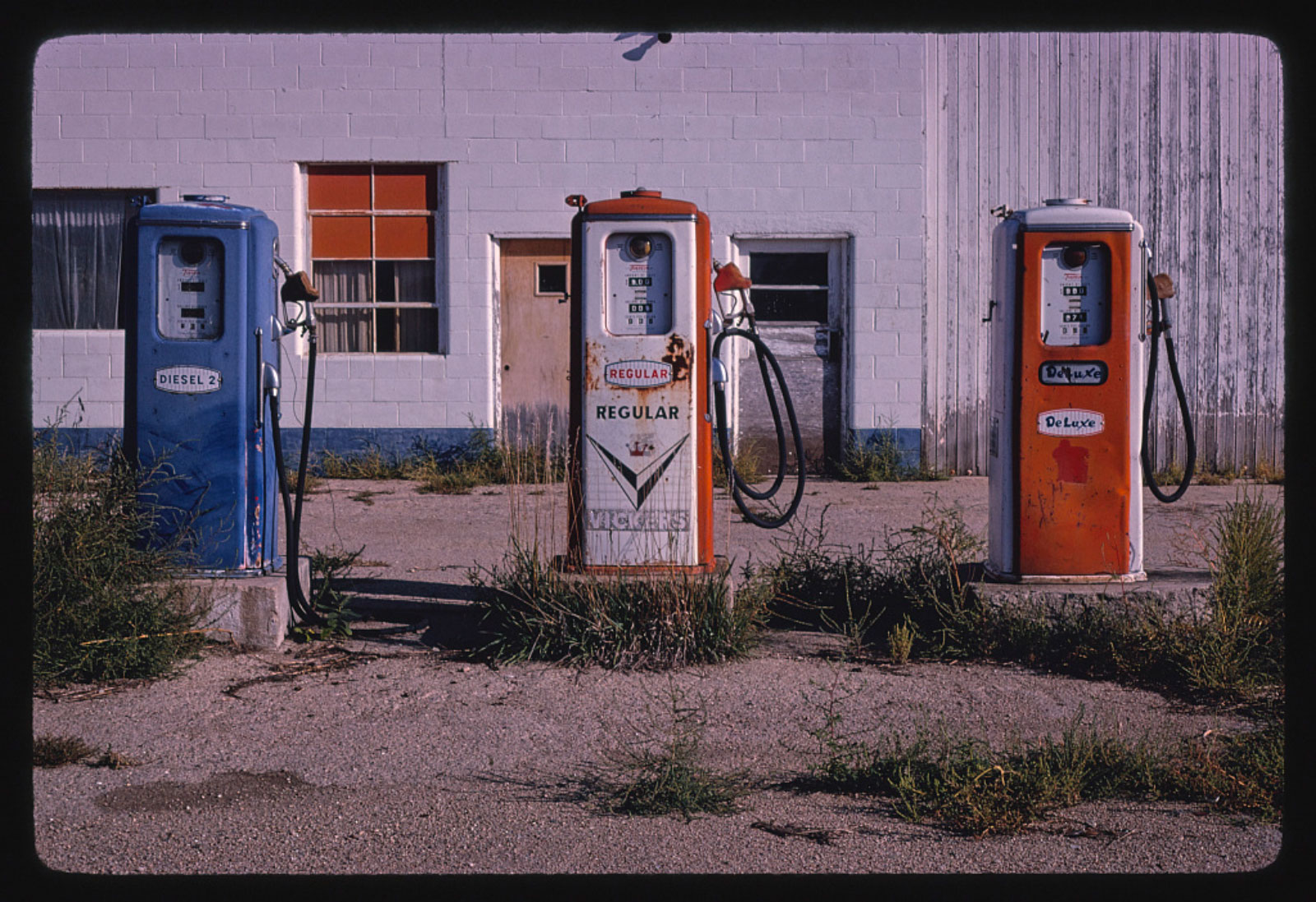
There exists a cultural “force field” surrounding gasoline, as noted by Matthew Metz, founder of Coltura, a nonprofit organization advocating for a faster transition away from fossil fuels. “If you look closely at a gas station, you’ll notice the word ‘gasoline’ is rarely displayed,” he observed. Research on gasoline is limited, and climate activists seldom directly protest against it, despite its significant contribution—approximately one-fifth—of U.S. carbon emissions. The ongoing discourse about rising gas prices and “pain at the pump” often assumes that filling up is a routine part of life, leading to a collective blindness to its environmental consequences.
The powerful scent of gasoline is difficult to overlook. For me, a whiff transports me back to childhood memories spent in northern Indiana gas stations, where my family’s Toyota Previa would be filled up. I’d sit inside the van, unbuckled and absorbed in the sights and sounds of the world outside, inhaling the distinct perfume of gasoline. Despite my family’s warnings about its effects, I found comfort in its familiar smell.
I’m not alone in this; public figures like Lizzo and Kim Kardashian have also expressed fondness for the scent. Its polarizing nature—like that of fresh paint or Play-Doh—can provoke either fond memories or immediate discomfort.
True to the adage that anything can be found online, I discovered numerous gasoline-inspired products during my research. The Stinky Candle Co. offers a gasoline-scented candle that reviewers describe as reminiscent of jet fuel and barbecues. On platforms like Etsy, you can find “race fuel” soy candles, “fuel pump” fragrance oils, and even vegan “gas station” colognes. For those seeking luxury, D.S. & Durga produces an ’85 Diesel candle, evoking a classic Mercedes Benz experience complete with leather seats and hints of burning fuel.
Exploring the Roots of Our Affection for Gasoline’s Aroma
What is it that draws people to the smell of gasoline? One theory suggests a connection to summer memories filled with road trips, jet ski adventures, and classic cars. For Long, gasoline evokes a “cool, nostalgic smell,” reminiscent of her childhood in 1970s Finland—a time when motorsports thrived, and tailpipe emissions were prevalent. Others suggest that gasoline might trigger associations with childhood experiences, as benzene, one of its primary components, is found in many household products, evoking the “new toy” scent.
Another intriguing theory posits that gasoline acts almost like a drug. Inhalation of benzene can suppress the nervous system and stimulate the brain’s reward pathways, creating a fleeting euphoric sensation. At higher concentrations, it can induce a high, which is why benzene is classified as an inhalant by the National Institutes of Health.
Navigating Perceptions of Power: Gasoline and Electric Vehicles
For Ford’s marketing team, the aroma of gasoline is intricately linked to concepts of power and freedom. The creation of Mach-Eau aimed to dispel the misconception that “petrolheads” and electric vehicles are incompatible. Research indicated that 70 percent of Europeans would miss the distinct scent of gasoline if they switched to electric cars, with 20 percent viewing it as the main drawback. Additionally, a quarter of respondents expressed that they would miss the performance attributes of gas-powered cars when transitioning to electric options.
Stanley’s theory about the connection between gasoline and power resonates with Metz, who advocates for a transition away from gasoline. “It symbolizes the freedom to travel wherever we desire,” he stated. “From a molecular perspective, gasoline represents concentrated energy. The oil industry signifies power. Hence, moving away from gasoline can feel disempowering for many, complicating the transition.”
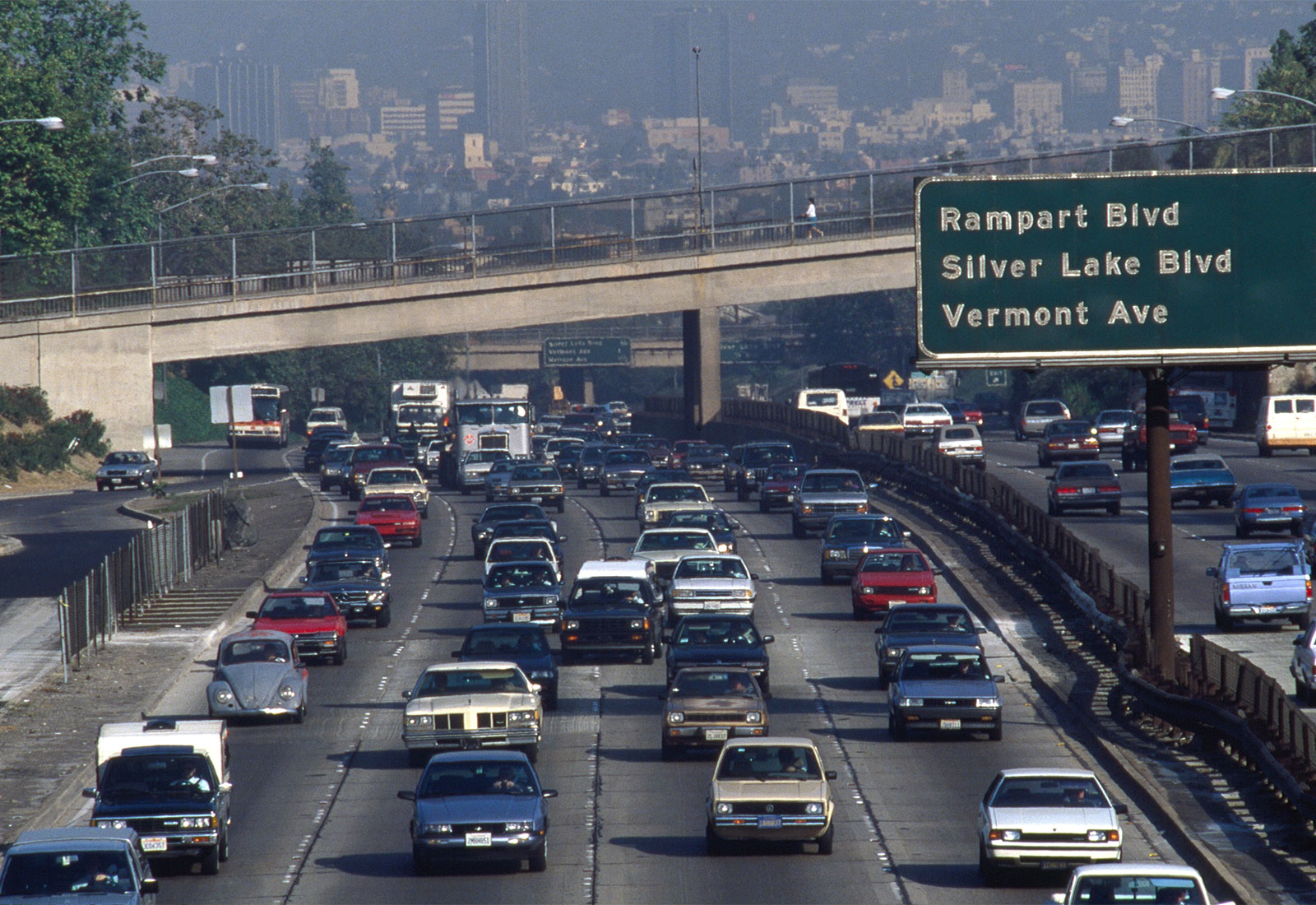
There are compelling reasons to reassess this attachment to gasoline. In addition to contributing to climate change, gas-powered vehicles are a significant source of air pollution, as noted by the Department of Transportation. They are linked to numerous health issues, including asthma, bronchitis, and even lung cancer. Unfortunately, air quality inside vehicles is often even worse than outside, meaning that driving exposes Americans to high levels of air pollution daily.
The Dark Side of Gasoline: Health and Environmental Risks
Even the appealing aroma of gasoline comes with significant risks. “Gasoline is perhaps the most carcinogenic substance most of us encounter daily,” stated Daniel Jaffe, an environmental chemistry professor at the University of Washington. The World Health Organization has indicated that there is “no safe level of exposure” to benzene, a chemical that occurs naturally in gasoline and is added to improve fuel efficiency. Fortunately, since the Environmental Protection Agency began regulating benzene in the late 1980s, gasoline has seen a notable reduction in its levels.
However, switching to electric vehicles will not resolve all issues associated with gas-powered cars. For instance, tire wear may produce more pollution than exhaust emissions, and a significant portion of the electric grid is still reliant on fossil fuels, leading to some carbon emissions during charging. Furthermore, electric vehicles do not address the fundamental changes many environmentalists advocate, such as shifting urban design to prioritize walking, biking, and public transportation.
“For us, EVs represent a practical solution for the present,” remarked Janelle London, co-executive director of Coltura. “Yet, we dream of a future without cars, where streets are reclaimed for pedestrians and cyclists.”

Sienna Blake is a licensed aesthetic consultant and beauty writer specializing in cosmetic surgery advancements and non-invasive treatments. With a background in dermatology and over eight years of industry experience, Sienna is passionate about helping people achieve confidence through informed beauty decisions. She holds a Bachelor's degree in Health Sciences and regularly collaborates with top plastic surgeons to stay at the forefront of aesthetic innovations. Outside of her work, Sienna enjoys traveling, skincare research, and practicing Pilates.
