


5 Essential Tips For Maintaining Healthy Eating Habits
According to Harvard’s T.H Chan School of Public Health, most Americans can easily describe what constitutes healthy eating. In fact, there is a general understanding of the core components of a nutritious diet, which include:
- Increased consumption of fruits and vegetables
- Reduced intake of red meat
- Minimizing processed foods
- Steering clear of fast-food restaurants
Understanding the Challenges of Maintaining a Healthy Diet
Even with a solid grasp of what a healthy diet entails, less than 25% of Americans follow the American Heart Association’s dietary guidelines, while over 42% face obesity, raising their risk of severe heart disease. This indicates that the struggle to maintain healthy eating habits goes beyond mere knowledge; it encompasses several underlying factors.
A nutrition professor at Harvard’s T.H. Chan School of Public Health points out that a significant hurdle is the widespread misconceptions about healthy eating. Many individuals perceive it as overly restrictive, fixating on options that are fat-free, low-fat, low-calorie, and low-sugar. Furthermore, there is a belief that healthy foods are not only expensive but also complicated to prepare, which can deter people from making healthier choices.
The notion that healthy eating is overly challenging to sustain is common. Many people argue that nutritious food is too expensive or takes too long to prepare. Taste is frequently cited as the primary reason for not adhering to a healthy diet, with numerous Americans claiming that healthy food lacks flavor and enjoyment.
Convenience plays a crucial role in the ability to maintain healthy eating habits. When working long hours, purchasing pre-packaged meals may seem like an easier option than cooking from scratch. However, there are numerous strategies to develop and uphold a healthy eating routine without unnecessary stress. Let’s delve into some practical tips to kickstart your journey!
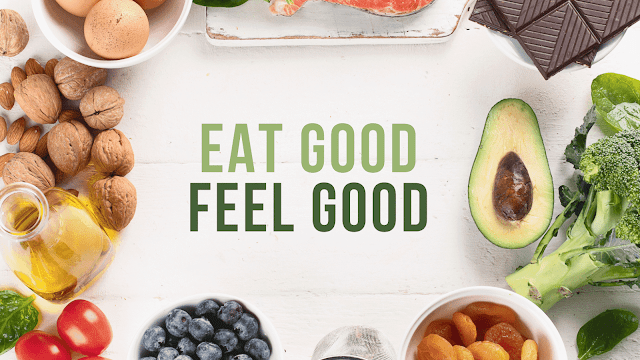
Transform Your Habits: Confronting Misconceptions About Healthy Eating
Unlock the Benefits of Effective Meal Planning for Optimal Nutrition
Implementing a structured meal planning strategy is essential for ensuring you maintain a well-balanced and nutritious diet that energizes your body. Meal planning presents a multitude of benefits that can fundamentally alter your perception of food and its role in your life.
For starters, adhering to a meal plan can lead to significant savings, as it encourages you to prioritize seasonal produce and make the most of your ingredients. This not only helps in minimizing waste but also allows you to purchase only what you truly need, making healthy food more affordable.
Additionally, you can prepare multiple meals in advance, which maximizes the use of your ingredients while ensuring you stay within budget. This approach transforms the perception of healthy eating from being costly to being economically savvy.
Discover the Health Benefits of Plant-Based Alternatives
The trend of plant-based eating has surged in popularity due to its myriad health advantages. Incorporating more plant-based alternatives into your meals is an excellent strategy for enhancing your diet. You can easily maintain your favorite foods while adding a nutritious twist, such as preparing veggie burgers for dinner this week.
Plant-based meals are abundant in essential nutrients, providing higher levels of vitamins, minerals, fiber, and antioxidants compared to meat-based options. They are also lower in saturated fat, contributing to a healthier lifestyle and reducing your risk of developing heart disease.
What’s particularly appealing is that you can enjoy your beloved dishes even if you choose to include just one vegetarian meal each week. Plant-based meat substitutes can seamlessly fit into your favorite meat recipes. For instance, I enjoy using plant-based sausage at breakfast, which is widely regarded as the most important meal of the day.
Enhance Your Diet by Cooking Delicious Homemade Meals
We understand that finding time to cook from scratch can be a challenge. However, you can take advantage of opportunities to prepare meals in batches, which can then be frozen for later use. This strategy not only saves time but also ensures you have nutritious meals readily available when needed.
Homemade meals are typically easier to digest because they lack the preservatives and additives commonly found in store-bought food products. Recent studies have shown that homemade noodles, for instance, are digested significantly faster than their commercial counterparts, making them a healthier option.
One important lesson for those aiming to minimize bloating, digestive discomfort, and even reduce the risk of cancer in the digestive tract is that preservatives can adversely affect your digestion and metabolism. The key takeaway is that the unhealthy aspects of typical convenience foods often stem from these added preservatives.
Thus, whether you’re a fan of noodles, pasta, or pizza, it’s time to start making and freezing your own dough to ensure you always have a healthy option on hand.
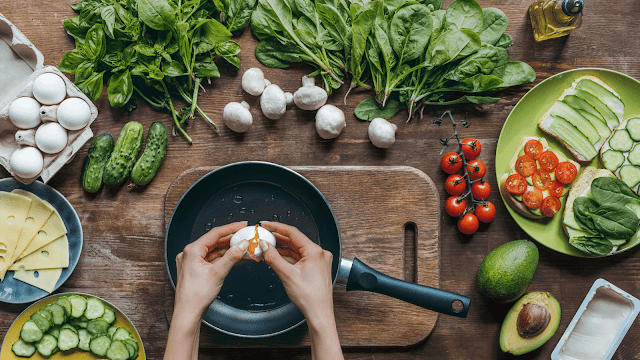
Enhance Your Healthy Meals With Flavorful Spices
Spices have the potential to elevate or detract from a meal’s quality. Beyond simply enhancing flavor, they offer a variety of health benefits. To start, your body can greatly benefit from incorporating spices instead of relying on heavy sauces. Spices are rich in antioxidants, which help combat inflammation throughout the body.
Some spices, like chili peppers, can even act as metabolism boosters, while others, such as ginger or turmeric, can provide soothing effects for digestive discomfort. This means you can enjoy meals without the excessive sugar, salt, and unhealthy fats typically found in commercial sauces.
Optimize Your Nutritional Intake by Increasing Protein Consumption
If you find yourself feeling unsatisfied after transitioning to a healthier diet, it may be due to insufficient protein intake in your meals. Protein is found in various foods, including fish and mushrooms, and is crucial for keeping you feeling full for extended periods. Additionally, protein plays a vital role in supporting healthy muscle growth, repair, and boosting metabolism. This is why many individuals choose to incorporate protein into their health and fitness routines.
Protein is also integral to effective weight loss strategies! Our bodies expend more calories digesting protein compared to carbohydrates, making it a valuable component of a weight management plan. Moreover, protein helps maintain satiety, addressing a common factor in diet failures. By adopting a protein-rich diet filled with greens and minimal carbohydrates, you can avoid feelings of hunger.
Therefore, increasing your protein intake while moderating carbohydrates is a practical approach. It’s essential to remember that while your body does require carbohydrates, achieving a balanced diet is key to maintaining a healthy weight. Incorporate quality protein sources such as poultry, fish, legumes, tofu, and healthy snacks like nuts into your meals.
Be cautious of added sugars found in sugary drinks, full-fat milk, and high-calorie beverages that claim to be protein-rich. Achieving and maintaining a healthy weight is crucial, and this can be effectively accomplished by following a balanced diet and engaging in regular physical activity.
Embrace Healthy Eating as a Lifelong Journey
Ultimately, adopting healthy eating habits is not merely a quick fix; it represents a long-term lifestyle transformation. Approach your journey towards healthy eating with enthusiasm and openness. Be willing to explore new foods, ingredients, and recipes. This adventurous mindset can render healthy eating enjoyable, accessible, affordable, and delicious. Remember, healthy eating is a journey filled with opportunities for growth and discovery.
