


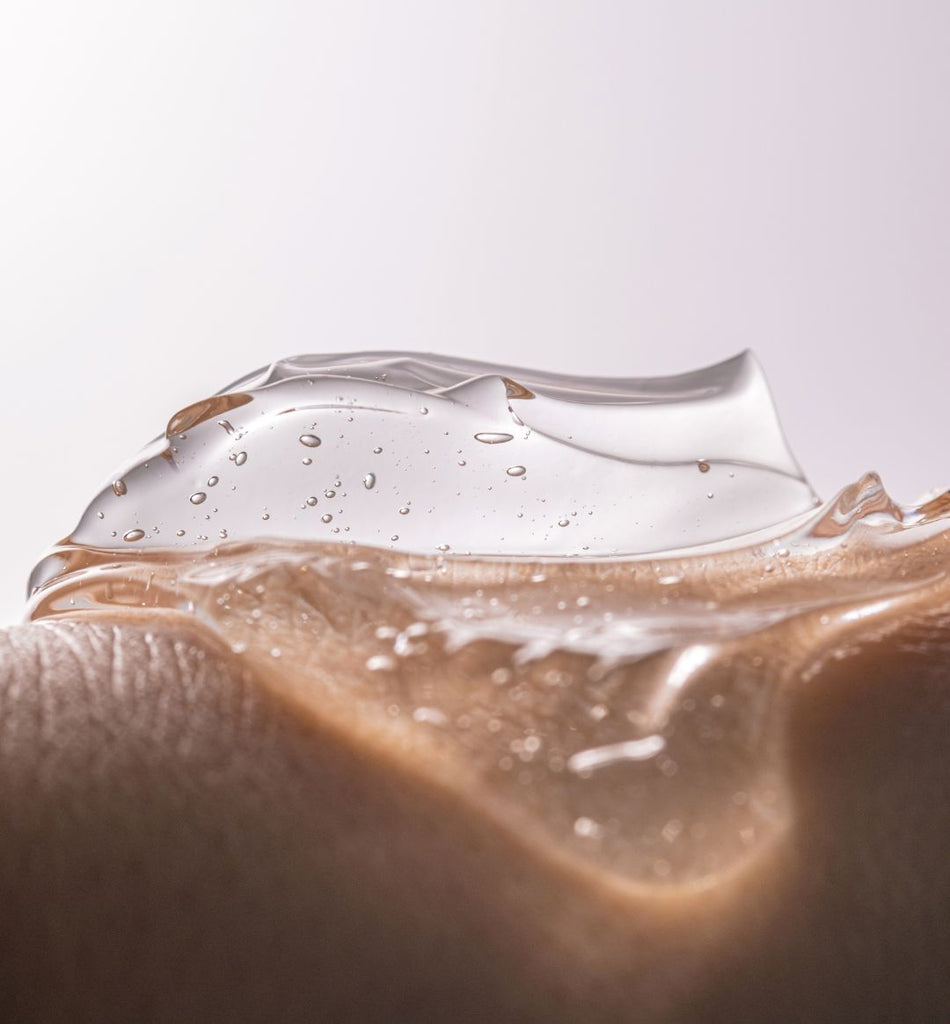
By now, we’re all pretty well versed in hyaluronic acid and the hydration halo it carries for quenching and plumping the skin. Let’s just say another ingredient with a crown of light has skyrocketed to holy grail status in the skincare universe: polyglutamic acid! This powerful ingredient has made its way into some of the most heavenly natural skin products, promising not just hydration, but a transformative experience for your skin.
Often referred to as hyaluronic acid’s supercharged sibling, polyglutamic acid excels at holding more water in your skin, effectively delivering an overall moisturized, plumper, and rejuvenated complexion. While we have praised hyaluronic acid to the skies, it certainly does not mean that polyglutamic acid is here to take its place; rather, it’s an incredible addition that complements the hydration benefits offered by hyaluronic acid.
There are occasions when one acid might be preferred over the other. Let’s dive deeper into the fascinating world of polyglutamic acid, exploring its remarkable skincare benefits, how it compares to hyaluronic acid, and the best products that feature this pint-sized ray of light for achieving radiant skin.
Understanding the Essentials of Polyglutamic Acid
Before we can explore why polyglutamic acid is enjoying its moment in the spotlight, there’s a crucial question that needs to be answered: what exactly is polyglutamic acid? To break it down simply, “glutamic acid” is an amino acid, which plays a vital role in various biological processes.
Amino acids combine to form proteins, which are the building blocks of skin (and life), including collagen, one of the most essential materials in our skin. Glutamic acid is instrumental in hydrating and conditioning the skin. Polyglutamic acid is formed when multiple glutamic acid molecules are linked together, leading to its unique properties and benefits.
Hopefully, this explanation makes the ultra-scientific ingredient a bit clearer and more approachable for skincare enthusiasts. Polyglutamic acid is commonly found in natto, a traditional Japanese dish made from fermented soybeans, renowned for its numerous health benefits.
As a humectant skincare ingredient, polyglutamic acid is designed to tackle skin hydration effectively. It works not only by preserving the existing moisture in the skin and minimizing moisture loss but also by drawing moisture from the surrounding environment to prolong hydration. Maintaining skin hydration is essential for achieving smooth, supple, and ageless skin, making it a crucial element in any skincare regimen.
Exploring the Differences: Polyglutamic Acid vs. Hyaluronic Acid
What elevates polyglutamic acid to skin superstardom among a plethora of other skin hydration champions? Many of us are familiar with the well-loved hyaluronic acid when our skin craves a hydration boost, but how does polyglutamic acid differ? Remarkably, polyglutamic acid is considered a supercharged version of this beloved skincare staple.
How supernova, you ask? Polyglutamic acid holds four times more moisture than hyaluronic acid! How’s that for a tall drink of moisture?! This extraordinary capacity to retain moisture makes polyglutamic acid a preferred choice over other common humectants, especially for those with dry or sensitive skin types, or for individuals experiencing side effects from skin and acne treatments. It’s a hydration powerhouse that can truly make a difference.
Moreover, polyglutamic acid plays a significant role in improving skin texture. One of its standout benefits is its ability to diminish the appearance of skin imperfections, such as enlarged pores, scars, and fine lines. By helping to blur away these textural concerns, polyglutamic acid promotes a smoother, more supple, and dewy complexion that many desire.
Finally, the most critical distinction between polyglutamic acid and its smaller hydrating counterpart is that while hyaluronic acid is effective for skin hydration, it’s naturally present in the dermis and skin cell structure. Hyaluronic acid exists in our bodies, making it a supplementary skincare ingredient.
Conversely, incorporating polyglutamic acid into our skincare routine provides benefits that our skin wouldn’t access naturally. With a larger molecular size than hyaluronic acid, polyglutamic acid can penetrate the skin’s upper layers to deliver multi-level hydration. Because it has a greater hydration capacity than HA, it undoubtedly takes the lead in our hydration arsenal.

Key Benefits of Polyglutamic Acid for Your Skin
If this hydration hero wore a cape, its superstar powers would undoubtedly include its stellar ability to hydrate skin and its impressive absorption properties. Why is hydration for all skin types SO important? As mentioned earlier, proper skin hydration is essential for maintaining healthy skin; it might even be the most crucial aspect of any skincare routine.
When the skin is dry and struggling to retain moisture, tiny cracks and crevices form, putting us at risk for various skin irritations. Conversely, if the skin is oily and struggling to remain balanced, we face risks of clogged pores, breakouts, and acne. In essence, hydration serves as our first line of defense against everything from environmental aggressors to bacteria!
Beyond breakouts and rashes, dehydrated skin is more likely to exhibit signs of aging and a lackluster appearance. As polyglutamic acid works to rejuvenate the skin, it helps diminish the visibility of enlarged pores, fine lines, and overall skin texture, while also reviving the skin’s natural bounce and glow that we all desire.
As a humectant, polyglutamic acid not only keeps the skin looking plump and dewy; it also provides a protective barrier. It draws moisture into the skin cells and forms a protective film that prevents water from evaporating. Additionally, polyglutamic acid is among the safest and most stable options for all skin types, particularly beneficial for sensitive skin.
How to Effectively Incorporate Polyglutamic Acid into Your Skincare Regimen
We love discovering skincare ingredients that support sensitive skin, and polyglutamic acid is an option that, for the most part, works for everyone. There’s no reason anyone with any skin type should miss out on the benefits of this remarkable ingredient. So, let’s explore how to seamlessly incorporate this super hydrator into your dream team of natural skincare products.
Step one: Begin by cleansing your skin, followed by applying toner to prepare your skin for optimal absorption.
Step two: Next, apply an antioxidant serum enriched with polyglutamic acid, allowing its heavenly moisture to penetrate deeper into your skin layers.
Step three: After the serum, apply a moisturizer that contains polyglutamic acid to achieve even higher hydration levels and lock in all that nourishing moisture.
Step four: Don’t forget to apply sun protection daily, especially if acids are part of your routine. Sunscreen should always be the last step in your skincare regimen, with only powder, concealer, or foundation layered on top.
Here are some valuable tips for working with this ingredient.
Tip #1: Polyglutamic acid is gentle enough to be used in the morning, at night, or both. For those with normal, combination, or oily skin types, applying this product overnight may provide the best results for skin rehydration and repair.
Tip #2: Best applied in a serum, essence, or moisturizer, polyglutamic acid delivers maximum benefits when used between the serum and moisturizing steps of your skincare routine.
Tip #3: While it pairs exceptionally well with other power players like retinol, vitamin C, and niacinamide, it’s advisable to limit the number of active ingredients used simultaneously to minimize the risk of irritation.
Tip #4: Individuals with dry skin, healing skin, mature skin, or acne-prone skin can greatly benefit from incorporating this incredible ingredient into their routines.
PRO-TIP: We always recommend conducting a patch test, but even so, this mild and gentle ingredient is highly effective at providing mega hydration, making the risk of irritation practically negligible.
Stay Updated: Subscribe to Our Newsletter
Get more blog updates and exclusive discounts delivered to your inbox!
Explore 100% PURE Polyglutamic Acid Products
Now that we’ve explored how polyglutamic acid benefits the skin and how to use it, let’s talk about where you can find these amazing products! We’re overjoyed with our polyglutamic acid offerings! Uniquely vegan, they are crafted from natto beans, ensuring you receive the best nature has to offer.
Natto is rich in lecithin, a skin-softening, conditioning, and smoothing agent, along with vitamin E, a potent antioxidant that helps prevent skin damage from free radicals, keeping your skin bright, youthful, and healthy.
Here are a few of the top skincare products featuring polyglutamic acid!
Puristry Flower Water Toner
This hydrating face toner is brimming with skin-loving nutrients that your dermis will eagerly absorb. It offers optimal hydration thanks to undiluted floral hydrosols like rose, calendula, and witch hazel, which calm and clarify the skin for a healthy glow. The addition of hyaluronic acid quenches thirsty skin cells, while polyglutamic acid from natto beans delivers extra hydration to the skin’s surface and deeper layers. Let the power of nature revitalize your skin and unlock its full potential.
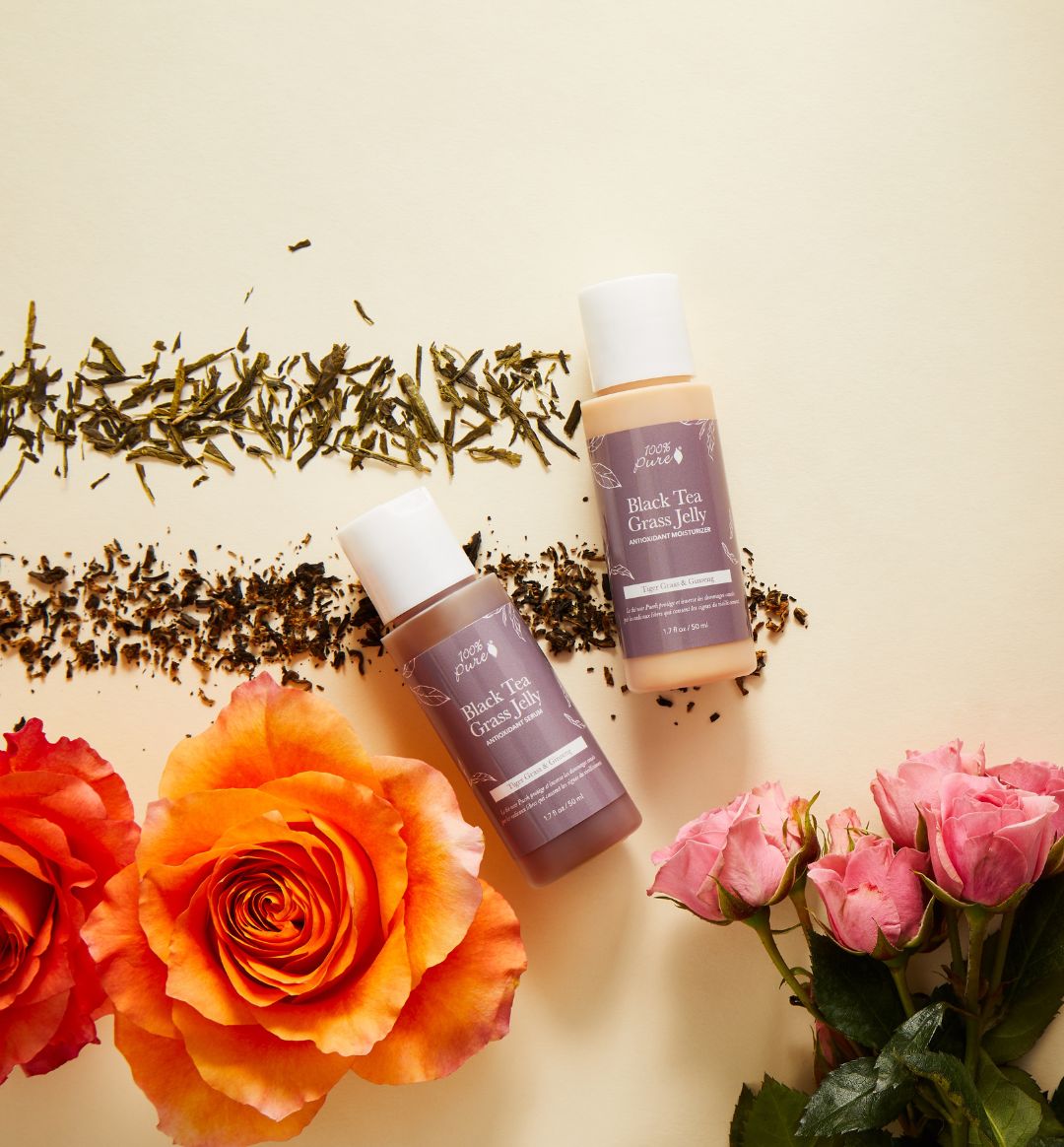
Black Tea Grass Jelly Anti-oxidant Serum
Enhance your skin’s defense against free radicals and aging with our concentrated antioxidant serum. Infused with Puerh black tea leaves, this formula plumps and firms your skin while efficiently hydrating and nourishing it. Experience the perfect foundation for flawless makeup application as you indulge in the ultimate skin protection and nourishment.
Black Tea Grass Jelly Anti-oxidant Moisturizer
This luxurious moisturizer features black tea and grass jelly to soothe the skin while providing robust protection against free radicals. With its deep-penetrating formula, it effectively combats signs of aging by delivering intense hydration. The concentrated antioxidants found in Puerh black tea shield the skin from damage caused by free radicals, similar to how sunscreen protects against UV rays.
Watermelon Cucumber Water Locking Serum
They say three is a crowd, but they haven’t experienced our incredible watermelon-cucumber trio! Our intensely hydrating hydrogel serum locks in watermelon hydrosol to revitalize dehydrated skin cells, combined with skin-plumping polyglutamic acid from fermented natto beans and moisture-retaining hyaluronic acid. Additionally, plant-based rice ceramide helps restore your skin’s protective barrier function by reinforcing its lipid content.
Watermelon Cucumber Water Locking Moisturizer
Our long-lasting moisturizer hydrates, plumps, rejuvenates, and smooths skin using watermelon hydrosol, cucumber waters, hyaluronic acid (derived from sweet potatoes), and polyglutamic acids (from natto beans). This luxurious face cream promotes cell regeneration and diminishes the signs of aging with moisture-locking Irish Moss Extract, alongside antioxidant-rich olive squalane to provide long-lasting hydration without a greasy feel.
Watermelon Cucumber Water Locking Mist
Completing this trio, our ultra-hydrating water mist naturally reinvigorates dehydrated skin cells while reducing signs of aging. It locks in moisture with cactus juice, watermelon hydrosol, and hyaluronic acid, expertly quenching and plumping the skin. The addition of olive squalane aids in repairing dry, rough skin by moisturizing and softening it, while soothing any redness or irritation from sensitive skin. It leaves you with a moisturized yet non-greasy feel, making it perfect for daily use!
Common Questions About Polyglutamic Acid (PGA)
Can PGA be combined with other active ingredients?
While polyglutamic acid works well with a variety of other active ingredients, such as retinol, vitamin C, and niacinamide, it’s best to introduce one active ingredient at a time until your skin adjusts, especially if you have very dry or sensitive skin. This approach reduces the risk of irritation.
How soon can I expect to see results from using PGA?
With consistent application, you can anticipate visible results, such as increased glow and hydration, within just two weeks. Improvements in skin texture and tone will continue to develop the longer you use it.
Are there any potential side effects or risks associated with PGA?
One of the remarkable properties of polyglutamic acid is its ability to hydrate and soothe even sensitive skin types. This makes it generally safe for use on all skin types. However, it’s always wise to conduct a patch test, particularly if you have very dry or highly sensitive skin.
Can PGA be used safely on sensitive skin?
Polyglutamic acid shares similarities with other humectants like hyaluronic acid, making it ideal for dehydrated skin but beneficial for all complexions. Its gentle nature ensures that even sensitive skin can enjoy its benefits without fear of irritation or redness.
Does PGA eliminate the need for a moisturizer?
No, polyglutamic acid should be used in conjunction with a moisturizer, and it’s crucial to follow up with one that contains SPF for daytime protection!
Let’s just say the stars aligned when polyglutamic acid emerged on the skincare scene. With a treasure trove of benefits, such as its superior hydration powers and ability to trap essential moisture in the skin for the ultimate dewy complexion, your skin is bound to glow and feel hydrated in no time!
Whether you’re dealing with dry skin, oily skin, or a combination, polyglutamic acid has the potential to elevate your complexion to the next level. It’s a true skincare gem for achieving the balanced and healthy complexion you’ve always dreamed of – and now it’s within your reach! Thank your lucky stars for this incredible ingredient.
