


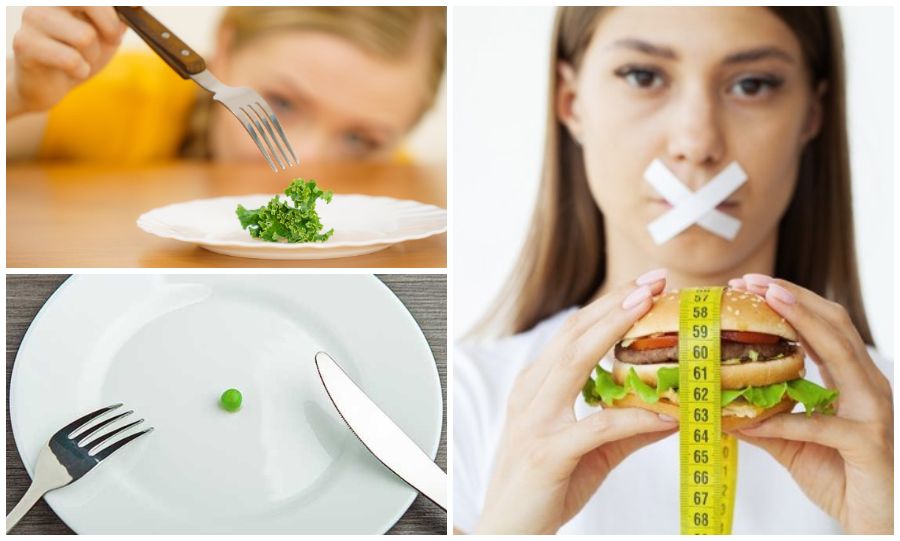
If your goal is to achieve sustainable weight loss while feeling genuinely happy throughout the process, it’s essential to prioritize healthy dietary adjustments, cultivate better eating habits, and commit to regular physical activity. There simply isn’t an alternative path to success! While you might encounter various pills and powders that claim to deliver rapid results, it’s important to approach these with caution due to potential side effects. Ultimately, these quick-fix solutions rarely lead to achieving your desired weight. Many individuals aim to lose weight to fit into smaller clothing sizes, but a significant number are motivated by the desire to enhance their overall health, as obesity significantly elevates the risk of developing chronic illnesses like heart disease, hypertension, and type 2 diabetes. Our bodies require a specific amount of calories to perform vital functions such as respiration, circulation, and d digestion. Essential nutrients—vitamins, minerals, proteins, fats, and carbohydrates—play critical roles in maintaining overall health. Employing drastic weight loss methods by severely restricting calories can disrupt hormonal balance and metabolic functions, leading to various health issues. Therefore, it’s crucial to avoid diets that promote extreme calorie reduction and to steer clear of supplements that claim to directly target fat. The objective should be to encourage the body to use stored fat as energy through a balanced diet and increased physical activity. In this article, we will explore the potential consequences of losing weight through harmful methods.
1. Experience Severe Hair Loss Due to Unhealthy Weight Loss:
One alarming consequence of losing weight through unhealthy methods is the increased risk of severe hair loss and the development of bald patches. This unfortunate side effect often occurs because crash diets typically lack essential nutrients such as protein, vitamins, and minerals like iron and zinc, all of which are vital for healthy hair growth. Without these nutrients, hair follicles can weaken significantly, resulting in noticeable hair fall. Additionally, employing incorrect weight loss methods can lead to hormonal imbalances, such as elevated cortisol levels, which can trigger a condition known as telogen effluvium, characterized by significant hair shedding. Therefore, it’s crucial to approach weight loss with a strategy that supports overall health, including the health of your hair.
2. Irregular Menstrual Cycles from Extreme Dieting:
It’s important to note that both crash dieting and excessive physical activity can disrupt a woman’s menstrual cycle, resulting in missed or irregular periods. This occurs because the hormones responsible for regulating the menstrual cycle, specifically estrogen and progesterone, can be adversely affected by a lack of essential nutrients and energy. Fortunately, this imbalance is often reversible. By adopting a balanced and nutritious eating regimen, normal menstrual cycles can typically be restored. Understanding this connection highlights the importance of maintaining a healthy diet while pursuing weight loss, particularly for women.
3. The Impact of Rapid Weight Loss on Metabolism:
When the body is deprived of sufficient calories, it enters a state often referred to as “famine mode.” In this mode, the body becomes highly efficient at utilizing limited energy, which results in a significant slowdown of the metabolism. Engaging in crash dieting or other unhealthy weight loss approaches can lead to a decrease in lean muscle mass, which in turn lowers the body’s basal metabolic rate (BMR). Since muscles require more energy for maintenance, a reduced muscle mass means the body burns fewer calories even at rest. Consequently, a sluggish metabolism not only makes future weight loss more challenging but also predisposes the body to store fat more readily. This underscores the importance of maintaining a balanced approach to weight loss that preserves muscle mass and metabolic health. Also read: “9 Ways To Deal With Hunger Pangs While Dieting.”
4. The Long-Term Effects of Crash Diets on Belly Fat:
Research indicates that engaging in crash dieting may ultimately lead to an increase in stubborn belly fat over time. After ceasing a fad diet, many individuals find that their waistlines expand significantly. This counterproductive outcome emphasizes the importance of adopting a long-term, sustainable approach to weight management rather than relying on temporary fixes. Establishing healthy eating habits and regular exercise routines can prevent the regaining of weight and promote lasting health benefits.
5. Serious Health Risks Associated with Fat-Burning Supplements:
Many fat-burning pills have faced bans from the FDA due to their association with severe health risks, including high blood pressure, heart attacks, and even liver damage. Beyond these grave consequences, users may experience a range of other health issues, such as digestive problems, allergic reactions, and mood fluctuations. Given these potentially life-threatening effects, it is unwise to invest in such products that promise quick results but come with significant health risks.
6. The Dangers of Fad Diets on Immune System Health:
Engaging in fad diets often results in a deficiency of essential vitamins, minerals, and nutrients that are crucial for maintaining a robust immune system. A weakened immune system opens the door to various diseases and infections. Ironically, while the goal of weight loss may be to achieve better health, resorting to harmful weight loss methods can lead to the opposite outcome, further emphasizing the need for a balanced diet that supports overall well-being.
7. Sagging Skin and Other Dermatological Concerns:
When weight is lost without building muscle, individuals may notice sagging skin as fat diminishes. To combat this effect, it’s vital to increase protein intake and engage in strength training during the weight loss process, which helps maintain skin elasticity and firmness. Additionally, issues such as dull skin, brittle nails, acne, and dryness may arise as a result of nutrient deficiencies. Therefore, prioritizing a nutritious diet is essential for preserving skin health and appearance while losing weight.
8. The Risk of Regaining More Weight After Dieting:
Once individuals discontinue a fad diet or stop using fat-burning pills, they often experience a rebound effect, resulting in weight gain—frequently exceeding their original weight. While crash dieting and supplements may yield temporary results, they fail to provide a sustainable solution for weight management. In contrast, adhering to a well-balanced diet plan, such as those provided by the Rati Beauty app, can facilitate consistent weight loss and help maintain a healthy weight long-term.
Experts also highlight that harmful weight loss practices can negatively impact gut health, leading to mood disorders and even depression. While managing weight can contribute to personal growth, it is crucial to focus on holistic well-being that encompasses physical, mental, and emotional health.
9 Ways To Deal With Hunger Pangs While Dieting
How to Beat Dieting Related Mood Swings
!function(f,b,e,v,n,t,s)
{if(f.fbq)return;n=f.fbq=function(){n.callMethod?
n.callMethod.apply(n,arguments):n.queue.push(arguments)};
if(!f._fbq)f._fbq=n;n.push=n;n.loaded=!0;n.version=’2.0′;
n.queue=[];t=b.createElement(e);t.async=!0;
t.src=v;s=b.getElementsByTagName(e)[0];
s.parentNode.insertBefore(t,s)}(window, document,’script’,
‘https://connect.facebook.net/en_US/fbevents.js’);
fbq(‘init’, ‘175059706376017’);
fbq(‘track’, ‘PageView’);
