


“`html
[ad_1]
Key Insights
- Origin: The mandarin fruit originated in China and Southeast Asia, symbolizing good fortune and prosperity.
- Uses: In perfumery, mandarin is valued for its bright, uplifting essence, enhancing the overall fragrance experience.
- Extraction: Key methods for extracting mandarin oil include cold pressing, distillation, and solvent extraction, each impacting the scent’s profile.
- Varieties: Different types of mandarin, such as clementine and tangerine, contribute unique notes to perfumes.
Mandarin, a vibrant and uplifting citrus fruit, has charmed many with its refreshing aroma. Its bright, luminous essence is celebrated across the perfume industry for its ability to add a burst of zest, energy, and a captivating fruity sweetness to any fragrance, often serving as a radiant and joyful opening. This delightful citrus fruit not only indulges our sense of taste but also plays a versatile and indispensable role in the world of fine perfumes. With its tangy appeal, rich history, and the power to evoke memories of summer and shared happiness, mandarin continues to enchant fragrance lovers across the globe, defining countless unique scents.
Embraced for its unique aroma, mandarin is much more than just a pleasing fragrance note. Its presence in perfumes offers a fresh take on citrus bouquets, providing a delightful experience that captures the spirit of sunshine and vitality all year round. By delving into the details of mandarin’s journey from tree to essence, we can truly appreciate its profound impact on modern perfumery, where it stands as a cornerstone ingredient. Every carefully crafted fragrance often starts with such exquisite raw materials.
A Journey Through History: Mandarin and Its Fragrant Legacy
The story of mandarin dates back centuries, with origins that are as captivating as its aroma. Originally from China and Southeast Asia millennia ago, mandarin orange has held deep cultural significance in many regions. In China, for instance, this citrus fruit symbolizes good fortune, prosperity, and celebration, often associated with Chinese New Year festivities where it is exchanged to bring happiness. As ancient trade routes expanded, mandarins traveled to new lands, reaching the Mediterranean and eventually finding their way into European apothecaries and, later, the burgeoning perfumery industry in the 19th century. Their aromatic appeal quickly made them a prized ingredient for a truly memorable scent.
Throughout history, mandarin has gradually found its distinguished place in the world of perfumes. Its fresh, invigorating, and sweet notes made it a favorite in many classic fragrances, particularly those aiming for a light, uplifting character. As perfumers sought new and exciting aromas, mandarin’s bright and lively character became a welcome addition to countless aromatic creations, providing a timeless sense of joy and vitality to any perfume bottle.
Types of Mandarin Used in Perfumes
Mandarins might all seem the same at first glance, but they actually come in a few different varieties, each bringing its own unique fragrance profile. Understanding these differences can help us better appreciate the intricate layers of aromas that mandarins contribute to perfumes. The overall olfactive profile of mandarin is characterized by a sweet, hesperidic, juicy, and often honeyed quality, frequently carrying a sensual, floral, neroli like trail. Each citrus note from these varieties offers distinct nuances to a perfume.
Clementine:
Known for its remarkably sweet and less tangy aura, clementine offers a softer citrus bouquet. Its fragrant oil is used in more subtle and refined compositions, often contributing a gentle, sunny disposition to a perfume.
Tangerine:
Tangerines have a slightly tarter profile with a lively aroma. They bring a sharp zest to perfumes, ideal for those who love a bolder, more effervescent citrus touch, often with a hint of greenness and bright energy. This particular sweet orange variant adds a unique layer to any fragrance.
Mandarin (Red Mandarin):
The classic mandarin balances sweetness with a hint of spice, providing a rich and complex essence. Its fragrant oil is incredibly versatile, adding depth, warmth, and a characteristic ‘juicy’ brightness to any perfume. This is often what perfumers refer to simply as ‘mandarin’.
Green Mandarin:
Less sweet and more acerbic than its ripe counterparts, green mandarin is derived from unripe fruit. It offers a sharper, greener, and more herbaceous aroma, providing a sophisticated, almost bitter zest that can add an unexpected edge and luminosity to a fragrance. It’s a truly distinctive citrus scent.
These distinct types enable perfumers to precisely tailor the citrus accord within a fragrance, enhancing the appeal of citrus inspired perfumes and making them exciting and diverse. By embracing the unique characteristics of each variety, perfumers can create harmonious blends that captivate and intrigue, ensuring every note plays its part.
The Art of Extraction
Transforming mandarin orange into the delightful essence that adds joy to perfumes is both a science and an art. There are a few key methods used to extract the oil from mandarin peels, each offering unique qualities to the final fragrance. The selection of raw materials is crucial for the resulting scent.
Expressed Oils:
This method, often referred to as cold pressing, involves mechanically pressing the peel to release the essential oils. It’s a straightforward yet highly effective way to capture the natural aroma, preserving the most delicate and vibrant nuances of mandarin, ensuring optimal freshness.
Distillation:
A method involving steaming the peels, which separates the oil from the plant material. While distillation may alter the oil’s aroma slightly, offering a cleaner, sometimes slightly less ‘fruity’ or more ‘cooked’ character, it’s valued for producing a pure and often lighter essence for a particular perfume.
Solvent Extraction:
Here, solvents are used to draw out the oil. This can produce a highly potent essence, capturing a broader spectrum of aromatic compounds, though it might lack some of the subtle, volatile aspects of cold pressed oils.
Each method has its benefits, allowing perfumers to choose based on the desired character of the fragrance. While expressed oils are usually preferred for their natural aroma, retaining the brightest, most authentic scent of the fruit peel, the choice of technique profoundly influences how a fragrance develops on the skin, making the art of extraction a fascinating topic for enthusiasts of the perfect scent.
Sourcing Mandarin: A Commitment to Quality and Sustainability
Beyond the artistry of extraction lies the fundamental importance of sourcing. For any perfumery committed to natural and refined fragrances, the origin and cultivation of mandarin are paramount. Responsible sourcing ensures not only the highest quality essential oils, free from pesticides and adulterants, but also supports sustainable farming practices and fair trade for the communities growing these precious fruits. This commitment reflects a deeper respect for nature and the people who cultivate its gifts, ensuring that the vibrant essence of mandarin is not only beautiful but also ethically produced, contributing to a more conscious and harmonious world of perfumery. Every ingredient matters.
The Versatile Uses of Mandarin in Perfumes
Mandarin isn’t just a standalone essence; it plays exceptionally well with others. Its vibrant citrus notes act as a harmonious bridge within complex aromatic creations, offering both balance and brightness. One of the captivating aspects of mandarin is its ability to blend effortlessly with other fragrance notes, enriching the perfume palette and providing an energizing and luminous sensation. Its often very sweet, fruity, and citrusy aroma with a light floral undertone can be surprisingly relaxing and calming, making it suitable even for mystical fantasy fragrances. This versatile citrus note truly enhances a perfume.
Mandarin’s Role in a Fragrance
Primarily, mandarin shines as a top note. Its bright, effervescent, and uplifting character makes it ideal for the initial impression of a perfume, providing an inviting burst of freshness that captures attention. While it may dissipate relatively quickly, its sparkling introduction sets the stage for the heart and base notes to unfold. It often dominates the top notes in gourmet floral compositions and plays a main role in citrus aromatic fragrances, establishing the immediate scent.
Common pairings include:
- Other Citrus Fruits: Mandarin harmonizes beautifully with lemon, lime, orange, grapefruit, bergamot, and bitter orange, enhancing the overall citrus accord and adding layers of brightness and zest.
- Floral Notes: Light florals such as jasmine, rose, neroli, and orange blossom. They highlight mandarin’s sweet and sometimes sensual side, creating a rich, exotic, and often sun-drenched aura, adding depth to this fragrance family.
- Spicy Elements: Cinnamon, ginger, nutmeg, cardamom, or black pepper. They amplify the zest of mandarin, perfect for a warm, invigorating, and sometimes gourmand bouquet. Juniper berry can also add a crisp, aromatic edge to the citrus.
- Woody Fragrances: Cedar, sandalwood, or vetiver. These bring out mandarin’s earthy undertones, resulting in a grounded yet refreshing and sophisticated experience, often balanced with amber.
- Gourmand Notes: Vanilla, tonka bean, caramel, or even chocolate. Mandarin offers a delightful contrast, providing a refreshing counterpoint to richer, sweeter elements, preventing them from becoming overwhelming in a captivating fragrance.
Mandarin Across Fragrance Families
Mandarin’s adaptability means it finds a home across a wide spectrum of fragrance families:
- Colognes and Fresh Scents: Its invigorating nature makes it a staple, delivering instant freshness and clean appeal.
- Chypre Fragrances: It can provide a luminous opening that cuts through the deeper, earthy base notes, adding a modern twist and vivacity to the fragrance.
- Floral Bouquets: Mandarin adds a sparkling, juicy quality, preventing florals from becoming too heavy or cloying, enhancing the overall scent.
- Oriental and Gourmand Scents: It offers a delightful contrast, providing a refreshing counterpoint to richer, sweeter, or spicier elements, preventing them from becoming overwhelming in a truly enchanting perfume.
Mandarin’s flexibility makes it a favorite among perfumers, who enjoy exploring its multiple facets. Some iconic perfumes have captured the essence of mandarin expertly, showcasing its ability to stand out while adding depth to an ensemble of aromas. Think of its bright opening in fragrances like Chanel Coco Mademoiselle, where it provides a vibrant counterpoint to patchouli and rose, or its luminous role in lighter compositions, offering an exquisite scent. Brands like Jo Malone London often feature bright citrus notes, including mandarin, in their refreshing eau de parfum and eau de toilette collections. Similarly, the artistic creations from Serge Lutens and Liquides Imaginaires sometimes subtly incorporate mandarin to add complexity and a unique sparkle to their intricate olfactive narratives. Whether used subtly or prominently, mandarin leaves a memorable imprint on any captivating fragrance.

Beyond Fine Fragrance
While mandarin’s wider appeal is celebrated in fine perfume, the versatility of mandarin orange extends beyond the realm of personal fragrance. Its uplifting citrus scent is also highly valued in home products, contributing its refreshing essence to candles, diffusers, and even an air freshener, bringing warmth and cheer into living spaces. However, the true artistry of this raw material is best experienced in a carefully composed perfume.
Considering Your Next Scent: When exploring a new eau de parfum or mandarin eau de toilette, consumers often consider various factors beyond just the scent itself. The quality of the ingredients, the artistry of the blend, and the elegance of the bottle all contribute to the perceived value. While the regular price reflects the complexity and preciousness of the raw materials and the perfumer’s skill, the joy of discovering a new favourite scent, perhaps even presented in a beautiful gift set, is immeasurable. The journey from selecting potential notes to finally adding a cherished fragrance to one’s cart is part of the overall experience of personal indulgence. The unique molecular compound, Iso E Super, for instance, can often be used by perfumers to enhance the diffusion and longevity of these vibrant citrus notes, creating an enveloping aura around the wearer and further contributing to the final character of the perfume.
Mandarin in Perfume with Pairfum London
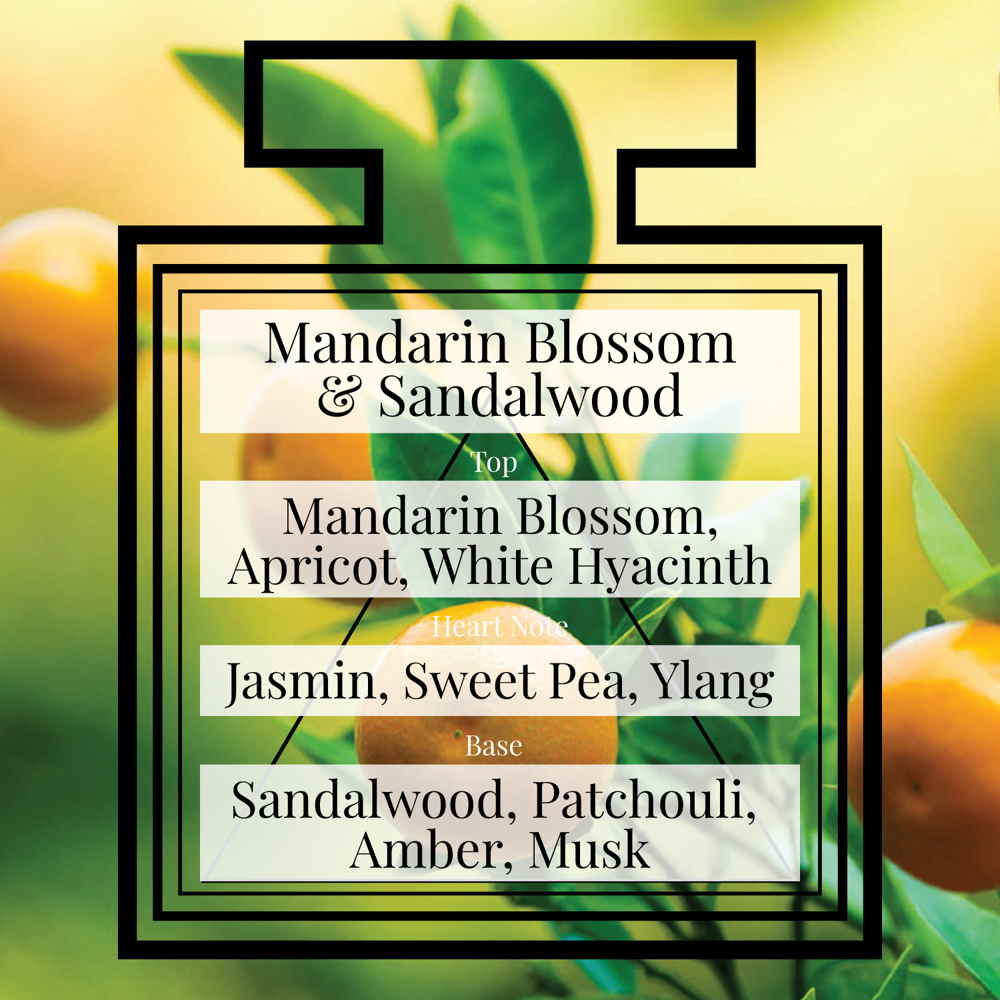
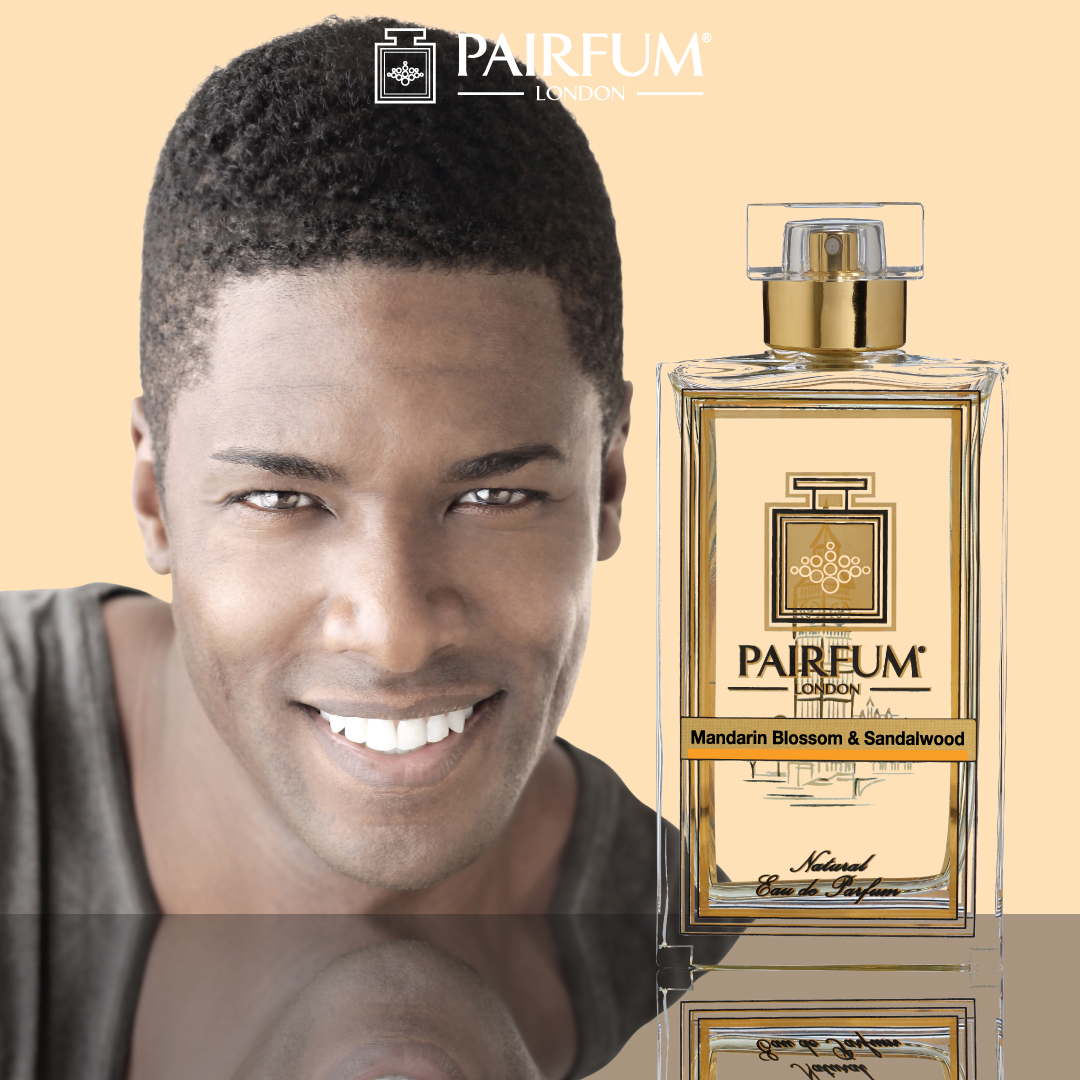
For those seeking a refined expression of mandarin in perfume, Mandarin Blossom Sandalwood Eau de Parfum offers a beautifully layered experience. This fragrance captures the delicate sweetness of mandarin blossom, enhanced by creamy sandalwood and a whisper of white florals. It is an elegant interpretation of the citrus fragrance family, blending freshness with warmth and subtle floral complexity. A perfect choice for those drawn to fragrances that evoke brightness while leaving a soft, lasting impression.
Mandarin Blossom & Sandalwood – Eau de Parfum by Pairfum London
An elegantly, feminine floral Chypre accord opening with the freshness of Mandarin Blossom, Apricot and White Hyacinth as Top notes. It’s romantic heart reveals a floral bouquet of Sweet Pea, Jasmine and Ylang Ylang, while the fond of Sandalwood, Patchouli, Amber and Musk create a magnetic trail.

Rediscover Freshness with Mandarin
The journey of mandarin from a simple citrus fruit to a beloved component of many perfumes is a testament to its enduring charm. Its vibrant, sparkling essence not only offers a delightful burst of freshness but also complements a wide range of other notes, making it an indispensable part of a perfumer’s palette. With different types, precise extraction methods, and countless blend possibilities, there are virtually endless ways for mandarin to enhance and define fragrances, offering a captivating journey of joy and energy. The enduring appeal of this citrus note continues to shine.
When exploring perfumes featuring mandarin, you’re not just embracing a fragrance; you’re inviting the joyous spirit of mandarin into your collection. As you discover the vivid aromas that mandarin brings, you may find yourself enchanted by its ability to evoke warmth and sunshine in any setting, truly transporting you. The journey of mandarin is a sensory adventure, and embracing it might just lead you to your next cherished fragrance. From a simple spritz from a beautifully designed perfume bottle to the nuanced evolution of its scent on your skin, mandarin offers a delightful experience.