

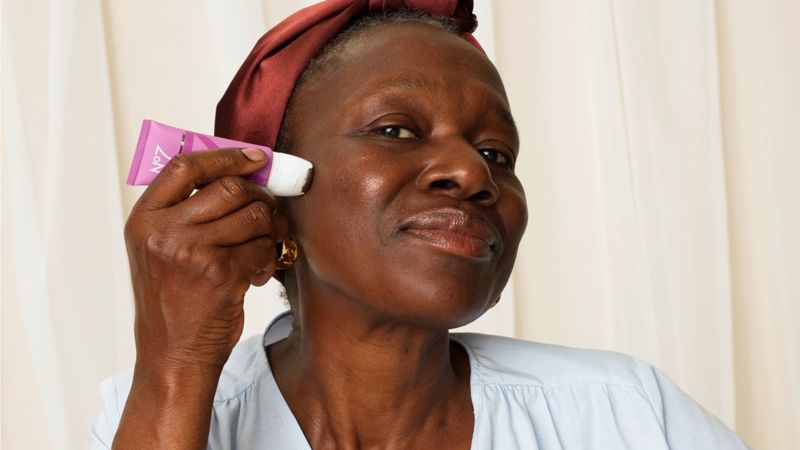
The global anti-aging market has reached unprecedented heights, valued at $60.42 billion and expected to soar to $119.6 billion by 2030. Amidst the plethora of wrinkle-reducing injectables and youth-enhancing creams, several innovative beauty brands are reshaping the narrative surrounding aging. These brands are specifically focusing on a demographic often overlooked by conventional anti-aging marketing: women navigating the complexities of menopause. This fresh perspective emphasizes embracing aging rather than merely fighting its signs, ultimately aiming to empower women during this transformative life stage.
“Women are often deprived of essential information to successfully navigate this significant life phase,” explains Rochelle Weitzner, the visionary founder and CEO of Pause Well-Aging. “Currently, less than 20% of healthcare professionals receive training in menopausal care. There has been a shocking lack of research aimed at understanding menopause and offering scientifically-supported solutions that women can rely on.” This glaring information gap underscores the urgent need for comprehensive education and resources tailored specifically for women experiencing menopause, allowing them to feel informed and empowered.
Brands like Pause and the newly launched Stripes by Naomi Watts are at the forefront of a movement to destigmatize menopause. By prominently featuring midlife women in their marketing strategies, openly discussing the challenging aspects of menopause, and advocating against online censorship, these brands aim to educate women on the 34+ physical and emotional changes that accompany menopause. Weitzner asserts, “Menopausal brands are not just selling products; they are creating educational platforms that affirm these experiences as both normal and universal while providing effective solutions and a comforting community for women.”
The transition into menopause is a natural process experienced by anyone who menstruates. Weitzner emphasizes that this phase is often accompanied by various side effects, including hot flashes and insomnia. These symptoms begin as the body gradually ceases ovulation, entering a stage known as perimenopause. Menopause is officially recognized after twelve months without a menstrual period. During both perimenopause and menopause, women may notice significant changes in their skin’s texture and condition, which can be distressing if not properly addressed.
“The hallmark of menopause is the decline in estrogen production, leading to noticeable changes in skin,” states Dr. Loretta Ciraldo, a board-certified dermatologist based in Miami and founder of Dr. Loretta Skin Care. “As estrogen levels drop, many women experience drier skin, reduced elasticity, and an increased prevalence of sagging and pronounced wrinkles.” Understanding these changes is essential for developing effective skincare routines that cater to the unique needs of menopausal skin, ensuring women can maintain their skin health and appearance during this transition.
Rather than combating the visible signs of aging, adopting a skincare routine specifically designed for menopausal skin can significantly enhance its health and functionality. However, it’s crucial to recognize that menopausal beauty extends beyond mere products and trends. Experts emphasize the necessity of dismantling the perception that menopause equates to a decline in life quality. Weitzner states, “Aging should not be viewed as a negative phase; it can be a time of vitality, health, and vibrancy at any age. Prioritizing your health can profoundly impact your quality of life as you grow older.”
Sandra Chiu, the founder of Lanshin, a licensed acupuncturist, herbalist, and master of science in Traditional Chinese Medicine, emphasizes the importance of shifting the perception surrounding the changes women undergo as they approach menopause. “These changes should be regarded as a natural part of the aging process that everyone experiences, rather than something uniquely daunting about menopause,” she notes. This reframing can help women better accept this phase and encourage them to seek supportive resources and practices.
In the upcoming sections, we will delve into expert opinions on what constitutes effective menopausal skin care and outline the optimal routine to adopt during this transitional phase. Understanding the unique requirements of menopausal skin is key to maintaining its health and appearance, especially as hormonal changes can lead to significant shifts in skin texture and moisture levels.
While an array of anti-aging products exists, menopausal skin care is specifically formulated to address the skin transitions triggered by hormonal changes. This targeted approach ensures that women receive the appropriate care needed during this crucial period, focusing on the unique challenges that accompany menopause, such as dryness and loss of elasticity.
“Research indicates that women experience a loss of approximately 30% of their collagen within the first five years of menopause, with elasticity diminishing by about 1.5% annually thereafter,” reveals Dr. Shari Auth, a licensed acupuncturist, herbalist, and co-founder and chief healing officer of WTHN. This alarming statistic highlights the importance of adopting a proactive skincare regimen tailored to menopausal skin to combat these changes effectively and maintain a youthful appearance.
At Pause, Weitzner has developed clinically tested formulas designed specifically to address the challenges of menopausal skin. “We aim to show women that products formulated for menopausal skin yield far superior results compared to those they relied on in their 30s,” says Weitzner. For instance, with the decline of collagen and elastin levels leading to sagging skin around the neck and jowls, products that stimulate natural collagen production can result in significant visible improvements. Additionally, with skin experiencing decreased sebum production and slower cell turnover, it is crucial to select products that rebalance natural oils and gently exfoliate the skin.
Ciraldo concurs on the necessity of targeted formulations, emphasizing that it’s the quality of ingredients that makes a difference rather than marketing hype. She recommends that all women utilize products rich in active ingredients proven to alleviate unwanted skin changes, starting as early as possible. Establishing a consistent skincare routine can significantly delay the visible impacts of menopause on the skin, and Ciraldo encourages beginning the use of active skincare as early as one’s twenties for optimal results.
While menopause is a universal experience for women, its impact is not uniform across all demographics. Chiu emphasizes that in Western contexts, awareness is often centered around how the skin of white women ages, neglecting the diverse experiences of women of color. “For women of color, the changes in skin and health during menopause can manifest quite differently than those observed in lighter skin tones,” she explains, highlighting the need for inclusive research and products.
For instance, Chiu points out that common changes for individuals with lighter skin tones often include increased dryness and alterations in elasticity and skin strength. Conversely, those with darker, more melanated skin may experience heightened issues related to hyperpigmentation and melasma during menopause. Recognizing these differences is crucial for developing effective skincare solutions tailored to the unique needs of all women undergoing this transition.
With these insights in mind, we present expert recommendations and product suggestions for creating a comprehensive menopausal skincare routine that effectively addresses the unique challenges faced during this transformative phase. By incorporating targeted ingredients and practices, women can enhance their skincare regimen and promote healthier skin as they navigate menopause.
Given that dryness, loss of elasticity, and hyperpigmentation are prevalent effects of menopause on the skin, your skincare routine should prioritize hydration, collagen-boosting, and diminishing dullness. However, simplicity is key; Weitzner asserts, “You don’t require an extensive, complicated skincare routine to achieve healthy, radiant skin.” By maintaining a straightforward approach and carefully selecting active ingredients, women can attain a glowing complexion without overwhelming themselves with excessive products.
Cleansing is foundational to any effective skincare regimen, according to Weitzner. Women experiencing menopause should seek out cleansers with gentle, hydrating formulations that will not exacerbate dryness. A well-chosen cleanser can effectively remove impurities without stripping the skin of its natural moisture, setting the stage for the application of subsequent skincare products.
“We need to keep our skin free of dirt, debris, excess oils, and pore-clogging dead skin cells. Products like our Hydrating Cleanser accomplish this without stripping or overdrying,” Weitzner explains. This creamy formula incorporates the Proprietary Pause Complex, consisting of six essential vitamins, antioxidants, and peptides that support collagen production.
This dermatologist-approved cleanser features hyaluronic acid, ceramides, and glycerin to retain moisture while effectively washing away makeup, sunscreen, and daily grime.
An oil-based cleanser helps preserve the skin’s hydration while effectively melting away makeup and dirt. Formulated with patent-pending Lipid Lock Technology, this marula, moringa, and neroli oil-based cleanser protects the skin against trans-epidermal water loss, leaving it soft and plump.
Serums are an excellent choice for addressing specific skin concerns that arise during menopause. Opt for serums that contain ingredients targeting multiple issues simultaneously, such as a vitamin C serum that combats hyperpigmentation while also providing hydration through ingredients like glycerin. Dr. Ciraldo recommends including vitamin C, retinol, ceramides, linoleic acid (vitamin F), and peptides in your skincare regimen. However, it’s essential to avoid overusing these actives; alternating their application days or times can help mitigate potential irritation. “Active anti-aging ingredients should be carefully matched to your skin type, specific concerns, and tolerance levels,” advises Chiu.
Rich in ceramides, this nourishing serum “replaces skin-healthy oils like lipids and omega fatty acids like linoleic,” explains Ciraldo. In addition to preventing dehydration, the antioxidant liprochroman protects against pollutants and UV damage, while

Sienna Blake is a licensed aesthetic consultant and beauty writer specializing in cosmetic surgery advancements and non-invasive treatments. With a background in dermatology and over eight years of industry experience, Sienna is passionate about helping people achieve confidence through informed beauty decisions. She holds a Bachelor's degree in Health Sciences and regularly collaborates with top plastic surgeons to stay at the forefront of aesthetic innovations. Outside of her work, Sienna enjoys traveling, skincare research, and practicing Pilates.
Java Burn

Drink Coffee and Lose Weight
This will close in 12 seconds