



Daily sun protection is essential for maintaining healthy, youthful skin. But how do you determine which sunscreen is the right fit for you? Typically, sun protection is categorized into two main types: chemical and mineral (physical) sunscreens. Although both provide effective sun defense, they differ significantly in active ingredients and mechanisms of action against UV exposure. Continue reading to uncover the distinctions between these two types and learn about the numerous advantages of incorporating mineral sunscreen into your skincare regimen.
Mineral Vs. Chemical Sunscreen | Mineral Sunscreen Benefits | Dermatologist-Suggested Mineral Sunscreen
Understanding the Fundamental Differences Between Mineral and Chemical Sunscreens
The Mechanism Behind Chemical Sunscreens
The necessity of sunscreen cannot be overstated, as it plays a crucial role in shielding the skin from harmful sun exposure, which can lead to sunburn, skin damage, and even serious conditions like melanoma. Additionally, sunscreen helps mitigate the visible signs of aging induced by UV rays, which include fine lines, wrinkles, sagging, and rough skin texture.
When it comes to sunscreens, the two primary categories are mineral and chemical formulations. Chemical sunscreens are often termed “absorbers” because their active components are carbon-based compounds that absorb UV rays. Through a chemical reaction, these compounds convert UV rays into heat, which is then released from the skin, providing protection.
Common active ingredients found in chemical sunscreens include:
- Oxybenzone
- Octinoxate
- Octocrylene
- Avobenzone
- Ooctisalate
- Homosalate
While these active ingredients are effective in dissipating UV rays, it’s important to note that they are absorbed into the skin, which raises potential concerns for some users.
Exploring the Efficacy of Mineral Sunscreens
Mineral sunscreens, often called “reflectors,” serve as physical barriers that reflect and scatter UV rays away from the skin. They are primarily formulated with zinc oxide and titanium dioxide as their active ingredients. These components create a protective layer on the skin, enabling harmful UV rays to be deflected before they can penetrate the skin’s surface. One key advantage of mineral sunscreens is that they offer immediate protection upon application, eliminating the need to wait indoors for the product to absorb fully.
Mineral sunscreens are suitable for all skin types. According to board-certified dermatologist Dr. Markowitz, as featured in Glamour, mineral formulations are particularly advantageous for individuals with acne-prone or sensitive skin. Since these formulas remain on the skin’s surface rather than being absorbed, they are less likely to clog pores or cause irritation. Additionally, mineral sunscreens are environmentally friendly, as they are often reef-safe, which we will delve into further below.
The Distinctive Mechanics of Sunscreen Protection
Mineral and chemical sunscreens differ fundamentally in how they protect your skin from harmful UV rays. Mineral sunscreens utilize active ingredients like zinc oxide and titanium dioxide to create a protective shield on the skin’s surface. In contrast, chemical sunscreens absorb into the skin and then convert and dissipate UV rays.
The absorption of chemical sunscreen ingredients has raised concerns for some consumers, particularly after a recent study indicated that certain ingredients, such as oxybenzone and avobenzone, can enter the bloodstream after just one application. In a statement, the FDA’s Director Dr. Janet Woodcock acknowledged that while the study indicated some ingredient absorption, further research is necessary to understand the implications fully. On the other hand, the zinc oxide and titanium dioxide found in mineral sunscreens are recognized as safe by the FDA, making them a preferable choice for cautious consumers.
If you prefer a precautionary approach to sunscreen selection, consider opting for mineral sunscreens, as they create a physical shield on your skin without the absorption concerns associated with chemical options.
Another noteworthy distinction is how quickly each type of sunscreen becomes effective. Since chemical sunscreens need time to absorb, they typically require about 20 to 30 minutes before they start providing protection. Let’s dive deeper into the surprising benefits of mineral sunscreen that you may not yet be aware of.
Exploring the Advantages of Using Mineral Sunscreen
If you’re still on the fence about the merits of mineral sunscreens, here are several compelling reasons to incorporate them into your daily skincare routine.
Eco-Friendly Attributes of Mineral Sunscreens
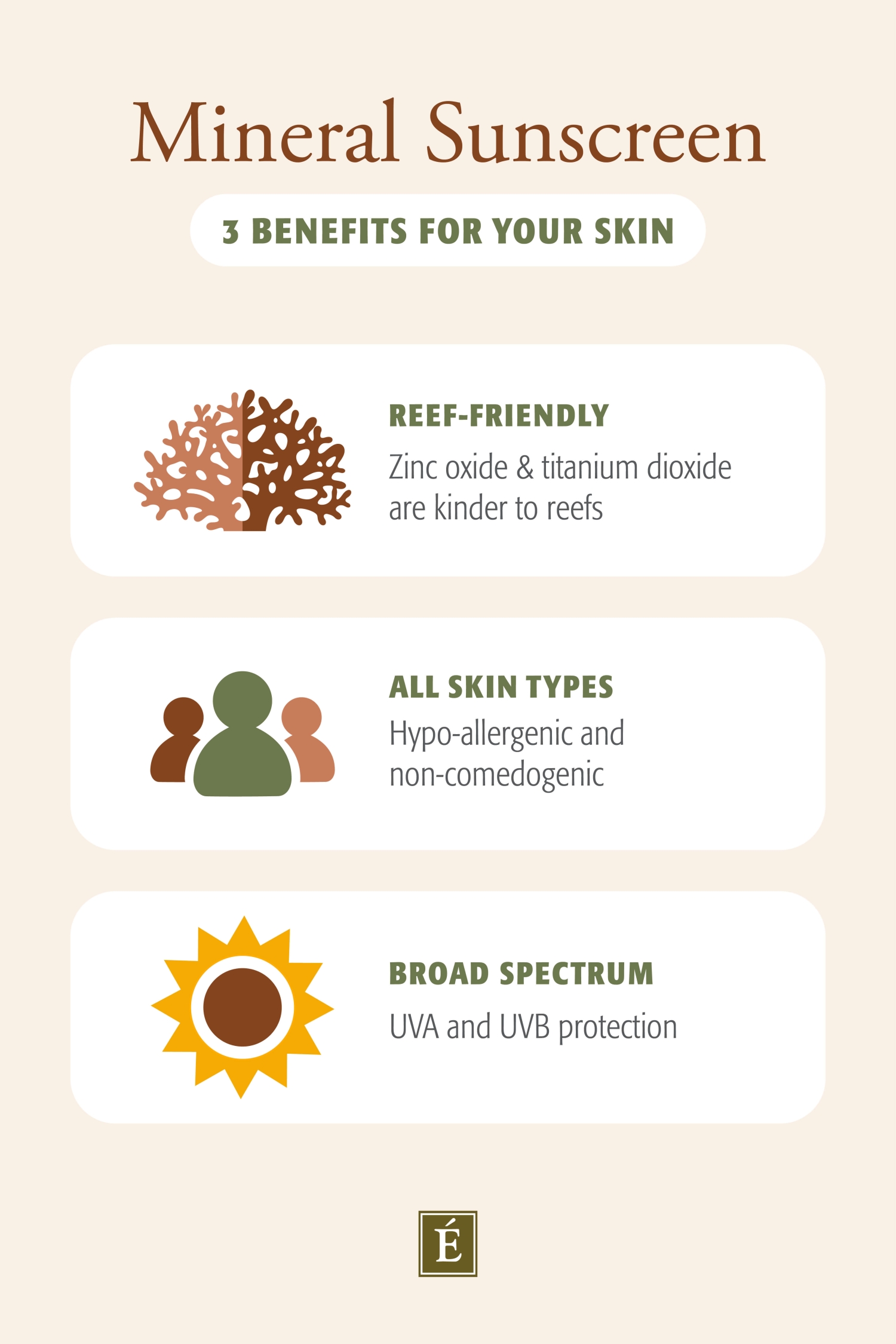
Mineral sunscreens are often more environmentally friendly than their chemical counterparts. Many may not realize that the chemical ingredients found in conventional sunscreens can significantly harm ocean ecosystems and coral reefs, even at low concentrations. As a result, mineral sunscreens have become the preferred choice for beachgoers and travelers concerned about their environmental impact, allowing you to enjoy the sun responsibly.
Gentle and Suitable for All Skin Types
One of the standout features of mineral sunscreens is their hypoallergenic and non-comedogenic properties. These formulations possess anti-inflammatory benefits, making them gentle enough for even the most sensitive skin types. They are free from pore-clogging silicones, making them an ideal option for those prone to breakouts. Additionally, certain formulations cater to dry, combination, and normal skin types, ensuring that everyone can find a mineral SPF that perfectly aligns with their unique skin needs.
Comprehensive Broad Spectrum UV Defense
Mineral sunscreens are effective at reflecting both UVB and UVA rays from the skin’s surface. UVB rays are notorious for causing sunburn and unpleasant symptoms such as redness, dryness, and itchiness, while UVA rays penetrate deeper into the skin, contributing to premature aging and increasing the risk of melanoma, a serious skin cancer. By utilizing mineral sunscreens, you can effectively shield your skin from both types of damaging rays.
Expert-Recommended Mineral Sunscreens for Optimal Protection
Many dermatologists advocate for mineral sunscreens, particularly as the FDA continues its research into the absorption of chemical sunscreen ingredients. “The most crucial factor is regular SPF application,” says dermatologist Loretta Ciraldo, MD, in an interview with Glamour. If you dislike the texture or scent of a sunscreen, you’re unlikely to use it, regardless of whether it’s a mineral or chemical formulation.
Dr. Hooman Khorasani, MD, a quadruple board-certified dermatologist and skin cancer surgeon in New York City, expresses his enthusiasm for mineral sunscreens. He recommends them to patients with skin inflammation, sensitive skin, or those prone to acne or who have undergone energy-based procedures. “Mineral sunscreens reflect UV rays and do not absorb heat in the skin like chemical blockers do, making them gentler on both the skin and the environment,” he explains.
At Eminence Organic Skin Care, we proudly offer a range of mineral sunscreens that are free from harmful ingredients, utilizing non-nano zinc oxide as a safer alternative for both your skin and the planet. Keep reading to discover more about each sunscreen option.
Understanding the Role of Zinc Oxide in Sunscreens
Mineral sunscreens typically utilize zinc oxide as a key physical blocker against UV rays. This is the same zinc that parents often applied to their children’s noses and cheeks in the 1980s, but it has evolved significantly since then. Today, zinc oxide can be found in lightweight, layerable formulations that offer robust sun protection while delivering a natural-looking finish. Let’s explore the myriad benefits of zinc oxide for skin health.
Zinc Oxide: A Cooling Agent for the Skin
Unlike chemical sunscreens that absorb UV rays and convert them into heat, zinc oxide helps keep the skin cool and breathable. By reflecting the sun’s UV rays away from the skin, it helps maintain a comfortable temperature. This cooling effect is particularly beneficial for minimizing skin inflammation and redness associated with conditions such as acne and rosacea.
Zinc Oxide as a Physical Barrier Against UV Rays
While zinc is a naturally occurring mineral, zinc oxide is created by combining zinc with oxygen molecules. When these elements are vaporized and condensed, they form a fine powder that sits atop the skin, providing a protective barrier against both UVA and UVB rays. In addition to forming a physical barrier, zinc oxide acts like a mirror, effectively reflecting UV rays before they can penetrate the skin’s surface.
Promoting Collagen Production with Zinc Oxide
Exposure to UV rays is the leading cause of premature skin aging, as it generates harmful free radicals that can break down collagen, a vital protein responsible for maintaining skin elasticity and firmness. Zinc plays a crucial role in collagen synthesis by activating collagenase, a protein that triggers collagen production, thus aiding in the repair and maintenance of connective tissue in the skin.
Zinc Oxide’s Benefits for Acne-Prone Skin
The benefits of zinc oxide extend to those with breakout-prone complexions. Research indicates that zinc effectively reduces skin inflammation, inhibits the growth of acne-causing bacteria, and regulates the activity of sebaceous glands. Additionally, it possesses astringent properties that tighten the appearance of pores and improve skin texture, making it an excellent choice for those struggling with acne.
Choosing the Ideal All-Mineral Sunscreen for Your Needs
Protecting your skin from sun damage is one of the most effective strategies for slowing down the visible signs of aging and ensuring your skin remains healthy and vibrant. Now that you’re aware of the numerous benefits of all-mineral sunscreens, let’s take a closer look at our sun care options.
Introducing Radiant Protection SPF Fluid
The Radiant Protection SPF Fluid is a lightweight sunscreen that provides broad-spectrum SPF 30 protection while minimizing the appearance of fine lines and wrinkles, thanks to the inclusion of bakuchiol, a natural alternative to retinol.
Discover Lilikoi Daily Defense Moisturizer SPF 40
This all-in-one lightweight daily moisturizer boasts cocoa seed extract, satsuma mandarin peel, and SPF 40 all-mineral protection. If you’re concerned about exposure to blue light from frequent screen time, this moisturizer is specifically formulated to counteract the effects of blue-light stress and environmental pollution. Enriched with cocoa peptides, saccharides, and polyphenols, it enhances the appearance of your skin while providing essential protection.
In addition to combating the visible effects of blue-light exposure, this SPF moisturizer offers defense against UVA and UVB rays, as well as environmental pollutants. The active components, including zinc oxide and titanium dioxide, create a barrier against UV rays to keep your skin looking smooth and healthy.
Lilikoi Mineral Defense Sports Sunscreen SPF 30: Perfect for Active Lifestyles
In addition to our SPF moisturizers, we also recommend our Lilikoi Mineral Defense Sport Sunscreen SPF 30, designed for comprehensive protection from head to toe. This easy-to-apply sport formulation is non-greasy and offers water resistance for up to 40 minutes, making it ideal for outdoor activities.
Bright Skin Moisturizer SPF 40: Targeting Dark Spots
This daily moisturizer features a Natural Hydroquinone Alternative combined with SPF 40 all-mineral protection, specifically targeting the appearance of dark spots. The Natural Hydroquinone Alternative works to enhance the look of dark spots, promoting a smooth, even complexion.
Will you be incorporating a mineral sunscreen into your skincare routine? Share your thoughts in the comments below and engage with us on social media. Experience our all-mineral SPF moisturizers and sunscreens at an Eminence Organics Spa Partner near you.