


In the evolving realm of clean beauty, it’s essential to recognize a crucial fact: not all natural makeup products are genuinely natural. This understanding is vital for consumers who wish to make informed choices about their beauty routines.
While we may be nitpicking, it’s important to disclose that many brands label their makeup as “natural” even when it isn’t entirely accurate. Cosmetic companies often use these vague terms on their packaging because they know such claims resonate with buyers seeking healthier options. This tactic can mislead consumers into purchasing products that don’t meet their expectations for natural ingredients.
This misleading practice is commonly referred to as greenwashing, and surprisingly, it’s a legal loophole that allows brands to misrepresent their products. To navigate this tricky landscape effectively, we encourage you to become a savvy shopper who can identify what to avoid. Our quick guide will highlight key ingredients to watch out for in your quest for true natural beauty.
Many harmful ingredients can easily go unnoticed on product labels. It’s crucial to scrutinize the ingredient lists of all potential purchases, as these harmful substances can also appear in products marketed as “natural.” Remember, while the packaging may be visually appealing, the real story lies within the ingredients. Make it a habit to check labels diligently!
Identify Genuine Natural Makeup by Analyzing These Ingredients
#1: Avoid Parabens for Healthier Choices
Parabens are synthetic preservatives that extend the shelf life of makeup and various personal care products. Although they serve their purpose well, enabling products to last for months or even years, research indicates that these preservatives are absorbed into the skin, raising potential health concerns.
Parabens contain synthetic estrogen compounds, known as xenoestrogens, which can wreak havoc on the hormonal balance in the body. According to studies, excessive exposure to xenoestrogens can lead to increased breast cell division and tumor growth, linking parabens to serious conditions like breast cancer and fertility issues. It’s essential to be aware of these risks when selecting cosmetic products.
Fortunately, there are many alternatives to parabens that can preserve the integrity of cosmetics. For instance, our Long Last Liquid Eyeliner utilizes rosemary, a powerful natural antibacterial agent that helps maintain the freshness of natural ingredients. We also incorporate tocopherols (vitamin E) and Japanese honeysuckle for their effective preservation properties.
To steer clear of parabens, avoid products that list any ingredients ending with “-paraben,” such as methylparaben or propylparaben. Familiarizing yourself with how parabens are utilized in makeup, body care, and other personal care items can empower you to make safer choices.
#2: Investigate the Safety of Pigments in Your Makeup
Makeup has a rich history that dates back to ancient civilizations such as the Sumerians around 4000 BC. For millennia, humans have experimented with various pigments to enhance their appearance. Ancient Egyptians, for instance, used stibnite to create their iconic dark kohl eyeliner, while women of the Tang Dynasty in China employed natural dyes from flowers for their lips and cheeks.
Although pigments used in makeup today aren’t as hazardous as those in the past, it’s still crucial to verify that the pigments present in your natural makeup are safe for your skin and the environment. Understanding the composition of pigments can help you make better choices when selecting makeup products.
Dyes Versus Pigments: The Key Differences
The topic of color in cosmetics is complex, primarily due to the existence of both dyes and pigments. Dyes are typically classified under their category and are often identified on ingredient lists with a color followed by a number, like “Orange 1.” Although dyes can be used in cosmetics, they are frequently derived from petroleum or coal-tar, which may contain trace toxins that could be harmful.
Conversely, pigments are typically composed of natural minerals and botanicals but can also include metallic salts, which sometimes have carcinogenic properties. The ideal pigments for your skin are those derived from minerals and botanicals, as they are naturally occurring and gentle on both your skin and the planet. Look for ingredients listed as “oxides” or “mica” for shimmering effects.
Botanical pigments offer a delightful variety and are found in our makeup products, sourced from items like pomegranates, blackberries, turmeric, and even red wine. Our Fruit Pigmented® Ultra Lengthening Mascara, for instance, is infused with pigments from black tea, earning accolades from The Good Trade as one of the top natural and organic mascaras.
With a wide range of fruit-pigmented options, including lipsticks and foundations, our Pretty Naked Palette exemplifies the beauty of nature-based cosmetics. This palette features natural pigments like cacao, pomegranate, cherry, and plum, combined with subtle mineral shimmer for a stunning finish.
#3: Say No to Silicones and PEGs for Safer Skincare
Polyethylene glycols (PEGs) are water-soluble silicones that are commonly used in cosmetics for their moisturizing properties, preservation abilities, and enhanced absorption qualities. While PEGs are generally regarded as safe, they have drawn criticism within the clean beauty community for their potential to cause mild irritation and for the impurities often found in them.
Research published in the International Journal of Toxicology has identified various pollutants in PEGs, including heavy metals, polycyclic aromatic compounds, and ethylene oxide. When combined with harmful or endocrine-disrupting chemicals, PEGs can facilitate the rapid absorption of these toxins into the bloodstream, raising serious health concerns.
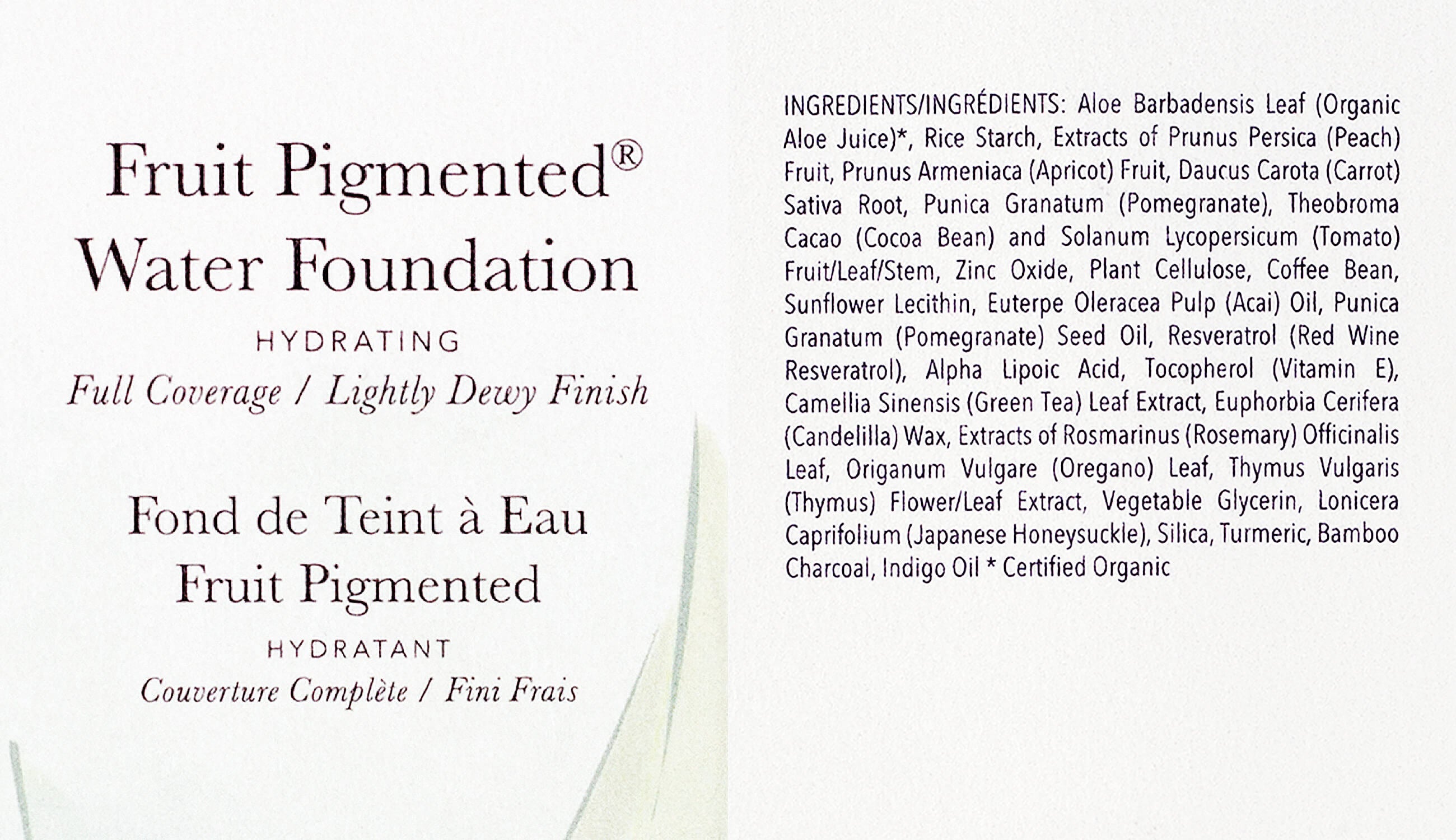
Instead of using silicones and PEGs, focus on natural makeup products that incorporate plant-based emollients. A great example is our Fruit Pigmented® Full Coverage Water Foundation, which features nourishing ingredients like acai oil, plant cellulose, and vegetable glycerin. This foundation glides on smoothly and achieves a flawless finish when paired with our Mattifying Primer, which utilizes seaweed collagen instead of silicone for a long-lasting, smooth application.
Stay Updated: Subscribe to Our Newsletter
for more blog updates and exclusive discounts

#4: The Truth About Talc in Cosmetics
Talc is a naturally occurring mineral commonly added to cosmetics and personal care products to enhance texture and prevent clumping. You will often find talc in various products, including face powders, eye shadows, blushes, baby powders, and dry shampoos. If a product has a powdery texture, it likely contains talc.
Despite being classified as a natural ingredient, talc has garnered a negative reputation due to its association with asbestos, a harmful mineral linked to serious respiratory issues and even lung cancer. Although the two minerals have distinct chemical compositions, they can often be found in close proximity within the Earth, as noted by the FDA.
While talc remains legal in the United States, it has been banned in the EU due to health concerns. To stay informed, it’s wise to research which ingredients are prohibited in Europe but still allowed in the U.S. This knowledge can enhance your understanding of natural makeup products and their safety.
You don’t have to sacrifice mattifying properties in your natural makeup to avoid asbestos. Our preferred plant-based alternatives include rice powder and rice starch, which effectively absorb excess oil and create a matte finish. Rich in niacin, rice powder is a key ingredient in our Fruit Pigmented Foundation Powder and Powdered Blush, ensuring they are safe for sensitive skin while providing a healthy, luminous glow.
Common Questions About Natural Makeup: Get Informed!
What Certifications Should I Look For in Authentic Natural Makeup?
Absolutely! Key certifications to look for include Leaping Bunny; Beauty Without Bunnies (PETA’s cruelty-free certification); Cruelty-Free; USDA Certified Organic; NSF Certified Organic; Biodynamic® / Demeter®; Rainforest Alliance; COSMOS / Ecocert; and Fair for Life. Additionally, Third-Party Certifiers provide independent reviews of a product’s supply chain and production process, ensuring transparency and accountability.
Navigating through the myriad of beauty certifications can feel overwhelming at times. With so many options available, it’s easy to become confused. Start by focusing on a few key certifications that resonate with your values. You don’t have to replace all your beauty products immediately. Instead, as your current products run out, take the opportunity to research and choose more ethical and sustainable alternatives.
What is Driving the Growing Popularity of Clean Beauty and Natural Makeup?
The increasing awareness of potentially harmful ingredients in traditional skincare and makeup products has prompted consumers to seek natural alternatives. Clean and natural beauty brands often prioritize transparency regarding their ingredient lists and manufacturing practices, enabling consumers to make informed choices. This shift towards natural products is not merely a trend; it’s a movement towards better health and sustainability.
Moreover, natural beauty and makeup brands frequently emphasize sustainable practices, utilizing organic and eco-friendly ingredients, packaging, and waste reduction initiatives. Their commitment to preserving our environment, including the safety of our lands and oceans, resonates deeply with today’s conscious consumers.
Can Natural Makeup Compete with Synthetic Alternatives in Performance?
Absolutely! In many cases, natural makeup can outperform synthetic products. Natural formulations typically exclude harmful ingredients that can negatively affect skin health. Many natural components have been utilized for centuries and are backed by scientific research affirming their safety and efficacy. When selecting cosmetics, look for products made with organic ingredients, cruelty-free certifications, and sustainable practices for reliable formulas.
Additionally, consider a brand’s commitment to transparent manufacturing practices and sourcing methods. By evaluating these factors, you can make well-informed choices that reflect your values and promote overall well-being.
What Misconceptions Surround Natural Makeup Products?
Certainly! A common misconception is that natural skincare products always come with a higher price tag. While it’s true that some premium natural products may be more expensive, not all natural options are costly. The price of beauty products varies based on a range of factors, including brand reputation, ingredient sourcing, manufacturing methods, and packaging.
Can Natural Makeup Trigger Allergic Reactions or Breakouts?
Generally speaking, natural skincare products are considered safer and less likely to provoke allergic reactions when compared to synthetic alternatives. These products often work in harmony with the skin, providing hydration and support for its natural functions. However, if you have sensitive skin, it is advisable to conduct a patch test before applying any new product.
If you’re interested in further exploring the differences between conventional makeup and clean, non-toxic alternatives, check out our comprehensive guide on swapping popular products for cleaner options!
