


Incorporating a night cream into your skincare regimen is widely regarded as essential for achieving effective results. The concept is straightforward: apply a rich cream before bedtime, allowing it to perform its rejuvenating effects overnight, so you wake up with radiant, smooth skin. However, what if the night cream you’re currently using is more detrimental than beneficial?
The reality is that not all night creams are formulated equally. Many traditional creams contain harsh components that can irritate your skin, block your pores, or interfere with your skin’s natural healing processes. To genuinely experience the advantages of a night cream, it’s crucial to select one made with clean, nourishing ingredients that harmonize with your skin’s needs as you sleep.
This article will delve into the reasons why your existing night cream may not be delivering the expected results, how to select the ideal night cream for your skin type, and key strategies to optimize your nighttime skincare routine.
Understanding the Essential Role of Night Cream in Skincare
Throughout the day, your skin endures various stressors including sun exposure, pollution, makeup, and environmental toxins, which can negatively impact its health. Nighttime serves as the optimal period for your skin to repair itself, making it the perfect opportunity to apply products that can enhance this natural process.
A night cream is specifically designed to function while you rest, delivering hydration and active ingredients that your skin needs for recovery. Unlike day creams, night creams typically feature more nourishing and restorative components since they don’t require sun protection or compatibility with makeup.
The benefits of using a high-quality night cream include:
- Intensive hydration to combat moisture loss during the night
- Enhanced support for your skin’s natural repair processes
- Minimized visibility of fine lines and wrinkles
- A brighter, more luminous complexion upon waking
Conversely, using an unsuitable night cream can have the opposite effect. Heavier creams containing comedogenic ingredients may block pores, resulting in breakouts. Additionally, some formulations may include synthetic fragrances and harsh preservatives that can irritate the skin and compromise its barrier function. Therefore, selecting the correct formula is vital.
Identifying Harmful Ingredients in Your Night Cream
Take a moment to scrutinize the ingredient list of your night cream, and you may be astonished by what you discover. Numerous conventional night creams are laden with ingredients that offer immediate satisfaction yet can inflict lasting damage to your skin.
Here are several common problematic ingredients you should steer clear of in your night cream:
1. Mineral Oil
A prevalent base in many creams, mineral oil can clog pores and hinder your skin’s ability to breathe. This poses a significant issue for individuals with acne-prone skin.
While an appealing scent may enhance your experience with the cream, synthetic fragrances can be extremely irritating, particularly for sensitive skin types.
3. Parabens and Preservatives
These substances are used to extend the shelf life of your products, but they may disrupt hormonal balance and provoke skin irritation.
4. Alcohols
Certain alcohols in skincare formulations can be drying and can upset your skin’s moisture equilibrium. It’s best to avoid components like denatured alcohol or ethanol in your night cream.
5. Silicones
Although silicones may give your skin a silky texture, they create a barrier that can trap dirt, bacteria, and excess oil, potentially leading to breakouts.
On the other hand, the best night creams are formulated with natural, skin-friendly ingredients such as plant oils, antioxidants, vitamins, and hyaluronic acid, which hydrate and repair your skin without causing irritation.
Choosing the Right Night Cream Tailored to Your Skin Type
Selecting the optimal night cream is not a universal process. Factors like your skin type, specific concerns, and skincare goals should guide your choice. A night cream that effectively addresses dry skin might be overly rich for someone with oily or acne-prone skin, and vice versa. Here’s how to select the right night cream for your unique skin type:
1. For Dry Skin
If you have dry skin, look for a night cream that prioritizes deep hydration and barrier restoration. Seek out creams enriched with ingredients like shea butter, avocado oil, and hyaluronic acid to lock in moisture and support skin repair overnight.
Tip: Steer clear of alcohol-based products that can exacerbate dryness.
2. For Oily or Acne-Prone Skin
Individuals with oily or acne-prone skin may hesitate to use night creams due to concerns about pore blockage. However, choosing the right night cream with non-comedogenic ingredients can actually help regulate oil production and minimize breakouts.
Look for lightweight formulations that feature ingredients like niacinamide, green tea, or aloe vera, which can calm inflammation and balance oil levels.
3. For Mature Skin
As our skin matures, its natural repair mechanisms slow down, which can result in wrinkles, fine lines, and sagging. The ideal night cream for mature skin should include ingredients that stimulate collagen production, such as retinol, peptides, and vitamin C, to enhance elasticity and diminish signs of aging.
Tip: Remember to prioritize hydration! Mature skin often battles dryness, so opt for a night cream that boasts a rich texture to deeply nourish your skin.
4. For Sensitive Skin
If you have sensitive skin, focus on soothing ingredients such as chamomile, calendula, and oatmeal. The best night cream for sensitive skin should avoid synthetic fragrances, parabens, and other harsh additives that could cause irritation.
Tip: Always conduct a patch test with new products before applying them to your full face to ensure there are no adverse reactions.
Recognizing If Your Night Cream Is Ineffective for Your Skin
Even if you’ve chosen a high-quality night cream, it’s still possible that it doesn’t suit your skin type. Watch for these signs indicating that your current night cream may be causing more harm than good:
- Increased Breakouts: If you experience more breakouts than normal, your cream could be too heavy or contain pore-clogging components.
- Redness or Irritation: Ingredients like synthetic fragrances or preservatives in your night cream may be causing irritation.
- Greasy Feeling in the Morning: If you wake up with an overly oily complexion, your night cream might be excessively rich for your skin type.
- No Noticeable Improvement: A quality night cream should leave your skin feeling refreshed and hydrated by morning. If you’re not observing positive changes, consider switching to a different product.
Understanding the Critical Importance of Hydration During Sleep
During sleep, your skin enters a phase of repair and regeneration. It works to rebuild collagen, mend damage caused by UV exposure and environmental pollutants, and restore hydration levels. This makes nighttime the perfect opportunity to deliver hydration and beneficial ingredients to your skin.
An effective night cream will:
- Seal in moisture to combat overnight water loss, also known as transepidermal water loss.
- Offer antioxidants to combat free radical damage.
- Provide active ingredients that promote cell turnover and collagen synthesis.
Using the best night cream tailored to your skin type ensures that you wake up with nourished, rejuvenated, and glowing skin.
Top 100% PURE Products for Your Nighttime Skincare Routine
Here are five recommended 100% PURE products that can elevate your nighttime skincare routine. Each product is packed with clean, natural ingredients designed to support your skin’s overnight repair processes.
1. Restorative Sea Culture Extra Riche Créme
This intensely hydrating night cream is infused with sea minerals, seaweed, and shea butter, providing deep nourishment and replenishment for your skin overnight. Ideal for dry or mature skin types, it aids in restoring hydration and fortifying the skin barrier.
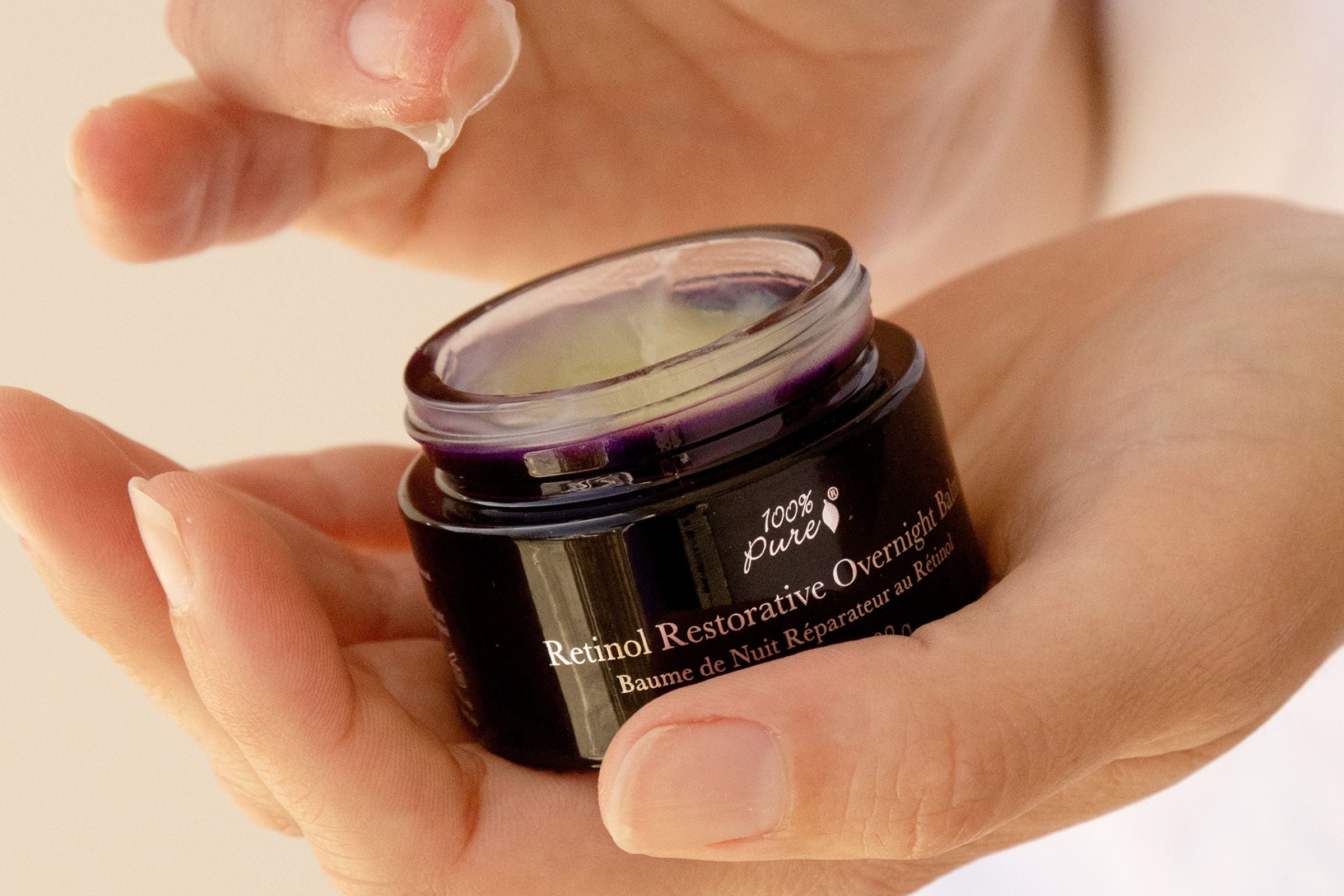
2. Retinol Restorative Overnight Balm
This balm is an excellent choice for those aiming to diminish signs of aging while enhancing skin texture. Formulated with natural retinol sourced from carrot seeds, it promotes cell turnover and stimulates collagen production without causing irritation.
3. Green Tea EGCG Concentrate Cream
This night cream harnesses potent antioxidants from green tea and EGCG, safeguarding against free radical damage while soothing inflammation. It’s particularly beneficial for sensitive or acne-prone skin types.
4. Multi-Vitamin + Antioxidants Ultra Riché PM Treatment
Rich in vitamins A, C, D, and E, this night cream deeply nourishes and repairs the skin overnight. It also features CoQ10 and niacinamide to enhance skin elasticity and reduce the appearance of fine lines.
5. Organic Rosehip Oil
Renowned for its ability to boost collagen production and minimize the appearance of scars and fine lines, this lightweight yet deeply nourishing oil is suitable for all skin types.
Your Top Questions About Night Creams Answered
1. What differentiates a night cream from a day cream?
A night cream is typically richer and formulated with components that support your skin’s natural repair processes. It lacks SPF since it’s intended for nighttime use and often includes a higher concentration of active ingredients to enhance hydration, diminish signs of aging, and repair skin damage.
2. Is it acceptable to use my day cream at night?
While you can use your day cream at night in a pinch, it’s not recommended. Day creams are generally lighter and may not offer the same level of nourishment that your skin requires at night. The best night cream is specifically crafted to align with your skin’s repair cycle during sleep.
3. How often should I apply a night cream?
You should apply your night cream every evening as part of your bedtime skincare routine. Regular use will yield the most significant benefits over time.
4. What ingredients should I seek in the best night cream?
Look for beneficial ingredients such as hyaluronic acid, retinol, peptides, antioxidants (like vitamin C and green tea), and natural oils such as rosehip or sea buckthorn. Avoid synthetic fragrances, parabens, and other harsh additives.
5. Can a night cream lead to breakouts?
Yes, if you’re using a night cream containing comedogenic ingredients or one that’s too heavy for your specific skin type, it can congest your pores and contribute to breakouts. Always choose a non-comedogenic night cream that addresses your skin’s unique requirements.
By comprehending what truly makes the best night cream effective and selecting products that include clean, nourishing ingredients, you can maximize your skin’s overnight repair processes and awaken with healthier, more vibrant skin. Remember, your nighttime skincare routine is just as crucial as your morning regimen, so make it count!
