


Have you ever taken a moment to consider the specific ingredients that make up your favorite perfume? Understanding these components can enhance your appreciation for the intricate art and science of perfumery. It’s more than just a pleasant scent; it’s about forging a sensory connection with a meticulously crafted blend of elements that evoke memories and emotions.
At our perfumery, we are dedicated to sourcing the finest perfume ingredients for every bottle we create. We believe that by learning about the components and their purpose, you can form a deeper connection with the fragrance you wear. Whether you are a casual user or a passionate fragrance enthusiast, expanding your knowledge of perfume ingredients can significantly enrich your experience and deepen your understanding of this captivating craft.
Join us as we reveal the hidden stories behind perfume ingredients, exploring everything from timeless classics to cutting-edge synthetics that are paving the way for the future of fragrance. This is your chance to dive into the world behind the bottle—where every ingredient has significance, and every note narrates a unique tale.
Discover the Essential Elements: Comprehensive Guide to Key Perfume Ingredients
The selection of perfume ingredients is crucial in crafting fragrances that resonate with the senses. In the realm of perfumery, the options are vast, comprising a blend of natural extracts and synthetic ingredients. Natural components often encompass flowers, fruits, woods, and resins, each contributing distinct characteristics to the overall fragrance. For example, jasmine and rose are cherished for their rich floral notes, while sandalwood and cedar impart a grounding, woody depth.
However, not all delightful fragrances can be derived from nature alone. This is where synthetic ingredients come into play. They not only replicate scents that are challenging to extract from natural sources, like lily of the valley, but they also provide consistency in quality and intensity. By shedding light on these ingredients, we aim to emphasize the thoughtful selection process that brings each fragrance to life, harmonizing various components to create something truly distinctive and memorable. Gaining insight into these ingredients offers a peek into the meticulous artistry and scientific expertise involved in every bottle.

The Harmonious Blend: Analyzing Natural and Synthetic Ingredients in Modern Perfumery
Both natural ingredients and synthetic ingredients play essential roles in the realm of fragrance creation. Natural ingredients are celebrated for their authentic scents derived directly from the environment, appreciated for their complexity and multi-dimensional profiles. Conversely, synthetic ingredients offer reliability and the ability to develop innovative accords that push the boundaries of traditional perfumery.
Incorporating synthetic ingredients can significantly enhance the stability and longevity of a perfume, allowing the fragrance to linger longer on your skin. Additionally, these synthetics are vital when considering sustainability. Some natural ingredients are rare or require extensive resources to cultivate, which may not always be feasible or ethical. In these scenarios, synthetic fragrances provide a sustainable, cruelty-free alternative without sacrificing fragrance quality.
By blending these two categories of ingredients, we can craft perfumes that are not only enchanting but also environmentally responsible. This duality ensures that we continue to provide you with fragrances that are as beautiful as they are conscientious.
The Journey of Sourcing: Ensuring Quality and Sustainability in Ingredient Selection
At the core of our craft lies an unwavering commitment to quality, which is why the selection and sourcing of perfume ingredients adhere to rigorous standards. Each ingredient is chosen based not only on its aromatic profile but also on its source and purity. The finest ingredients are sourced from trusted suppliers who share our commitment to sustainability and ethical practices, ensuring the use of organic and responsibly harvested natural materials.
Ingredient traceability is also of paramount importance. Understanding where and how each component is sourced allows us to uphold the highest standards of quality control and sustainability. For instance, sourcing lavender from farms practicing organic methods guarantees that the quality of raw materials is not compromised by harmful chemicals. Similarly, we ensure that any synthetics we use conform to the highest safety and quality standards.
This meticulous selection process enables us to merge tradition with innovation, resulting in perfumes that are not only aromatic but also of exceptional quality, safe for our customers, and gentle on the planet.

Mastering the Craft: Artful Blending of Ingredients for Distinctive Fragrance Creations
The art of combining ingredients to create a distinctive fragrance is a meticulous craft that demands extensive knowledge, creativity, and precision. It begins with a clear understanding of the profile of each ingredient, taking into account factors such as volatility, aroma profile, and how well it harmonizes with other notes. Esteemed perfumers utilize both traditional techniques and innovative methods to achieve balanced and harmonious blends.
The process often commences with a concept or an emotional response we want the perfume to evoke. Following this, a base note is selected to serve as the foundation of the fragrance—typically something rich and enduring, like musk or amber. Next, heart notes are layered in, which form the core of the fragrance, often featuring floral or fruity elements to bridge the base with more fleeting top notes, usually lighter scents such as citrus or herbal aromas.
Each fragrance undergoes multiple rounds of testing and refinement, ensuring that the final product possesses the right blend, strength, and longevity. At Pairfum London, we engage in an intricate process that enables us to create fragrances that are uniquely ours, providing our customers with an exclusive olfactory adventure.
Understanding Fragrance Categories: A Comprehensive Overview of Scent Families
In the realm of perfumery, fragrances are typically categorized into families based on their dominant notes and overall character. Familiarizing yourself with these families can facilitate your navigation through the expansive world of perfumes, helping you discover scents that resonate with your unique preferences. Let’s explore some of the most common fragrance families and their defining notes.
Floral Fragrances: Celebrating the Essence of Flowers
Floral fragrances stand as one of the most cherished and widely recognized families, showcasing the beauty and variety of flowers. These perfumes may range from soft and romantic, featuring notes like rose, jasmine, and lily of the valley, to bold and opulent compositions that include accords of tuberose, gardenia, and orange blossom. Floral scents evoke a sense of femininity, elegance, and natural allure.
Citrus Fragrances: A Refreshing Burst of Zest
Citrus fragrances are renowned for their invigorating and uplifting qualities, typically featuring notes of lemon, Bergamot, orange, and grapefruit. These scents are ideal for warm weather or whenever you seek a revitalizing pick-me-up. Citrus aromas are often linked to energy, vitality, and a cheerful disposition.
Woody Fragrances: Earthy and Refined
Woody fragrances are characterized by their warm, earthy, and sophisticated notes, frequently featuring ingredients like sandalwood, cedarwood, patchouli, and vetiver. These perfumes can vary from dry and smoky to creamy and balsamic. Woody scents are often associated with strength, confidence, and a deep connection to nature.
Oriental Fragrances: Rich and Alluring
Oriental fragrances are celebrated for their luxurious richness, warmth, and exotic charm. These perfumes frequently include notes of vanilla, amber, spices, and resins like frankincense and myrrh. Oriental scents are often linked to sensuality, mystery, and refinement.
Fruity Fragrances: Sweet and Lively
Fruity fragrances are defined by their juicy, sweet, and playful notes, often incorporating ingredients like berries, peach, pear, and tropical fruits. These perfumes can range from light and refreshing to rich and gourmand. Fruity scents are frequently associated with youthfulness, happiness, and a sense of playfulness.
By grasping these fragrance families and their signature notes, you can enhance your appreciation for the artistry and intricacy of perfumes. Whether your preference leans toward delicate floral scents, refreshing citrus notes, earthy woody accords, exotic oriental fragrances, or playful fruity blends, there is a perfect perfume awaiting you.
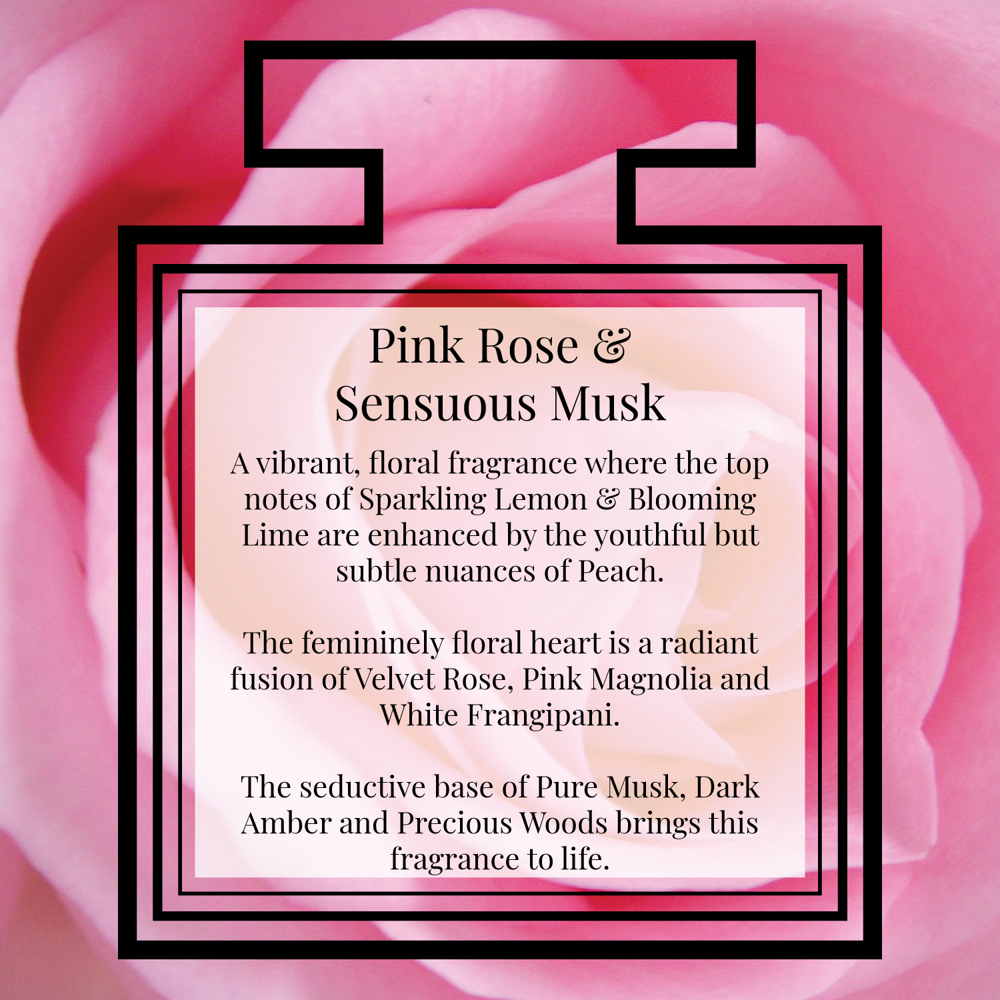
The Dynamics of Fragrance Notes: Decoding the Layers of Scent
When you experience a perfume, you’re engaging with a complex interplay of various fragrance notes that unfold over time. These notes are categorized into three primary stages: top notes, heart notes, and base notes. Each stage serves a vital function in the overall fragrance composition, contributing to its unique identity.
Top Notes: Crafting First Impressions
Top notes are the initial scents you notice upon applying a perfume. These are generally light, volatile molecules that evaporate quickly, establishing the first impression of the fragrance. Citrus oils, like bergamot and lemon, are frequently employed as top notes, along with green and herbal notes such as basil and mint. Designed to capture your attention, top notes entice you to delve deeper into the fragrance.
Heart Notes: The Heart of the Fragrance
Heart notes, also referred to as middle notes, emerge as the top notes gradually fade. They form the core of the fragrance and tend to last longer on the skin than the top notes. Prominent floral notes like rose, jasmine, and lily of the valley often characterize the heart, alongside spicy notes such as cinnamon and clove. Heart notes establish the primary theme of the fragrance and contribute significantly to its overall character.
Base Notes: Creating Lasting Impressions
Base notes are the foundation of the fragrance, becoming prominent as the heart notes subside. These heavier and longer-lasting molecules linger on the skin for hours or even days. Common base notes include woody scents like sandalwood and cedarwood, as well as musky notes such as musk and amber. Base notes provide depth, warmth, and richness to the fragrance, leaving a memorable impression on the wearer.
This dynamic interplay among the three stages results in a fragrance experience that evolves over time. As the perfume interacts with your skin and the surrounding environment, the notes develop and blend, creating a distinctive scent that is uniquely yours. By understanding these different fragrance notes, you can appreciate the complexity and creativity of perfumes, enabling you to select scents that align with your individual preferences.
From Raw Materials to Luxurious Fragrances: The Comprehensive Process of Perfume Creation
The creation of a natural perfume involves a meticulous process that encompasses sourcing the finest raw materials, blending them with precision, and ensuring that the final product adheres to the highest quality and safety standards. Let’s take a closer look at the essential steps involved in this fascinating journey.
Sourcing Ingredients: A Global Pursuit
Perfume ingredients are sourced from diverse regions around the globe, each offering unique natural and synthetic treasures. From the fragrant fields of Grasse, France, to the exotic spice markets of India, perfumers embark on a worldwide quest to discover the ideal ingredients for their creations.
Natural ingredients, such as essential oils, are obtained through various extraction methods, including steam distillation and solvent extraction. These methods meticulously capture the aromatic essence of plant materials, preserving their delicate characteristics. On the other hand, synthetic ingredients are synthesized in laboratories using advanced techniques like green chemistry. Each fragrance ingredient or essential oil presents a vast array of possibilities, enabling perfumers to create perfume oils that either replicate natural scents or invent entirely new ones.
The Perfumer’s Art: Blending Ingredients for Captivating Fragrances
Once the ingredients are sourced, the perfumer embarks on the intricate task of blending them to create a harmonious and enchanting fragrance. This is where the perfumer’s artistry and expertise truly shine. Leveraging their knowledge of fragrance families, notes, and accords, they carefully combine the elements, adjusting proportions and layering scents to achieve the desired outcome.
The blending process is a delicate dance of science and intuition. Perfumers must consider each ingredient’s volatility, its interaction with other notes, and its contribution to the fragrance’s overall composition. They rely on their sense of smell, continuously assessing the evolving scent and making necessary adjustments. The final product emerges as a carefully orchestrated symphony of scents, with each note playing a significant role in crafting a beautiful and unforgettable fragrance.
Prioritizing Safety and Regulations: Ensuring Consumer Trust
The creation of perfumes is not solely about crafting beautiful scents; it also encompasses ensuring the safety of the final product. The fragrance industry is bound by strict regulations and guidelines that protect consumers from potential harm. The International Fragrance Association (IFRA) sets standards for the safe use of fragrance ingredients, ensuring that perfumes are free from harmful chemicals and allergens.
Fragrance houses conduct extensive testing to guarantee their products are safe for consumer use. This includes evaluating the potential for skin irritation, allergic reactions, and other adverse effects. By adhering to these rigorous standards, perfumers can create fragrances that are captivating yet safe for consumers to enjoy.

Beyond Perfume: The Multifaceted Uses of Fragrance Ingredients
While perfumes are the most well-known application of fragrance ingredients, their versatility extends far beyond the realm of fine fragrances. These adaptable ingredients play a vital role in a wide array of products, including cosmetics, cleaning supplies, and even flavoring in food and beverages.
In the cosmetics sector, fragrance ingredients enhance the sensory experience of products such as lotions, shampoos, and soaps. They can impart luxury, evoke specific moods, or simply mask the natural odors of other components. In cleaning products, these ingredients neutralize unpleasant smells and leave a fresh and welcoming aroma. In the food and beverage industry, fragrance ingredients—often referred to as flavor components—are used to craft enticing flavors and aromas in a variety of products.
The versatility of fragrance ingredients underscores their significance in our daily lives. From the perfumes we apply to the products we utilize, these ingredients subtly yet profoundly shape our sensory experiences, enhancing our overall well-being.
Exploring the Diverse Range of Fragrance Ingredients
The universe of fragrance ingredients is vast and diverse, presenting perfumers with countless options to create unique and captivating scents. Let’s explore some of the most common and fascinating ingredients utilized in contemporary perfumery.
Natural Ingredients: Nature’s Aromatic Treasures
Nature offers a rich array of aromatic treasures, from delicate flowers to exotic spices. Some of the most popular natural ingredients in perfumery include:
- Floral Notes: Rose, jasmine, lavender, lily of the valley, orange blossom, tuberose, gardenia.
- Citrus Oils: Bergamot, lemon, orange, grapefruit, lime, mandarin.
- Woody Notes: Sandalwood, cedarwood, patchouli, vetiver, oakmoss, guaiac wood.
- Spices: Cinnamon, clove, nutmeg, cardamom, ginger, pepper.
- Resins: Frankincense, myrrh, benzoin, labdanum, opoponax.
- Animalic Notes: Musk, civet, castoreum, ambergris (now largely replaced by synthetic alternatives).
These natural ingredients, typically extracted through traditional methods like steam distillation and solvent extraction, imbue fragrances with authenticity and complexity. They encapsulate the essence of nature, invoking memories and feelings associated with the natural world. Essential oils, derived from various plant parts, exemplify natural ingredients that provide a broad spectrum of aromatic possibilities.
Synthetic Ingredients: The Innovation Behind Modern Fragrance
Synthetic ingredients, created in laboratories through advanced chemical processes, furnish perfumers with an extensive array of possibilities. They can replicate natural scents, enhance the performance of natural ingredients, or even give rise to entirely new and unique accords. Some common synthetic ingredients used in perfumery include:
- Aldehydes: These molecules contribute a clean, soapy, or waxy quality to fragrances. They are frequently employed in floral and citrus perfumes to brighten and amplify their diffusion.
- Musks: Synthetic musks impart a warm, sensual, and skin-like quality to fragrances. They are often incorporated as base notes to enhance depth and longevity.
- Woods: Synthetic woody notes, such as Iso E Super and Cashmeran, deliver a smooth, creamy, and enduring woody character. They are commonly used in contemporary perfumes to evoke sophistication and elegance.
- Fruity Notes: Synthetic fruity notes, like ethyl maltol and gamma-decalactone, replicate the juicy, sweet, and tart aromas of various fruits. They often enliven gourmand and fruity fragrances, providing a delightful and playful twist.
Synthetic ingredients have transformed the landscape of perfumery, granting perfumers the ability to craft scents that were previously unattainable with natural ingredients alone. They offer greater creative freedom, improved performance, and a broader range of scent possibilities. For instance, benzyl benzoate is a popular synthetic component used as a fixative and solvent in perfumes, contributing to their longevity and stability.
The Function of Carrier Oils: Essential for Blending and Dilution
Alongside natural and synthetic fragrance ingredients, carrier oils play a pivotal role in the creation of perfumes. Derived from plants like coconut oil or jojoba oil, these oils serve as a base for diluting and blending concentrated fragrance ingredients. They also nourish and hydrate the skin, enhancing the overall wearing experience of the perfume.
The choice of carrier oil can impact the fragrance’s overall profile. For example, coconut oil imparts a subtle sweetness and creaminess, while jojoba oil is known for its lightweight and non-greasy nature. Perfumers carefully select carrier oils that complement the fragrance composition and enhance its skin performance.
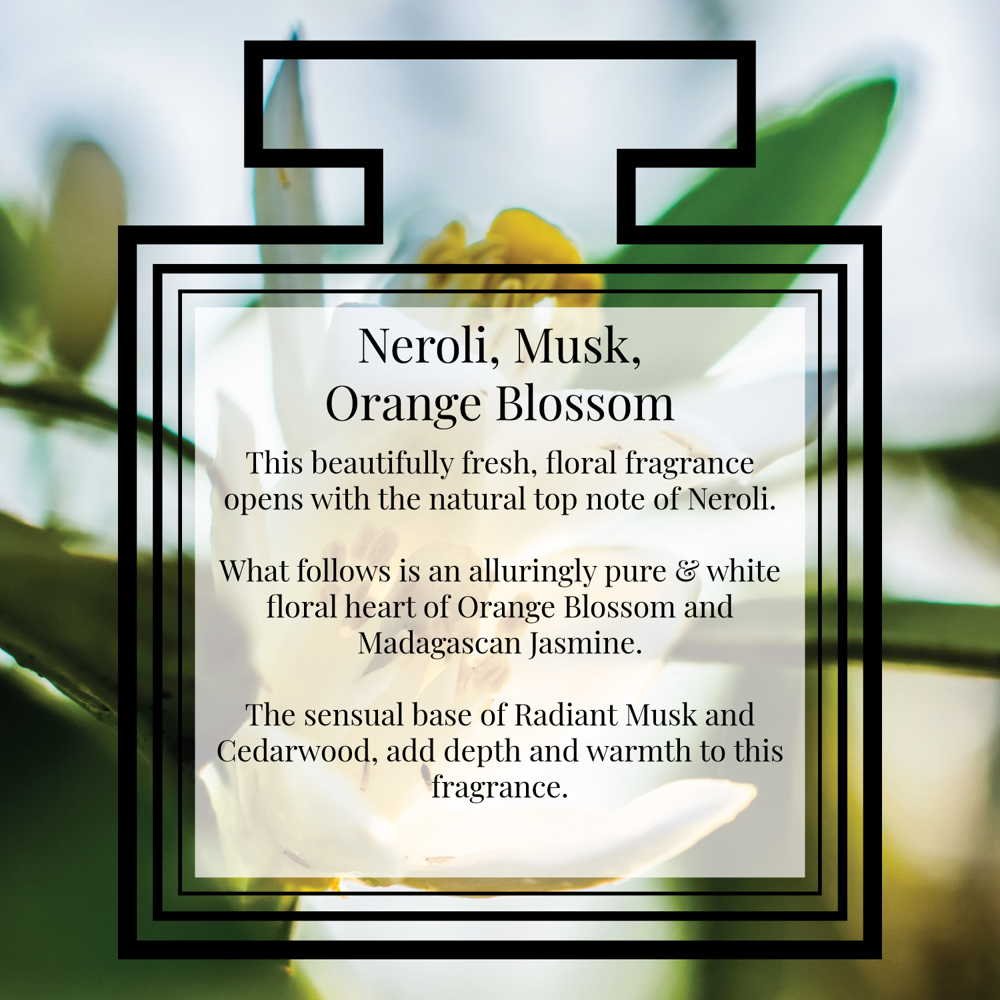
The Rising Popularity of Natural Perfumes
In recent years, a notable shift toward natural perfumes has emerged, with many consumers seeking fragrances crafted exclusively from natural ingredients. These perfumes appeal to individuals who desire a more genuine and holistic scent experience, free from synthetic chemicals.
Natural perfumers harness a diverse array of natural materials, including essential oils, absolutes, concretes, and tinctures, to create their unique blends. They often utilize traditional extraction methods and artisanal techniques, culminating in fragrances that are both captivating and environmentally friendly.
While natural perfumes may have a shorter duration on the skin compared to their synthetic counterparts, they offer a unique olfactory experience that connects the wearer to the natural world. The subtle complexities and nuances of natural ingredients result in fragrances that evolve and unfold throughout the day, leaving a lasting impact.
Fragrance Houses: Guardians of Olfactory Heritage
Fragrance houses play a pivotal role in the perfume industry, safeguarding the art and heritage of fragrance creation. These established companies, often with rich histories spanning centuries, employ skilled perfumers who dedicate their lives to crafting exquisite scents.
Fragrance houses are responsible for developing and producing a wide range of fragrance products, from fine perfumes to fragrance oils utilized across various industries. They frequently collaborate with fashion brands, celebrities, and other entities to create signature scents that encapsulate their unique identities.
The Future of Fragrance: Pioneering Innovation and Sustainability
The fragrance industry is in a state of constant evolution, propelled by innovation and a growing awareness of sustainability. Perfumers are actively exploring new approaches to create captivating scents while minimizing their environmental footprint.
Green chemistry is increasingly influencing fragrance development, providing sustainable alternatives to traditional synthetic ingredients. Bio-based ingredients, derived from renewable resources, are gaining traction, reducing dependence on fossil fuels and fostering a circular economy.
Moreover, the fragrance industry is striving for greater transparency and traceability within its supply chains. This commitment ensures that fragrance ingredients are sourced responsibly and ethically, with minimal impact on local communities and ecosystems.
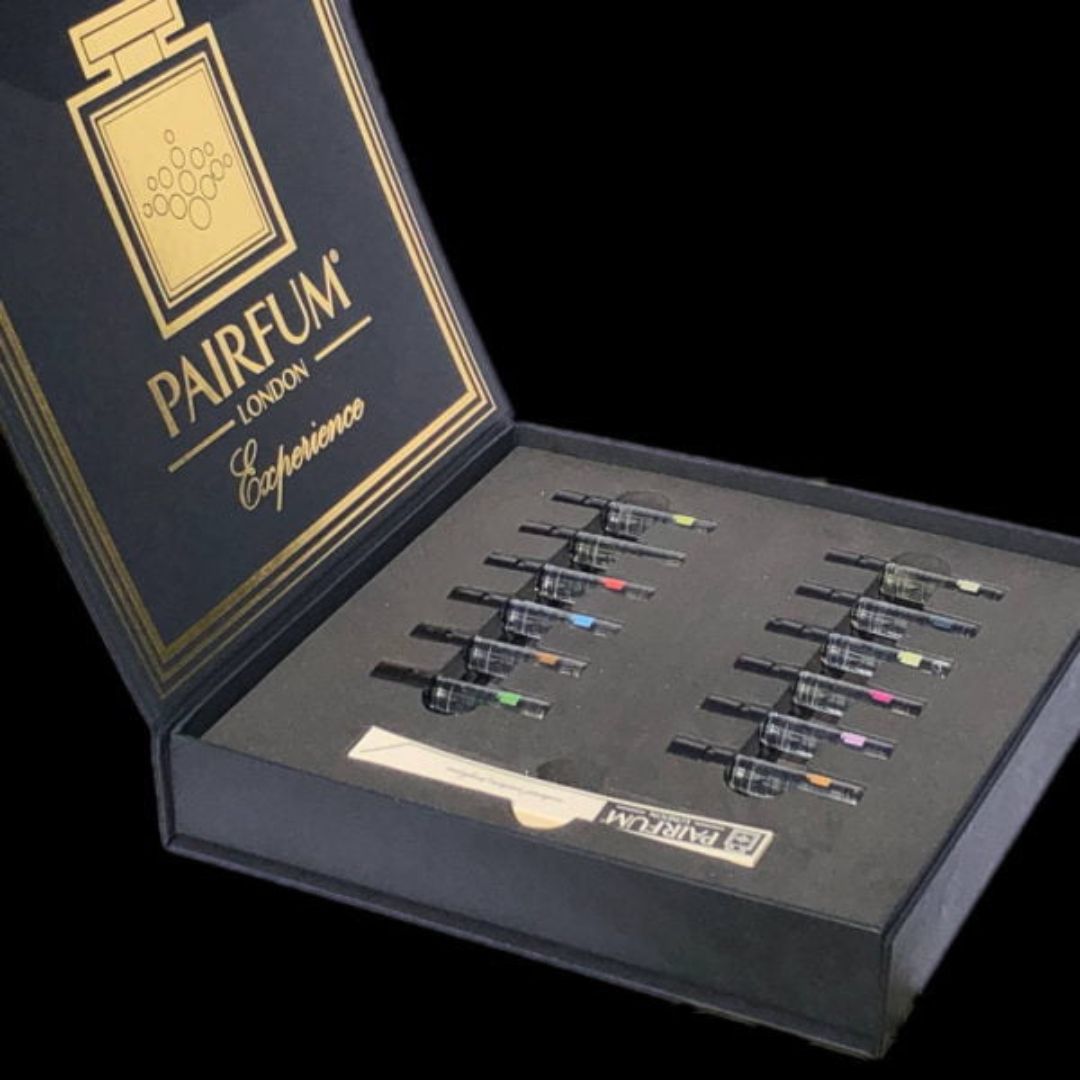
Immerse Yourself in Perfumery Excellence with Pairfum London
Through the meticulous selection and blending of high-quality perfume ingredients, we create fragrances that enchant and captivate. Each perfume in our collection narrates a story, evoking emotions and forging memories. At Pairfum London, we invite you to explore our elegant world of fragrances. Discover the perfect scent that resonates with you, crafted with passion and precision, and experience the transformative power of quality ingredients.
The best way to commence your journey is through our Fragrance Library, a part of The Ideal Perfume Experience.
Within the Fragrance Library, you will find a mini-bottle of each of the following 12 x Niche Eau de Parfums:
Your Journey into the World of Perfume Ingredients Awaits
The exploration of perfume ingredients is an enchanting blend of art, science, and nature’s bounty. From delicate floral notes to complex synthetic molecules, each ingredient plays a crucial role in crafting fragrances that stir emotions, conjure memories, and forge personal connections. The journey from raw materials to the final product showcases human ingenuity and creativity, where perfumers, guided by tradition and innovation, weave a tapestry of scents that inspire and enchant.
Whether you are drawn to the charm of natural perfumes or the endless possibilities offered by synthetic creations, the world of fragrance provides a sensory experience that transcends the ordinary. It is a testament to the power of scent to shape our perceptions, evoke memories, and connect us to the world around us. So the next time you encounter a captivating fragrance, take a moment to appreciate the artistry and complexity behind its creation, and let it transport you to a realm of olfactory wonder.
