


7 Permanent Body Changes After Pregnancy: Everything You Should Know
You’ve likely heard that pregnancy can enhance your hair thickness, give your skin a radiant glow, and strengthen your nails. However, it’s crucial to understand that pregnancy can also lead to some unexpected changes such as larger feet, a deeper voice, and a looser pelvic floor. The pelvic floor muscles, which are vital in supporting your bladder, uterus, and rectum, may weaken during pregnancy. This weakening can result in some awkward situations, including involuntary urine leakage during sneezing, laughing, or jumping. This is not a new dance move; rather, it’s your body’s indication that pelvic floor exercises are essential for regaining control.
In this article, we will delve into the permanent body changes you can anticipate after pregnancy. Some of these changes may surprise you, others may amuse you, but all are integral to the extraordinary experience of motherhood. So, settle in, relax, and prepare to uncover fascinating insights about pregnancy that you probably weren’t aware of.
Embracing Stretch Marks: Recognizing the Marks of Motherhood
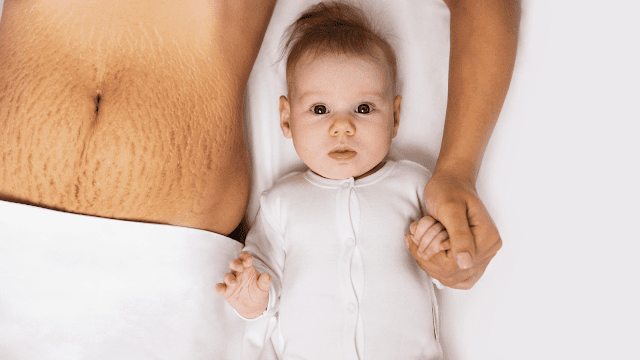
Following pregnancy, you might notice stretch marks, often referred to as the beauty marks that signify the incredible journey of growing a new life. It’s truly remarkable when you think about it.
These marks, which are the result of rapid skin stretching during pregnancy, typically emerge on areas such as the abdomen, thighs, hips, and breasts. Initially, they may present as red or purple streaks, but over time, they generally fade to a lighter shade.
While their appearance may lessen, it’s important to note that they rarely disappear entirely. Stretch marks are among the lasting effects of pregnancy and represent a natural adaptation of your body to accommodate new life. It’s empowering to embrace these marks as symbols of your journey, a testament to the incredible strength and resilience of your body.
Transformations in Breast Size and Shape: The Evolution of Your Bosom
Post-pregnancy, your breasts will likely undergo significant alterations in both size and shape, often becoming larger and sometimes losing their previous firmness. These changes are primarily driven by hormonal fluctuations, the demands of milk production, and increased blood flow to the breast tissue during pregnancy.
You might experience a reduction in breast size after giving birth or, conversely, find that your breasts remain larger than they were prior to pregnancy. Moreover, the shape may change, leading some women to notice sagging or a different distribution of breast tissue.
These changes are often permanent, though the degree of transformation can be influenced by factors such as the duration of breastfeeding and genetics. Fortunately, if you desire a restoration of your pre-pregnancy breast appearance, options like a breast lift by Dr. Anthony can help. Scheduling a consultation with a board-certified plastic surgeon who specializes in breast procedures can provide valuable insights tailored to your needs.
During this consultation, it’s crucial to discuss your concerns, goals, and expectations with the surgeon. They will evaluate your overall health, medical history, and breast anatomy to determine if you’re a suitable candidate for a breast lift.
Ultimately, embracing these changes is essential for fostering self-acceptance and confidence as you navigate the journey of motherhood.
Pelvic Floor Health: Navigating Sneezing and Incontinence Issues
One of the enduring body changes that you may encounter after pregnancy is pelvic floor dysfunction. This condition arises when the muscles supporting your bladder, uterus, and rectum become weakened or damaged, primarily due to the exertion of pregnancy and childbirth. Pelvic floor dysfunction can lead to a range of issues, including urinary incontinence, pelvic organ prolapse, and sexual dysfunction. You might find yourself experiencing involuntary urine leakage when you sneeze, laugh, or engage in physical activities, which can be both frustrating and embarrassing.
While performing pelvic floor exercises, such as Kegels, can enhance muscle tone and control, these exercises alone may not fully restore your pelvic health. Therefore, it’s vital to consult a healthcare provider who can assess your situation and recommend appropriate treatment options tailored to your needs.
Hair Changes: Understanding Texture and Growth Alterations
In the postpartum period, you may experience notable transformations in your hair texture and growth, which can often be long-lasting. The hormonal shifts during pregnancy can lead to thicker, shinier hair due to elevated estrogen levels. However, as hormone levels normalize postpartum, you might face hair loss or thinning, a condition known as telogen effluvium.
Additionally, changes in hair texture can occur, with straight hair becoming curly or vice versa, a phenomenon attributed to hormonal fluctuations. While these alterations can be disheartening, they are a natural aspect of the postpartum journey. Consulting with a healthcare provider or a dermatologist can provide you with strategies to manage these changes effectively and restore your hair’s health.
Widened Hips: Embracing Your New Body Shape
During pregnancy, the hormone relaxin is released, which relaxes the ligaments in the pelvis to facilitate an easier delivery. However, this hormone can also lead to the widening of pelvic bones, resulting in a permanent change in hip width. While this change may be subtle, it can significantly affect how your clothing fits and how you perceive your body proportions.
It’s essential to embrace these wider hips as a beautiful symbol of the incredible journey of childbirth. Accepting and celebrating your body’s changes plays a vital role in fostering self-love and body positivity.

Understanding Abdominal Separation: The Postpartum Mommy Pooch
Diastasis recti is a condition where the abdominal muscles separate along the midline during pregnancy, resulting in a gap between them. This separation can persist into the postpartum period, potentially leading to a protruding belly or what is commonly referred to as the “mommy pooch.” While some improvement can occur with dedicated exercises and physical therapy, a certain degree of separation may remain permanent.
Skin Pigmentation Changes: Navigating the Effects of Pregnancy
The hormonal shifts that occur during pregnancy can also lead to changes in your skin pigmentation, resulting in conditions like melasma, characterized by dark patches on the face, and linea nigra, which appears as a dark line extending from the navel to the pubic bone.
While these pigmentation changes may fade with time, they can, in some cases, persist indefinitely. Fortunately, there are numerous methods to address hyperpigmentation. To minimize the appearance of these changes and safeguard your skin from further damage, it’s advisable to use high-SPF sunscreen and employ gentle skincare products. Moreover, cosmetic treatments like chemical peels, laser therapy, and microneedling can also be effective options worth considering.
Embracing Your Body: The Journey of Acceptance
In summary, pregnancy leads to a multitude of physical changes, many of which are permanent. Embracing these transformations as a natural part of the motherhood journey can significantly enhance self-acceptance and appreciation for the incredible capabilities of the female body.
Remember that each body is unique, and there is undeniable beauty in the marks and changes that narrate the story of bringing new life into the world. Overcoming negative body image after having a baby and releasing those detrimental physical and emotional thoughts is crucial for fostering a positive outlook moving forward.
