


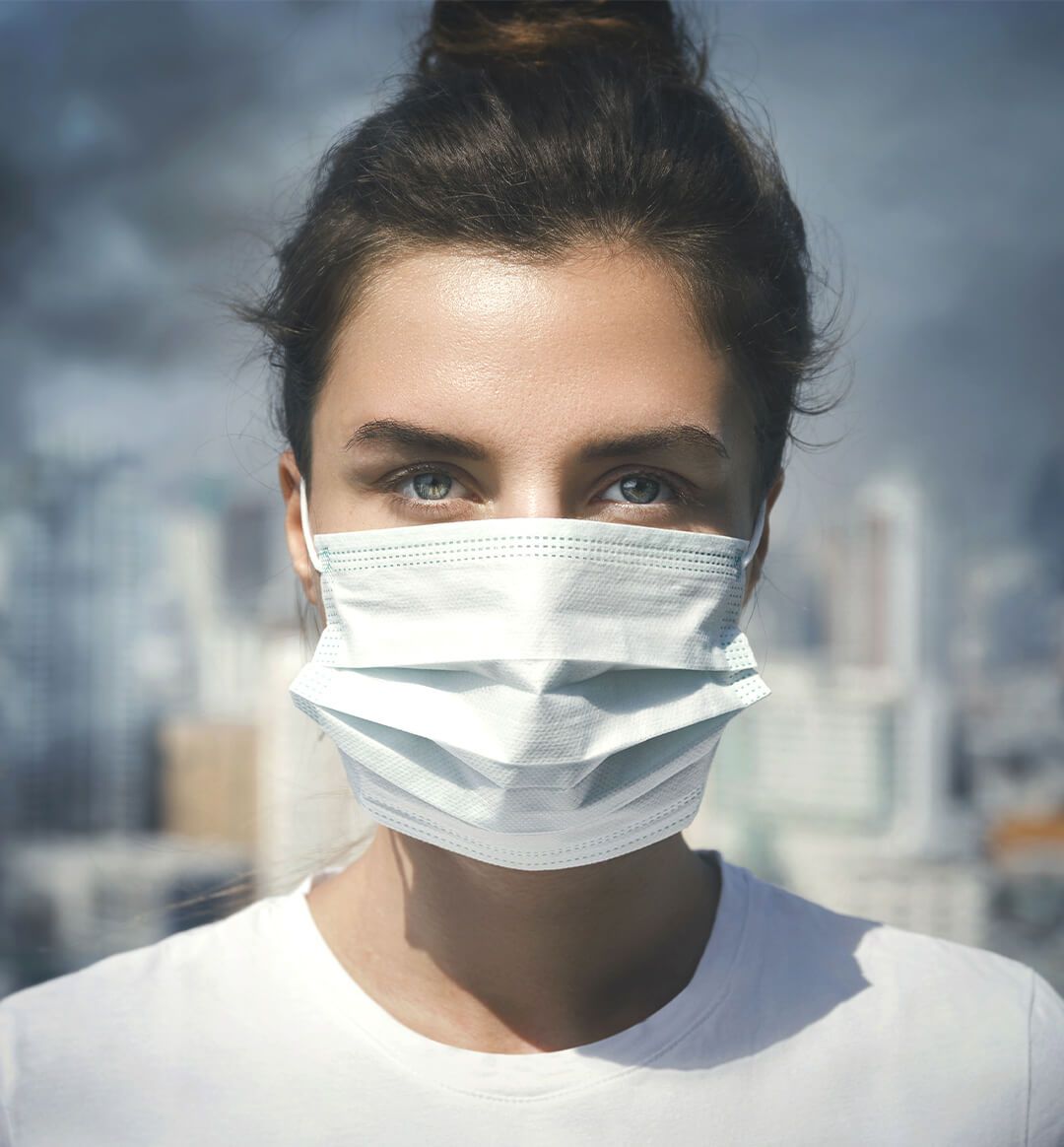
In our quest to maintain healthy skin, we often overlook the damaging effects of air pollution and free radicals on our hair. The reality is that environmental pollutants, such as smoke and various irritants, can significantly harm our hair health, potentially more than we realize. It’s crucial to understand these impacts to effectively safeguard our hair.
Understanding how pollution affects hair is essential for implementing protective measures. In this article, we will delve into the mechanisms of hair damage caused by environmental pollutants and explore practical ways to break this damaging cycle. Plus, we’ll highlight the most effective anti-pollution hair care products that can help you combat these invisible threats!
Understanding the Mechanisms of Pollution-Induced Hair Damage
Every day, we encounter a variety of environmental pollutants that infiltrate our lives. These harmful substances, released into the air through sources like vehicle exhaust, industrial activities, smoke, and dust, can cling to our hair, creating a challenging buildup that persists until we thoroughly cleanse our locks. The struggle to remove these particulates is not just a minor inconvenience; it poses serious risks to our hair’s integrity.
Furthermore, the same UV rays that accelerate skin aging also play a detrimental role in hair health. Just as the skin can suffer from sunburn and premature aging, hair is susceptible to significant damage, which can manifest as scalp dryness, moisture depletion, and increased breakage. Understanding these risks is essential for proactive hair care.
As we embrace outdoor activities during the summer months, the cumulative exposure to pollutants and harmful UV rays can severely compromise our hair’s health. The consequences of such exposure can include:
-
Scalp inflammation, characterized by heightened itching, redness, and irritation.
-
Hair that feels unusually brittle and lacks luster.
-
Increased hair breakage, leading to uneven lengths and frizz.
-
Notable hair loss, a distressing outcome of environmental stressors.
While this information may make you want to stay indoors, fear not! There are effective strategies to protect your hair from pollution damage. However, understanding how hair damage prevention differs according to hair type is a critical first step.
How Different Hair Types Respond to Pollution
Hair is as unique as the individual it belongs to, with each hair type requiring tailored attention and care. However, the question arises: does pollution impact different hair types differently?
A significant study conducted in Brazil and published in Scientific Reports explored how various hair types—natural, colored, bleached, and gray—react to environmental damage. Researchers attached hair samples to cyclists’ helmets during rides through Rio de Janeiro, exposing them to extreme heat and harsh climatic conditions for six hours.
The outcome was clear: all hair samples suffered damage during this exposure. Notably, natural hair exhibited the least damage, while colored, bleached, and gray hair experienced significant deterioration. This highlights the importance of understanding how different hair types respond to pollutants.
The study identified key factors contributing to hair damage, including air pollution, photo-oxidation, temperature fluctuations, and sun exposure. These factors adversely affect the protein content, melanin oxidation, and overall structural quality of the hair. Consequently, prolonged exposure to environmental pollutants can leave all hair types more vulnerable to damage, leading to weaker strands, discoloration, and diminished softness.
Recognizing the unique needs of your hair type is essential for effective care. Here are some foundational tips for preventing hair damage—regardless of pollution levels—for the four main hair types: straight, wavy, curly, and kinky.
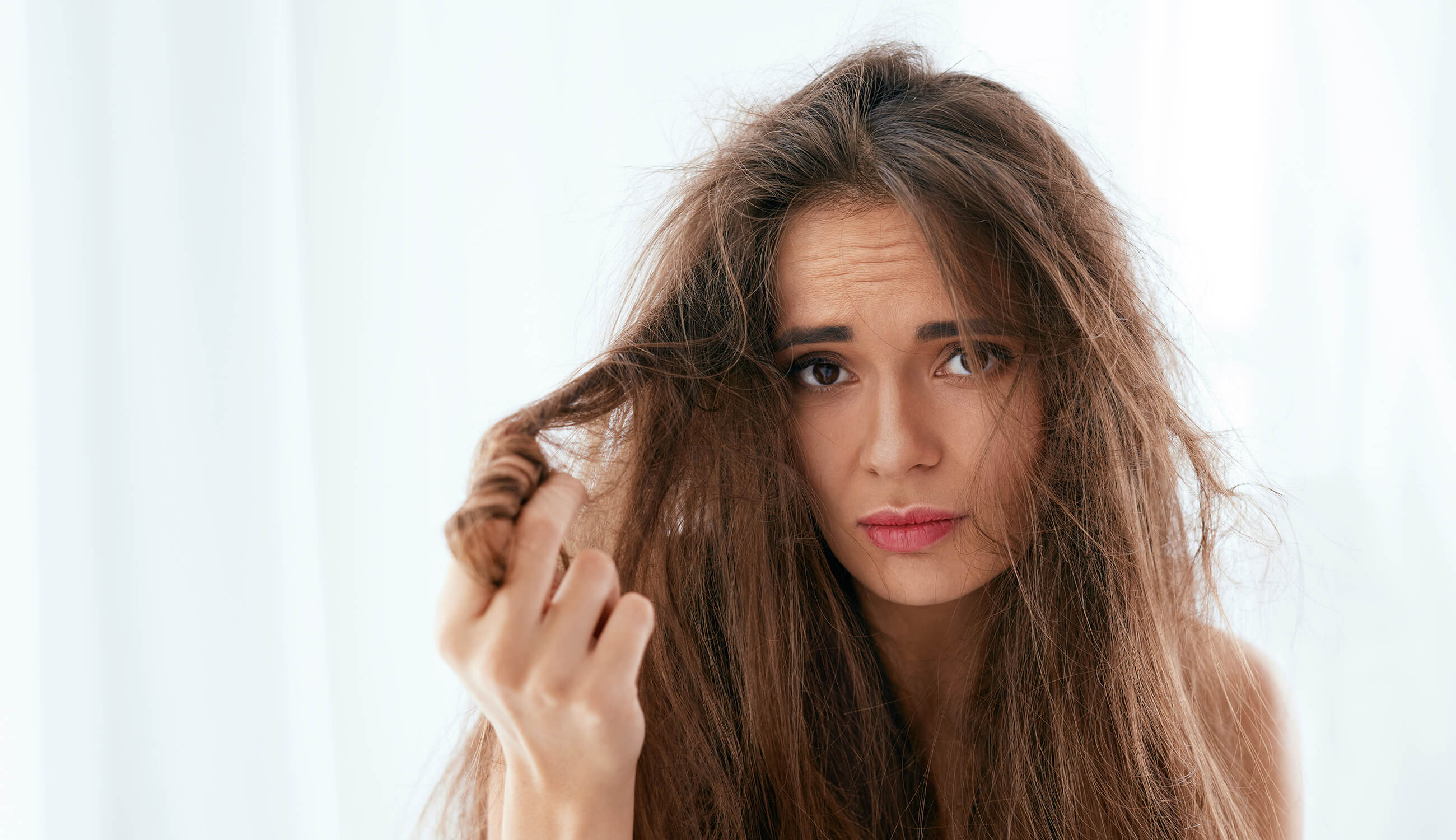
Effective Hair Care Strategies for Different Hair Types
Caring for Straight Hair:
Straight hair can vary significantly in thickness, but its defining characteristic is the absence of natural curls. Because straight hair tends to produce more oil, utilizing a powder-based dry shampoo can effectively absorb excess oil without dehydrating the scalp, maintaining a balanced look.
To mitigate damage, avoid excessive washing of straight hair. An oily scalp notices when stripped of its natural lipids, prompting it to overproduce oil in compensation. This results in heavy hair weighed down by grease, making it easier for airborne particulates to cling to your strands. Embrace a balanced washing routine to keep your hair healthy and pollution-free.
Caring for Wavy Hair:
Wavy hair, characterized by its lovely S-shaped curves, doesn’t quite hold a curl but can achieve significant definition when styled with a gel or mousse. However, it’s crucial to steer clear of cream-based products, which can weigh down the waves.
Individuals with wavy hair often use more styling products than other types to enhance definition. However, this can lead to product buildup on the scalp, which may exacerbate issues. Additionally, wavy hair types might overuse hot styling tools in an attempt to straighten their natural curves. If your hair is color-treated or frequently exposed to the elements, the use of heat tools can lead to excessive dryness and damage.
Caring for Curly Hair:
Curly hair requires specific products to manage and define its texture effectively. It’s essential to avoid curl products containing silicones or sulfates, as these can contribute to long-term hair damage.
The accumulation of pollutants on the scalp can lead to follicle damage, resulting in issues like dandruff, hair loss, and scalp irritation, along with exacerbating the unruliness of curly hair. Curly-haired individuals should be particularly cautious about using hot styling tools, especially if their hair already exhibits signs of environmental damage.
Caring for Kinky Hair:
For those with kinky hair, over-brushing can exacerbate damage and lead to breakage. Instead, it’s advisable to apply a leave-in conditioner after showering, using your fingertips to gently distribute the product and allowing your strands to air-dry naturally.
These quick hair care tips provide a foundational approach to maintaining healthy hair. However, you may be curious: are there specific products designed to target pollutants in hair care? Fortunately, there’s been a surge in products formulated explicitly for detoxifying the scalp and protecting strands from UV exposure.
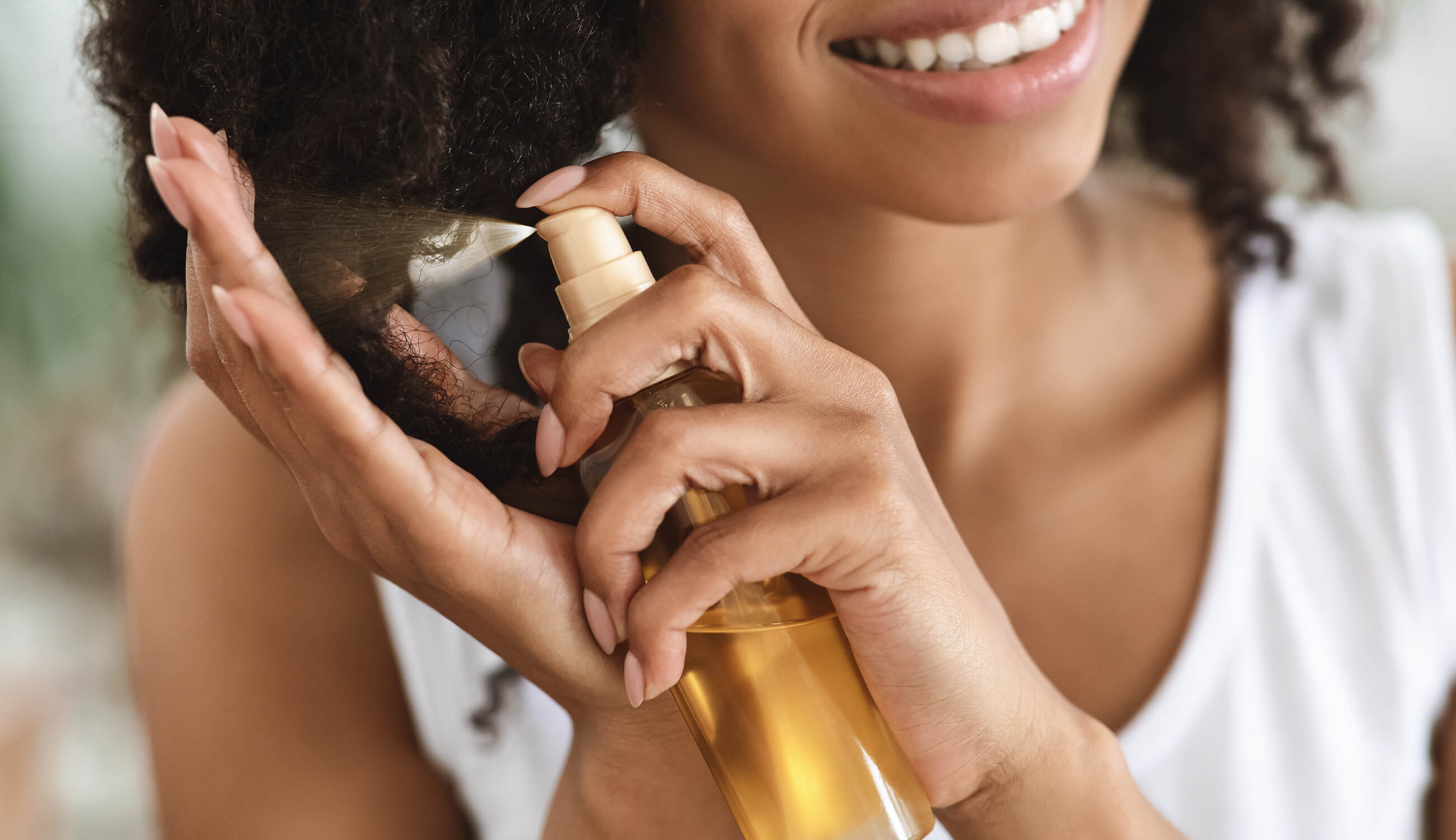
Practical Tips for Shielding Your Hair from Pollution
Before investing in your next anti-pollution hair treatment, consider that one of the most effective solutions might already be at home! A simple hat or scarf can serve as a fantastic barrier against environmental pollutants. These accessories provide protection from grime, smoke, dust, and harmful UV rays.
If you’re on the lookout for a new headscarf to protect your hair, we encourage you to shop thoughtfully. Check out RefuSHE, a nonprofit organization dedicated to empowering female refugees in Kenya and their home countries. They offer a stunning selection of hand-dyed, unique scarves in an array of beautiful patterns and colors.
By purchasing from RefuSHE, you contribute directly to the Artisan’s Collective, ensuring that the talented women behind these creations receive fair compensation and recognition for their work. A small accessory can make a significant impact!
Top Anti-Pollution Hair Care Products to Revitalize Your Locks
Now that we understand how pollution threatens our hair and how different hair types respond to these challenges, let’s explore the best anti-pollution hair care products that can transform dull, damaged hair into vibrant, healthy locks!
Kelp and Mint Volumizing Shampoo and Conditioner:
Experience an invigorating hair wash with our Kelp and Mint Shampoo and Conditioner, expertly formulated to purify and revitalize your hair. Infused with powerful ingredients that enhance bounce, body, and shine, our sulfate-free formulas harness the goodness of sea kelp, French sea salt, seaweed collagen, aloe, and rose hydrosol to restore and strengthen your strands.
This cleansing duo, delicately crafted with saponified coconut oil, is gentle enough for color-treated hair while ensuring unparalleled shine, texture, and moisture replenishment for even the most damaged locks.
Rosemary Grow Serum:
Understanding that each hair type requires tailored treatments, our favorite ingredient for promoting hair growth is rosemary oil. This essential oil is packed with antioxidants and anti-inflammatory properties that stimulate hair growth by enhancing blood circulation in the scalp, facilitating nutrient delivery to hair follicles, and fortifying hair strands. This serum is an essential addition to your anti-pollution hair care routine!
Pro-Vitamin B5 Smoothing Hair Serum:
If you find traditional hair serums too heavy for your hair, our Pro-Vitamin B5 Smoothing Hair Serum is designed for you. This lightweight, buildable serum effectively reduces split ends while enhancing your hair’s natural shine and gloss.
Our unique formula nourishes damaged hair with vitamin E, sealing in moisture without the greasy residue commonly associated with silicone-based products. Infused with lavender essential oil, this serum offers antibacterial properties to soothe and neutralize scalp irritation, making it the perfect rehab treatment for stressed, damaged hair.
Glossy Locks Moisture Drench Shampoo and Conditioner:
This intensely hydrating shampoo and conditioner work together to gently cleanse while replenishing essential nutrients and moisture to dry, damaged hair. Formulated with ultra-hydrating ingredients like aloe vera, rose hydrosol, and cucumber, this nourishing duo quenches thirsty strands. Infused with coconut oil and seaweed collagen, it locks in vital moisture, restoring healthy bounce and shine.
Additionally, this natural shampoo and conditioner formula features horsetail plant extract to strengthen hair and nourishing biotin to support healthy growth and volume. Safe and gentle for color-treated hair, this sulfate-free duo is a must-have in your anti-pollution arsenal.
With the rising levels of environmental pollution, it’s imperative to adopt a consistent, proactive approach to defend your hair against air pollution and UV rays year-round. The effects of pollutants and free radicals are persistent, making it essential to equip your hair with the right defenses.
Incorporating Antioxidants and UV Protectants into Your Hair Care Regimen
To achieve optimal hair health, it’s vital to enhance your natural hair care routine with products rich in antioxidants and UV protectants. These ingredients work synergistically to combat oxidative stress caused by environmental factors and promote balanced, healthy hair. Fortunately, there are numerous natural anti-pollution hair care options available that can effectively mitigate the adverse effects of air pollution and restore your strands to their former glory.
Commonly Asked Questions Regarding Pollution and Hair Care
How does pollution impact different hair types?
Pollution’s effects on hair can vary significantly based on the hair type. Hair exposed to elevated levels of pollutants may experience protein damage, leading to issues such as breakage, brittleness, and dryness. This damage weakens hair strands and disrupts the hair growth cycle, resulting in hair loss and compromising the overall structural integrity. Thus, all hair types are susceptible to weakened strands, discoloration, and diminished softness following prolonged exposure to environmental pollutants.
What are the visible signs of hair damage due to pollution?
Indicators of pollution-induced hair damage include split ends, dryness, breakage, dullness, discoloration, and frizz. These signs may manifest as hair that appears lifeless, brittle, or straw-like in texture, with weakened strands and overall dryness being prevalent.
How can I safeguard my hair against pollution and environmental harm?
To combat pollution and environmental damage, consider using restorative and nourishing hair products. Effective anti-pollution hair care solutions include hydrating toners, moisturizers, hair serums, masks, and treatment oils. Such products can revitalize your hair and enhance its ability to defend against external aggressors and harmful UV rays.
What are the most effective products for detoxifying hair and scalp from pollutants?
Look for natural detoxifying and clarifying hair formulas. Hair detoxification acts like a reset button for your hair and scalp, removing accumulated pollutants and restoring shine and volume. Regular clarifying treatments are essential for maintaining the health and vitality of your hair while promoting healthy growth.
Is it necessary to use all five methods to achieve noticeable results?
While combining multiple methods may yield more significant results, it is not mandatory to employ all five strategies to observe improvements. Begin by focusing on one or two approaches that resonate with your lifestyle and hair care objectives. Consistency is key; adhering to your chosen methods over time will maximize their effectiveness. Additionally, maintaining a balanced diet, staying hydrated, protecting your hair from sun damage, and avoiding harmful habits like smoking can also contribute positively to overall hair health.
If you opt for hair clarification, be sure to follow up with deep conditioning to replenish moisture. Inadequate hydration can trigger the scalp to overproduce oil, counteracting your efforts. Applying a leave-in conditioner or hair serum while your hair is damp helps lock in moisture, resulting in soft, hydrated strands.
Do UV rays contribute to hair damage, and how can I shield my hair from them?
Yes, UV rays can indeed cause harm to your hair. Exposure can lead to dryness, reduced strength, rough texture, color fading, decreased shine, and brittleness. To protect your hair from UV damage, consider wearing a hat with Ultraviolet Protection Factor (UPF) to block a significant amount of harmful radiation. Additionally, avoid using hair products with sulfates, parabens, and silicones, which can exacerbate damage.
var windowWidth,lazyLink,lazyImages,lazySource,lazyBackground,lazyIframe,lazyScripts,navigator_platform,lazyLoadedJS,src,style,datasrc,urls,analytics,s,x,i,j,flag;
function init(){flag&&(flag=0,load_all_js(),lazyLoadImg(),lazyLoadBackground(),lazyLoadIframe(),lazyLoadSource())}
function isElementInViewport
var a=t.getBoundingClientRect();
return a.top>=0&&a.left>=0&&a.bottom<=(window.innerHeight||document.documentElement.clientHeight)&&a.right<=(window.innerWidth||document.documentElement.clientWidth)
}
function insertAfter(newNode, referenceNode) {
referenceNode.parentNode.insertBefore(newNode, referenceNode.nextSibling);
}
function isElementInView
var a=t.getBoundingClientRect();
return a.top(window.innerHeight/2||document.documentElement.clientHeight/2)
}
function lazyLoadLink(){
lazyLink.forEach(function
t.href=null==t.dataset.href?t.href:t.dataset.href
})
}
function lazyLoadImg(){
lazyImages.forEach(function
null!=(src=windowWidth<600?null==t.dataset.mobsrc?t.dataset.src:t.dataset.mobsrc:t.dataset.src)&&(t.src=src),t.classList.remove("lazy2")
})
}
function lazyLoadImg2(){
lazyImages.forEach(function
isElementInViewport
})
}
function lazyLoadSource(){
lazySource.forEach(function
t.srcset=null==t.dataset.srcset?t.srcset:t.dataset.srcset
})
}
function lazyLoadBackground(){
lazyBackground.forEach(function
lazybg=windowWidth<768?null==t.dataset.mobstyle?t.dataset.style:t.dataset.mobstyle:t.dataset.style,null!=lazybg&&(t.style=lazybg),t.classList.remove("lazybg")
})
}
function lazyLoadIframe(){
lazyIframe.forEach(function
t.src=null==t.dataset.src?t.src:t.dataset.src
})
}
function lazyLoadScripts(){
j!=lazyScripts.length&&("lazyload2"==lazyScripts[j].getAttribute("type")?(lazyScripts[j].setAttribute("type","lazyloaded"),void 0!==lazyScripts[j].dataset.src?((s=document.createElement("script")).src=lazyScripts[j].dataset.src,document.body.appendChild(s),s.onload=function(){j++,lazyLoadScripts()}):((s=document.createElement("script")).innerHTML=lazyScripts[j].innerHTML,document.body.appendChild(s),j++,lazyLoadScripts())):(j++,lazyLoadScripts()))
}
function lazyLoadCss
(s=document.createElement("link")).rel="stylesheet",s.href=t,document.getElementsByTagName("head")[0].appendChild(s)
}
function lazyLoadJS
if(lazyLoadedJS)return setTimeout(function(){lazyLoadJS
}
function wnwAnalytics() {
var script2 = document.querySelectorAll(".analytics");
script2.forEach(function(analyticsScript) {
trekkie.integrations=false;
s = document.createElement("script");
s.innerHTML = analyticsScript.innerHTML;
insertAfter(s, analyticsScript);
analyticsScript.parentNode.removeChild(analyticsScript);
});
}
document.addEventListener("DOMContentLoaded",function(){windowWidth=screen.width,lazyLink=document.querySelectorAll("link"),lazyImages=document.querySelectorAll("img.lazy2"),nolazyImages=document.querySelectorAll("img.lazy"),lazyBackground=document.querySelectorAll(".lazybg"),lazyIframe=document.querySelectorAll("iframe"),lazySource=document.querySelectorAll("source"),lazyScripts=document.getElementsByTagName("script"),navigator_platform=navigator.platform,i=0,j=0,flag=1,window.addEventListener("scroll",function(){init()}),window.addEventListener("mousemove",function(){init()}),window.addEventListener("touchstart",function(){init()}),"Linux x86_64"!=navigator_platform&&init(),setTimeout(function(){init()},60000)});
function load_all_js() {
// console.log("Yes-optimization");
lazyLink=document.querySelectorAll("link");
lazyLoadLink();
/*
lazyLoadJS("storefront-a2d444786d996da5634fbbaeeffe6104ee672440dfa6cdcaebfb27dceaaf9c0f.js?v=20220906");
lazyLoadJS("analytics.js");
lazyLoadJS("consent-tracking-api.js");
lazyLoadJS("features-1c0b396bd4d054b94abae1eb6a1bd6ba47beb35525c57a217c77a862ff06d83f.js");
lazyLoadJS("zendesk-embeddable.js?579967&shop=100-pure.myshopify.com");
lazyLoadJS("tracker.js/834c66d4-6a7e-46f8-b2d6-ad2dbf6148b9?shop=100-pure.myshopify.com&sp-cache-control=cHVibGljLCBtYXgtYWdlPTkwMA");
lazyLoadJS("https://www.googletagmanager.com/gtag/js?id=G-Y8JW71N16D");
lazyLoadJS("https://www.googletagmanager.com/gtag/destination?id=MC-JLCTZ19EPR&l=dataLayer&cx=c");
lazyLoadJS("https://cdn.shopify.com/extensions/511129cd-dcc8-46c9-8c6d-810b9b4fccf7/0.6.0/assets/selectFx.js");
lazyLoadJS("https://cdn.shopify.com/extensions/511129cd-dcc8-46c9-8c6d-810b9b4fccf7/0.6.0/assets/classie.js");
lazyLoadJS("https://cdn-stamped-io.azureedge.net/files/widget.min.js");
lazyLoadJS("https://acsbapp.com/apps/app/assets/js/acsb.js");
lazyLoadJS("https://acsbap.com/apps/app/assets/js/acsb.js");
lazyLoadJS("https://cdn.themesinfo.com/detector.js");
lazyLoadJS("https://acsbapp.com/apps/app/dist/js/app.js");
lazyLoadJS("https://sdk-static.loyaltylion.net/static/2/lion-app-integrated-87cd5d9.js");
lazyLoadJS("https://sdk-static.loyaltylion.net/static/2/643-d4c6b91.js");
lazyLoadJS("https://sdk-static.loyaltylion.net/static/2/lion-core-401d47e.js");
lazyLoadJS("https://sdk-static.loyaltylion.net/static/2/69-1e96e6a.js");
lazyLoadJS("https://sdk-static.loyaltylion.net/static/2/642-3935d9b.js");
lazyLoadJS("https://sdk.loyaltylion.net/sdk/start/20231017T19/9124f5cc071fd5c02dc14e2c431c8be2.js");
lazyLoadJS("https://
