


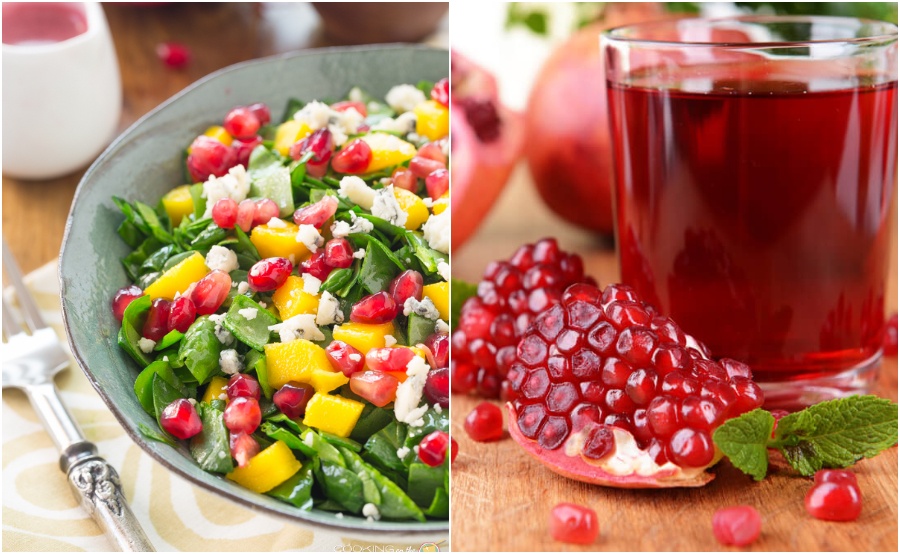
One superfood that often goes unnoticed in health discussions is the pomegranate. This nutrient-rich fruit is celebrated for its striking, vibrant seeds, which are bursting with juicy goodness. The perfect blend of sweetness and tartness makes it not just delicious but also a powerhouse of nutrients. Pomegranates are high in antioxidants like anthocyanins, flavonoids, and polyphenols, as well as essential vitamins such as vitamin C and vitamin K. These properties contribute to its reputation for boosting immunity and combating inflammation. Recently, there has been growing interest in whether pomegranates can play a role in weight loss. So, does pomegranate really help with shedding those extra pounds? Let’s explore this intriguing question:
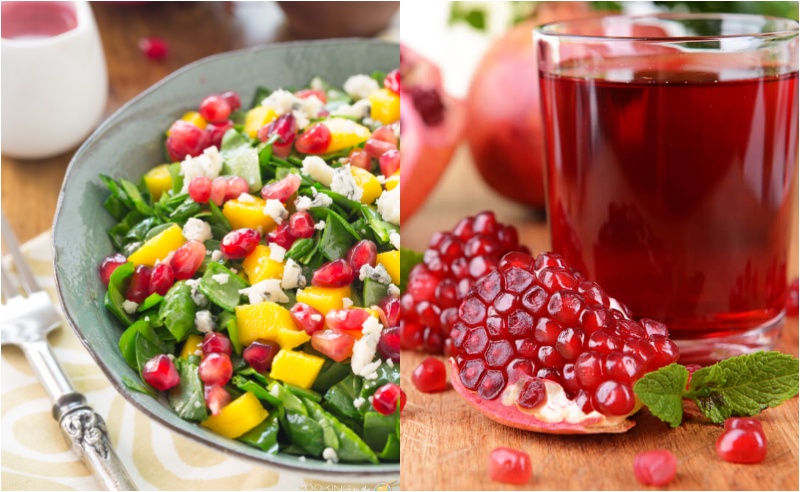
Let’s delve into the caloric content of pomegranates. A mere 100 grams of pomegranate seeds contain only 83 calories, making it a low-calorie option for those mindful of their intake. However, a medium-sized pomegranate can have around 234 calories, which is still reasonable. The fruit has a glycemic index of 53, placing it in the average range, meaning it won’t spike your blood sugar levels excessively. Additionally, the glycemic load stands at 18, indicating that it is a diet-friendly choice for weight management. For more insights, you might also check out: “8 Best Antioxidant-Rich Fruits for Healthy Weight Loss.”
Next, let’s explore the beneficial anthocyanins found in pomegranates. These are a type of flavonoid present in pomegranate juice that, along with tannins, contribute to its bioactive properties. Anthocyanins are known to help manage metabolic syndrome and obesity by enhancing lipid metabolism, increasing caloric burn, reducing food intake, and inhibiting fat absorption. As powerful antioxidants, they combat free radicals that lead to cellular damage. Research indicates that foods rich in anthocyanins can lower the risk of serious metabolic conditions such as heart disease, stroke, and diabetes, while also minimizing inflammation and oxidative stress. Furthermore, pomegranate, alongside blood oranges, ranks among the fruits highest in anthocyanins. This fruit is also abundant in B vitamins, which promote a healthy metabolism, along with potassium that further aids in fat-burning. Eating the fruit whole, rather than juicing it, ensures you benefit from the fiber content that further enhances fat metabolism. For additional tips, consider reading: “15 Foods That Slow Down Fat Accumulation in the Body.”

Indeed, pomegranate can support weight loss efforts, but it’s essential to understand that consuming solely pomegranates or their juice will not drastically reduce body fat. A sustained calorie deficit is necessary, along with a balanced diet rich in nutrition, to fuel the body’s fat-burning mechanisms effectively. To gain further insights into weight loss, consider subscribing to the Rati Beauty app for tailored diet plans.
Now that you’re aware of pomegranate’s role as a weight-loss friendly food, there are numerous ways to incorporate it into your meals. You can enjoy it in dishes like pomegranate raita, pomegranate chutney, or a refreshing cucumber and pomegranate salad. Additionally, you can sprinkle pomegranate seeds over poha, regular salads, Greek yogurt, fruit chaats, or even use them to add a touch of sweetness to South Indian curd rice.
15 Foods That Slow Down Fat Accumulation in the Body
8 Best Antioxidant-Rich Fruits for Healthy Weight Loss
!function(f,b,e,v,n,t,s)
{if(f.fbq)return;n=f.fbq=function(){n.callMethod?
n.callMethod.apply(n,arguments):n.queue.push(arguments)};if(!f._fbq)f._fbq=n;n.push=n;n.loaded=!0;n.version=’2.0′;n.queue=[];t=b.createElement(e);t.async=!0;t.src=v;s=b.getElementsByTagName(e)[0];s.parentNode.insertBefore(t,s)}(window, document,’script’,’https://connect.facebook.net/en_US/fbevents.js’);fbq(‘init’, ‘175059706376017’);fbq(‘track’, ‘PageView’);
