


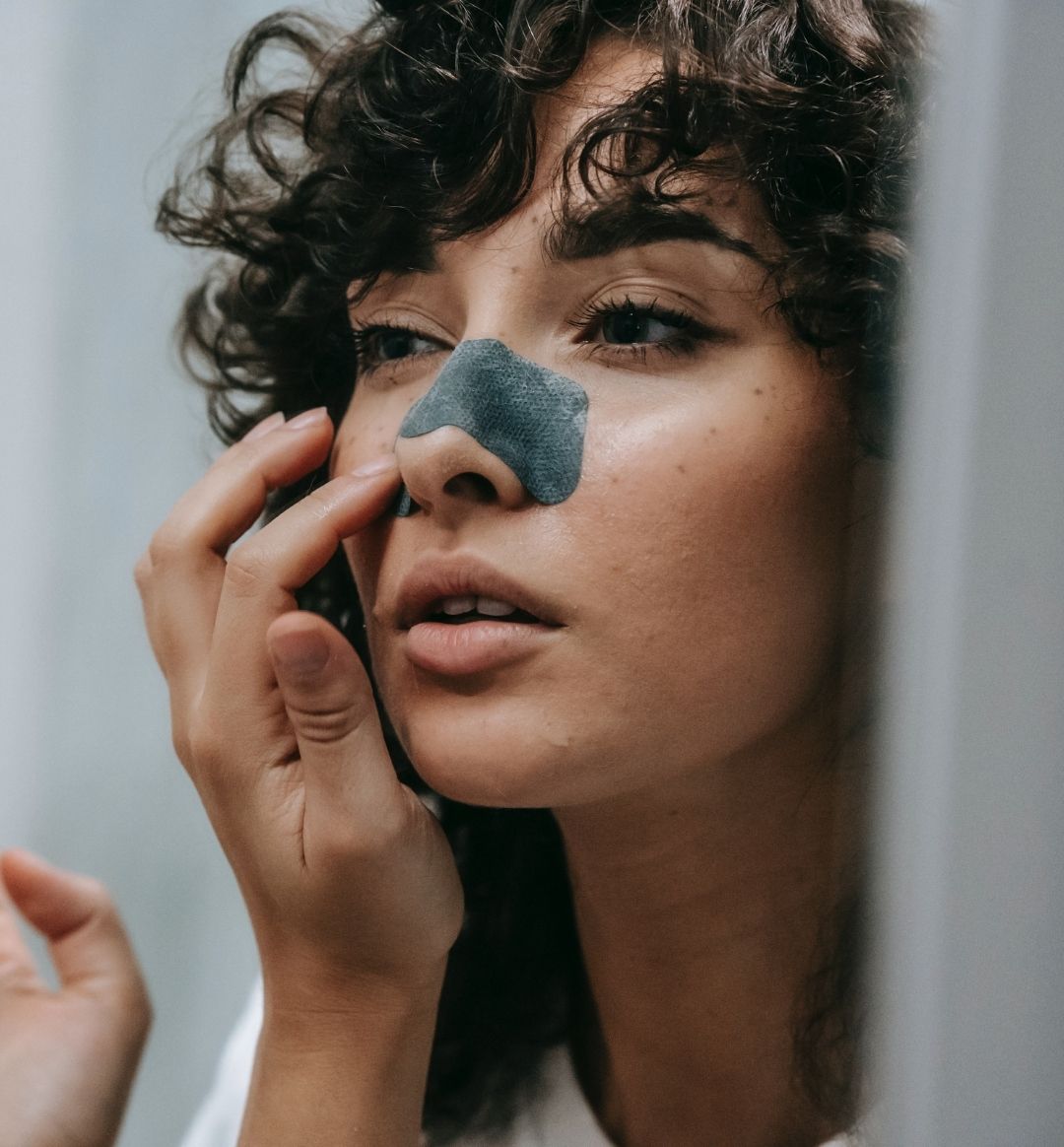
Clogged pores can be an overwhelming concern for many individuals who prioritize their skin’s appearance. Alongside blemishes and wrinkles, these pesky blockages manifest as a multitude of black and white dots, making us question: “What effective methods can I use to eliminate these?” The quest for clearer skin often leads to endless experimentation with products and techniques.
The trend of using pore strips has resurfaced, especially among younger audiences, largely fueled by their viral popularity on social media platforms. Initially a staple in the beauty routines of teenagers, these uniquely designed adhesive strips have made a comeback. But do they truly deliver the results they promise? Let’s delve deeper into their effectiveness.
Understanding clogged pores is essential when considering care methods. Pores, the minute openings on our skin, are responsible for hair follicles and the regulation of sweat and oil. When dirt, oil, and other impurities accumulate on the skin’s surface, it can result in an uneven skin tone and the development of blackheads and whiteheads. This buildup often triggers the impulse to resort to DIY solutions, such as the notorious index-finger-squeeze method!
Understanding the Mechanism: How Do Pore Strips Work?
For many, there’s a certain fascination that accompanies the ritual of using pore strips, especially when examining the results afterward. Once a rite of passage for teenagers, these sticky strips have evolved into an internet phenomenon. But how exactly do they function? Let’s explore the science behind these popular beauty tools.
Pores serve vital functions, and when they become clogged, it can lead to various skin issues. These tiny openings allow for the growth of hair follicles and help manage oil and sweat production. When excess dirt, oil, and toxins accumulate, they can disrupt the skin’s natural balance, leading to visible imperfections. This is when many individuals feel compelled to take action, sometimes opting for extreme measures like squeezing with their fingers!
Pore strips are designed to provide a quick fix by using a specialized adhesive that adheres to wet skin. They effectively lift away the upper layers of dead skin cells and blackheads. After applying the strip and allowing it to dry for approximately 10 minutes, pulling it off removes the unwanted debris, providing a sense of satisfaction and visibly cleaner pores.
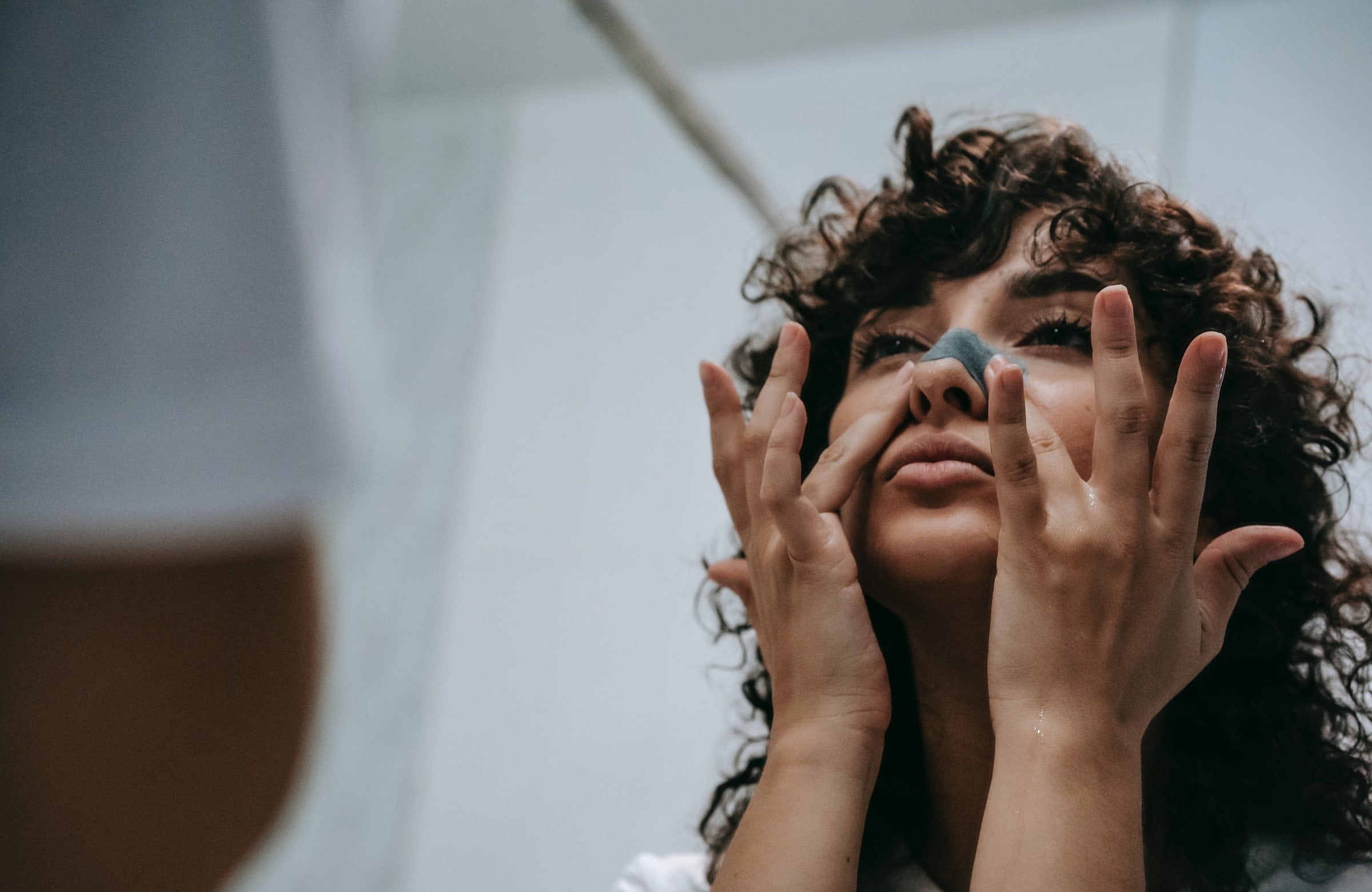
Exploring the Benefits: How Can Pore Strips Enhance Skin Health?
Pore strips offer more than just a satisfying experience; they can provide noticeable improvements to your skin’s texture. Once the strip is removed, it often reveals a collection of debris, including dead skin cells, dirt, and oil. This removal process contributes to a smoother complexion and can enhance the appearance of your pores.
Using pore strips can lead to a temporary reduction in the visibility of pores, making them look smaller and more refined. This can significantly improve the application of makeup, creating a flawless canvas. In addition, many modern pore strips come enriched with beneficial ingredients, including charcoal and moisturizing agents, which address various skin concerns beyond just cleaning.
Stay Updated: Subscribe to Our Newsletter for Exclusive Offers
Receive blog updates and access to exclusive discounts
Understanding the Drawbacks: Can Pore Strips Harm Your Skin?
While pore strips can yield effective short-term results, they might not be the best long-term solution for maintaining skin health. Although they can help unclog pores, they can also strip away essential oils and fatty acids that keep your skin nourished and hydrated. This widespread application across a large area of the face may inadvertently affect areas of healthy skin, leading to dryness, irritation, or even increased susceptibility to infections.
Moreover, for those seeking a lasting solution to black and whiteheads, pore strips may fall short. The most stubborn clogging agents often reside deeper within the skin, making them difficult to remove with a simple adhesive strip. For effective prevention of black and whiteheads, consider alternative methods that offer deeper exfoliation.
Detoxifying Cleanser
For a thorough detoxification, the Charcoal Clay Cleanser is highly recommended. This powerful blend of activated charcoal, bamboo charcoal, and kaolin clay acts as a magnet, drawing impurities from clogged pores while eliminating excess oil without compromising skin hydration.
Powder Cleanser
To ensure your pores remain clear from dirt and dead skin, utilize a powder cleanser. The Pore Herbal Detox Powder Cleanser efficiently removes impurities and blackheads, leading to a reduction in pore visibility. This product serves as an excellent alternative to traditional glycolic acid options, which may irritate sensitive skin types.
Facial Scrub
Incorporating a gentle exfoliating scrub into your routine a few times weekly can help eliminate dead skin buildup that enlarges pores. Opt for nourishing scrubs free from harsh synthetic ingredients, such as the award-winning Acai Pulp Facial Scrub. This scrub utilizes grape seeds and acai pulp to effectively buff away flakes and toxins, promoting a radiant, youthful complexion.
Exfoliating Sponge
Using a natural, gentle exfoliating sponge can also aid in preventing blackheads. Our Charcoal Konjac Sponge combines konjac plant and bamboo charcoal to detoxify the skin, effectively drawing out dirt and bacteria while purifying your complexion.
Chemical Exfoliant
Consider a chemical exfoliant or peel, which can delicately remove the outer skin layer to unveil smoother skin beneath. Products containing alpha hydroxy acids are beneficial, not only for exfoliation but also for reducing the appearance of enlarged pores while combating signs of aging.
Vitamin A
Incorporating Vitamin A into your skincare routine is highly effective for treating blackheads. It promotes the clearing of clogged pores and encourages cellular renewal. A topical retinol treatment, such as our Multi-Vitamin + Antioxidants Potent PM Serum, utilized at night, can help prevent dead skin accumulation while minimizing the appearance of fine lines and wrinkles.
Key Questions About Pore Strips: Answers You Need
Can Pore Strips Effectively Remove Blackheads?
Pore strips excel at eliminating surface-level dirt and debris and can effectively loosen blackheads situated near the skin’s surface. However, for deeper blackheads, alternative exfoliating methods will be necessary to achieve comprehensive results.
What Are the Long-Term Consequences of Frequent Pore Strip Use?
Regular use of pore strips can lead to the depletion of essential oils and fatty acids, crucial for maintaining a healthy complexion. Since these strips cover a broad area, they can inadvertently cause dryness, irritation, and heightened risk of skin infections.
Can Pore Strips Contribute to Enlarged Pores or Skin Elasticity Problems?
While certain skincare treatments can help minimize the appearance of sebaceous glands, pore strips are not one of them. Consistent use may lead to the stretching of pores, making them appear larger. Additionally, the repeated tugging on healthy skin can compromise its integrity and elasticity over time.
What Are Safe and Effective Alternatives to Pore Strips?
Consider using detoxifying cleansers, exfoliating scrubs, and chemical exfoliants like AHAs or retinol for effective pore maintenance. Always proceed with caution, particularly if you have sensitive skin when incorporating these potent ingredients.
How Do Pore Strips Compare with Professional Blackhead Extraction?
Pore strips offer a gentler alternative to manual extraction techniques, which can lead to irritation, redness, or scarring if done improperly. By using strips, you mitigate the risks associated with direct skin contact during blackhead removal.
Are you ready to tackle those stubborn clogged pores? Whether you consider pore strips a fun addition to your beauty arsenal or a practical solution for an upcoming event, there’s a strip to meet your needs.
While they provide a quick fix, pore strips serve as temporary solutions for clearing out pore impurities! If you enjoy the satisfaction of seeing the removed debris on a used strip, feel free to indulge—but remember moderation is key for maintaining skin health.
var windowWidth,lazyLink,lazyImages,lazySource,lazyBackground,lazyIframe,lazyScripts,navigator_platform,lazyLoadedJS,src,style,datasrc,urls,analytics,s,x,i,j,flag;
function init(){flag&&(flag=0,load_all_js(),lazyLoadImg(),lazyLoadBackground(),lazyLoadIframe(),lazyLoadSource())}
function isElementInViewport
var a=t.getBoundingClientRect();
return a.top>=0&&a.left>=0&&a.bottom<=(window.innerHeight||document.documentElement.clientHeight)&&a.right<=(window.innerWidth||document.documentElement.clientWidth)
}
function insertAfter(newNode, referenceNode) {
referenceNode.parentNode.insertBefore(newNode, referenceNode.nextSibling);
}
function isElementInView
var a=t.getBoundingClientRect();
return a.top(window.innerHeight/2||document.documentElement.clientHeight/2)
}
function lazyLoadLink(){
lazyLink.forEach(function
t.href=null==t.dataset.href?t.href:t.dataset.href
})
}
function lazyLoadImg(){
lazyImages.forEach(function
null!=(src=windowWidth<600?null==t.dataset.mobsrc?t.dataset.src:t.dataset.mobsrc:t.dataset.src)&&(t.src=src),t.classList.remove("lazy2")
})
}
function lazyLoadImg2(){
lazyImages.forEach(function
isElementInViewport
})
}
function lazyLoadSource(){
lazySource.forEach(function
t.srcset=null==t.dataset.srcset?t.srcset:t.dataset.srcset
})
}
function lazyLoadBackground(){
lazyBackground.forEach(function
lazybg=windowWidth<768?null==t.dataset.mobstyle?t.dataset.style:t.dataset.mobstyle:t.dataset.style,null!=lazybg&&(t.style=lazybg),t.classList.remove("lazybg")
})
}
function lazyLoadIframe(){
lazyIframe.forEach(function
t.src=null==t.dataset.src?t.src:t.dataset.src
})
}
function lazyLoadScripts(){
j!=lazyScripts.length&&("lazyload2"==lazyScripts[j].getAttribute("type")?(lazyScripts[j].setAttribute("type","lazyloaded"),void 0!==lazyScripts[j].dataset.src?((s=document.createElement("script")).src=lazyScripts[j].dataset.src,document.body.appendChild(s),s.onload=function(){j++,lazyLoadScripts()}):((s=document.createElement("script")).innerHTML=lazyScripts[j].innerHTML,document.body.appendChild(s),j++,lazyLoadScripts())):(j++,lazyLoadScripts()))
}
function lazyLoadCss
(s=document.createElement("link")).rel="stylesheet",s.href=t,document.getElementsByTagName("head")[0].appendChild(s)
}
function lazyLoadJS
if(lazyLoadedJS)return setTimeout(function(){lazyLoadJS
}
function wnwAnalytics() {
var script2 = document.querySelectorAll(".analytics");
script2.forEach(function(analyticsScript) {
trekkie.integrations=false;
s = document.createElement("script");
s.innerHTML = analyticsScript.innerHTML;
insertAfter(s, analyticsScript);
analyticsScript.parentNode.removeChild(analyticsScript);
});
}
document.addEventListener("DOMContentLoaded",function(){windowWidth=screen.width,lazyLink=document.querySelectorAll("link"),lazyImages=document.querySelectorAll("img.lazy2"),nolazyImages=document.querySelectorAll("img.lazy"),lazyBackground=document.querySelectorAll(".lazybg"),lazyIframe=document.querySelectorAll("iframe"),lazySource=document.querySelectorAll("source"),lazyScripts=document.getElementsByTagName("script"),navigator_platform=navigator.platform,i=0,j=0,flag=1,window.addEventListener("scroll",function(){init()}),window.addEventListener("mousemove",function(){init()}),window.addEventListener("touchstart",function(){init()}),"Linux x86_64"!=navigator_platform&&init(),setTimeout(function(){init()},60000)});
function load_all_js() {
lazyLink=document.querySelectorAll("link");
lazyLoadLink();
}
