


Experts assert that selecting the right snacks can significantly enhance your weight loss journey. Healthy snacks not only help manage hunger pangs until your next meal but also maintain your energy levels and prevent you from feeling hangry—a state of irritability caused by hunger. However, it’s crucial to recognize that the types of snacks you choose, your snacking habits, and how often you snack can profoundly influence your weight loss goals. For instance, a bowl of air-popped popcorn without added salt or butter can contain as few as 30 calories per cup, making it a guilt-free option. Yet, it’s easy to lose track of calories when snacking, which can lead to unintentional overeating. To successfully lose weight, aim to limit your snack calories to around 150 to 200 and enjoy no more than two snacks a day. Here are seven effective strategies to help you avoid overeating while snacking.
1. Transfer Snacks from the Packet to a Bowl for Portion Control:
Let’s be honest—many of the most convenient snacks come pre-packaged, ready to eat right out of the bag. While this convenience is appealing, snacking directly from the packet can hinder your ability to track calories effectively, often leading to excessive consumption. To avoid this pitfall, always transfer your snacks from the packet into a small bowl or plate first. This will allow you to measure out a reasonable portion and be mindful of your calorie intake. To calculate the calories per serving, first check the total calories listed on the packaging, then divide this number by the number of servings it contains. This simple practice helps you maintain control over your snacking habits and prevents you from going overboard. For additional insights, check out “How To Lose Weight without Counting Calories All Day Long.”
2. Establish a Consistent Snacking Schedule for Weight Management:
When embarking on a weight loss journey, adhering to a structured meal and snack schedule is vital to avoid unnecessary grazing throughout the day. Just as you commit to regular meal times for breakfast, lunch, and dinner, create a specific timeline for your snacks as well. Aim to limit your snacking to two designated times each day; for instance, mid-morning around 11 am and then again in the early evening, approximately 2 to 4 hours after lunch. This structured approach not only helps you manage your hunger more effectively but also combats that post-lunch energy dip, allowing you to stay focused and productive.
3. Choose Satisfying Snacks Rich in Nutrients:
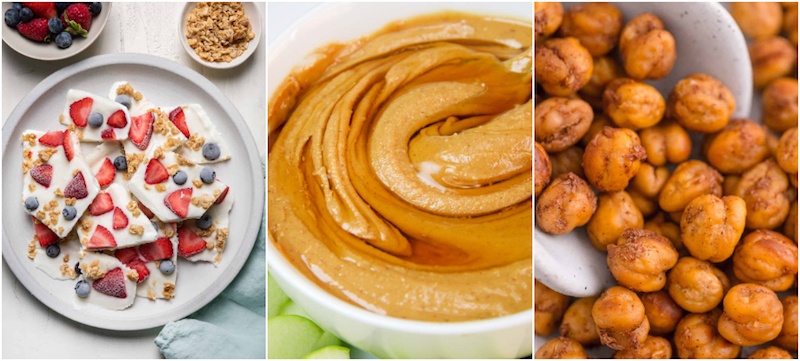
Opting for snacks that are high in protein, fiber, and healthy fats can significantly help you feel full for extended periods, thereby reducing the chances of overeating. Foods containing protein and fiber take longer to digest, which not only promotes a feeling of satiety but also triggers the release of hormones that regulate appetite. For instance, pairing peanut butter with apple slices or enjoying Greek yogurt topped with nuts can provide both protein and fiber, supporting your weight loss efforts effectively. Notably, research suggests that consuming nutrient-dense snacks can also lead to lower calorie intake during subsequent meals, providing a double benefit in your weight loss strategy.
4. Steer Clear of Hyperpalatable Snacks That Trigger Overeating:
While a bag of potato chips might seem like a quick and convenient snack for a burst of energy, it’s essential to recognize that such snacks are often calorie-dense and notoriously difficult to stop eating after just one serving. The food industry invests heavily in creating hyperpalatable foods, which are engineered to be irresistibly appealing to our taste buds. These highly processed snacks typically combine sugar, salt, unhealthy fats, and various flavor-enhancing ingredients to hit what’s known as the “bliss point”—the brain’s reward center. This engineering often leads to a cycle of cravings and overeating. To maintain your weight loss objectives, it’s best to avoid sugary snacks, chips, cookies, and sweetened beverages, all of which fall into this category. For more insights, check out “10 Hyperpalatable Foods and How They Trigger Weight Gain.”
5. Track and Identify Foods You’re Overindulging In:
Keeping a food diary can be an invaluable tool in pinpointing which snacks you may be overeating. Often, we forget to log our snacks, which can lead to a distorted view of our eating habits. By documenting every food item, no matter how small, you can gain insights into your snacking patterns. Many people tend to overconsume foods high in salt, added sugar, and empty calories, so identifying these items in your diet is crucial. Once you have a clearer picture, you can start to eliminate these culprits and make healthier snacking choices moving forward.
6. Avoid Snacking as a Response to Boredom or Stress:
Emotions like stress, boredom, and anxiety can lead many individuals to seek comfort in foods that are high in sugar, unhealthy fats, and calories, resulting in mindless eating. It’s essential to develop healthier coping mechanisms for managing these emotions instead of relying on food as a source of comfort. Remember, snacks should be designed to sustain your energy levels until your next meal, rather than serve as a solution for dealing with emotional challenges. Finding alternative stress-relief methods, such as exercising or engaging in hobbies, can be beneficial for both your emotional well-being and your weight loss goals.
7. Practice Mindful Eating to Enhance Weight Loss Success:
Finally, one of the most impactful strategies for weight loss is to cultivate a habit of mindful eating during every meal and snack. Mindless eating can create significant barriers for those attempting to lose weight, as it often leads to consuming larger portions than necessary. Engaging in activities like watching TV or scrolling through your phone while eating can distract you from recognizing how much you’ve consumed, preventing you from savoring your food and accurately tracking calorie intake. To combat this, dedicate mealtimes to eating without distractions. This simple yet powerful habit can dramatically improve your overall approach to weight loss and enhance your relationship with food.
If you find the weight loss journey daunting, Rati Beauty is here to support you. Subscribe to the Rati Beauty app for access to a variety of weight loss diet plans tailored to your needs.
How To Lose Weight without Counting Calories All Day Long
10 Hyperpalatable Foods and How They Trigger Weight Gain
!function(f,b,e,v,n,t,s)
{if(f.fbq)return;n=f.fbq=function(){n.callMethod?
n.callMethod.apply(n,arguments):n.queue.push(arguments)};
if(!f._fbq)f._fbq=n;n.push=n;n.loaded=!0;n.version=’2.0′;
n.queue=[];t=b.createElement(e);t.async=!0;
t.src=v;s=b.getElementsByTagName(e)[0];
s.parentNode.insertBefore(t,s)}(window, document,’script’,
‘https://connect.facebook.net/en_US/fbevents.js’);
fbq(‘init’, ‘175059706376017’);
fbq(‘track’, ‘PageView’);
