


Understanding the Essential Role of Primer in Makeup Application
Imagine this scenario: You’ve dedicated your morning to achieving the perfect makeup look—meticulously blending, buffing, and setting—but by the time lunch rolls around, your foundation appears patchy, your T-zone is overly shiny, and your pores look exaggerated. Does this situation sound familiar? It’s a common frustration in the beauty world: makeup that simply refuses to stay in place. But what if I told you that incorporating a simple product could help maintain your foundation’s flawless appearance throughout the entire day?
Introducing Primer: Your Ultimate Makeup Companion for Longevity
Primer is often the unsung hero in a successful makeup routine. Consider it the foundational base coat for your foundation, working to smooth out imperfections, manage oil production, and ensure your makeup adheres effectively, allowing it to maintain its fresh appearance for hours on end. Regardless of whether you deal with dryness, excessive oiliness, or visible fine lines, selecting the right primer can significantly enhance the overall look and longevity of your makeup.
In this detailed article, we will explore everything you need to know about primer—by the end, you’ll confidently address key questions such as:
- What is the purpose of primer?
- How is primer utilized in makeup?
- What benefits does primer offer for your makeup?
By the conclusion, you will be equipped with the knowledge to ensure your makeup lasts from the morning until night, eliminating the need for those pesky midday touch-ups!
Understanding Primer: A Vital Component of Your Makeup Routine
So, what exactly does primer do?
While foundation may be the leading star of your makeup routine, primer acts as the dedicated backstage team, ensuring that everything proceeds seamlessly. Primer is a lightweight formulation applied prior to foundation, designed to create a smooth and even canvas for your makeup application. It effectively fills in fine lines, blurs the appearance of pores, controls excess oil, and enhances the longevity of your foundation—functioning as a crucial bridge between your skincare and makeup routines.
Primers operate by forming a thin, invisible layer over the skin, which creates a barrier that prevents makeup from settling into pores and fine lines. Most primers are enriched with silicone-based ingredients like dimethicone, providing a silky-smooth texture that allows foundation to glide effortlessly onto the skin. On the other hand, hydrating primers utilize humectants like glycerin to lock in moisture, whereas mattifying primers effectively absorb excess oil to maintain a shine-free complexion.
From a skincare standpoint, primer also reinforces the natural barrier of the skin. Certain formulas incorporate skincare benefits such as SPF, antioxidants, or calming ingredients that help shield against environmental aggressors. This additional layer not only enhances the wear of your makeup but may also contribute to healthier skin over time.
Research on skin barrier function underscores the significance of protective layers in preserving hydration and preventing irritation. Studies like those on skin barrier protection highlight how occlusive ingredients, which are prevalent in primers, can bolster the skin’s defense mechanisms.
By integrating primer into your routine, you’re not merely prolonging the lifespan of your makeup; you’re also providing your skin with added care.
Exploring Various Types of Makeup Primers and Their Unique Advantages
It’s essential to recognize that not all primers are created equal! Selecting the appropriate primer tailored to your skin type and makeup objectives can significantly impact how your foundation appears and lasts throughout the day. Here’s a comprehensive overview of the different types of primers and their specific benefits.
Silicone-based versus water-based primers—how do you determine which one is suitable for your needs?
The primary step in choosing a primer is understanding its foundational formulation.
- Silicone-Based Primers: These are perfect for achieving a smooth skin surface, filling in pores, and creating a velvety texture. Silicone-based primers enhance the application of foundation, allowing it to glide on smoothly and remain in place for extended periods. However, they may not be the best option for those with acne-prone or sensitive skin, as silicones can sometimes trap oil and bacteria.
- Water-Based Primers: Offering lightweight hydration and a more natural finish, water-based primers are refreshing on the skin and won’t clog pores. They work harmoniously with water-based foundations to create a dewy, breathable finish.
Hydrating Primers: The Ideal Choice for Dry Skin
If you frequently experience tightness, flakiness, or rough patches on your skin, a hydrating primer can be transformative. These primers incorporate ingredients such as hyaluronic acid and glycerin to retain moisture and establish a plump, smooth surface for your foundation.
Mattifying Primers: Maintaining Control Over Oil for Extended Wear
For those with oily skin, a mattifying primer is essential in managing shine and ensuring your foundation stays intact. Look for oil-absorbing components like silica or rice starch to keep your complexion looking fresh and matte throughout the day.
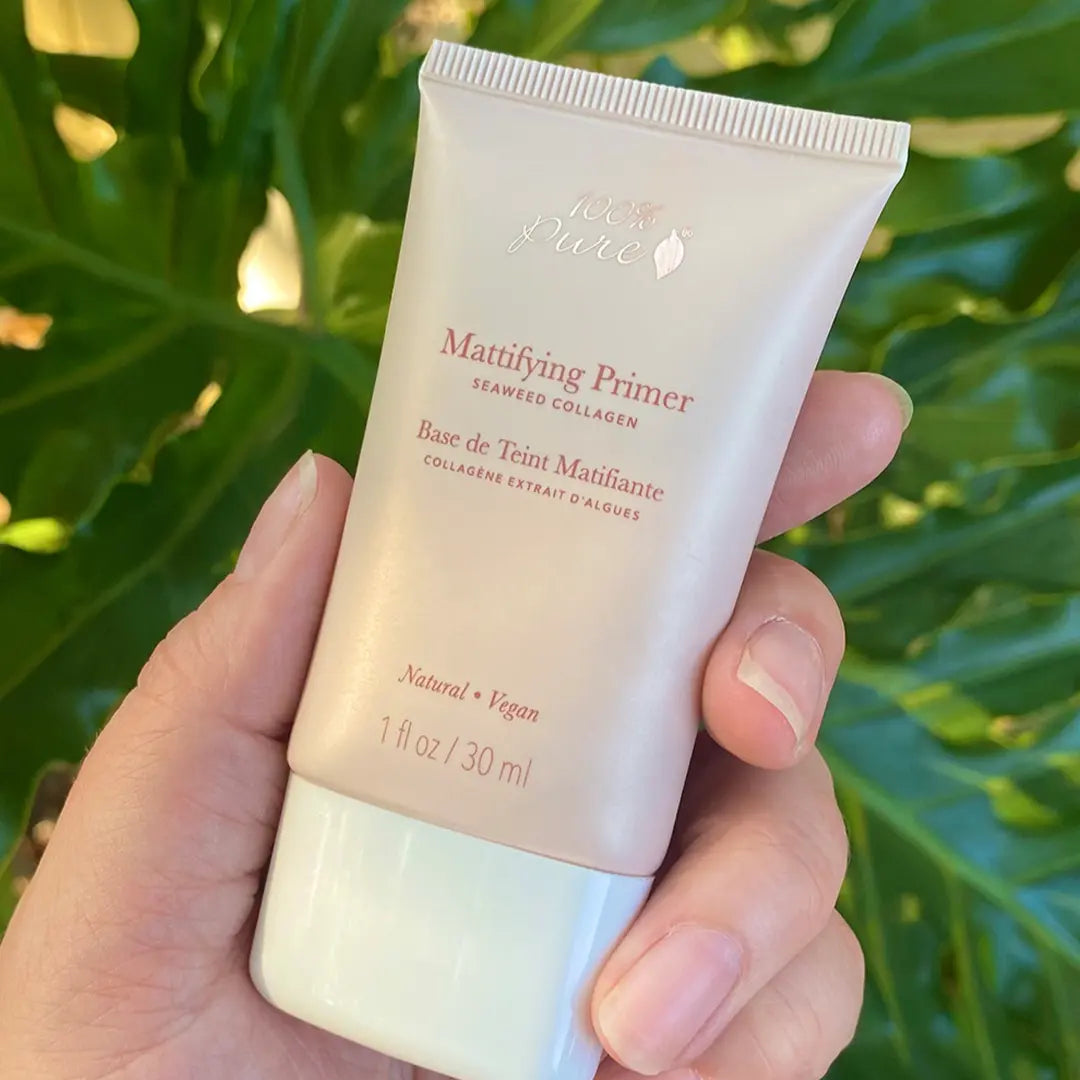
Product Highlight: 100% PURE Mattifying Primer – A lightweight primer designed to control excess oil while providing a smooth, even base for foundation application.
Illuminating Primers: Infusing a Natural Radiance
For individuals who desire a radiant, lit-from-within appearance, illuminating primers deliver a subtle glow. Often containing light-reflecting pigments, these primers enhance your complexion and impart a dewy, luminous finish to your foundation.
Product Highlight: 100% PURE Luminous Primer – Enriched with vitamins and antioxidants, this primer adds a healthy glow while nourishing the skin.
Color-Correcting Primers: Balancing Redness, Dark Spots, and Uneven Skin Tone
Color-correcting primers utilize subtle tints to address specific skin concerns:
- Green primers diminish redness caused by acne or rosacea.
- Yellow primers brighten dull complexions and neutralize mild discoloration.
- Peach or orange primers correct dark circles and hyperpigmentation on medium to deep skin tones.
- Lavender primers aid in brightening sallow or yellow undertones.
With an extensive array of options available, discovering the ideal primer can greatly elevate your makeup application, ensuring your foundation looks impeccable all day long!
Mastering the Application of Primer for an Impeccable Makeup Base
Properly applying primer can dramatically influence the overall appearance and longevity of your makeup. Whether you’re a beginner with foundation primers or looking to refine your skills, adhering to the correct steps is essential for achieving a seamless, long-lasting finish.
With that in mind, here’s our comprehensive step-by-step guide to applying primer:
Begin with Clean, Moisturized Skin
Prior to applying any makeup primer, cleanse your face thoroughly and apply a lightweight moisturizer. This hydration helps your skin maintain moisture levels and allows the primer to spread evenly.
Select the Right Primer for Your Skin Type
Not all primers perform identically. If you have oily skin, choose a mattifying foundation primer to regulate shine. Conversely, if your skin is dry, opt for a hydrating face primer to prevent your makeup from appearing flaky.
Use a Pea-Sized Amount
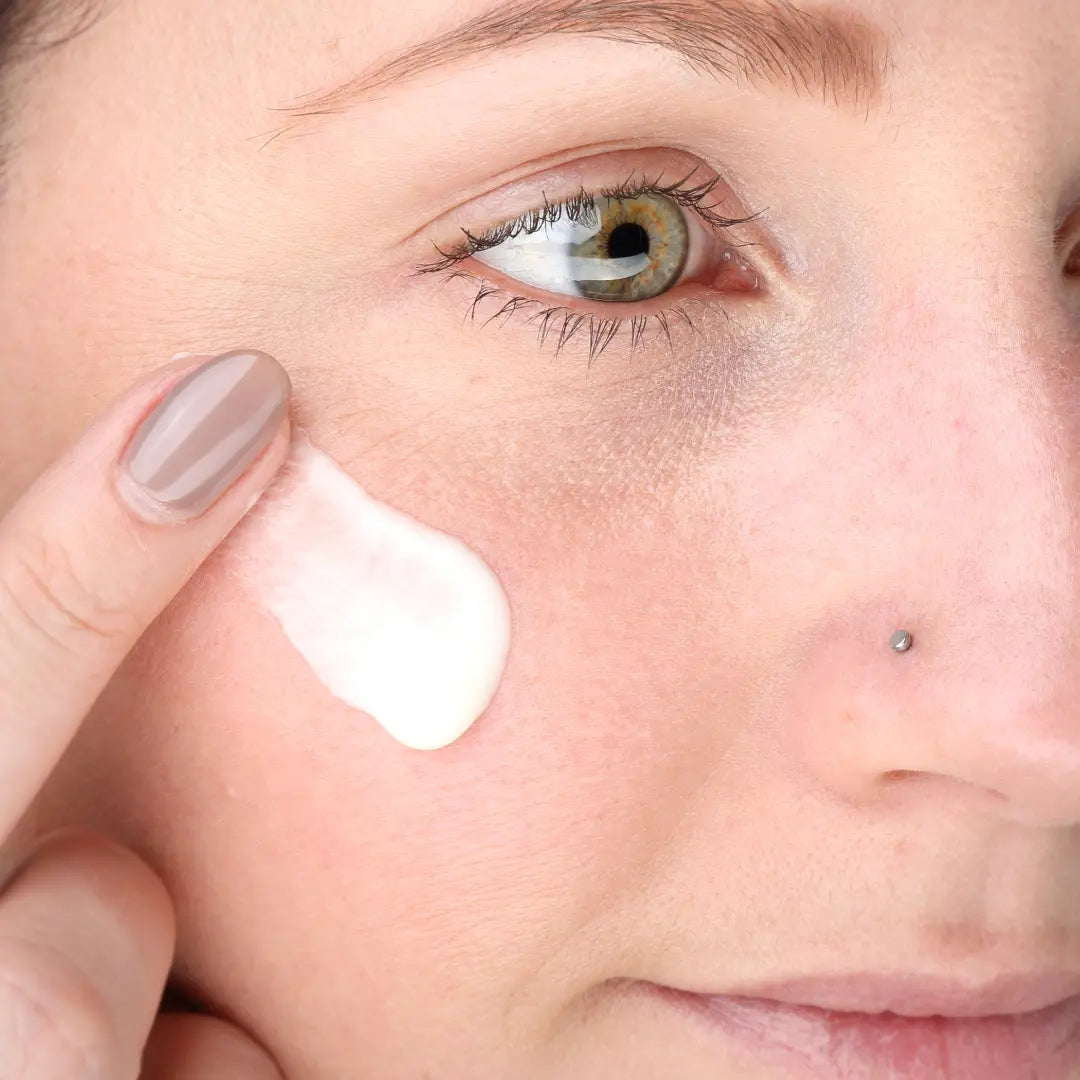
Less is more! Apply a small quantity of primer, roughly the size of a pea, onto your fingertips or a makeup sponge.
Apply Gently and Evenly
Utilizing your fingers, a sponge, or a brush, gently distribute the primer across your face, paying extra attention to areas where makeup tends to break down (such as the T-zone). Allow it to settle for a minute before applying foundation to ensure proper adhesion.
If you’re using multiple primers (for example, a mattifying primer on your T-zone and a hydrating one on dry patches), apply thin layers and let each one absorb before proceeding with additional makeup application.
Avoid Common Primer Application Mistakes
- Overusing Product: Applying too much primer can lead to makeup sliding around instead of adhering properly. Stick to a minimal amount.
- Neglecting Moisturizer: Many individuals question what primer does for makeup, but it should never replace skincare! Always hydrate your skin first for optimal results.
- Incompatibility Between Primer and Foundation: Curious about what primer is used for in makeup? It enhances foundation adherence, but only if they are compatible. Silicone-based primers work best with silicone-based foundations, while water-based primers align well with water-based foundations.
- Applying Foundation Too Quickly: Rushing into foundation application before the primer has set can lead to pilling or uneven coverage.
By properly utilizing primer, you’re not just prolonging your foundation’s wear; you’re establishing the perfect base for a stunning, long-lasting look. Now that you understand what a primer does and its function in makeup, you can elevate your beauty routine to new heights!
The Transformative Benefits of Using Primer for Makeup
If you’ve ever pondered what primer does for makeup, the answer lies in its remarkable ability to enhance both the look and duration of your foundation. A high-quality foundation primer serves as a crucial link between your skincare and makeup, promoting a seamless, long-lasting finish. Here’s why incorporating a makeup primer is a vital step in your beauty regimen.
Prolongs Makeup Wear – Reduces Smudging and Fading
One of the primary benefits of using a face primer is its capacity to keep your makeup intact throughout the day. By establishing a lightweight barrier between your skin and foundation, primer helps thwart oil, sweat, and environmental influences from disrupting your makeup. Whether you’re braving heat, humidity, or long hours, a reliable makeup primer ensures your look remains fresh and polished.
Enhances Skin Texture – Fills in Pores and Fine Lines
Have you ever applied foundation only to notice it settling into pores or fine lines? That’s where primer comes into play. What is primer used for? It creates a smooth surface by blurring imperfections, granting your skin a silky, airbrushed appearance. Silicone-based primers, in particular, excel at smoothing texture, making foundation application effortless.
Provides a Hydrated or Matte Finish – Tailored to Skin Type
If you have dry skin, a hydrating foundation primer helps retain moisture, preventing your makeup from appearing cakey. On the other hand, if you struggle with excess shine, a mattifying primer controls oil, ensuring your complexion remains fresh and radiant throughout the day.
Boosts Foundation Adherence – Facilitates Better Application
When paired with the appropriate primer, foundation is applied more evenly and lasts significantly longer. Many individuals inquire about what primer is used for in makeup—one key advantage is its ability to help foundation grip onto the skin, reducing the chances of patchiness and separation. This translates to less product waste and a more flawless finish.
From extending the wear of your makeup to enhancing skin texture, selecting the right makeup primer can completely elevate your beauty routine. Now that you understand what a primer does, you can confidently choose the perfect one to align with your skin’s requirements and makeup aspirations!
Top Primers Tailored for Your Skin Type and Specific Concerns
Selecting the appropriate primer is crucial for achieving a flawless makeup application; however, it’s essential to consider your skin type and specific concerns. Here’s a comprehensive overview of primers that cater to various skin types, along with recommended products to enhance your routine.
Primers for Oily Skin
For individuals with oily skin, a mattifying primer is indispensable for managing shine and securing your makeup in place. Look for ingredients such as silica, charcoal, or rice powder that effectively absorb excess oil and prevent foundation from slipping throughout the day.
Recommended Product: 100% PURE Mattifying Primer – This primer excels in controlling oil, keeping your complexion fresh and matte without feeling heavy, making it ideal for those who struggle with shine throughout the day.
Primers for Dry Skin
For dry skin types, a hydrating primer becomes your essential ally. Seek out ingredients like hyaluronic acid, glycerin, and vitamin E to lock in moisture and create a smooth surface for makeup application. These components help plump and hydrate your skin, preventing foundation from clinging to dry patches.
Recommended Product: 100% PURE Luminous Primer – This primer is rich in vitamins and antioxidants, providing hydration while imparting a radiant glow, making it perfect for dry skin in need of a moisture infusion.
Primers for Sensitive Skin
For those with sensitive skin, it’s crucial to select a primer that is free from fragrances and harsh chemicals. Opt for formulas that are hypoallergenic, non-comedogenic, and designed to soothe and protect the skin without causing irritation.
Recommended Product: 100% PURE Mattifying Primer – This gentle formula effectively controls oil without irritating sensitive skin, making it a fantastic option for those seeking a soothing, non-abrasive choice.
For mature skin, the objective is to find a primer that smooths fine lines and enhances elasticity. Look for products containing antioxidants, peptides, and vitamins to improve skin texture and provide a firm, youthful base for makeup.
Recommended Product: 100% PURE Luminous Primer – This primer not only hydrates but also contains resveratrol, which helps firm and smooth mature skin, imparting a radiant and youthful glow.
Once your primer is applied, elevate your makeup routine with these products from 100% PURE:
- 100% PURE Fruit Pigmented® Full Coverage Water Foundation – A natural, full-coverage foundation that pairs beautifully with primer for extended wear. It blends seamlessly, leaving your skin with a flawless finish.
- Fruit Pigmented® 2nd Skin Concealer – This creamy concealer offers excellent coverage without feeling heavy, making it the perfect complement to your primer for concealing dark circles or blemishes.
- 100% PURE Bamboo Blur Powder – This lightweight powder helps set your makeup while providing a soft-focus effect, blurring imperfections and ensuring your look remains fresh all day.
With these specially formulated primers and products, you can address your unique skin needs and achieve a stunning, long-lasting makeup look!
Debunking 5 Common Myths About Makeup Primers
Numerous misconceptions surround makeup primers, often leaving individuals uncertain about whether to incorporate them into their beauty regimen. Let’s dispel some of the most prevalent myths to clarify what primer does and why it’s an indispensable addition to your beauty toolkit.
Myth 1: Primers Clog Pores and Cause Breakouts
Truth: Not all primers are the same. While some heavier, pore-clogging formulas may lead to breakouts, most makeup primers are crafted to be lightweight and non-comedogenic. In fact, many primers contain ingredients like silica or charcoal, which can help absorb excess oil and reduce the likelihood of breakouts. Always select a face primer that aligns with your skin type—particularly if you’re prone to acne.
Myth 2: Primers Are Unnecessary for Those with Good Skin
Truth: Even if you have clear, smooth skin, incorporating a foundation primer can still be transformative. What is primer used for in makeup? It establishes a smooth, even base that enhances your foundation’s performance. It also prolongs makeup wear, alleviating concerns about touch-ups throughout the day. If you desire a flawless look that endures, a primer remains essential, regardless of your skin condition!
Myth 3: Any Moisturizer Can Substitute for a Primer
Truth: While both moisturizer and primer prepare your skin for makeup, they serve distinct purposes. What does primer do for makeup? A primer specifically creates a barrier that enhances foundation adherence and longevity. Moisturizer hydrates, but it lacks the gripping or texture-enhancing properties of a primer. To achieve makeup that remains in place without sliding off, it’s best to utilize both a moisturizer and a primer!
Myth 4: Primer Makes Makeup Feel Heavy
Truth: When applied correctly, primer should feel lightweight and comfortable on the skin. Some richer-textured primers may feel slightly heavier, but the majority of makeup primers are designed to be breathable and smooth. If you find primer uncomfortable, consider transitioning to a lightweight, hydrating foundation primer tailored to your skin type.
Myth 5: You Can Skip Primer If Using Long-Wearing Foundation
Truth: Even when using a long-wearing foundation, incorporating a primer guarantees better adhesion and longer-lasting results. While some foundations are formulated to remain in place, primer provides an extra layer of protection that helps your makeup withstand oil, sweat, and other environmental factors. A primer not only supports your foundation but also creates a smooth canvas that amplifies the final look.
Now that these myths have been debunked, you can confidently integrate makeup primer into your routine and fully enjoy its benefits! Whether you seek extended wear, improved texture, or a flawless finish, primer plays a significant role in achieving your ideal makeup look.
Frequently Asked Questions About Makeup Primers
1. What is primer used for in makeup?
Primer is a foundational product applied before foundation, designed to create a smooth, even surface for makeup. It enhances foundation application, extends wear time, minimizes the appearance of pores, and controls shine. Depending on its formulation, it can also hydrate, mattify, or illuminate the skin, ensuring your makeup remains flawless throughout the day.
2. What are the consequences of skipping primer?
By skipping primer, you may experience makeup that doesn’t adhere as effectively, wears off more quickly, or settles into fine lines and pores. Without primer, your foundation may appear uneven or patchy, particularly on textured or oily skin. Additionally, primer establishes a barrier between your skin and makeup, reducing irritation chances and promoting long-lasting results.
3. Is it possible to wear primer without foundation?
Absolutely! Primer can be applied alone to smooth the skin, reduce redness, or create a more even texture. Certain primers also provide oil control or hydration, granting your skin a natural, fresh appearance without the need for foundation. It’s an excellent option for those minimal makeup days.
4. How frequently should primer be used?
You should use primer each time you apply makeup to guarantee a long-lasting, flawless finish. If you’re forgoing foundation, it’s still beneficial to apply primer to enhance your skin’s texture or achieve a specific look, whether matte or dewy. For special occasions requiring all-day wear, primer is especially advantageous.
5. What distinguishes face primer from eyeshadow primer?
Face primer is designed to smooth, hydrate, and prepare the skin for foundation, enhancing makeup longevity and appearance. In contrast, eyeshadow primer is formulated specifically to boost the color payoff of eyeshadows, prevent creasing, and ensure your eye makeup lasts throughout the day. Eyeshadow primers tend to be more lightweight and may come in tinted formulas to even out the eyelid.
Elevate Your Makeup Game with the Right Primer
Primer is the hidden gem that elevates your makeup from ordinary to extraordinary. By establishing a smooth, even base, primer significantly extends the wear of your foundation, controls oil, and minimizes imperfections. Whether your goal is to mattify, hydrate, or achieve a radiant glow, there is a primer designed for every skin type and concern. It truly makes a world of difference in achieving a makeup look that remains intact and fresh throughout the day.
Are you ready to discover the ideal primer for your specific needs? Explore 100% PURE’s extensive primer collection and uncover the perfect match for your skin.
Find your perfect primer match today—shop our collection now!
Your journey to a flawless makeup routine begins here!