


[ad_1]
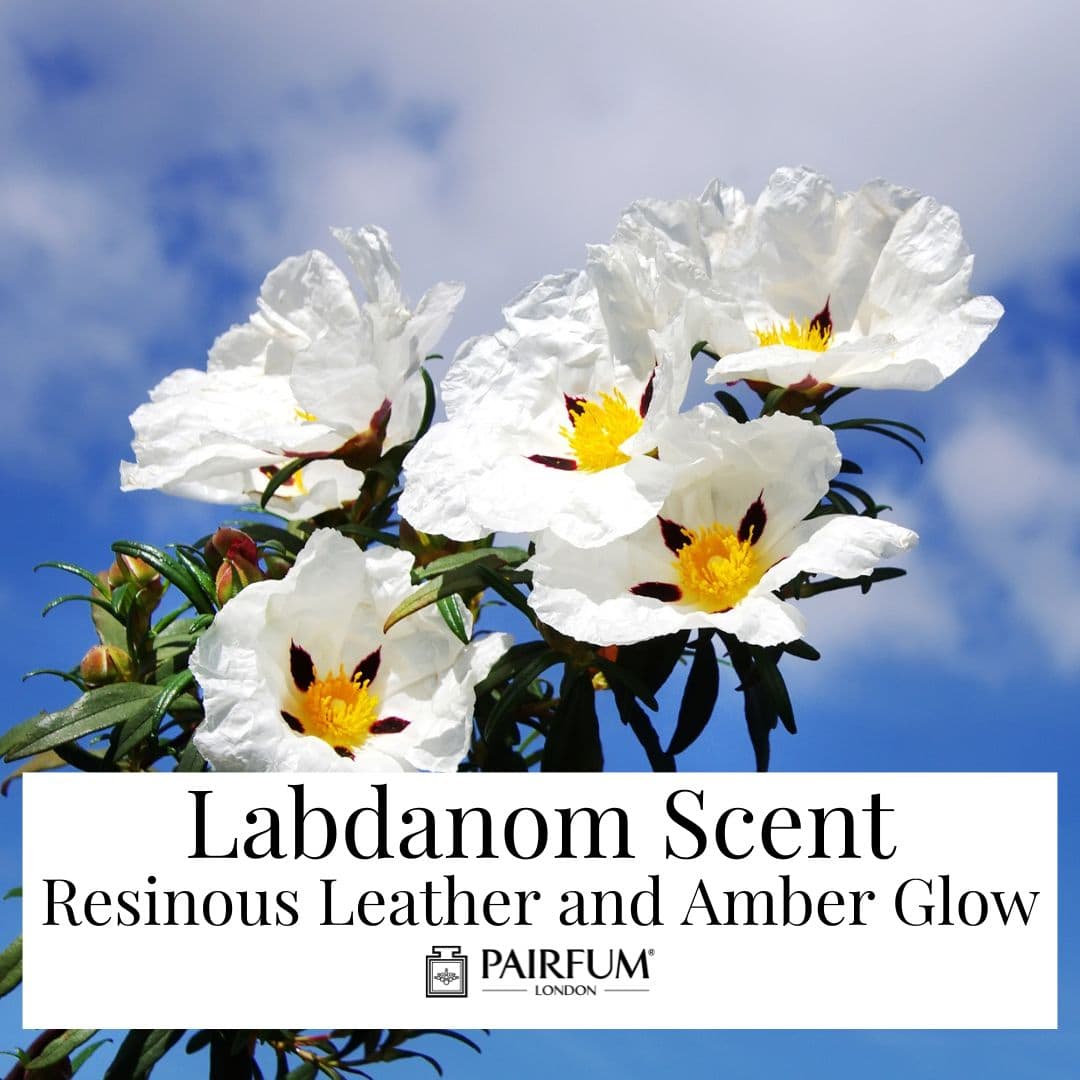
Labdanum is a unique resin derived from the rock rose plant, classified as a key ingredient in perfumery due to its warm, balsamic, and amber-like scent. I believe Labdanum is an essential fragrance component because it provides a rich, long-lasting base note that enhances the complexity of perfumes with hints of leather, honey, musk, and plum.
At CosmeticsUrgeryNews, we specialize in cosmetics, beauty, body care, hair care, and perfume, helping fragrance enthusiasts achieve a deeper understanding of scent composition and selection. Our platform monetizes through educational content, product reviews, and affiliate partnerships with leading brands in the beauty industry. This guide covers the origins of labdanum, its extraction methods, olfactory profiles, and applications in modern perfumery.
This comprehensive overview includes:
- The historical significance of labdanum in perfumery
- Extraction techniques and their impact on fragrance quality
- Olfactory profiles and applications in various fragrance families
- How to recognize labdanum in perfumes
- Tips for enjoying labdanum at home
What Is the Historical Journey of Labdanum?
Labdanum has a rich history that predates modern perfumery. It was first collected by goatherds in the Mediterranean, who found it clinging to the coats of goats grazing on Cistus shrubs. This sticky resin was used in incense and unguents, valued for its deep, balsamic aroma. Historical texts indicate that labdanum was part of ancient Egyptian incense blends, dating back to 1500 BCE, and was often associated with spiritual practices.
In Greek and Roman cultures, labdanum was prized for its healing properties and sensuality. As modern perfumery developed, labdanum emerged as a cornerstone of the classic chypre family, where its resinous richness harmonizes with citrus, floral, and mossy notes.
Which Plants Produce Labdanum?
Labdanum is sourced from several species of Cistus, particularly Cistus ladanifer and Cistus creticus, which thrive in the dry Mediterranean climate. The aromatic compounds are concentrated in the resin due to the harsh growing conditions. The resin’s character varies based on its growing region, with warmer areas producing darker, smokier profiles, while cooler regions yield herbal brightness.
Once harvested, labdanum can be transformed into various perfumery ingredients:
- Labdanum resinoid: Thick and inky, with strong leather and smoke tones
- Labdanum absolute: Smoother, emphasizing amber and balsamic facets
- Cistus oil: Distilled from leaves, offering a drier, aromatic profile
- Molecularly distilled fractions: Isolating specific scent aspects, like honeyed or woody notes
How Is Labdanum Processed for Perfumery?
Traditional methods of labdanum collection involved labor-intensive techniques, such as using leather thongs to pull the resin from Cistus shrubs. However, modern production focuses on more efficient harvesting methods. The raw resin undergoes solvent extraction to produce labdanum absolute, while steam distillation yields Cistus oil.
Labdanum is a renewable resource, making it a favorite among artisan perfumers who value sustainable ingredients. It serves as a powerful anchor in natural eau de parfum, providing the fixative qualities necessary for lasting scents.
What Are the Extraction Techniques and Olfactory Profiles of Labdanum?
The extraction method significantly influences the fragrance profile of labdanum. While some prefer raw, unprocessed resin for its tactile qualities, modern techniques ensure a cleaner, more refined scent. Labdanum’s olfactory profile is often described as a golden touch, transforming simple floral notes into luxurious fragrances.
Labdanum is also recognized for its ability to mimic ambergris, providing an ethical alternative to animal-derived substances. Its versatility allows it to blend seamlessly with various fragrance families, enhancing both floral and woody notes.
How Can You Recognize Labdanum in Fragrances?
Labdanum often appears in fragrance descriptions under base notes, characterized by terms like amber, balsamic, and leathery. To fully appreciate labdanum, allow the fragrance to settle after application. The lingering, smoky amber that feels like a second skin is typically a result of labdanum’s influence.
Different fragrance enthusiasts may appreciate labdanum in various ways:
- Amber lovers enjoy its comforting presence in natural eau de parfum
- Chypre fans appreciate its role in harmonizing citrus and floral notes
- Leather fragrance aficionados relish its rugged undertones
- Incense devotees recognize its warm, meditative qualities
How Do Modern Perfumers Utilize Labdanum?
Labdanum is a fundamental component in both amber and chypre fragrances. It is often blended with vanilla, benzoin, and tonka bean to create warm amber accords. In chypre compositions, it acts as a bridge between bright citrus and earthy woods.
Perfumers also use labdanum to enhance leather, incense, and smoky notes. For example:
- It can evoke the warmth of a leather jacket
- It suggests the aroma of incense in a cool stone environment
- It creates a glowing ember effect in spicy perfumes
What Is the Role of Labdanum in Pairfum London Home Fragrance?
The Flacon Room Spray by Pairfum London elevates home atmospheres with the sophistication of fine fragrances. This room perfume uses a high-quality mist to disperse scent evenly, allowing the aroma to linger beautifully on textiles.
What Are the Key Notes in Cognac & Vanilla – Flacon Perfume Room Spray?
This luxurious aroma features a blend of Sherry Aged Oak, rich Bourbon Vanilla, Golden Cognac, Caribbean Patchouli, Amber Benzoin, and Ancient Labdanum, creating a sophisticated scent experience.
