


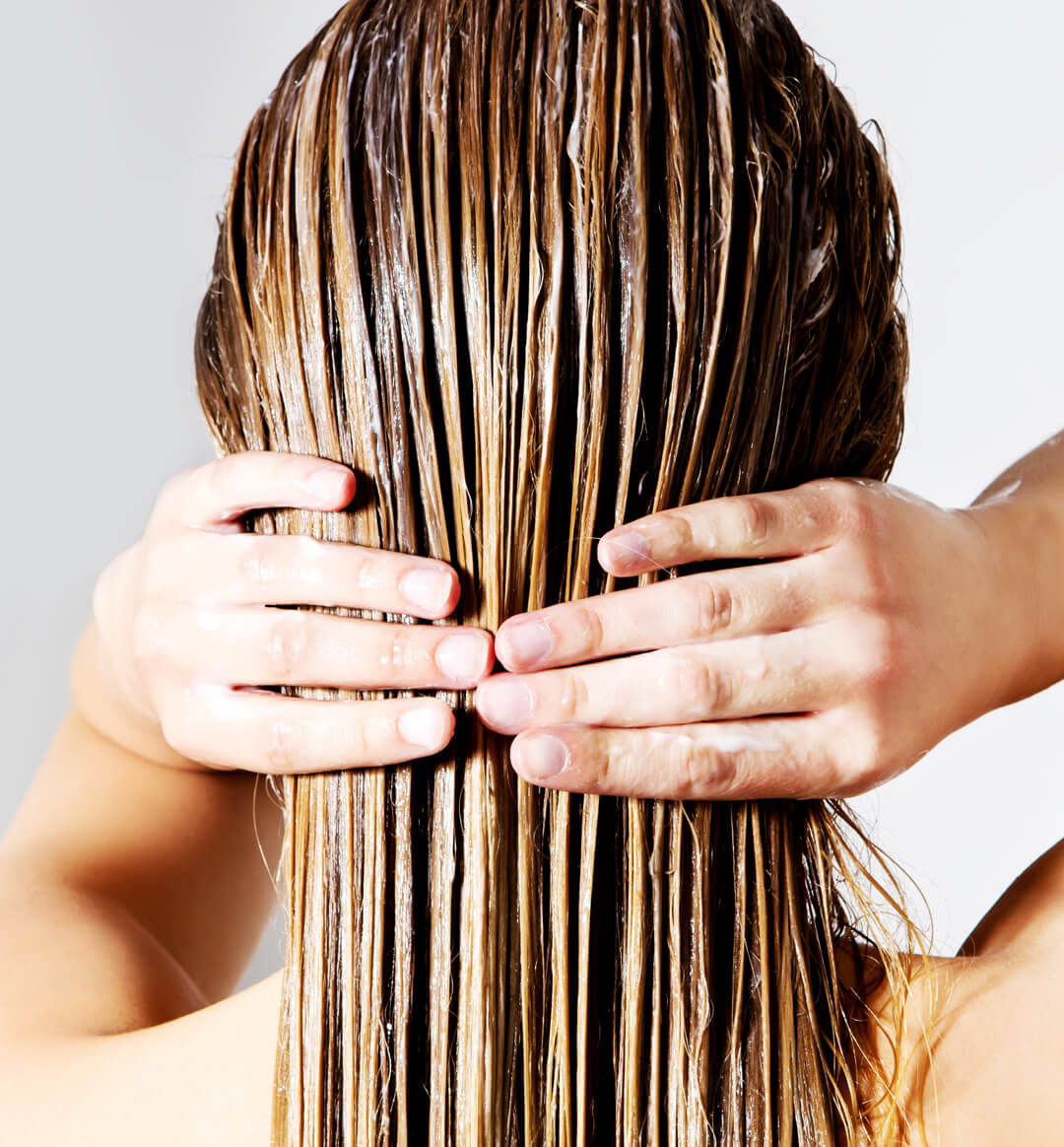
Are you facing challenges with a hair knot that features shiny ends yet a dry scalp? It’s easy to overlook the importance of your scalp in your conditioning routine, but neglecting it can significantly hinder your overall hair health. Those with thin or fine hair might cringe at the thought of conditioning their roots and scalp, fearing excess grease. However, there’s a suitable option available for every scalp type and hair texture. In this article, we will explore the benefits of establishing a consistent scalp conditioning routine, how to select the right conditioner tailored for your hair type, and much more!
Discover the Essential Benefits of Conditioning Your Scalp
While most of us focus on conditioning the ends of our hair, what about the scalp? Previously, it was believed that applying conditioner only from the ears down was sufficient. This method may leave your ends feeling soft and nourished while your roots remain frizzy and neglected. Here’s a critical reminder: a thriving, healthy scalp is the foundation for vibrant hair. The more care you provide to your scalp, the more robust and healthier your hair will become. Therefore, it’s crucial to extend the same love and care you give to your ends, right up to your roots.
Each time you wash or clarify your hair, you remove natural oils from your scalp. This continual stripping of moisture, without replenishing it, can result in a dry scalp and dandruff over time. Although excessive buildup of sebum (the natural oil) can harm hair follicles and inhibit healthy hair growth, maintaining a moisturized scalp is essential. Does this sound familiar?
Just like your face, your scalp requires a balanced level of moisture to function optimally. Utilizing a natural scalp conditioner for hydration will promote better hair growth, enhance texture, improve elasticity, and add dazzling shine. Prioritizing hydration is not just beneficial; it’s essential for achieving beautifully resilient hair.
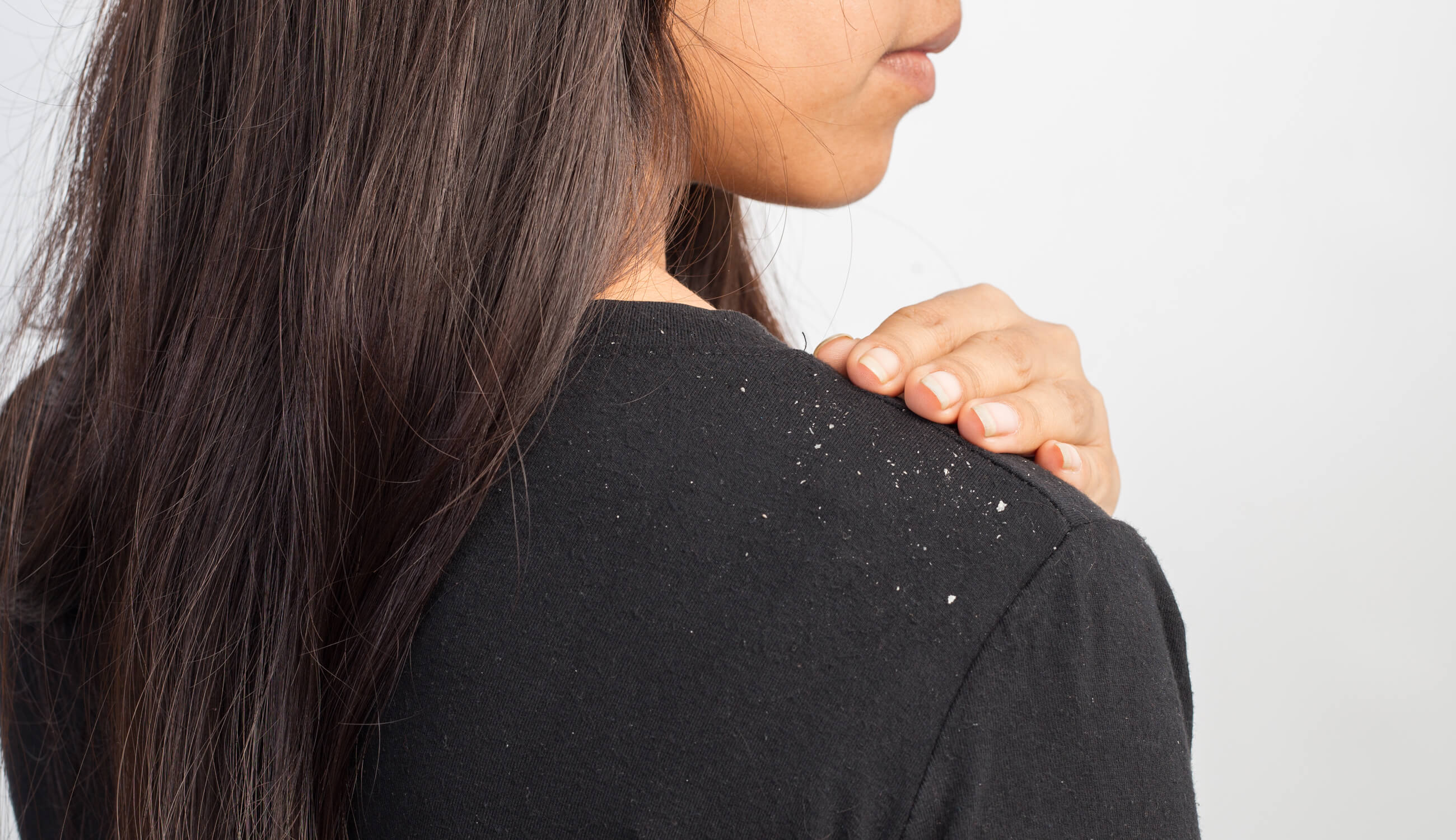
Choosing the Right Scalp Conditioner for Your Unique Hair Type
Not every hair type can tolerate a heavy, rich scalp conditioner. While individuals with thick or coarse hair may benefit from intense hydration, those with finer hair can find themselves feeling weighed down by unsuitable products. Begin your journey to effective scalp conditioning by identifying the right conditioner (and shampoo) tailored specifically for your hair type. The ideal conditioner will depend on your hair’s texture, current condition, and overall needs. Below, we’ve compiled our top recommendations for conditioners based on hair type!
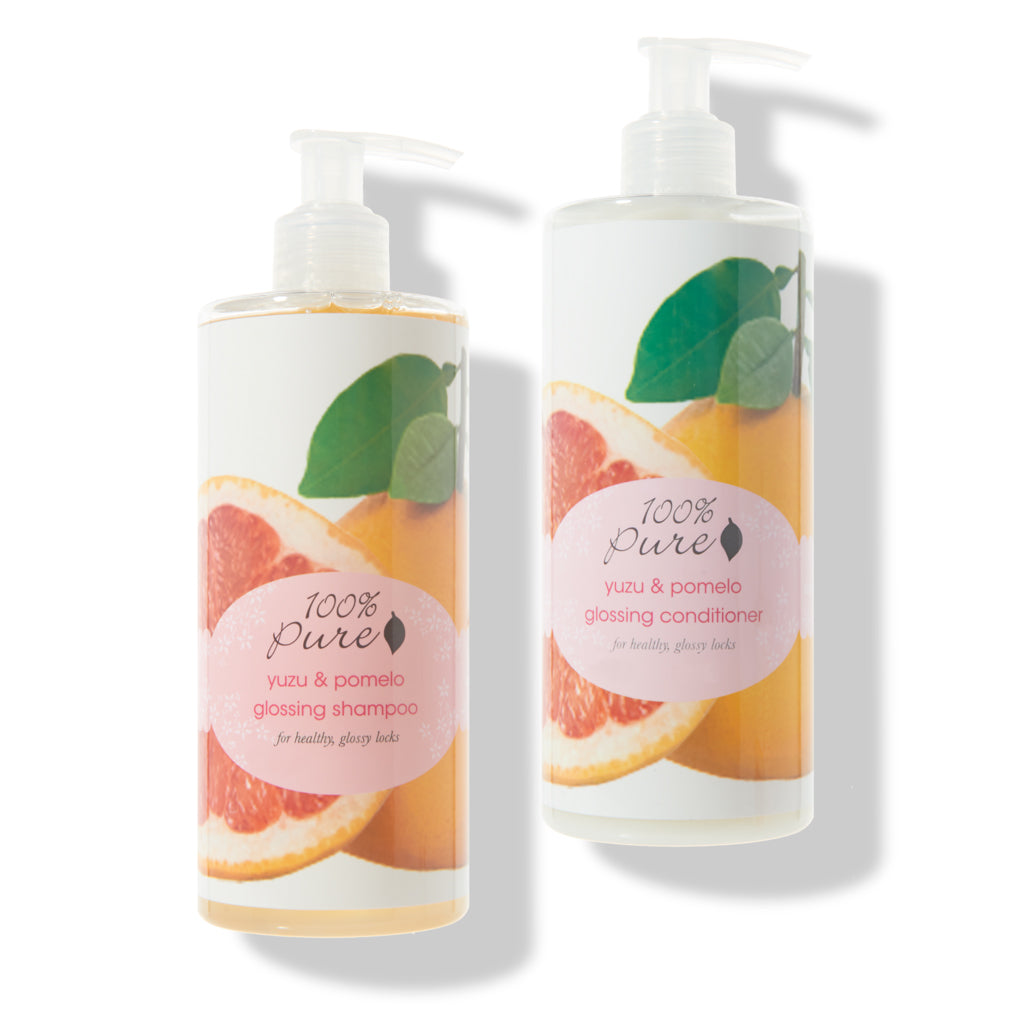
Optimal Scalp Conditioner for OILY or GREASY Hair:
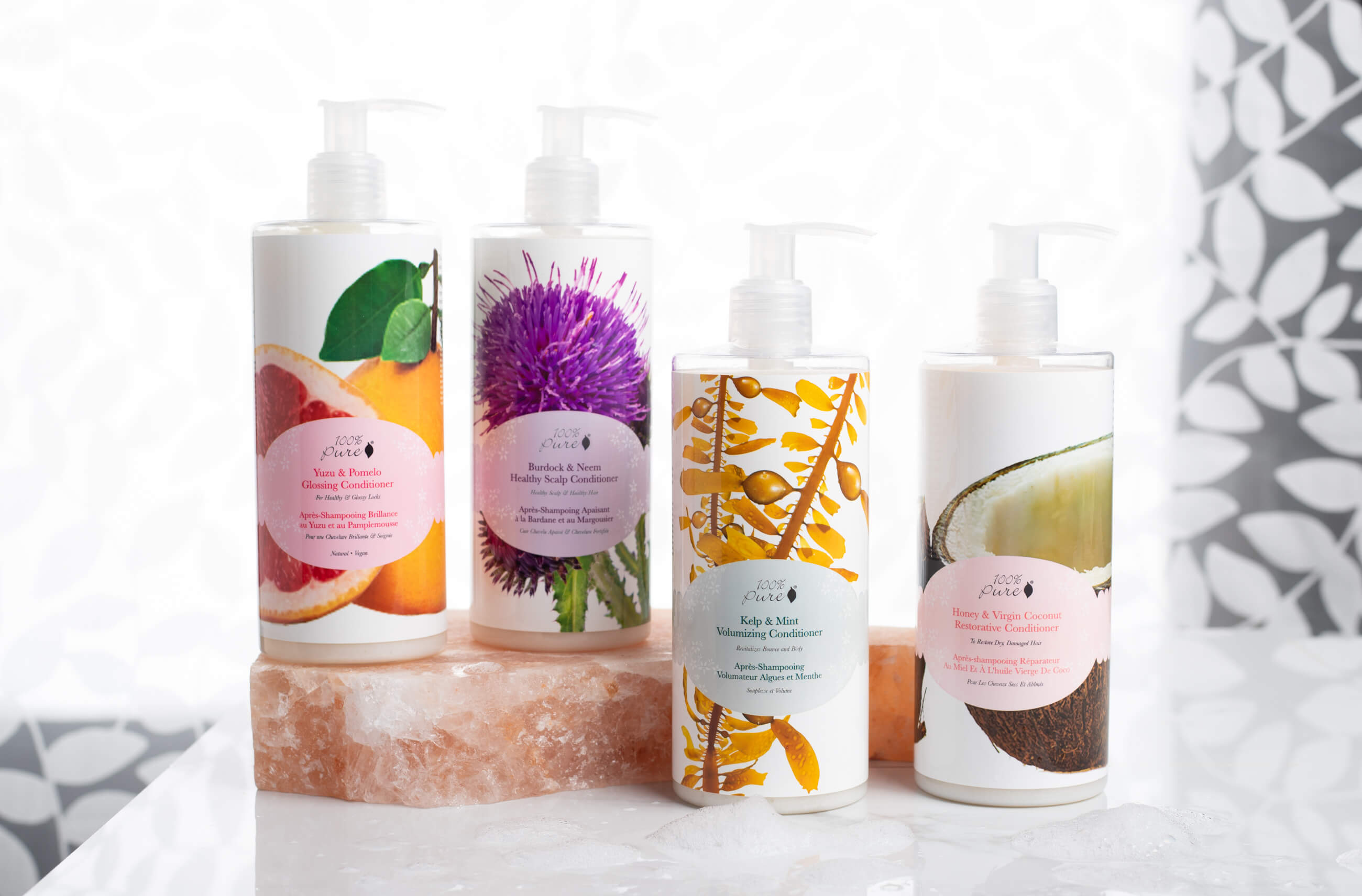
Yuzu & Pomelo Glossing Conditioner 13 oz.
Key Ingredients:
– Flax Seed Oil
– Kelp
– Vitamin E
Safe for Color-Treated Hair: Yes
Vegan: Yes
Gluten-Free: Yes
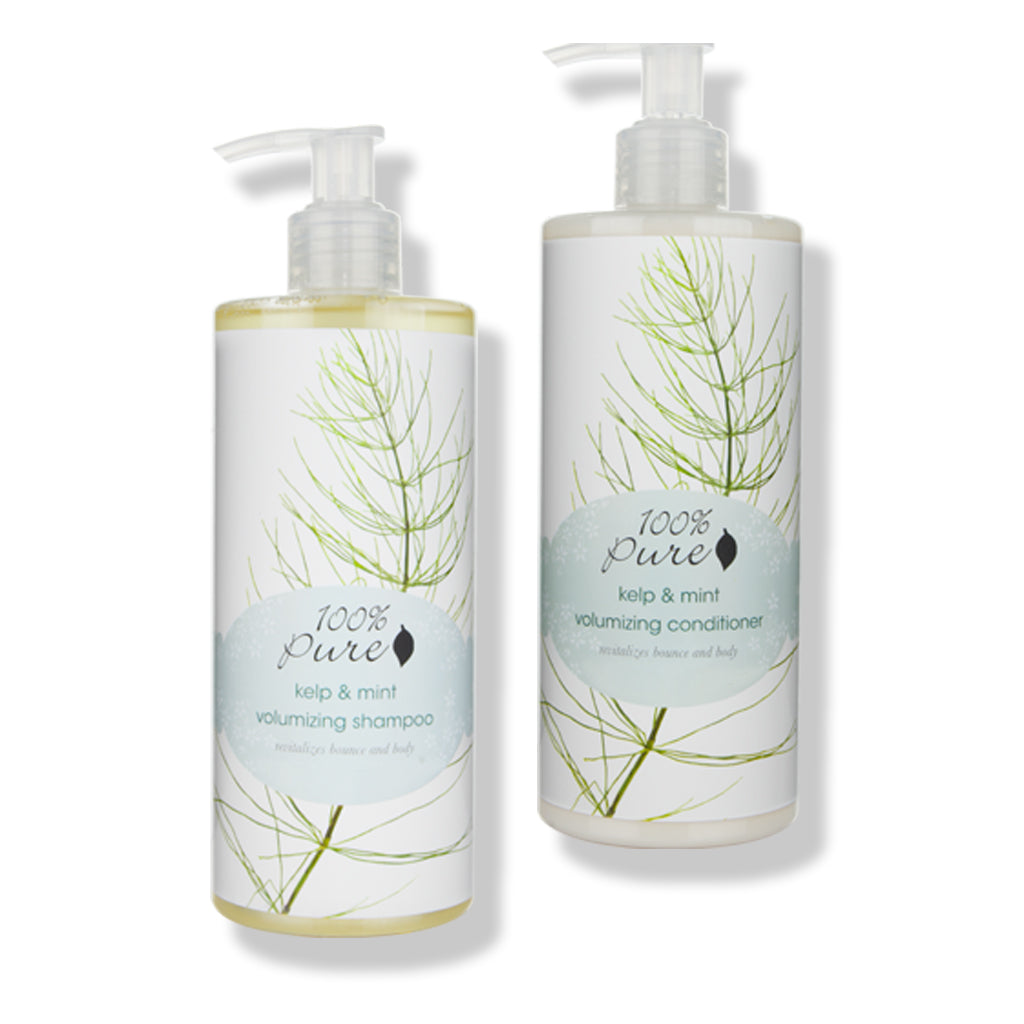
Optimal Scalp Conditioner for FINE Hair:
Kelp & Mint Volumizing Conditioner 13 oz.
Key Ingredients:
– Flax Seed Oil
– Kelp
– Vitamin E
Safe for Color-Treated Hair: Yes
Vegan: Yes
Gluten-Free: Yes
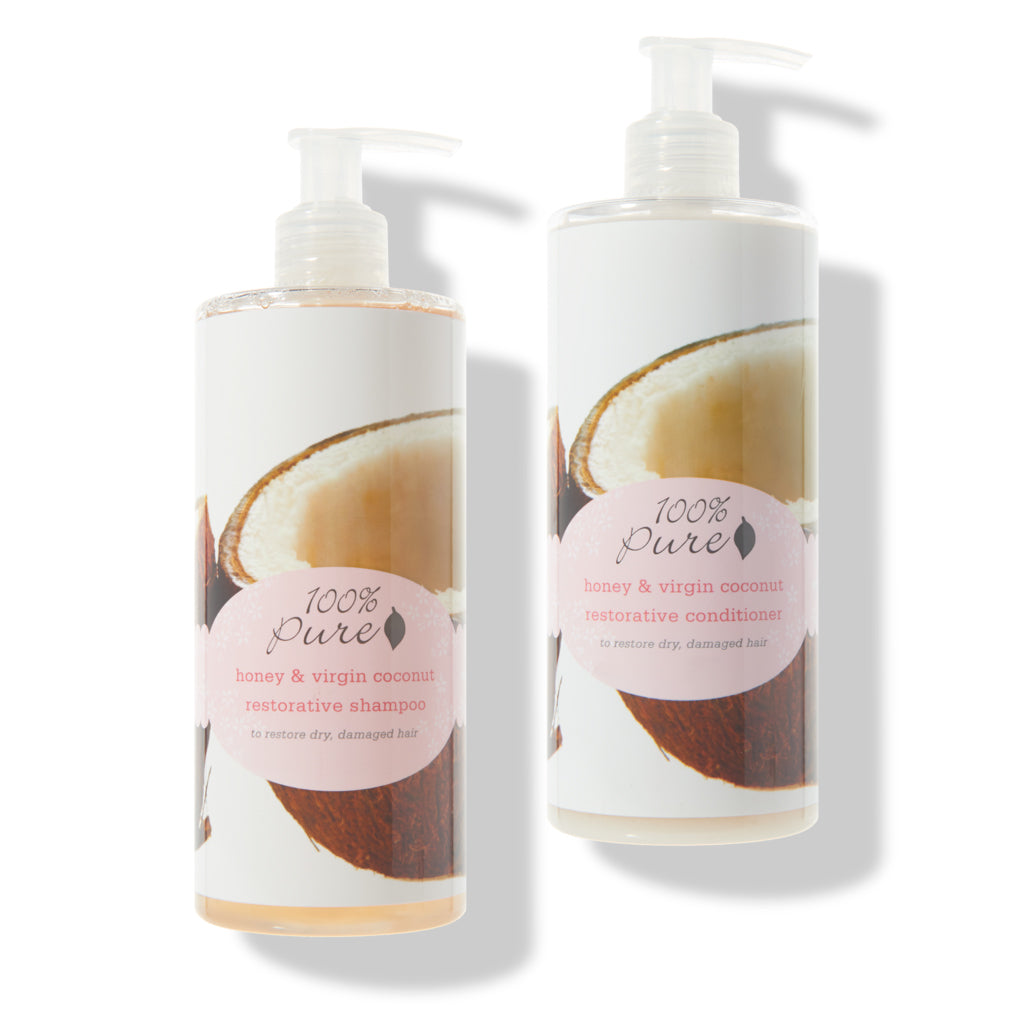
Optimal Scalp Conditioner for DAMAGED or NATURAL Hair:
Honey & Virgin Coconut Conditioner 13 oz.
Key Ingredients:
– Virgin Coconut Oil
– Honey
– Kelp
Safe for Color-Treated Hair: Yes
Vegan: Yes
Gluten-Free: Yes
Optimal Scalp Conditioner for DRY or ITCHY SCALP:
Burdock & Neem Healthy Scalp Conditioner 13 oz.
Key Ingredients:
– Rose Hydrosol
– Nettle
– Neem
Safe for Color-Treated Hair: Yes
Vegan: Yes
Gluten-Free: Yes
In addition to using conventional hair conditioners for scalp hydration, consider exploring DIY options as well. Search your pantry for nourishing scalp treatments such as coconut oil, argan oil, almond oil, jojoba oil, and olive oil, all of which are highly effective moisturizers. If you’re interested in a two-step approach that involves both clarifying and moisturizing, simply add a few drops of pure tea tree oil to your chosen oil and massage it gently into your scalp. This can help soothe irritated areas, combat dandruff, and reduce inflammation. Always remember to rinse any scalp conditioner thoroughly after use, whether it’s store-bought or homemade!
PRO TIP: Interested in more personalized recommendations for your hair type? Dive into our complete guide to natural hair care, which offers a detailed breakdown of natural shampoos and conditioners suited for every hair type and specific hair concerns.
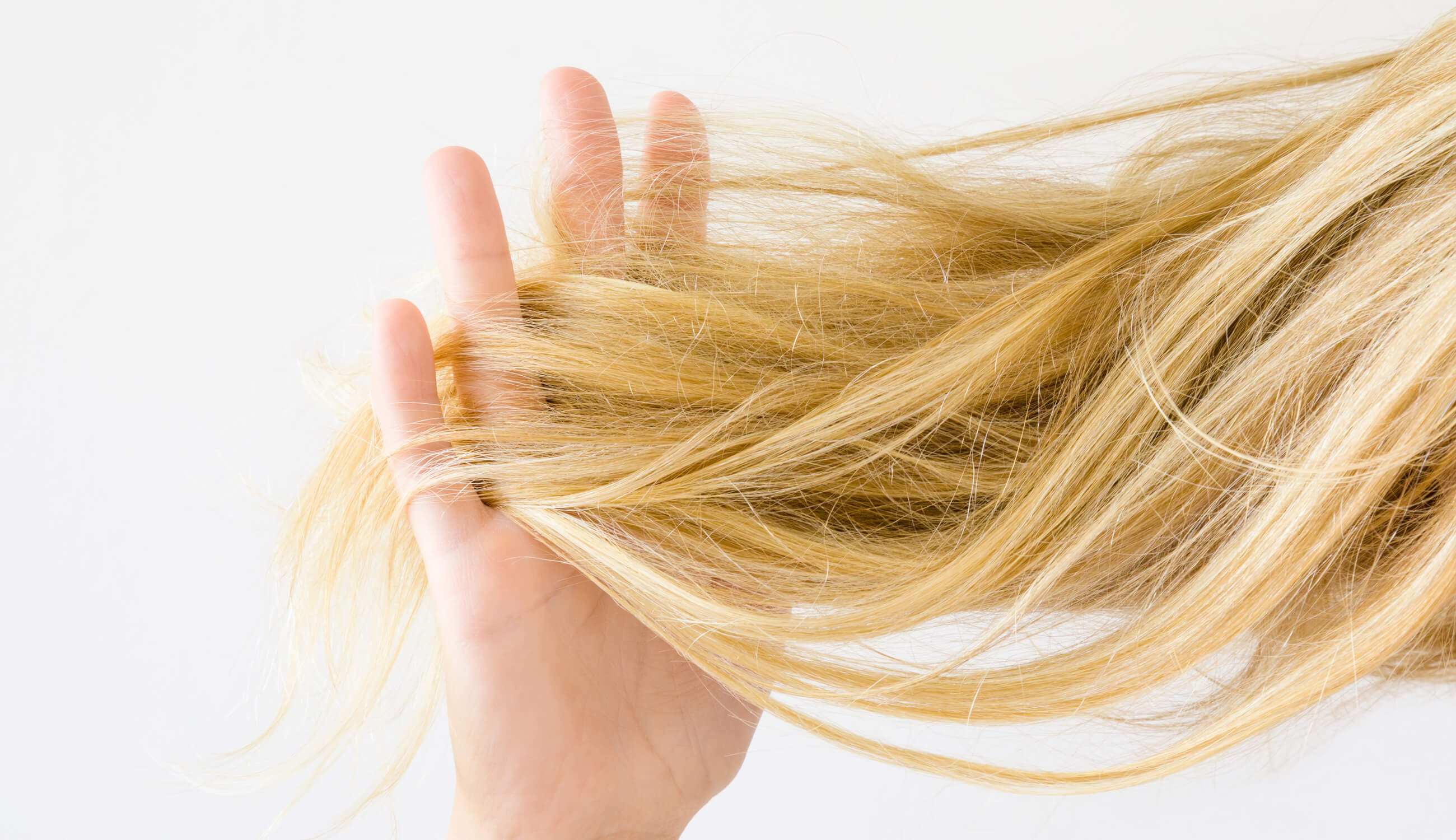
Essential DO’s and DON’Ts for Effective Scalp Conditioning
While diving headfirst into a new hair care routine might seem exciting, it’s crucial to understand the fundamental rules of scalp and hair conditioning before you begin. These straightforward do’s and don’ts will help you maximize the benefits of your conditioning efforts while steering clear of common pitfalls.
AVOID:
Using Silicones in Hair Products
Silicones may provide a temporary solution, but they are synthetic, heavy, and notoriously hard to rinse out completely. Many conditioners and hair serums contain silicones, which serve as emollients and detanglers, particularly for curly, frizzy, or dry hair. While they can give your hair a slippery texture that aids in detangling, they build up quickly and can weigh your hair down after just a few uses. If you struggle with oily or limp hair, it’s best to skip products with silicones altogether!
Over-Washing Your Hair
Frequent hair washing can lead to over-washing your scalp. While it might feel necessary, especially after an intense workout, refrain from washing too often to avoid triggering excessive sebum production. Sebum is the natural oil that moisturizes your skin, and over-washing can cause your scalp to produce more oil in response to perceived dryness. Consult your stylist for personalized recommendations on how often to wash your hair, and opt for a natural, non-stripping shampoo formulated without harsh chemicals.
While clarifying shampoos can be beneficial, using them too frequently can strip moisture from your scalp and strands. The primary function of a clarifying treatment is to remove product buildup and excess oil, promoting healthy hair growth and preventing weighed-down strands. However, frequent use can deplete your scalp of essential hydration. Professionals suggest clarifying approximately 2-3 times a month for dry or curly hair, while others may safely clarify once a week.
Avoiding Alcohol-Based Products
Thinking of using your leave-in conditioner as a scalp treatment? Think again. Most leave-in conditioners include alcohols, such as cetyl alcohol, which can dry out your strands and scalp. Instead, seek conditioners enriched with essential oils that balance emollients and moisturizing agents to provide nourishment without drying effects.
DO:
Condition Regularly for Optimal Results
Although it may seem obvious, regular conditioning is essential. While you might remember to condition your ends every time you shower, don’t neglect your scalp. Aim to condition your scalp as frequently as you condition the rest of your hair, ideally a few times a week. If you’re worried about weighing down your hair, start with a weekly treatment and gradually increase the frequency until you discover a routine that suits your unique hair type and scalp needs. Fine hair can easily become weighed down, so a bit of trial and error is advisable.
Condition Before Coloring Your Hair
To minimize discomfort during color treatments, ensure your scalp is well-hydrated beforehand. If your scalp is sensitive, itchy, or irritated after a coloring session, it likely needed more moisture prior to the treatment. Conditioning the night before can help prepare your scalp for the harsh chemicals involved in hair coloring.
Allow Conditioner to Set Before Rinsing
In a rush to complete your morning routine? If you’re only allowing your conditioner to sit for a minute or so, consider taking more time for this step. Treat conditioning as a moment for self-care; aim for 3 full minutes to let the conditioner penetrate and work its magic. Rushing through this process will prevent the conditioner from fully benefiting your scalp and strands. Use this time to indulge in a soothing facial massage or practice deep breathing — your hair will thank you!
Explore DIY Scalp Conditioner Recipes
As previously mentioned, numerous natural oils can be utilized as effective DIY scalp conditioners. For finer hair types, consider lighter oils such as argan, jojoba, or sweet almond oil. For those with thick, curly, or coarse hair, richer options like honey, olive oil, or coconut oil are excellent choices. You can also enhance your DIY recipes by adding essential oils like lavender, bergamot, tea tree, or peppermint for their purifying, antibacterial, and scalp-stimulating properties.
Embrace the Benefits of a Sauna After Conditioning
After applying your chosen scalp conditioner, consider stepping into a sauna or enjoying a steamy shower. The combination of heat and moisture will stimulate blood circulation in your scalp and increase the porosity of your hair, enabling it to absorb the nourishing benefits of your conditioner more effectively.
Answers to Your Most Common Questions About Scalp Conditioning
How Often Should You Condition Your Scalp?
The frequency of conditioning your scalp largely depends on your hair type, individual needs, and lifestyle. For those with a dry or sensitive scalp, conditioning daily or every other day can help prevent dryness and irritation. In contrast, individuals with an oily scalp may condition less frequently while ensuring they keep their scalp hydrated. For most hair types, aim to shampoo and condition two to three times each week.
What Distinguishes Scalp Conditioners from Regular Hair Conditioners?
The primary difference between scalp conditioners and standard hair conditioners lies in their formulation and purpose. Scalp conditioners are specifically designed to hydrate and address issues related to the scalp, including dryness, itchiness, irritation, and flaking. In contrast, regular hair conditioners focus on moisturizing and smoothing the hair shaft, typically applied from mid-length to the ends, and should be avoided on the scalp to prevent buildup and greasiness.
Can Conditioning the Scalp Enhance Hair Growth?
Absolutely! Conditioning your scalp can positively impact hair growth. Scalp conditioners provide hydration to both the hair and hair follicles, replenishing essential growth proteins and sealing the cuticle to prevent damage. This process promotes healthy hair growth while minimizing breakage. Regular conditioning contributes to stronger, smoother hair that is more resilient against daily stressors.
Should You Apply Conditioner to the Scalp if You Have Oily Hair?
If you have oily hair, it’s not advisable to apply conditioner directly to your scalp. Instead, focus on applying it to the mid-lengths and ends of your hair to avoid adding excess oil to your scalp and preventing your hair from appearing greasy or weighed down.
How Does Using a Scalp Conditioner Affect Color-Treated Hair?
When used appropriately, a scalp conditioner can help maintain the vibrancy and shine of color-treated hair by keeping the scalp healthy, which supports healthy hair growth and reduces color fading. It’s essential to choose a scalp conditioner specifically formulated for color-treated hair to avoid stripping the color from your strands, and always direct the application to the scalp while avoiding the hair shaft.
