


Navigating the world of makeup and skincare can be particularly challenging if you have sensitive skin. The risk of experiencing adverse reactions such as burning, redness, and inflammation from harsh products can feel overwhelming. If you’re on a quest to discover skincare and makeup solutions that soothe rather than irritate, you’re in the right place. This comprehensive guide from 100% PURE will provide essential insights and recommend products specifically designed to promote calm and healthy skin!
Identifying Your Skin Type: Do You Have Sensitive Skin?
Understanding your skin’s sensitivity is the first crucial step. Sensitive skin can often be a genetic trait characterized by features such as thin skin, pronounced blood vessels, reduced pigmentation, and a compromised outer skin barrier. These characteristics often lead to increased redness and irritation, making your skincare choices critical. On the other hand, sensitized skin can emerge from external factors, indicating that your skin’s lipid barrier has been weakened due to influences beyond genetics. Stress, dietary choices, environmental pollutants, alcohol, smoking, hormonal fluctuations, and excessive exfoliation can all contribute to this condition.
Recognizing the Signs: Symptoms of Sensitive Skin
If you frequently find that your skin reacts negatively to various products, it’s a significant indicator of sensitive skin. For instance, while you might be drawn to a fragrant exfoliating cocoa bean cleanser, your skin may protest with irritation. Those with sensitive skin often observe reactions to exfoliants, synthetic fragrances, detergents, and dyes, particularly when these products contain non-natural ingredients. Symptoms can manifest as itchiness, dryness, or redness, which may include red bumps, flushing, or dilated blood vessels. Using random moisturizers can lead to discomfort, so it’s essential to choose products carefully.
Environmental factors can also exacerbate sensitive skin. Stepping outdoors may feel like navigating a minefield due to temperature fluctuations and wind, which can aggravate your skin. Cold weather can sap moisture from the skin, increasing vulnerability to breakouts and cracks. Awareness of these triggers is vital for maintaining healthy skin.
Top Product Recommendations for Sensitive Skin
Gentle Cleansers for Sensitive Skin
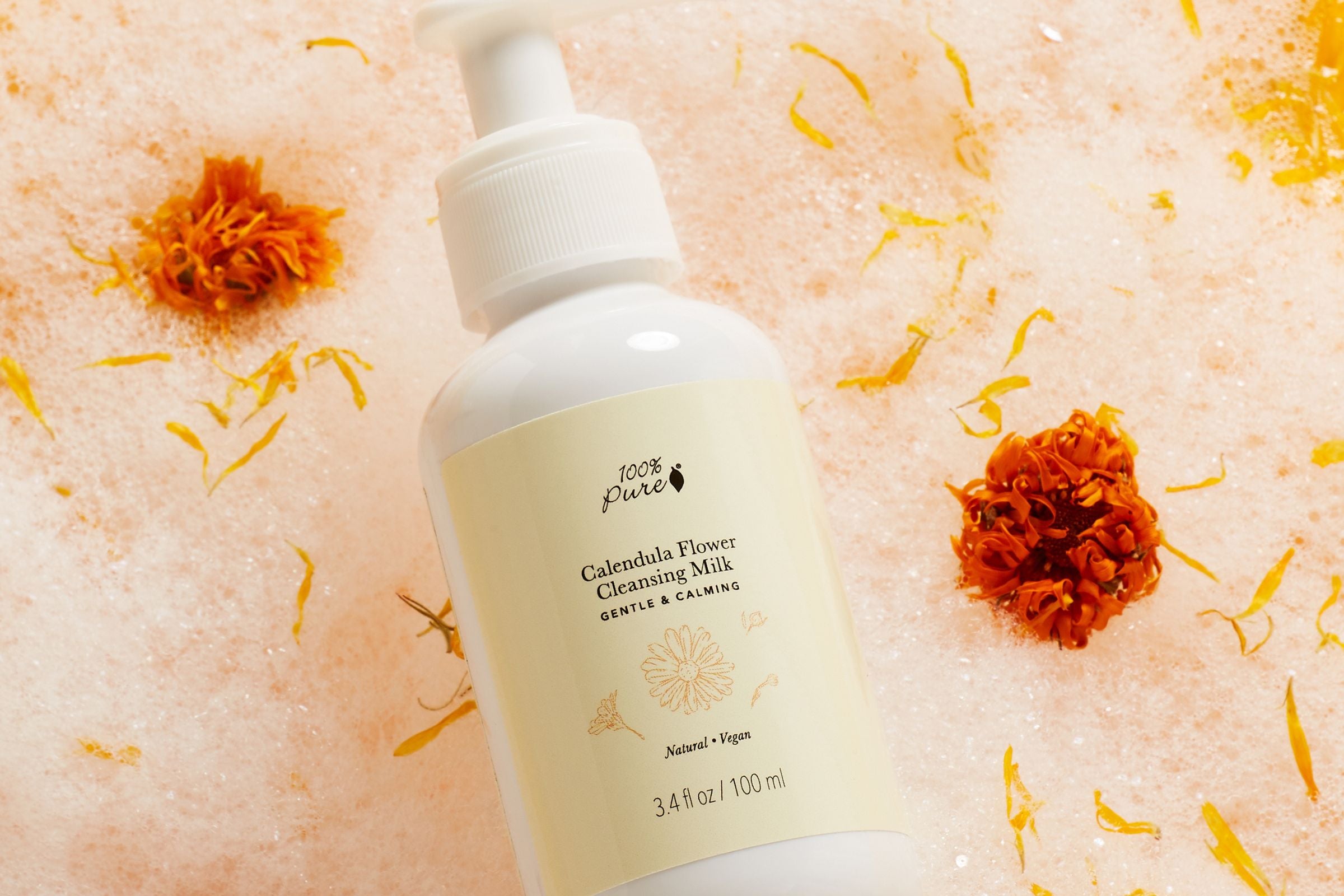
Our luxurious Calendula Foaming Cleansing Milk is formulated with hydrating aloe juice, soothing chamomile, and nutrient-rich sea buckthorn oil, creating a cleansing experience that hydrates without stripping essential oils. This gentle formula is ideal for sensitive and sensitized skin, enhancing moisture retention and supporting the skin’s lipid barrier. Another exceptional option is the Blood Orange Cleansing Balm, which transforms from a solid balm to a cleansing oil with a bit of warmth from your fingertips. This rich cleanser effectively dissolves makeup, dirt, and pollutants while providing a soothing experience for those with dry or sensitive skin.
Hydrating Toner for Enhanced Skin Comfort
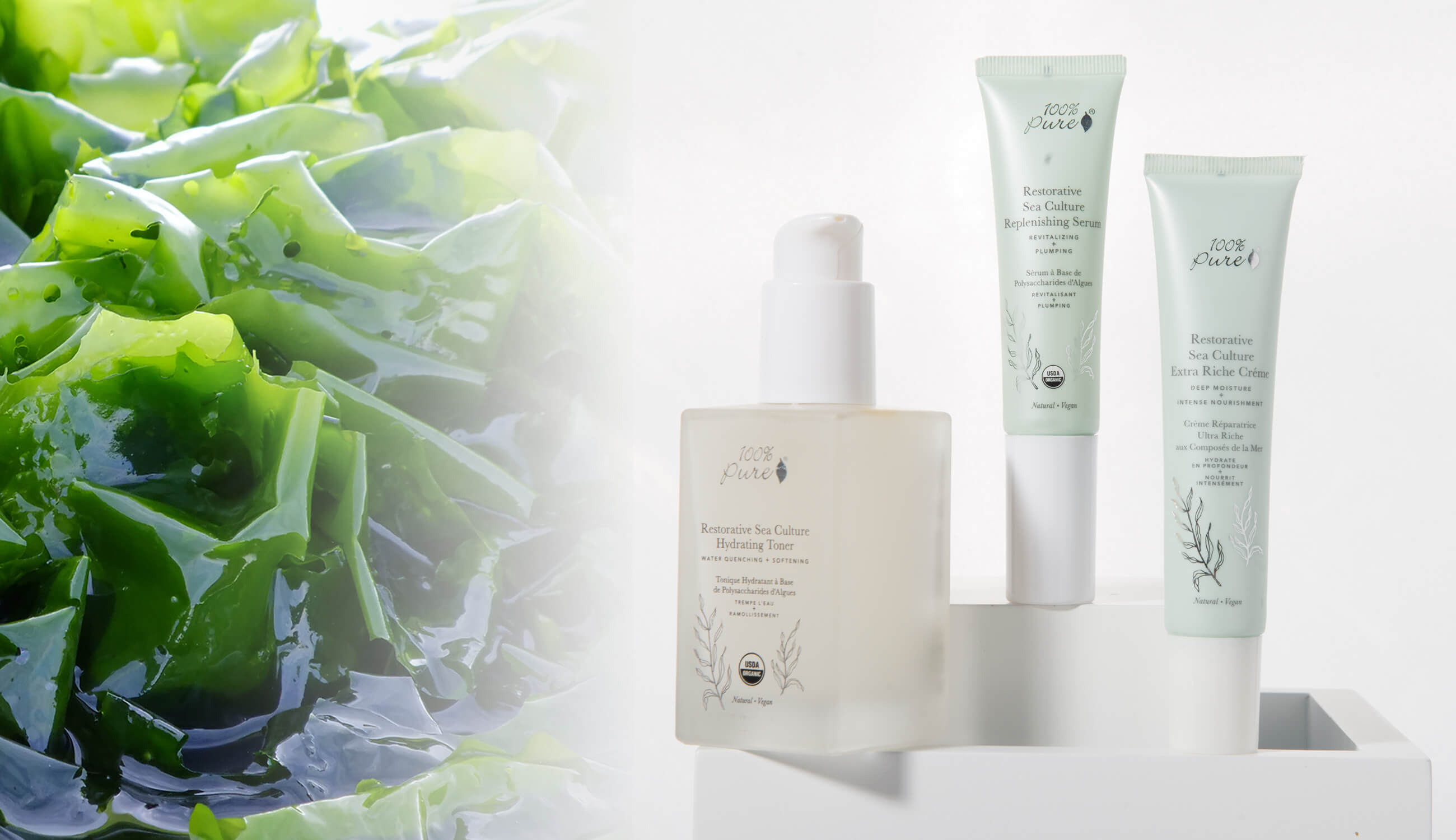
Our Restorative Sea Culture Hydrate Toner is infused with powerful hydrating ingredients like chia seed water, hyaluronic acid, and nutrient-rich sea algae. This toner effectively replenishes moisture without the drying effects commonly seen in conventional toners, making it perfect for sensitive skin types.
Nourishing Serums for Deep Hydration
Our Restorative Sea Hydrate Serum delivers intense hydration, infusing skin with moisture through seaweed polysaccharides that plump and rejuvenate the complexion. Meanwhile, olive squalane provides lasting hydration, ensuring your skin remains supple and vibrant.
Moisturizers to Restore Your Skin’s Barrier
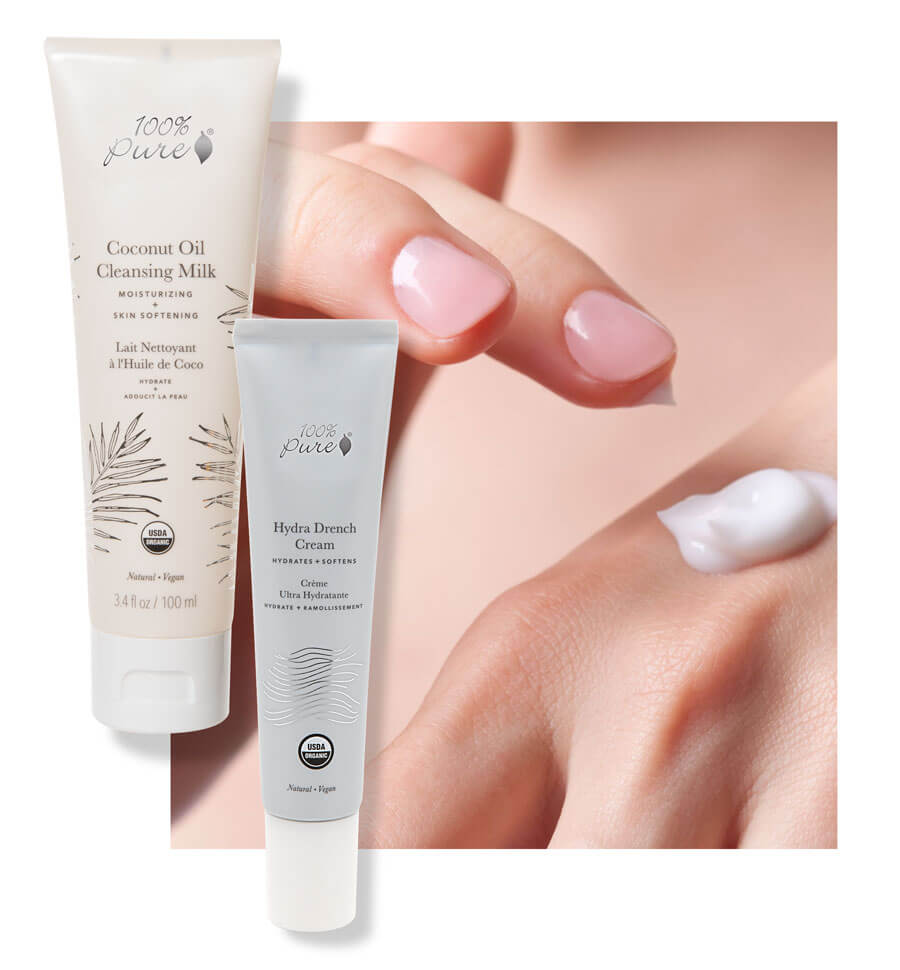
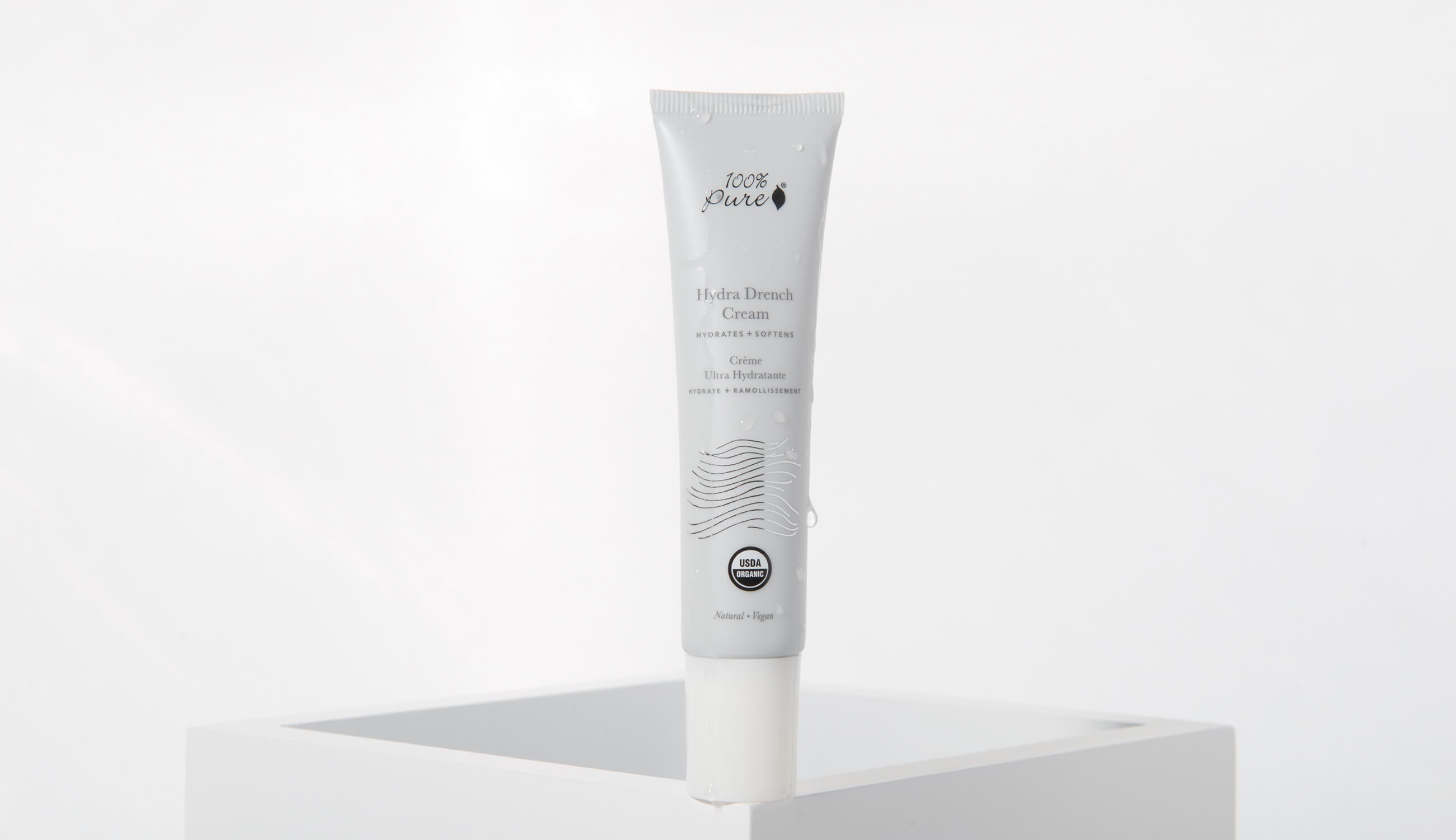
The Restorative Sea Culture Extra Riche Créme is an ultra-rich moisturizer designed to restore the lipid barrier with omega-7 from sea buckthorn, along with fast-absorbing coconut oil, shea butter, and bacuri butter. If you prefer a lighter option, the Hydra Drench Cream offers hydration through chia seed gel, which penetrates deeply to replenish moisture and plump the skin, making it an excellent choice for sensitive skin.
Reparative Facial Oil for Soothing Care
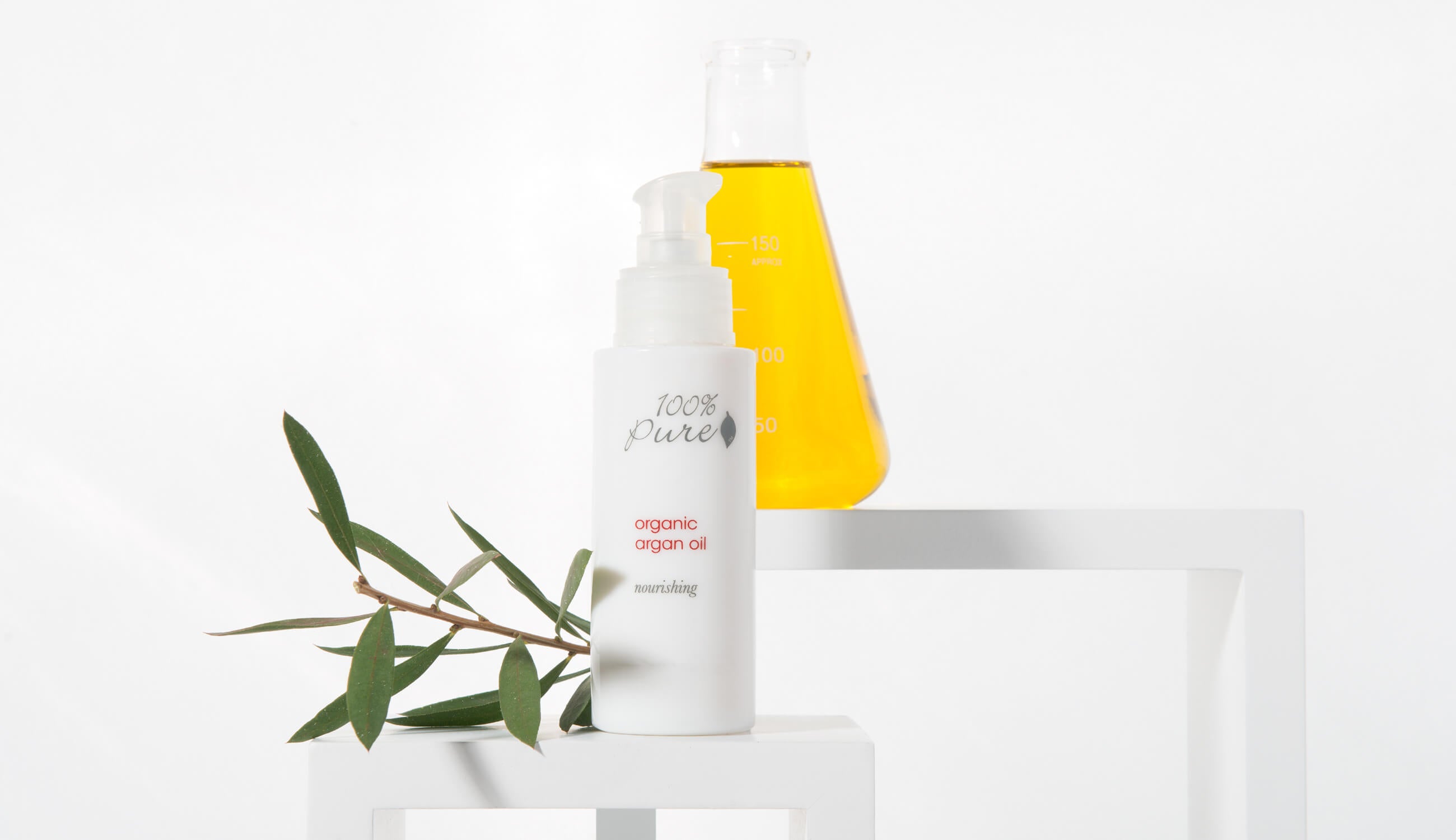
Our pure Argan Oil is packed with softening vitamins A and E, promoting skin cell regeneration and healing. Ideal for anyone dealing with skin conditions such as psoriasis or eczema, this oil provides essential nourishment and aids in the recovery of irritated skin.
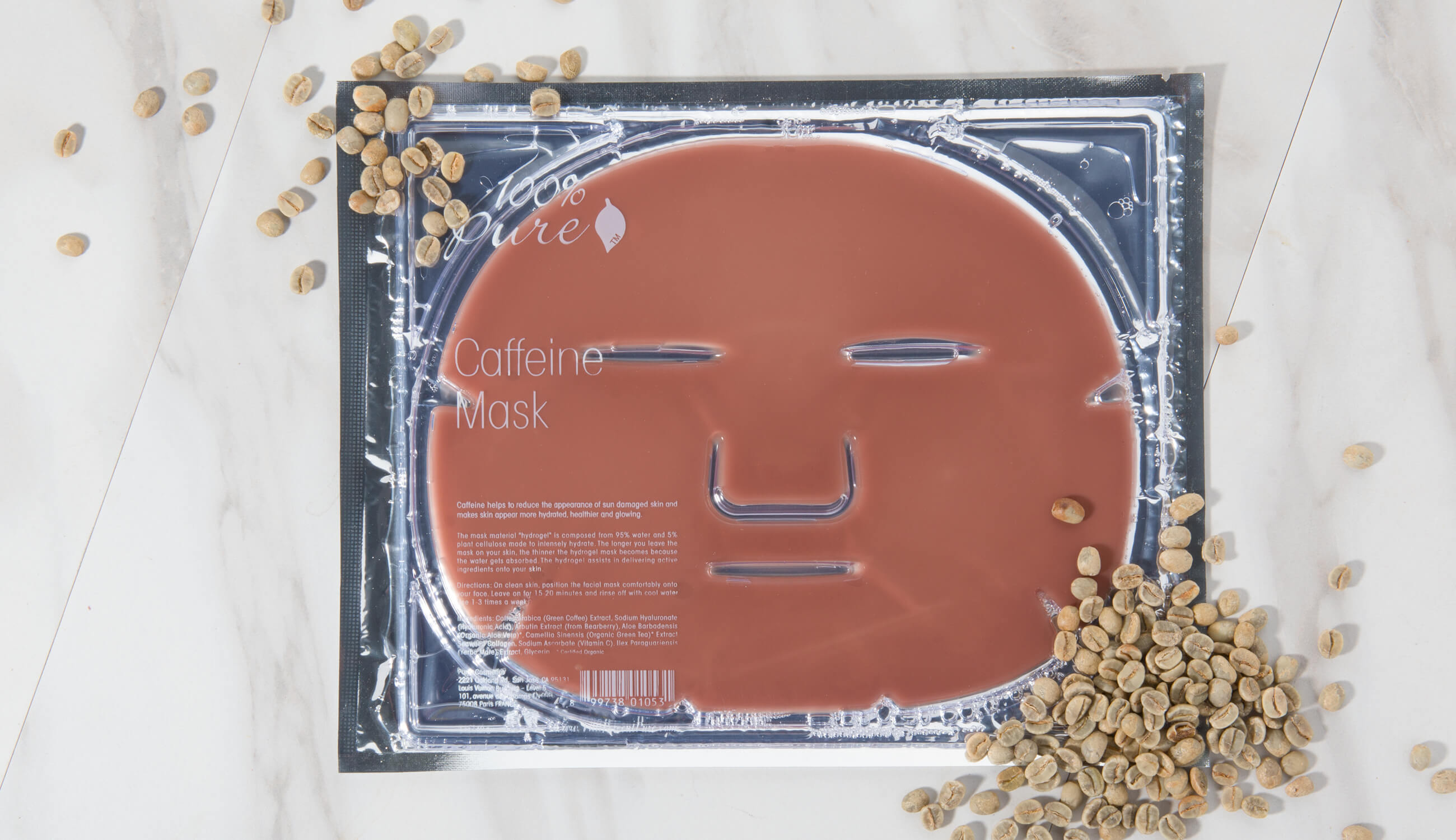
Revitalizing Mask for Immediate Relief
The hydrogel Caffeine Mask, enriched with aloe vera juice, offers gentle hydration for sensitive skin. It’s particularly beneficial for sun-exposed skin, as caffeine from green tea, yerba mate, and coffee works beneath the surface to help repair sun damage while stimulating blood flow to reduce redness.
Key Ingredients to Seek When Choosing Sensitive Skin Products
When searching for skin care products suitable for sensitive skin, it’s essential to focus on ingredients that support skin health. Look for:
Soothing Ingredients for Calm Skin
Natural soothing agents such as chamomile, calendula, and aloe are excellent for calming and comforting irritated skin.
Hydrating Ingredients to Restore Moisture
Incorporate products with hydrating elements like hyaluronic acid, aloe, and cactus to replenish moisture, especially when the skin barrier is compromised, to prevent transdermal water loss.
Nourishing Moisturizers for Barrier Repair
Look for nourishing oils like coconut oil, argan oil, olive oil, and avocado butter, which provide essential vitamins A and E and help repair the skin’s lipid barrier while sealing in moisture.
Antioxidants for Skin Protection
Incorporate antioxidants like green tea and coffee to enhance circulation, calm inflammation, and protect against free radicals from environmental stressors.
Ingredients to Avoid for Sensitive Skin
Not all skincare products are suitable for delicate sensitive skin due to their harsh formulations. Be cautious of:
Fragrances as Potential Irritants
Strong fragrances can irritate sensitive skin, with synthetic fragrances often being particularly troublesome. Even natural essential oils can trigger reactions.
Parabens and Their Effects
Research indicates that parabens can mimic estrogens, leading to various topical and internal issues, especially for those with sensitive skin, exacerbating conditions like eczema and contact dermatitis.
Harsh Detergents to Avoid
Sulfates, such as Sodium Lauryl Sulfate and Sodium Laureth Sulfate, are common in cleansers but can strip the skin’s protective barrier and disrupt moisture balance, leading to irritation.
Isopropyl Alcohol: A Common Culprit
Isopropyl alcohol can dry out the skin and is prevalent in many skincare products, potentially making sensitive skin more susceptible to irritation and infections.
Petrochemicals and Their Risks
Derived from petroleum, petrochemicals can accumulate on the skin, clogging pores and leading to breakouts, especially in sensitive skin types.
Menthoxypropanediol: A Trigger for Reactions
This synthetic ingredient is often added for a refreshing sensation but has been linked to allergic reactions in many individuals.
Steam
While a steam session may seem enjoyable, it can intensify redness and dryness in sensitive skin. Always opt for lukewarm water to cleanse your face and avoid steaming.
Abrasive Scrubs
Scrubs that are too harsh can damage the lipid barrier and create micro-tears in the skin. Those with sensitive skin must approach exfoliation with caution.
Cleansing Brushes or Sponges
While cleansing brushes may be trendy, they can be overly harsh for sensitive skin. Choose brushes made specifically for sensitive skin and limit usage to a few times weekly. Gentle sponges, like our Konjac Sponge, are preferable.
We understand that selecting skincare can be daunting for those with sensitive skin. That’s why we prioritize natural ingredients that respect your skin’s needs. When we do include scents, we opt for essential oils known for their soothing properties. For more insightful skincare resources, explore our recent posts:
Benefits of Coconut Oil for Skin
Korean Sheet Mask Essentials
How to Choose a Cleanser for Dry Skin
Common Questions Regarding Sensitive Skincare
How Can I Differentiate Between Sensitive and Sensitized Skin?
Sensitive skin is often hereditary, marked by a tendency to react adversely to products, weather changes, or other triggers. Symptoms typically include redness, stinging, dryness, or itchiness following product use or environmental exposure. In contrast, sensitized skin results from external factors—such as over-exfoliation, harsh products, pollution, or stress—and can mimic sensitive skin symptoms but typically improves with proper care and reduced irritant exposure.
Which Ingredients Should I Avoid for Sensitive Skin?
To protect sensitive skin, steer clear of the following:
- Alcohol (denatured): Known for its drying and irritating properties.
- Fragrances and essential oils: Frequently trigger irritation.
- Harsh exfoliants: Like walnut scrubs or high acid concentrations.
- Sulfates: Common in foaming cleansers that strip the skin barrier.
- Artificial dyes: Can provoke redness or itching.
- Preservatives like parabens and formaldehyde: Potentially sensitizing for some individuals.
Always conduct a patch test on new products before applying them to your face.
Which Ingredients Are Beneficial for Sensitive Skin?
Consider incorporating these soothing ingredients into your routine:
- Hyaluronic acid: Provides moisture without irritation.
- Ceramides: Help to fortify the skin barrier.
- Aloe vera: Naturally calming and anti-inflammatory.
- Colloidal oatmeal: Excellent for reducing redness and itching.
- Niacinamide (Vitamin B3): Helps diminish redness and enhances skin barrier repair.
- Centella asiatica (Cica): Renowned for its healing and soothing properties.
- Panthenol (Provitamin B5): Known for its moisturizing and anti-inflammatory effects.
How Often Should I Exfoliate if I Have Sensitive Skin?
For sensitive skin, exfoliation should be gentle and infrequent—roughly once a week or less, depending on your skin’s tolerance. Opt for:
- Chemical exfoliants with low concentrations of lactic or mandelic acid, which are milder than glycolic acid.
- Enzyme-based exfoliants derived from fruits like papaya or pineapple, which dissolve dead skin without physical abrasion.
Avoid physical scrubs with rough particles, as they can compromise your skin barrier.
What Measures Can I Take to Protect My Sensitive Skin from Environmental Stressors?
- Apply sunscreen daily: Choose a mineral-based SPF 30 or higher containing zinc oxide or titanium dioxide.
- Moisturize consistently: Use products with ceramides or hyaluronic acid to maintain hydration and reinforce your skin barrier.
- Limit exposure to harsh weather: Protect your skin with a scarf in cold conditions or a wide-brimmed hat on sunny days.
- Consider an air purifier: It can help decrease exposure to pollutants that may irritate sensitive skin.
- Cleanse with lukewarm water: Avoid hot water, as it strips natural oils from the skin.
- Cleanse thoroughly after exposure to pollution: This is crucial for maintaining skin health.
By adhering to a gentle and consistent skincare routine, you can significantly reduce flare-ups and maintain the health of your sensitive skin.