


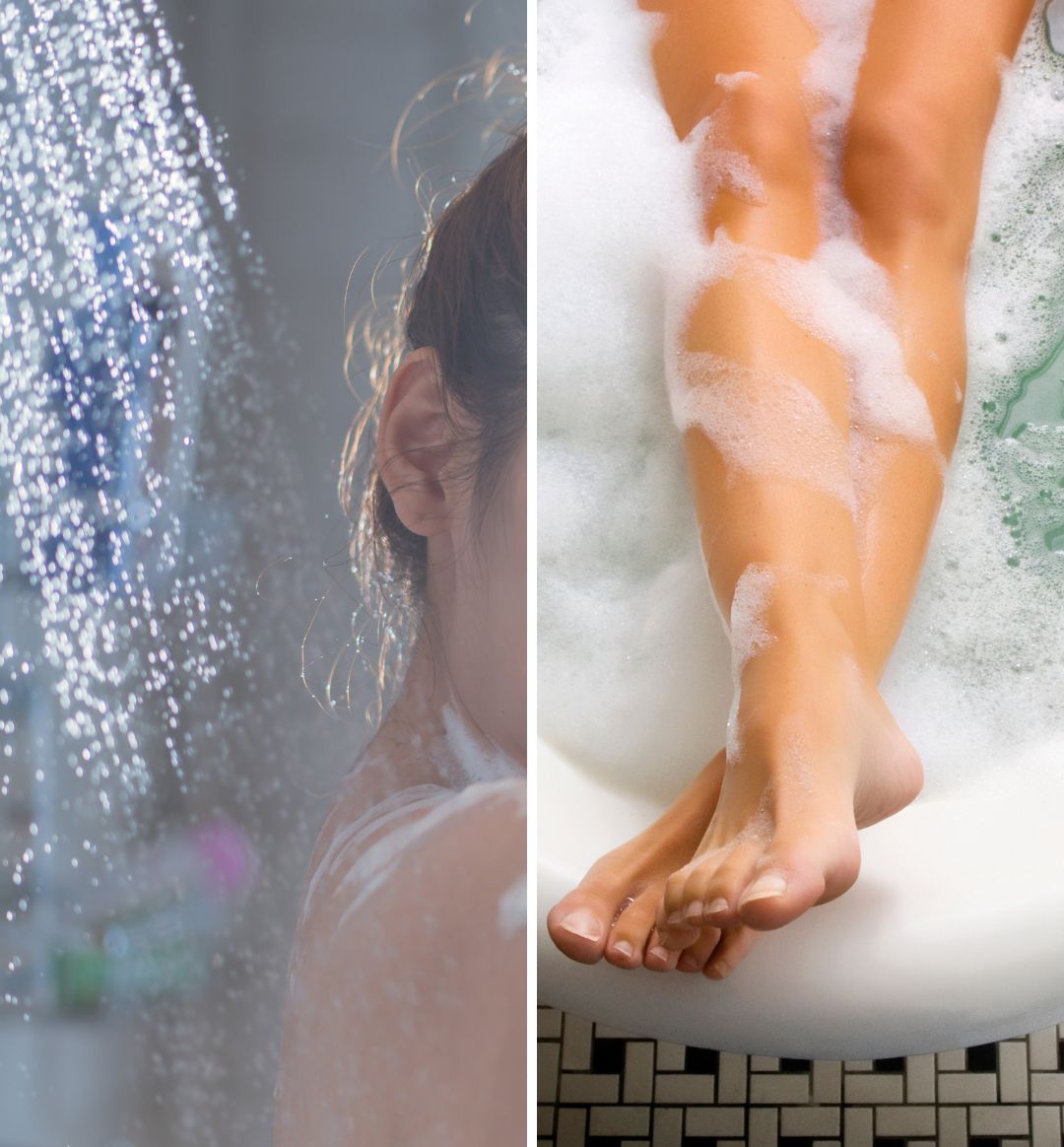
Have you ever noticed how the internet thrives on debates? From the classic rivalry of cats versus dogs to the ongoing discussion of whether pineapple belongs on pizza, opinions are everywhere. Now, there’s a new topic sparking lively discussions: the battle between showers and baths. This topic has become a hot topic among wellness enthusiasts, with supporters on both sides. Some individuals advocate for the quick efficiency of showers, while others find comfort in the therapeutic relaxation of baths. Before you pick a side in this heated debate, let’s explore the arguments for each option.
Both showers and baths have their advantages, and your choice will ultimately reflect your personal preferences and lifestyle. Our comprehensive guide will help you navigate through the various factors to consider, enabling you to make an informed decision on where you stand in the great showers versus baths debate!
Exploring the Advantages of Showers
Showers make a strong case for being the preferred bathing method for numerous reasons. One of the most significant benefits is their efficiency and water conservation. Showers use considerably less water compared to baths, making them a more sustainable option. According to the Environmental Protection Agency, a typical showerhead flows at about 2.5 gallons per minute, whereas filling a bathtub can consume over 36 gallons of water. The quick nature of showers not only conserves water but also promotes a more eco-friendly lifestyle by minimizing water waste.
In addition to water conservation, showers offer unique advantages for maintaining skin health. The ability to easily adjust water temperature allows for optimal cleansing without the risk of drying out the skin. In contrast, long soaks in hot water during baths can strip the skin of its natural oils, leading to dryness. Moreover, showers can be more energy-efficient, especially with modern advancements like low-flow showerheads and energy-efficient water heaters, which significantly reduce the overall environmental impact associated with daily bathing.
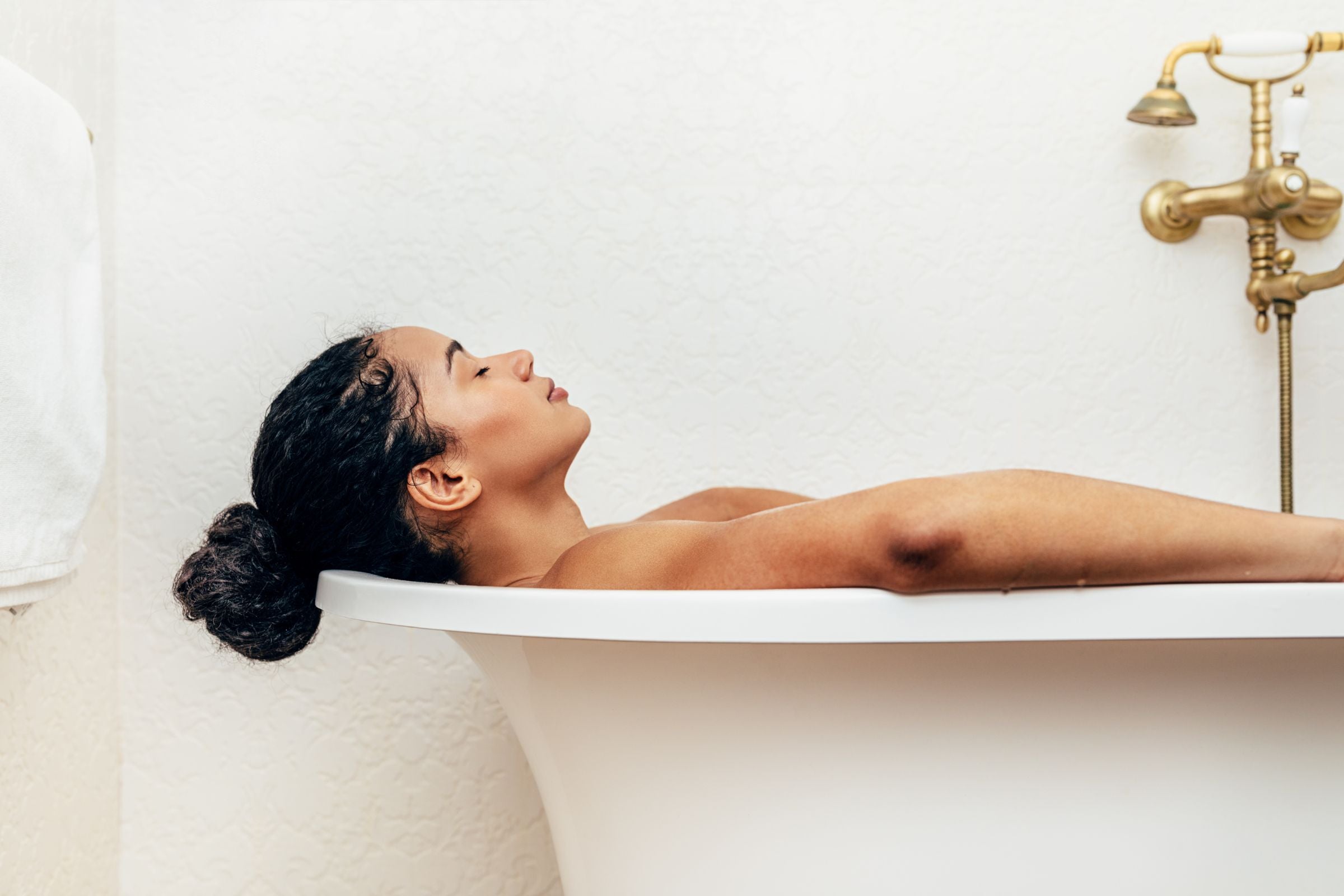
Discovering the Unique Benefits of Baths
Now, let’s delve into the many advantages of baths, which emphasize relaxation, skin treatments, and mental wellness. Baths create a tranquil environment that can significantly aid in relaxation and muscle relief. Immersing oneself in warm water is known to alleviate stress, ease muscle tension, and foster a sense of calm. This soothing experience makes baths an ideal choice for anyone in need of a restorative and rejuvenating escape from daily stressors.
Moreover, baths provide excellent opportunities for enhancing skin treatments. By incorporating oils, salts, and other beneficial additives, bath enthusiasts can significantly improve their skin’s condition. These ingredients can address various skin concerns, promoting a smoother and healthier complexion. Immersion in warm water allows for better absorption of these treatments, maximizing their effects on the skin.
Beyond physical benefits, baths also contribute positively to mental health. The calming nature of warm baths has been linked to improved mood and better sleep quality. The ritual of bathing can serve as a meditative practice, encouraging mental relaxation and enhancing overall psychological well-being.
Essential Considerations and Health Precautions
When it comes to maintaining optimal skin health, controlling water temperature is crucial for both showers and baths. Water that is excessively hot can strip away natural oils, causing dryness and irritation, while water that is too cold may fail to cleanse effectively. Striking the right balance is essential for preserving skin health, regardless of your bathing method.
In terms of hygiene, showers are often regarded as a superior option. The continuous flow of water serves to rinse away impurities effectively, and the use of soap tends to be more efficient in a shower setting. Although baths are not inherently unhygienic, it is vital to ensure proper rinsing and cleansing to maintain cleanliness. For individuals with specific skin conditions or infections, consulting healthcare professionals is advisable to determine the most suitable bathing method.
Stay Updated: Subscribe to Our Newsletter
Receive the latest blog updates and access exclusive discounts
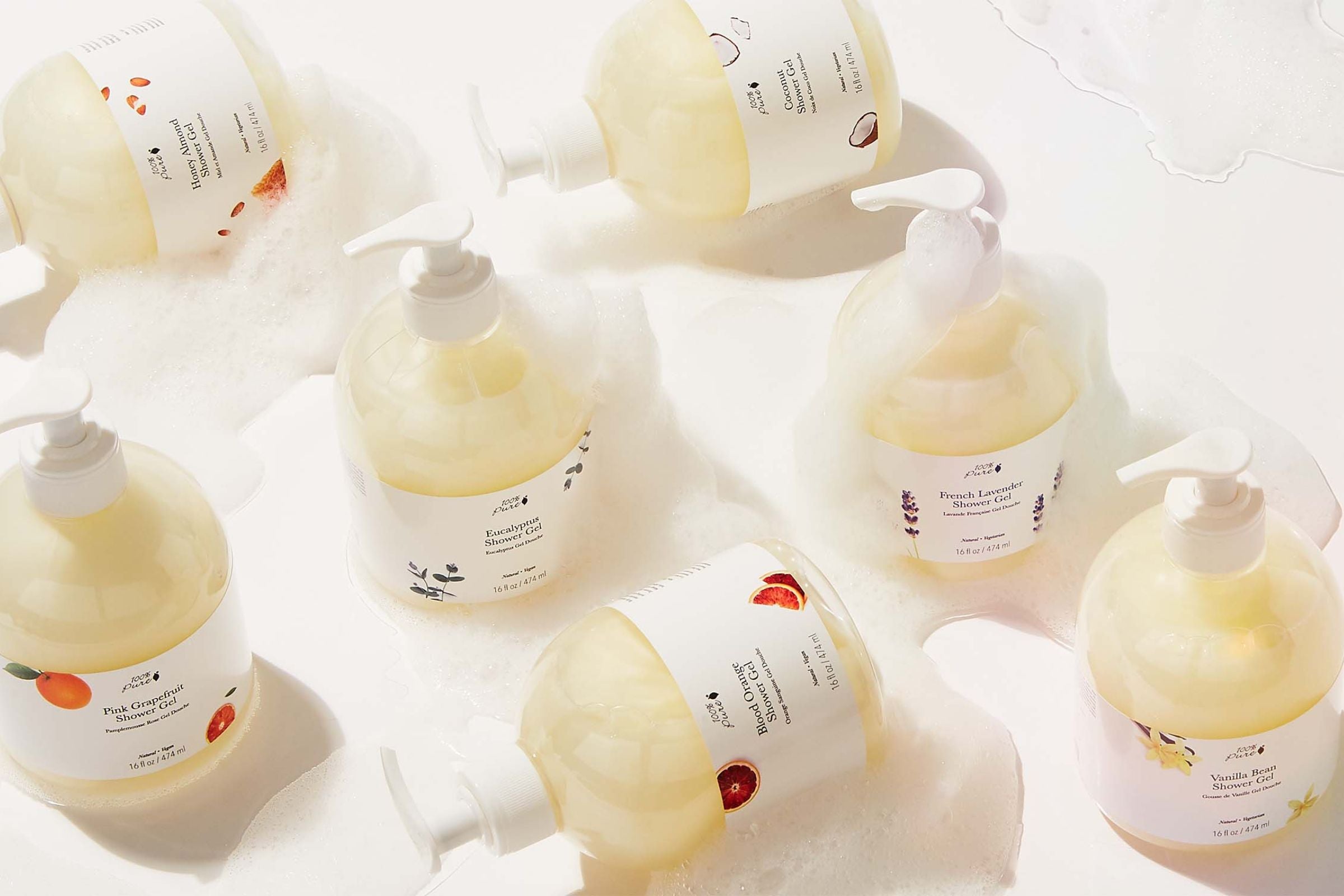
Top Picks: 100% PURE Shower Gels for Every Preference
Regardless of whether you favor showers or baths, incorporating 100% Pure products into your routine is essential for nourishing and caring for your skin. 100% Pure is widely recognized for its commitment to using natural ingredients, free from harmful chemicals and additives. This dedication ensures that your skin receives the finest care, promoting overall health and vitality.
Let’s explore the enticing selection of 100% PURE Shower Gels, each meticulously crafted with unique key ingredients to offer specific benefits for your skin:
Honey Almond Shower Gel
This delightful shower gel, enriched with honey and almond extracts, provides intensive hydration and nourishment. Honey’s natural antibacterial properties work to soothe the skin, while almond extract delivers essential vitamins, resulting in a radiant and glowing complexion.
Eucalyptus Shower Gel
Harnessing the invigorating essence of eucalyptus, this shower gel refreshes and revitalizes your skin. Known for its antibacterial properties, eucalyptus promotes a clean and rejuvenated feeling, making each shower an uplifting experience.
French Lavender Shower Gel
Experience the calming aroma of lavender with this soothing shower gel. Infused with lavender’s gentle properties and antioxidant-rich botanicals, it relaxes the mind while leaving the skin feeling soft and supple.
Packed with the antioxidant-rich mangosteen fruit, this shower gel offers protection against environmental stressors. Celebrated for its anti-inflammatory and antibacterial properties, mangosteen promotes a healthy and resilient complexion.
Sweet Almond Gentle Shower Oil
This unique shower oil, infused with sweet almond oil, gently cleanses and deeply moisturizes the skin. Thanks to its emollient properties, sweet almond oil leaves the skin feeling silky smooth and hydrated.
FAQ Section: Navigating the Showers vs. Baths Debate
Can Baths Worsen Certain Skin Conditions?
Extended exposure to water, particularly hot water, can strip the skin of its natural moisture, resulting in dryness and irritation. This concern is especially relevant for individuals with sensitive skin, eczema, or psoriasis. Harsh soaps and excessive use of bath additives can further exacerbate these issues. Therefore, it is crucial for those with skin conditions to monitor water temperature, limit bath duration, and opt for mild, fragrance-free products.
How Can I Make My Showers More Eco-Friendly?
To enhance the environmental friendliness of your showers, consider limiting your shower time to five minutes and installing a low-flow showerhead to conserve water. Additionally, collect water while it heats up for other household uses. Opting for water-efficient shower systems, promptly fixing leaks, and choosing cooler water temperatures can save energy. Utilizing biodegradable shower products and exploring alternatives like sponge baths are also viable options. Encouraging others to adopt eco-friendly habits contributes to overall water conservation efforts—small changes can significantly impact preserving our precious resources.
Do Baths Help Detoxify the Body?
While baths can provide relaxation and promote skin cleansing, the idea that they significantly detoxify the body lacks strong scientific support. Although the skin aids in toxin elimination, the primary detoxification processes occur through the liver and kidneys. While ingredients like Epsom salts in baths may have mild detoxifying properties, relying solely on baths for detoxification is not a comprehensive solution for overall health.
How Often Should I Prefer a Bath Over a Shower for Health Reasons?
The frequency of choosing a bath instead of a shower for health purposes varies based on individual preferences and health conditions. Generally, indulging in an occasional bath can be a soothing and relaxing experience that benefits both mental and physical well-being. However, if you have specific skin conditions like eczema or psoriasis, or if you are prone to urinary tract infections, frequent hot baths may worsen these issues. Consulting with a healthcare professional can provide personalized guidance based on your medical history.
Can the Choice Between Showers and Baths Significantly Affect Water Bills?
Absolutely, the choice between showers and baths can significantly influence your water bills. Typically, showers are more water-efficient than baths. On average, a shower utilizes less water compared to filling a bathtub. For example, a 10-minute shower with a low-flow showerhead may consume 25-50 gallons of water, whereas a full bath can use between 36-50 gallons. Consistently opting for showers instead of baths can lead to decreased water consumption, resulting in lower water bills. Installing water-saving devices like low-flow showerheads can enhance these savings even further.
Final Thoughts on Showers vs. Baths: What’s Right for You?
As you weigh the brisk efficiency of a shower against the indulgent relaxation of a bath, consider the impacts on your health, environmental footprint, and most importantly, your personal enjoyment. While showers may be the quicker option, baths encapsulate the essence of pampering self-care. So, as you find yourself at the crossroads of cleanliness, evaluate the pros and cons, and let your bathing ritual be a harmonious blend of practicality and personal pleasure.
var windowWidth,lazyLink,lazyImages,lazySource,lazyBackground,lazyIframe,lazyScripts,navigator_platform,lazyLoadedJS,src,style,datasrc,urls,analytics,s,x,i,j,flag;
function init(){flag&&(flag=0,load_all_js(),lazyLoadImg(),lazyLoadBackground(),lazyLoadIframe(),lazyLoadSource())}
function isElementInViewport
var a=t.getBoundingClientRect();
return a.top>=0&&a.left>=0&&a.bottom<=(window.innerHeight||document.documentElement.clientHeight)&&a.right<=(window.innerWidth||document.documentElement.clientWidth)
}
function insertAfter(newNode, referenceNode) {
referenceNode.parentNode.insertBefore(newNode, referenceNode.nextSibling);
}
function isElementInView
var a=t.getBoundingClientRect();
return a.top(window.innerHeight/2||document.documentElement.clientHeight/2)
}
function lazyLoadLink(){
lazyLink.forEach(function
t.href=null==t.dataset.href?t.href:t.dataset.href
})
}
function lazyLoadImg(){
lazyImages.forEach(function
null!=(src=windowWidth<600?null==t.dataset.mobsrc?t.dataset.src:t.dataset.mobsrc:t.dataset.src)&&(t.src=src),t.classList.remove("lazy2")
})
}
function lazyLoadImg2(){
lazyImages.forEach(function
isElementInViewport
})
}
function lazyLoadSource(){
lazySource.forEach(function
t.srcset=null==t.dataset.srcset?t.srcset:t.dataset.srcset
})
}
function lazyLoadBackground(){
lazyBackground.forEach(function
lazybg=windowWidth<768?null==t.dataset.mobstyle?t.dataset.style:t.dataset.mobstyle:t.dataset.style,null!=lazybg&&(t.style=lazybg),t.classList.remove("lazybg")
})
}
function lazyLoadIframe(){
lazyIframe.forEach(function
t.src=null==t.dataset.src?t.src:t.dataset.src
})
}
function lazyLoadScripts(){
j!=lazyScripts.length&&("lazyload2"==lazyScripts[j].getAttribute("type")?(lazyScripts[j].setAttribute("type","lazyloaded"),void 0!==lazyScripts[j].dataset.src?((s=document.createElement("script")).src=lazyScripts[j].dataset.src,document.body.appendChild(s),s.onload=function(){j++,lazyLoadScripts()}):((s=document.createElement("script")).innerHTML=lazyScripts[j].innerHTML,document.body.appendChild(s),j++,lazyLoadScripts())):(j++,lazyLoadScripts()))
}
function lazyLoadCss
(s=document.createElement("link")).rel="stylesheet",s.href=t,document.getElementsByTagName("head")[0].appendChild(s)
}
function lazyLoadJS
if(lazyLoadedJS)return setTimeout(function(){lazyLoadJS
}
function wnwAnalytics() {
var script2 = document.querySelectorAll(".analytics");
script2.forEach(function(analyticsScript) {
trekkie.integrations=false;
s = document.createElement("script");
s.innerHTML = analyticsScript.innerHTML;
insertAfter(s, analyticsScript);
analyticsScript.parentNode.removeChild(analyticsScript);
});
}
document.addEventListener("DOMContentLoaded",function(){windowWidth=screen.width,lazyLink=document.querySelectorAll("link"),lazyImages=document.querySelectorAll("img.lazy2"),nolazyImages=document.querySelectorAll("img.lazy"),lazyBackground=document.querySelectorAll(".lazybg"),lazyIframe=document.querySelectorAll("iframe"),lazySource=document.querySelectorAll("source"),lazyScripts=document.getElementsByTagName("script"),navigator_platform=navigator.platform,i=0,j=0,flag=1,window.addEventListener("scroll",function(){init()}),window.addEventListener("mousemove",function(){init()}),window.addEventListener("touchstart",function(){init()}),"Linux x86_64"!=navigator_platform&&init(),setTimeout(function(){init()},60000)});
function load_all_js() {
lazyLink=document.querySelectorAll("link");
lazyLoadLink();
}
wnwAnalytics();
setTimeout(function() {
const wnw_load = new Event('wnw_load');
window.dispatchEvent(wnw_load);
}, 100);
setTimeout(function() {
var DOMContentLoaded2_event = document.createEvent("Event");
DOMContentLoaded2_event.initEvent("DOMContentLoaded2", true, true);
window.document.dispatchEvent(DOMContentLoaded2_event);
}, 60000);
j=0;
lazyScripts = document.querySelectorAll("script[type=lazyload2]");
lazyLoadScripts();
lazySource = document.querySelectorAll("source");
lazyLoadSource();
}