


As summer transitions into the cozy embrace of fall, many of us are excited to refresh our wardrobes and home environments. We trade bathing suits for snug bodysuits and breathable sheets for plush, cloud-like bedding. However, amidst these seasonal changes, what happens to our skin? While we wrap ourselves in warm layers, our skincare routine often gets neglected, leaving our skin vulnerable to the cold, dry air of fall.
The crisp autumn air, characterized by its coolness and dryness, can strip away the skin’s natural protective barrier, which is essential for moisture retention and defense against environmental stressors. Imagine trying to sleep without warm covers—it’s uncomfortable, to say the least. Similarly, skin deprived of its protective layer suffers, leading to an unbalanced and unhealthy pH. This emphasizes the crucial need to adjust our skincare routines to protect and nourish our skin during this seasonal shift.
Just as we update our clothing and bedding to align with fall’s chill, it’s essential to adapt our skincare routines to meet the changing needs of our skin. By doing so, we can ensure it remains hydrated, radiant, and healthy throughout the year. Discover how to maintain a healthy skin pH and establish a fall-ready skincare regimen. Let this autumn bring you not only comfort but also the success of a rejuvenated skincare routine!
Understanding Skin pH for Healthier Skin
The concept of skin pH can often seem like a puzzle, evoking memories of high school chemistry or advertisements for pH-balanced products. Remember those color-changing strips used to measure the acidity or alkalinity of various substances on a scale from 1 to 14? Well, our skin operates on a similar pH scale, and understanding this can demystify skincare!
Before diving into what skin pH is and the ideal range for maintaining healthy skin, it’s important to understand the skin barrier and the critical role of the acid mantle. The outermost layer of the skin, known as the stratum corneum, serves as a protective barrier against external irritants. The acid mantle, a thin film of natural oils and sweat, creates a slightly acidic surface that plays a vital role in safeguarding our skin against bacteria, pollutants, and moisture loss by maintaining a low pH. Essentially, the acid mantle is a crucial element of our skin barrier’s defense mechanism.
Now, let’s revisit our “skin chemistry” lesson. The term ‘pH’ stands for ‘potential of hydrogen,’ measuring the concentration of hydrogen ions in a substance. On this pH scale, anything below 7 is considered acidic, while above 7 is classified as alkaline. Interestingly, the principles of acids and bases are not just academic; they have significant implications for skincare!
For our skin, a healthy pH is typically slightly acidic, with an ideal range of around 5.5. This mild acidity is vital for maintaining the skin’s natural barrier, which is essential for keeping your skin looking vibrant and feeling comfortable. When the pH remains balanced, the acid mantle can operate at its best, protecting your skin from harmful elements while locking in moisture effectively.
However, disruptions to the pH level can lead to various skin issues. An imbalanced pH can increase the skin’s susceptibility to irritation, dryness, and even acne. For instance, if the skin becomes too alkaline, it risks losing moisture, resulting in dryness and heightened sensitivity. Conversely, if it becomes overly acidic, it may lead to inflammation and breakouts. Thus, maintaining the proper pH balance is crucial for achieving a healthy, glowing complexion.
What factors can disrupt your skin’s pH balance? While you might not have access to litmus paper and pH strips, the next best step is to take some notes! Numerous factors influence this delicate balance, including the cleansers we choose, our dietary habits, lifestyle choices, and even environmental influences. Each of these elements plays a significant role in shaping the health of our skin.
Choosing Skincare Products That Maintain pH Balance
In our pursuit of flawless skin, we often experiment with a multitude of cleansers and skincare products. However, not all products are designed to preserve the delicate balance of our skin’s pH. Harsh soaps, harmful ingredients, and high-pH skincare options can strip our skin of its natural oils, leading to dryness, irritation, and an imbalanced pH level. When the pH is disrupted, the skin’s protective barrier weakens, making it more vulnerable to environmental stressors and harmful bacteria. By opting for gentle, pH-balanced products and adhering to a consistent skincare routine both morning and night, we can help fortify our skin’s natural defenses, ensuring it remains healthy and resilient.
How Diet and Lifestyle Choices Affect Skin pH
Our skin’s pH is not solely influenced by topical applications; it is also significantly affected by our dietary choices and lifestyle habits. A diet heavy in processed foods, sugar, and unhealthy fats can lead to imbalances in skin pH. Additionally, factors such as stress, inadequate sleep, and lack of exercise can trigger hormonal fluctuations that impact skin pH, resulting in breakouts and other skin concerns. Environmental elements like pollution and UV exposure can further disrupt the skin’s natural equilibrium. By embracing a balanced diet, managing stress effectively, and cultivating healthy lifestyle practices, we can shield our skin from environmental harm and promote a harmonious pH balance.
Understanding Environmental Influences on Skin pH
Environmental factors significantly impact the skin’s pH balance. For instance, the quality of the water we use daily can greatly affect our skin’s delicate equilibrium. Hard water, which contains elevated levels of minerals such as calcium and magnesium, can leave residues on the skin that interfere with its natural pH. This build-up can clog pores, leading to dryness and irritation. Similarly, chlorinated water from swimming pools and tap water can strip the skin of its natural oils, further disrupting its pH balance. To mitigate these effects, consider using a water softener or a gentle, pH-balanced cleanser to maintain your skin’s natural harmony.
Comprehending and managing the factors that affect skin pH is vital for achieving a healthy complexion. By selecting the right skincare products, adhering to a balanced diet and healthy habits, and being mindful of environmental influences such as water quality, we can support our skin’s natural defenses and revel in healthier, more resilient skin.
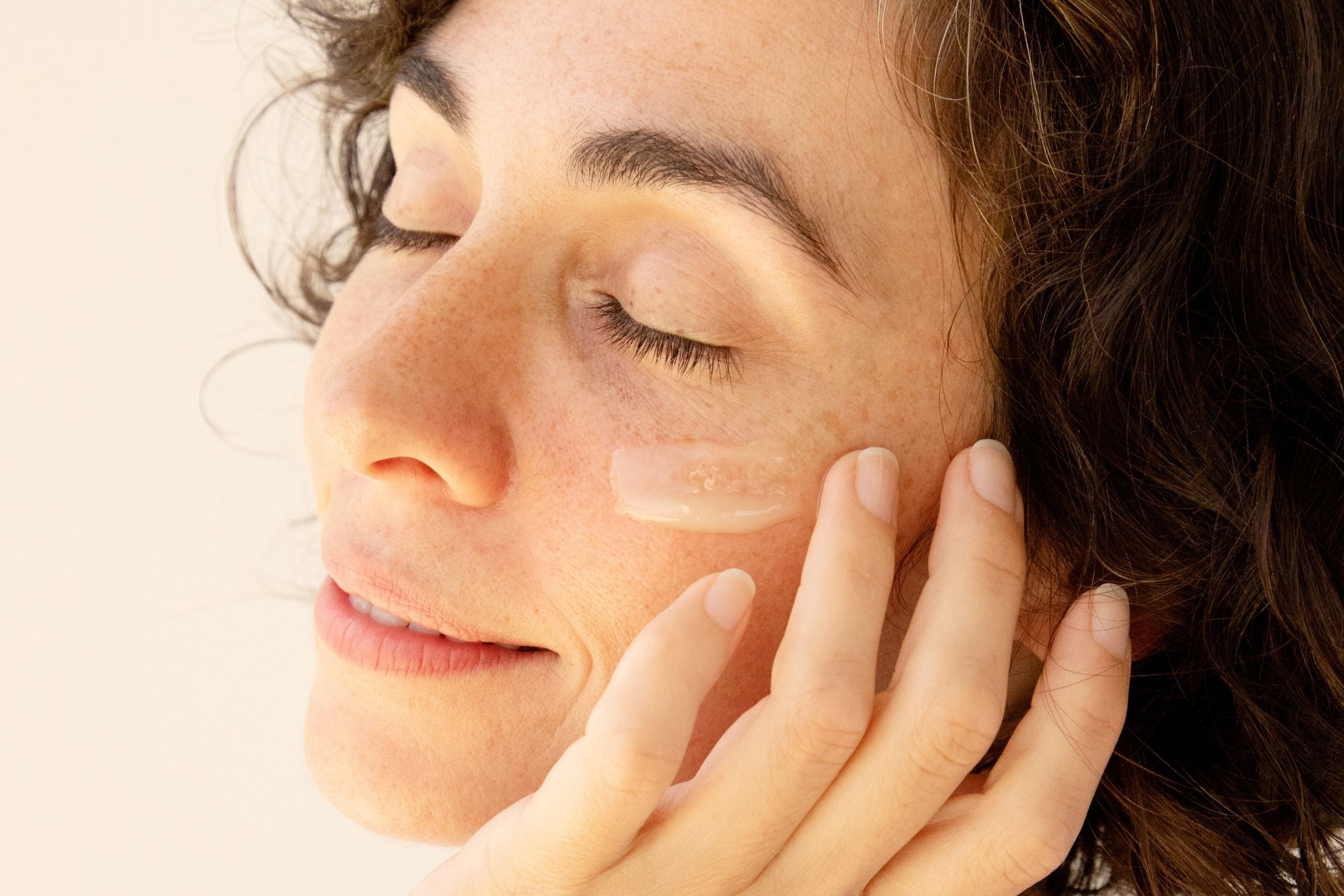
The Effects of Fall on Skin pH: Adapting Your Routine
Here’s a crucial point: the skincare routine that worked well during summer may not suffice as the seasons change. Mother Nature plays a significant role in how we must adapt our skincare to protect our skin’s pH against the unique challenges posed by autumn.
The fall season, with its distinct climatic changes, can significantly influence our skin’s pH. As temperatures drop and the air becomes drier, our skin’s moisture levels also decline, which can increase sensitivity. Let’s delve into how autumn and lifestyle shifts can affect our skin health.
Understanding Temperature Changes and Skin Responses
As temperatures fall during autumn, the primary impact on skin pH is a tendency toward dryness due to decreased humidity levels. This shift can disrupt the skin’s natural barrier, potentially altering its pH balance and leading to irritation, flakiness, and increased sensitivity, particularly for individuals with pre-existing conditions like eczema or rosacea. These symptoms are exacerbated as skin loses moisture at a faster rate in drier air.
The Role of Humidity Fluctuations on Skin Health
With the arrival of autumn, your skin encounters unique challenges. Humidity levels typically decrease in fall as outdoor temperatures cool, leading to drier, tighter skin. The fluctuations in temperature between brisk mornings and warmer afternoons can heighten skin sensitivity, resulting in redness and irritation. This is especially true for those prone to eczema or other dry skin conditions, as the skin’s barrier function can become compromised.
Addressing Increased Dryness and Sensitivity
One of the most pressing challenges in fall is the harsh combination of dry air and cooler temperatures. This duo can be particularly harsh on our skin, especially regarding its pH balance. The cooler weather and reduced humidity cause the air to strip moisture from your skin, leading to dryness, tightness, and even flaking. Consequently, the skin’s pH and barrier function may be compromised, rendering it more susceptible to moisture loss and sensitivities.
Recognizing the Potential for Breakouts and Irritation
As the skin loses moisture, it can become uncomfortable and irritated. Individuals with existing skin conditions such as eczema or psoriasis may notice that their symptoms worsen during this time, while those with acne-prone skin might experience breakouts. This is often a result of an imbalance in the skin’s pH.
When the skin’s natural pH becomes too alkaline, it creates an environment conducive to bacteria overgrowth, potentially clogging the oil glands and leading to acne on an otherwise clear complexion. Acne arises from a combination of factors, including blocked pores due to dirt and excessive sebum production, affecting all skin types. However, alkaline skin, which has a lower acidity level, is particularly susceptible to blocked pores from excess oil, promoting the growth of acne-causing bacteria and inflammation.
To mitigate the effects of fall on skin pH, it’s essential to adopt skincare routines that emphasize hydration and barrier repair. This includes utilizing pH-balancing products and taking protective measures against the elements that fall brings. Additionally, incorporating a balanced diet and healthy lifestyle choices will contribute to achieving a harmonious pH balance and skin wellness.
Effective Fall Skincare Strategies for pH Balance
Oh, my gourd-ness, fall is here! Maintaining and restoring your skin’s pH balance during this season is crucial for achieving a healthy complexion. Here are some fall-proof tips and strategies to help you attain optimal skin health and balance:
Selecting pH-Balanced Cleansers
A pH-balanced cleanser is the foundation of any effective skincare routine. It cleanses gently without disrupting the skin’s natural pH, ensuring your skin remains balanced and healthy.
Benefits:
Gently cleanses
Maintains natural pH balance
Utilizing pH-Adjusting Toners
Incorporating a pH-balancing toner is essential for restoring and maintaining your skin’s pH balance. Choose a toner that not only balances your skin’s pH but also provides a refreshing hydration boost. Toners prepare your skin to absorb subsequent products better, enhancing their effectiveness.
Benefits:
Restores pH balance
Hydrates the skin
Choosing Moisturizers That Support Optimal pH
A high-quality moisturizer is vital for maintaining hydration and pH balance. However, you don’t need to resort to heavy creams just yet—save those for the dead of winter! Instead, opt for lighter, emollient products that effectively support optimal pH while combating the unique challenges of fall.
Benefits:
Maintains skin hydration
Supports pH balance
Implementing Protective Measures Against Fall Weather
Incorporating serums into your routine can provide targeted treatment for specific skin concerns, such as brightening or balancing. Choose a pH-supportive serum that addresses your unique skin issues while promoting a healthy pH balance.
Exfoliating regularly is another protective measure to combat the effects of fall weather. Exfoliation is crucial for removing dead skin cells, boosting cell turnover, and ensuring your skin’s pH remains balanced.
Consistent skincare routines are essential for defending your skin against autumn’s challenges. While cleansing, avoid over-washing, as this can strip your skin of essential oils, disrupting its pH balance. Aim to cleanse your face twice daily and after heavy sweating to remove impurities and excess oil without over-stripping, maintaining your skin’s natural pH.
Diet and Lifestyle Recommendations for pH Balance
What you eat profoundly affects your skin’s pH balance. Consuming a diet rich in fruits, vegetables, and healthy fats provides your skin with the essential nutrients it needs to remain healthy and balanced. Antioxidant-rich fruits and vegetables help neutralize free radicals that can disrupt your skin’s pH. Healthy fats, such as those from avocados, nuts, and fish, support your skin’s lipid barrier, maintaining its integrity and natural pH level. By incorporating these foods into your daily diet, you can promote a radiant, balanced complexion.
Additionally, your lifestyle choices can significantly impact your skin’s pH balance. Managing stress is crucial for maintaining healthy skin. Engaging in stress-reducing activities like yoga, meditation, and regular exercise can help keep your stress levels in check, ultimately supporting your skin’s health. These practices not only reduce the production of stress hormones that negatively affect your skin but also promote overall well-being. Make time for these activities in your daily routine to maintain both mental calmness and skin balance.
Achieving pH-Balanced Skin This Autumn
When the skin’s pH is balanced, it appears healthy and well-moisturized. The skin’s barrier functions normally, protecting it from free radicals and external irritants. It’s clear that maintaining a pH-balanced skincare routine, coupled with healthy eating and lifestyle choices, is vital during the fall for overall skin health and optimal pH. When you achieve this harmony, the benefits to your skin can be truly impressive.
Advantages of Maintaining Proper Skin pH
Maintaining an appropriate skin pH is crucial for various reasons. A balanced skin barrier and acid mantle help protect against pathogens and infections. Proper pH levels enable the skin to retain moisture, safeguarding it from dryness, dehydration, and irritations. A healthy pH supports the growth of beneficial bacteria on the skin, which enhances overall skin health and its microbiome.
Improving Skin Barrier Function for Better Health
A well-balanced skin barrier protects your skin, regulates water loss, keeps you hydrated, and retains moisture. An optimal barrier defends against irritants, pollution, UV rays, and other environmental factors. A healthy skin barrier helps retain water, keeping your skin supple and hydrated. When your dermis is well-moisturized, your skin appears plumper, which can combat premature aging signs. Maintaining your skin’s pH at a healthy level may also help protect you from conditions such as acne, dermatitis, and eczema.
Enhancing the Efficacy of Skincare Products
A healthy skin barrier boosts the effectiveness of other skincare products by allowing them to penetrate deeper into the skin and deliver their active ingredients more effectively. This enhanced absorption leads to improved visible results from treatments like serums, retinoids, and antioxidants. In contrast, a compromised barrier can limit their full potential due to poor penetration. Your skincare products function best when your skin’s pH is balanced.
The Risks of Neglecting Skin pH in Fall
Disregarding skin pH can lead to a myriad of skin issues. An imbalanced pH can increase susceptibility to irritation, dryness, and acne. If the skin becomes overly alkaline, it may lose moisture, causing dryness and sensitivity. Conversely, if it becomes too acidic, inflammation and acne can occur. Additional risks of neglecting skin pH during autumn include:
Increased Vulnerability to Environmental Damage
A compromised skin barrier makes the skin more vulnerable to environmental damage. The skin’s barrier serves as a shield against harmful irritants and external aggressors such as pollution, UV rays, and bacteria. When this barrier is weakened, it becomes easier for external irritants to disrupt the skin’s delicate balance, impairing its protective functions. Signs of a damaged skin barrier include redness, irritation, increased sensitivity, and the worsening of existing skin conditions.
Worsening of Pre-existing Skin Conditions
Ignoring skin pH during fall can exacerbate existing skin problems. For individuals with conditions like eczema or psoriasis, a damaged skin barrier can lead to increased symptoms. A compromised barrier makes it difficult for the skin to retain water, resulting in chronic dryness, itchiness, and heightened sensitivities. Additionally, a damaged skin barrier can worsen existing acne and trigger new breakouts by disrupting the natural skin flora and promoting overgrowth of acne-causing bacteria.
Accelerated Signs of Aging
A compromised skin barrier due to environmental factors, improper skincare, or neglecting skin pH during fall can lead to moisture loss, resulting in dryness and dehydration. A weakened barrier can cause a reduction in skin elasticity and firmness, leading to wrinkles and fine lines. Dehydrated skin accentuates the appearance of these age-related concerns.
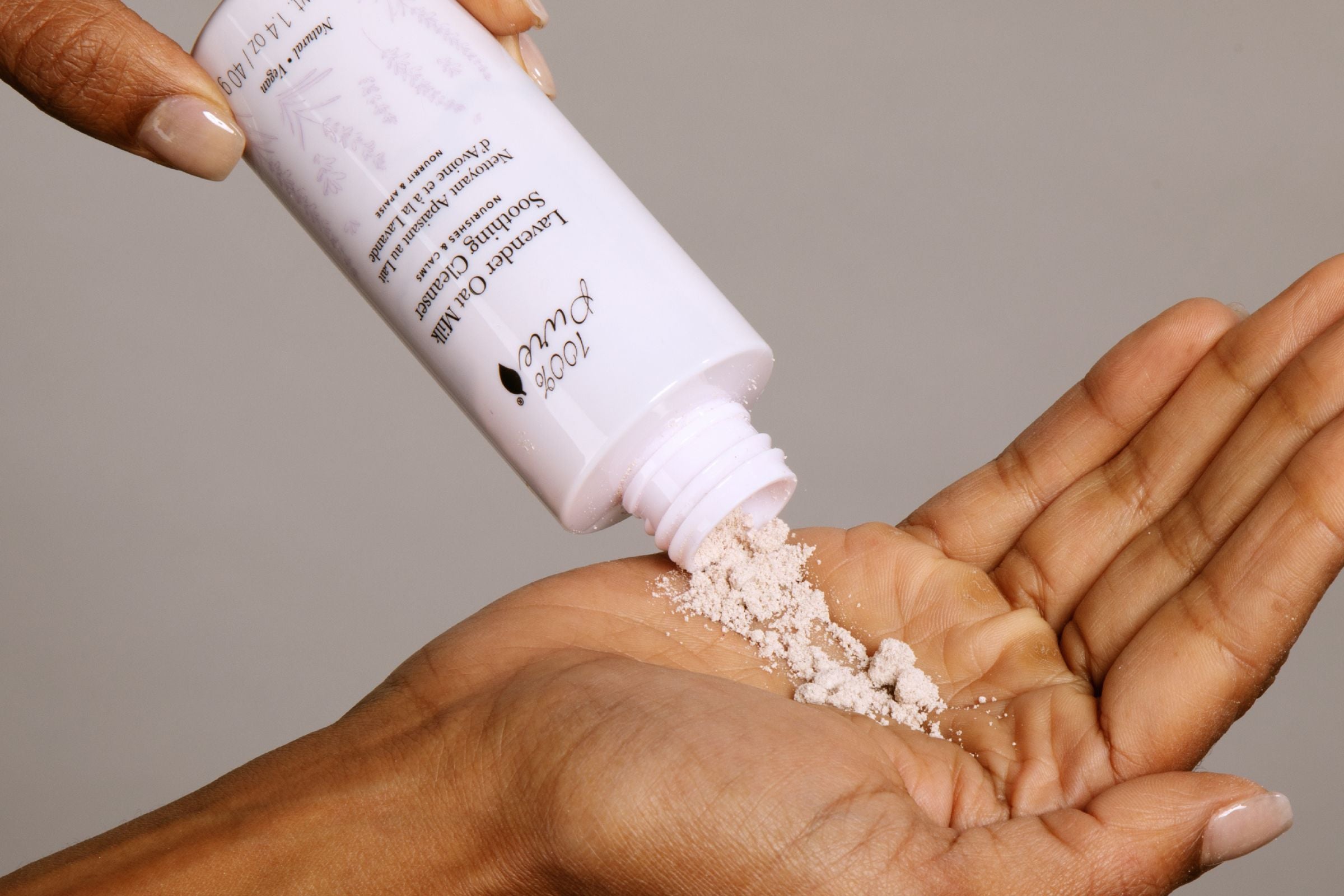
Introducing 100% PURE pH-Friendly Fall Products
When your skin’s pH balance is not right, it can make you feel uncomfortable in your own skin. Fortunately, there are many ways to support your skin’s pH balance, starting with pH-friendly skincare. The sky’s the limit with these fall skincare gems—you’re sure to be impressed!
Lavender Oat Milk Soothing Cleanser
This calming, skin-softening powder cleanser gently nurtures the skin’s natural balance. It effectively removes makeup, sunscreen, and environmental impurities without compromising your skin’s protective barrier. Formulated with beta-glucan-rich colloidal oatmeal, soothing rose petals, purifying lavender, moisturizing coconut milk, restorative echinacea, and anti-inflammatory botanicals like chrysanthemum, calendula, and chamomile, this cleanser is a must-have.
Rose Water Hydrating Milk
Ideal for lightweight, buildable hydration, this milk hydrator is suitable for all skin types. With rose hydrosol as its primary ingredient, it provides deep moisturizing and hydration, effectively combatting redness and irritation. This versatile product is also excellent for brightening, making it perfect for healing blemished skin.
Green Tea EGCG Concentrate Cream
Harnessing the power of green tea’s EGCG, this cream soothes inflammation, unclogs pores, and promotes healthier skin. Rich in antioxidants, green tea combats free radicals that accelerate skin aging, while EGCG supports collagen synthesis and skin rejuvenation, leading to firmer, smoother, and more youthful-looking skin.
Restorative Sea Culture Replenishing Serum
This super serum enhances microbiome health with its antioxidant-rich formula. Featuring hyaluronic acid, this serum effectively replenishes skin from within, providing long-lasting suppleness and hydration. Ingredients like chia gel water, sea kelp, and algae aid in water absorption, while yeast ferment reduces inflammation and detoxifies the skin without compromising its protective barrier.
Multi-Vitamin + Antioxidants Potent PM Serum
This powerful night serum combines stabilized vitamins designed to diminish the appearance of fine lines and wrinkles while firming, brightening, and evening out skin tone. The formulation features niacinamide and vitamin C—two renowned anti-aging ingredients. Typically not combined due to differing pH levels, this serum utilizes magnesium ascorbyl phosphate, a high-quality vitamin C with a pH of 6, harmonizing perfectly with niacinamide. This synergy enables both ingredients to work cohesively, ensuring a youthful and glowing complexion.
Your Guide to Achieving pH-Balanced Skin This Fall
Let’s recap the key points regarding skin pH and effective fall skincare strategies.
The seasonal transition impacts not only our clothing choices but also our skin’s health. As we welcome fall, we experience cooler temperatures, lower humidity, and brisk air—all of which can render the skin more prone to dryness, irritation, and conditions like eczema or seasonal breakouts. This moisture loss can weaken the skin’s barrier function, rendering it more susceptible to external irritants, allergens, and pollutants.
Without proper care during fall, our skin may become increasingly sensitive, dry, and prone to redness. Consequently, adopting a pH-balanced skincare routine becomes essential to address these emerging challenges. Opt for hydrating, non-stripping cleansers and richer moisturizers to lock in moisture and enhance hydration levels. Regular exfoliation is also vital, as flaky skin can benefit from the removal of dead skin cells, ensuring better absorption of moisturizing

Sienna Blake is a licensed aesthetic consultant and beauty writer specializing in cosmetic surgery advancements and non-invasive treatments. With a background in dermatology and over eight years of industry experience, Sienna is passionate about helping people achieve confidence through informed beauty decisions. She holds a Bachelor's degree in Health Sciences and regularly collaborates with top plastic surgeons to stay at the forefront of aesthetic innovations. Outside of her work, Sienna enjoys traveling, skincare research, and practicing Pilates.
