


The practice of skipping meals, particularly lunch and dinner, is gaining traction among individuals aiming for rapid weight loss. Many believe that omitting meals can significantly lower their daily calorie intake, which they assume will lead to weight loss. Despite its popularity, the efficacy of this approach is highly debated. Is there genuine scientific backing for the claim that skipping lunch can aid weight loss, or is it merely a common misconception? Let’s delve deeper into this topic and explore the facts.
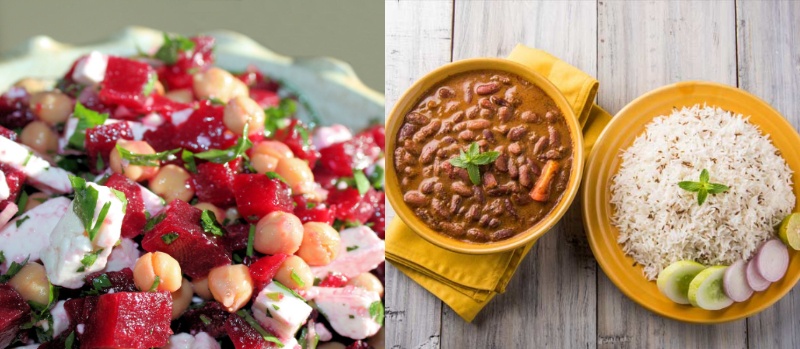
Understanding the Impact of Skipping Lunch on Weight Loss: Truth or Myth?
There’s a well-known adage that states, “Eat breakfast like a king, lunch like a prince, and dinner like a pauper.” In the Indian context, however, this saying often flips; many indulge in a royal breakfast due to time constraints, only to enjoy a lavish lunch. Cultural practices play a significant role in shaping meal patterns, and lunch in India is typically a hearty affair, lasting anywhere from half an hour to an hour. This meal is not just about sustenance; it’s a cherished time for families and colleagues to gather and relish substantial, flavorful dishes that reflect the country’s rich culinary heritage.
Several factors underscore the significance of lunch in Indian culture:

1. Deep Cultural Importance: In numerous regions of India, lunch reigns as the key meal of the day. It serves as a vital opportunity for families and colleagues to unite over a substantial meal. For those engaged in a typical 9 to 5 work schedule, the standard lunch break of half an hour to one hour offers ample time to indulge in a fulfilling dining experience, often resulting in lunches that are considerably more elaborate and satisfying compared to breakfast or dinner.
2. Carbohydrate-Rich Lunch Dishes: Traditional Indian lunches are abundant in carbohydrates, featuring an array of dishes like dal, chawal, roti, and various vegetables, often accompanied by sweets. This rich assortment makes lunch a calorie-dense meal, which can challenge weight loss goals.
3. Influence of Climate: In hotter climates, heavier lunches are often preferred as they provide the necessary energy to withstand the heat, making them not just a meal, but also a source of sustenance against environmental stressors.
4. Work Habits and Lifestyles: For many working professionals in India, lunch breaks are typically scheduled from 1 to 2 PM, creating a long gap before dinner. This timing encourages individuals to consume a hearty lunch to maintain their energy levels and productivity throughout the afternoon.
Given the myriad reasons that contribute to the prominence of lunch, it might seem logical to consider skipping it to reduce calorie intake. However, this strategy often proves counterproductive. Skipping lunch can upset the body’s natural hunger signals, frequently resulting in overeating during later meals, particularly dinner. Extended periods without food can amplify feelings of hunger, leading individuals to consume larger portions when they finally eat. Moreover, arriving at dinner with an intense appetite complicates portion control and mindful eating, often resulting in excessive snacking post-dinner to compensate for the missed lunch. Consuming a substantial dinner, especially when metabolism slows in the evening, can result in excess calorie storage as body fat. Additionally, heavy meals close to bedtime can negatively affect digestion and disrupt sleep quality.
Thus, while it may appear that skipping lunch is an effective calorie-cutting tactic, it can inadvertently foster unhealthy eating habits and contribute to weight gain over time. Instead of avoiding lunch altogether, it’s crucial to select nutritious meals that promote metabolism and support weight loss efforts. Explore comprehensive meal plans designed for effective dieting on the Rati Beauty app, where you can access various weight loss diet plans tailored to your needs.
Would Exercising on an Empty Stomach Burn More Calories?
8 Surprising Sources of Empty Calories You Might Be Overlooking
!function(f,b,e,v,n,t,s)
{if(f.fbq)return;n=f.fbq=function(){n.callMethod?
n.callMethod.apply(n,arguments):n.queue.push(arguments)};if(!f._fbq)f._fbq=n;n.push=n;n.loaded=!0;n.version=’2.0′;
n.queue=[];t=b.createElement(e);t.async=!0;
t.src=v;s=b.getElementsByTagName(e)[0];
s.parentNode.insertBefore(t,s)}(window, document,’script’,
‘https://connect.facebook.net/en_US/fbevents.js’);
fbq(‘init’, ‘175059706376017’);
fbq(‘track’, ‘PageView’);
