


We’ve all experienced the anticipation of watching our hair grow, eager for it to reach that ideal length. However, it can be incredibly frustrating when our hair seems to plateau or break off, stalling our progress. This situation is especially disheartening after dedicating time, care, and finances towards hair care, only to be thwarted by pesky split ends. These unwanted strands often sabotage our efforts and leave our locks looking frizzy, weak, and far from the smooth, sleek appearance we desire.
Achieving your hair goals is more attainable than you might think. The secret lies in understanding how to identify and prevent split ends, which is crucial for maintaining length and ensuring your hair stays healthy. By debunking prevalent myths surrounding hair care and implementing targeted strategies for both prevention and management, you can take charge of your hair’s future. This comprehensive guide will delve into the causes of split ends, how to detect them at an early stage, and actionable steps to prevent them, enabling you to finally achieve the long, vibrant hair you’ve always dreamed of.
Deep Dive into the Causes of Split Ends
Split ends are considered the primary adversary of healthy hair. They arise when the outer protective layer of your hair, known as the cuticle, sustains damage and begins to fray. Once a strand splits, it continues to unravel, leading to a dry, frizzy, and unhealthy appearance. However, split ends are not merely the result of a single strand breaking. There are various types of split ends, each with distinct causes and characteristics, which can inform your hair care strategies.
- Basic split: This is the most common form, where a single strand splits into two at its tip.
- Tree split: Multiple small splits branch off from a single strand, often indicative of severe damage.
- Forked split: The hair divides into several sections along its length, showcasing extensive wear and tear.
When viewed under a microscope, hair damage reveals the underlying truth—your hair fibers deteriorate as they lose moisture and essential proteins. Once the structural integrity weakens, the ends split and can even fracture further up the hair shaft if not addressed promptly.
But what are the underlying causes of these splits?
Mechanical Damage: Everyday activities such as brushing, detangling, and aggressively towel-drying your hair can weaken it over time, particularly if you’re not gentle. For instance, tugging at knots or using a brush on wet hair can accelerate the formation of split ends.
Chemical Damage: Frequent coloring, relaxing, or perming can break down the bonds that keep hair strands intact. Additionally, overuse of heat styling tools like flat irons and curling wands can strip moisture from your hair, increasing its susceptibility to splitting.
Environmental Factors: Exposure to the sun, wind, and pollution can significantly impact your hair’s health. UV rays can weaken the hair cuticle, while harsh weather conditions can deplete the natural oils in your hair, leaving it brittle and more vulnerable to damage.
Gaining insight into what split ends are and how they form empowers you to take proactive measures. Recognizing their causes is a vital step toward preventing and managing them, which is essential for maintaining your hair’s health and achieving your desired goals.
How to Effectively Identify Split Ends Early
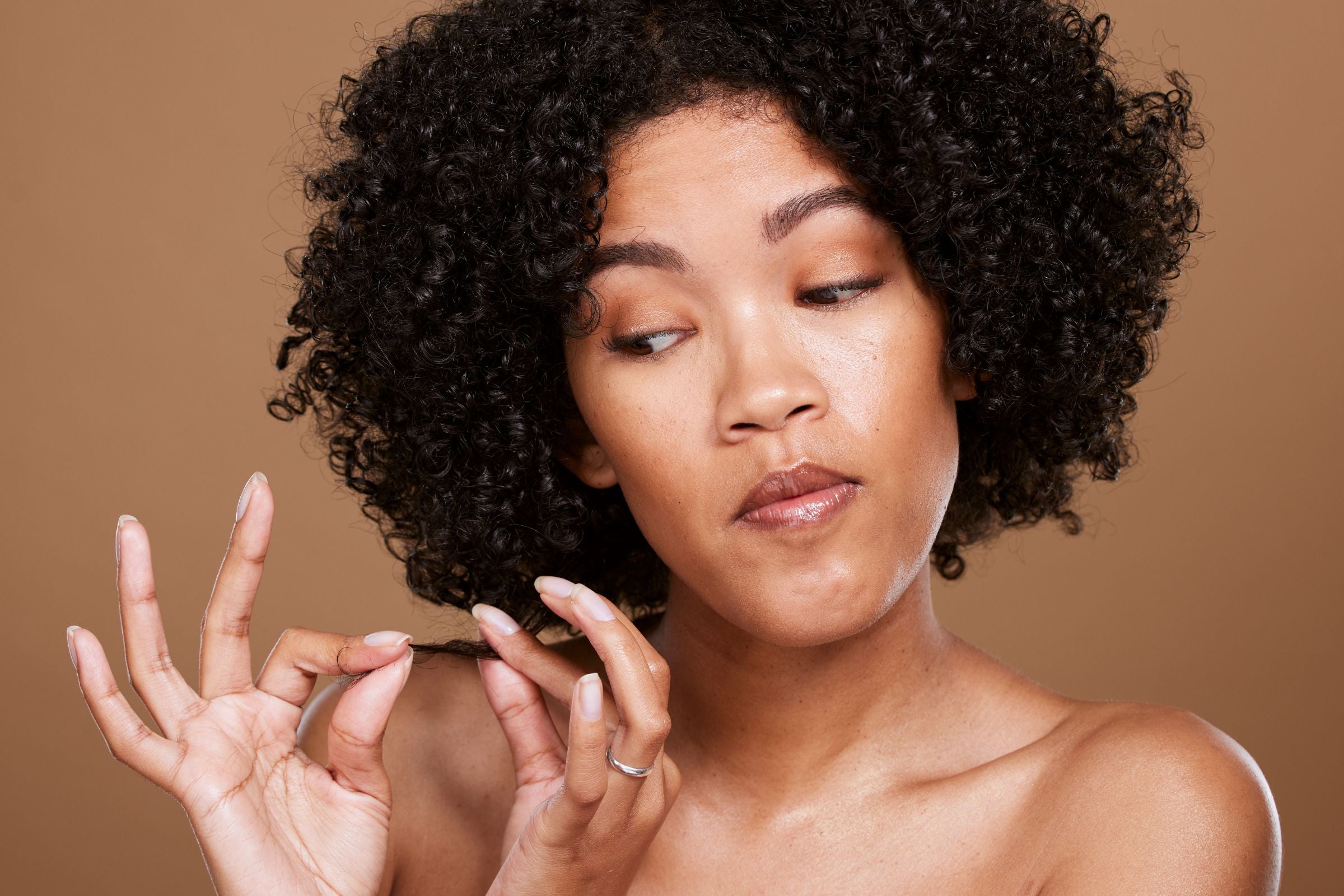
Recognizing split ends in their early stages can be a game changer in maintaining healthy hair. While they may appear small and insignificant initially, split ends can worsen over time, leading to further breakage and ultimately hindering your hair goals. Here’s how to identify the warning signs before they escalate into more serious issues:
Visual Indicators of Split Ends:
One of the easiest methods to identify split ends is by closely examining the tips of your hair.
- Single strand splits: This classic sign occurs when one hair strand splits into two at the end, marking the onset of breakage.
- Multiple splits (tree branch effect): Some strands may exhibit multiple splits extending from a single hair, resembling a tree branch, which indicates advanced damage.
- White dots at the end of hair strands: Tiny, white bulbs at the tips of your hair signal impending breakage, indicating that the hair is weakening and prone to splitting.
Changes in Hair Texture:
While visual cues are the most straightforward way to spot split ends, changes in your hair’s texture can also provide important clues.
- Roughness and dryness at the ends: When you run your fingers through your hair, if the ends feel coarse or dry compared to the rest of your strands, it’s likely that split ends are forming. Healthy hair should feel smooth and consistent from root to tip, while damaged hair starts to lose that silky texture.
- Increased tangling and difficulties in styling: If your hair tangles more easily, particularly near the ends, or if styling becomes increasingly challenging, split ends may be to blame. Damaged ends tend to clump together and create more knots, complicating your hair management.
By regularly monitoring for these signs, you’ll be better positioned to catch split ends early. Identifying them before they lead to extensive breakage will help ensure your hair remains healthier, more manageable, and on track to achieving your hair goals.
Finding the Right Balance Between Style and Hair Health
We all desire that flawless hairstyle—be it sleek, straight hair or bouncy, voluminous curls—but heat styling often feels like a necessary compromise. The quest for perfect, salon-worthy looks can clash with the need to protect your hair from damage. This is a dilemma faced by anyone striving for their hair goals: How can you enjoy the styles you love while safeguarding your hair’s health?
Yearning for Beautifully Styled, Heat-Treated Hair
Whether it’s flat-ironing for a sleek finish or curling for bouncy waves, heat tools often provide the quickest route to achieving your desired look. While heat styling can transform your hair instantly, frequent use can lead to damage—split ends, frizz, and breakage may become noticeable.
Worries About Hair Damage from Styling
The more you rely on heat styling, the more susceptible your hair becomes to damage. High temperatures can strip your hair of its natural oils and moisture, rendering it brittle and more prone to split ends. The ongoing cycle of styling and repairing may leave you pondering whether it’s worth compromising long-term hair health for immediate style satisfaction.
Strategies for Harmonizing Aesthetic and Hair Health Goals
The encouraging news is that you don’t need to choose between stunning style and healthy hair—you simply need to strike the right balance.
- Limit exposure to heat: Instead of styling your hair with heat every day, aim to stretch your styles for several days or utilize lower heat settings. Whenever possible, opt for air-drying and reserve heat tools for special occasions.
- Utilize protective products: Before employing any heat tools, apply a heat protectant spray or serum to shield your hair from high temperatures. These products help minimize damage and keep your hair smoother for longer.
- Prioritize your hair’s health: Regular trims, deep conditioning treatments, and moisture-rich shampoos can repair and prevent damage caused by styling. A healthy hair care routine enables you to enjoy styling without the concern of long-term repercussions.
Dispelling Common Hair Care Myths
When discussing split ends and hair health, there is no shortage of advice, but not all of it is beneficial. In fact, some prevalent hair care myths could impede your progress toward achieving your hair goals. To effectively protect your strands, it’s critical to differentiate between fact and fiction and avoid practices that may inflict more harm than good.
Myths Surrounding Trimming and Hair Growth
One of the most pervasive myths in hair care is that trimming your hair speeds up growth. While regular trims are essential to prevent split ends from traveling further up the strand and causing additional damage, they do not accelerate hair growth. Cutting off split ends helps maintain healthy length and prevents breakage, giving the appearance of faster growth since your hair remains intact. Therefore, while trims won’t make your hair grow faster, they will keep your ends looking fuller and healthier.
Questionable or Harmful DIY Split-End Remedies
The internet is rife with DIY hair treatments that claim to magically mend split ends. Some suggest using oils, homemade masks, or even burning the ends (a dangerous technique known as “velaterapia”). While nourishing oils and masks can hydrate and temporarily smooth the hair, they do not repair split ends. Once a strand has split, the only viable solution is to trim it off. Attempting these so-called remedies can lead to further damage or, in the case of methods like burning, significantly jeopardize your hair’s health.
The Quest for Effective Prevention Techniques
With countless products and methods promising to stave off split ends, it can be challenging to determine what truly works. The reality is that no product can completely prevent splits if you’re routinely exposing your hair to heat, chemicals, or environmental stressors. Nonetheless, several proven steps can help minimize damage and protect your ends:
- Handle with care: Avoid rough towel-drying or excessive brushing, particularly when your hair is wet and more susceptible to breakage.
- Emphasize hydration and protection: Use deep conditioning treatments and leave-in products that add moisture and strengthen your hair, thus decreasing the likelihood of split ends forming.
- Regular trimming is key: While this may seem counterintuitive, consistent trims are crucial for maintaining healthy hair and preventing minor splits from escalating into major breakage.
By steering clear of these common hair care myths and concentrating on evidence-based strategies, you can make significant strides in your battle against split ends, ultimately bringing you closer to the long, healthy hair you desire.
Comprehensive Prevention and Management Strategies for Split Ends
Preventing split ends is essential for realizing your hair goals and maintaining the length and health you’ve worked so diligently to achieve. Fortunately, with the right strategies, you can safeguard your hair from unnecessary damage, keep split ends at bay, and manage any that do occur. Here’s how to weave prevention and management techniques into your hair care regimen:
Implementing Proper Hair Care Techniques
Simple changes in your hair care routine can significantly reduce split ends.
- Gentle detangling approaches: Start with a wide-tooth comb or your fingers when detangling, especially when your hair is wet. This minimizes breakage risk. Always work from the tips to the roots to avoid tugging and pulling at knots.
- Correct brushing and combing methods: Refrain from aggressive brushing or using harsh bristles that can cause friction and lead to split ends. Instead, choose a gentle, cushioned brush, and avoid over-brushing—sometimes less is more.
Adopting Protective Sleeping Habits
Surprisingly, even your sleep habits can influence your hair’s health.
- Silk pillowcases: Transition to silk or satin pillowcases, which generate less friction than cotton, thereby reducing the likelihood of split ends forming overnight.
- Loose braids: Sleeping with your hair in a loose braid or ponytail can help prevent tangling and breakage, effectively protecting your ends while you rest.
Utilizing Protective Styling Techniques
Minimizing manipulation and incorporating protective hairstyles can safeguard your hair from damage.
- Low-manipulation hairstyles: Choose styles such as buns, twists, or braids that require minimal daily styling, thereby reducing wear and tear on your hair.
- Hair-friendly accessories: Avoid rubber bands or accessories with metal parts, which can snag and break your hair. Opt instead for fabric-covered elastics or spiral hair ties that are gentle on your strands.
Incorporating Nourishing Treatments
A well-nourished scalp and hydrated hair are better equipped to combat split ends.
- Deep conditioning rituals: Regular deep conditioning treatments strengthen your hair from within, helping to avert damage. Seek treatments rich in proteins and moisture to reinforce your strands.
- Hair oils and serums for end protection: Apply lightweight hair oils or serums to your ends to lock in moisture and create a barrier against environmental stressors. Products like argan oil or silicone-based serums can effectively protect your ends from splitting.
Precautions for Heat Styling
Heat styling is a significant contributor to split ends, but with the right precautions, you can still achieve beautiful styles without compromising your hair’s health.
- Utilizing heat protectant products: Always apply a heat protectant before using any hot tools. These sprays or serums serve as a shield, mitigating damage caused by high temperatures.
- Reducing heat settings on styling tools: You don’t need the highest heat setting to achieve excellent results. Experiment with lower temperatures on your flat irons and curling wands to minimize damage while still achieving your desired look.
- Limiting the frequency of heat styling: Allow your hair to rest by reserving heat styling for special occasions. Incorporate no-heat styles, like braids or rollers, to create volume or curls without the risk of split ends.
By integrating these prevention and management strategies into your routine, you’ll not only protect your hair from damage but also minimize the appearance of split ends, ensuring your hair remains healthier in the long run. Caring for your hair today translates to fewer split ends tomorrow, bringing you even closer to achieving your ultimate hair goals.
Explore 100% PURE Hair Care Products to Prevent Split Ends
Reaching your hair goals involves not only avoiding damage but also utilizing the right products designed to nourish and protect your strands daily. 100% PURE provides a curated selection of products specifically formulated to help prevent split ends while ensuring your hair remains healthy, strong, and beautiful.
Argan Oil
This enriching oil is a staple for sealing hair ends and shielding them from environmental stressors such as sun exposure and pollution. Rich in vitamins and antioxidants, argan oil creates a protective barrier that helps prevent splitting while adding shine and moisture. A small amount applied to your ends can dramatically reduce the appearance of split ends over time.
Burdock and Neem Healthy Scalp Conditioner
Split ends frequently stem from weak, brittle hair fibers. This deeply hydrating treatment works to fortify your hair from within. Both burdock and neem are recognized for their ability to nourish the scalp and strengthen hair, aiding in reducing breakage and promoting overall hair vitality. Regular use of this conditioner delivers the moisture your strands need to stay resilient and prevent splitting.
Multi-Vitamin Healthy Hair Leave-In Conditioner
Everyday wear and tear, including brushing and environmental exposure, can weaken hair over time. The Multi-Vitamin Healthy Hair Leave-In Conditioner provides lightweight, leave-in protection designed to shield your ends throughout the day. Packed with essential vitamins and nutrients, it helps fortify your hair against breakage and maintains a smooth, healthy appearance while preventing the formation of split ends.
Burdock and Neem Healthy Scalp Shampoo
A gentle cleanse is vital for sustaining the strength and resilience of your hair from root to tip. The Burdock and Neem Healthy Scalp Shampoo offers an effective wash that doesn’t strip your hair of its natural oils, which are crucial for preventing dryness and split ends. This formula strengthens your hair, supporting its health and minimizing damage during cleansing.
Glossy Locks Glossing Shampoo
Buildup from styling products and environmental pollutants can weigh down your hair and contribute to damage over time. The Glossy Locks Glossing Shampoo is a clarifying wash that eliminates this buildup while nourishing each strand. With ingredients that promote shine and softness, it helps protect against the root causes of split ends, leaving your hair looking glossy and revitalized.
Incorporating high-quality products like these from 100% PURE can significantly enhance your split-end prevention strategy. By adding them to your routine, you’ll be one step closer to achieving your hair goals—healthy, beautiful, and free of split ends.
Your Journey Toward Split-End-Free Hair
Now that you’ve learned essential strategies to identify, prevent, and manage split ends, you are closer to achieving the long, healthy hair you’ve always desired. Let’s recap some of the key points:
- Gentle care techniques, such as proper detangling and brushing, help reduce mechanical damage that leads to split ends.
- Protective habits, including using silk pillowcases, low-manipulation styles, and hair-friendly accessories, shield your hair from everyday wear and tear.
- Nourishing treatments, such as deep conditioning, hair oils, and leave-in conditioners, strengthen your strands and help prevent splitting.
- Precautions during heat styling ensure you minimize damage by utilizing heat protectants, lowering tool settings, and limiting heat exposure.
By prioritizing these split-end prevention strategies, you’re not only protecting your hair from damage but also positioning yourself for long-term success in achieving your hair goals. Remember, healthy ends lay the foundation for strong, beautiful hair.
Now is the time to take proactive steps—implement your personalized split-end prevention routine today. Whether it involves changing your pillowcase, incorporating nourishing products, or being more mindful of your hair care practices, every small adjustment will help keep split ends at bay. With consistent effort, you’ll be on the path to split-end-free, healthier hair that’s ready to flourish.
Commonly Asked Questions About Split Ends
How frequently should I trim my hair to avoid split ends?
To effectively prevent split ends, it’s generally recommended to trim your hair every 8-12 weeks. However, this timing can vary based on your hair type and styling habits. Regular trims help eliminate damaged ends before they worsen, promoting healthier hair growth.
Can split ends “heal” on their own?
Unfortunately, no. Once a split end forms, it cannot repair itself. The best approach to managing split ends is to trim them off. While using nourishing products can prevent further damage, trimming is the only way to fully eliminate split ends.
Are there specific vitamins or supplements that can aid in preventing split ends?
Yes, certain vitamins and supplements can bolster overall hair health, potentially reducing the likelihood of split ends. Biotin, vitamin E, omega-3 fatty acids, and collagen are known to enhance hair strength, promote elasticity, and prevent breakage. However, a balanced diet and proper hair care remain the most critical factors in preventing split ends.
How can I differentiate between split ends and natural hair texture?
Split ends are typically recognizable by their frayed or forked appearance. You might also observe white dots at the tips of your hair strands, indicating splitting. Natural hair texture, particularly if it’s curly or coarse, may feel rough, but it won’t display the same level of damage or multiple splits characteristic of split ends.
Is it realistic to have completely split-end-free hair, or is some damage inevitable?
While achieving completely split-end-free hair is nearly impossible—especially with regular styling—you can significantly minimize damage with proper care. Regular trims, protective styling, and nourishing treatments are essential for keeping split ends under control and maintaining healthy hair.
