


[ad_1]
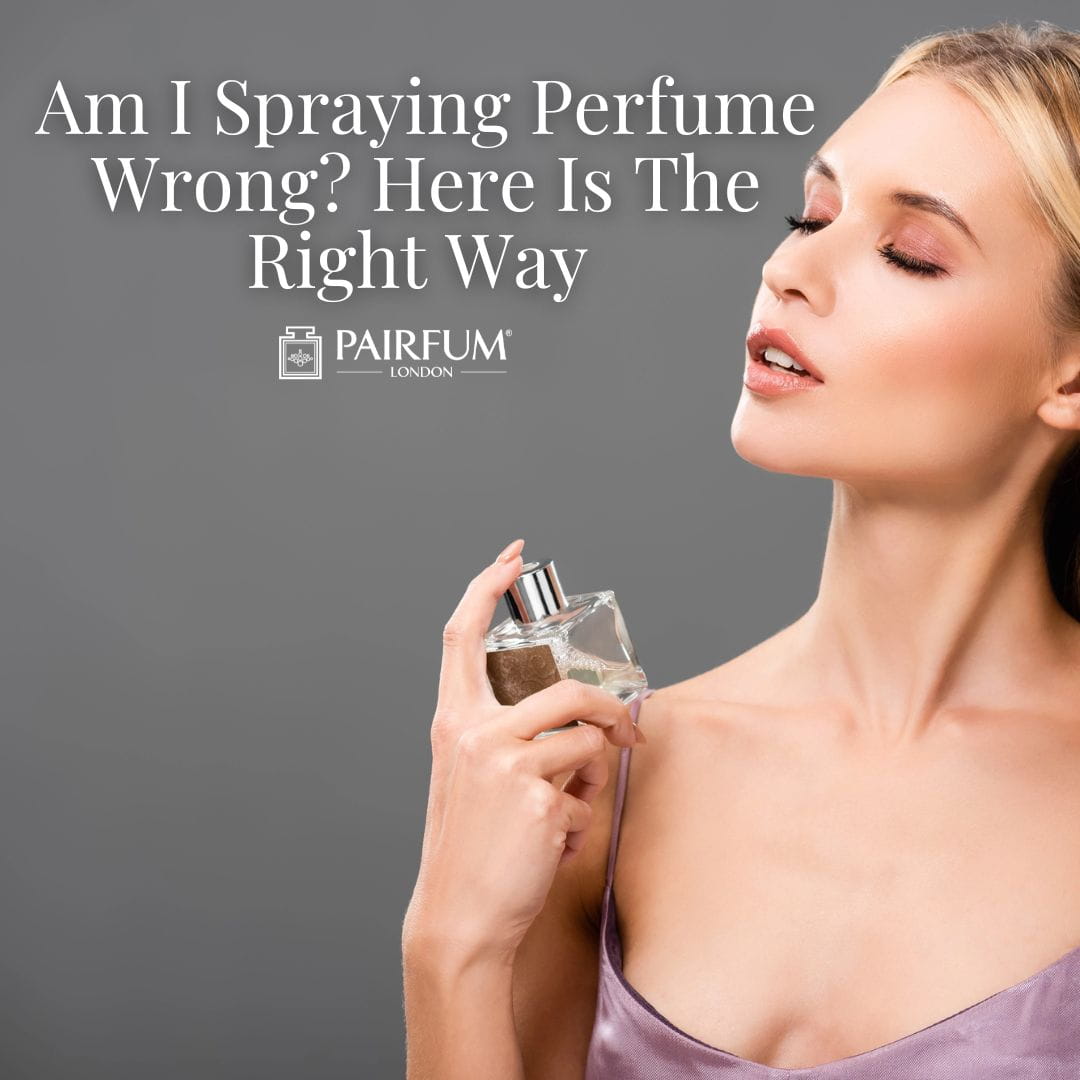
To enhance the longevity and projection of your fragrance, avoid common mistakes like rubbing your wrists together, walking through a mist, or applying perfume to dry skin. Instead, apply directly to well-moisturized pulse points from a distance of about 5-6 inches (12-15 cm) and allow the scent to dry naturally on your skin.
Many of us have a routine for spraying perfume that we stick to without a second thought. A quick spray on the wrists or neck and we’re off. But what if you’ve been applying your fragrance incorrectly all this time?
As the warm summer mornings arrive in the UK, it’s the perfect opportunity to refine your fragrance application technique. Small adjustments can lead to a significant improvement in how your scent performs throughout the day. This guide will provide you with effective methods for applying perfume, ensuring it smells as intended, lasts longer, and feels more harmonious on your skin.
Five Common Perfume Application Mistakes You Should Avoid
Even the most passionate fragrance enthusiasts can slip into poor habits when applying perfume. Incorrect application stems from a few common mistakes that hinder how a scent unfolds. Let’s explore the primary errors so you can make the most of every spray.
1. Are You Misapplying Perfume by Using Too Much or Too Little?
When it comes to applying perfume, more isn’t necessarily better. Over-applying can overwhelm those nearby and obscure the lighter notes. Conversely, applying too little might cause the fragrance to fade away before your morning tea.
Using too much fragrance can mask subtle notes. Instead of layering multiple sprays, focus on key areas where the scent can develop gradually. Experts describe fragrance as an architecture of air, where excessive layers can disrupt the balance. Aim for two to three targeted sprays.
If you find that your fragrance dissipates within an hour, you may not be applying enough. A certain concentration is needed for the scent to settle on the skin and be recognized.
During warmer months, lighter fragrances or eau de parfum typically require fewer sprays. For cooler evenings or indoor environments, consider adding one or two extra spritzes to enhance the scent.
Finding the ideal balance requires some observation. Monitor how your fragrance lingers throughout the day, and adjust your application accordingly the next morning.
2. Are You Spraying in the Wrong Places?
The location where you apply perfume significantly impacts its performance. The chosen spot is more crucial than you might realize, as your body’s warmth helps to diffuse the fragrance.
Start with pulse points, which include the neck, inside the elbows, wrists, and behind the knees. These areas have thinner skin over blood vessels, generating natural heat that gradually releases the scent. For a soft, alluring trail as you move, consider applying to the back of your knees or just below the collarbone.
Avoid spraying directly on areas like your hands or lower legs, as these areas do not retain warmth effectively.
In summer, be cautious about applying perfume behind the neck if you’ll be exposed to strong sunlight. The combination of sunlight and certain perfume ingredients may irritate the skin. Instead, apply to areas under clothing or lightly on fabric, ensuring it doesn’t come into direct contact with your chest.
The closer you apply the fragrance to areas with blood flow nearer the skin, the more consistent and enduring the effect will be.
3. Are You Rubbing Your Wrists Together After Spraying?
To achieve the best results, let the fragrance settle naturally without interference. The distance and timing of your application are crucial to avoid misapplying perfume.
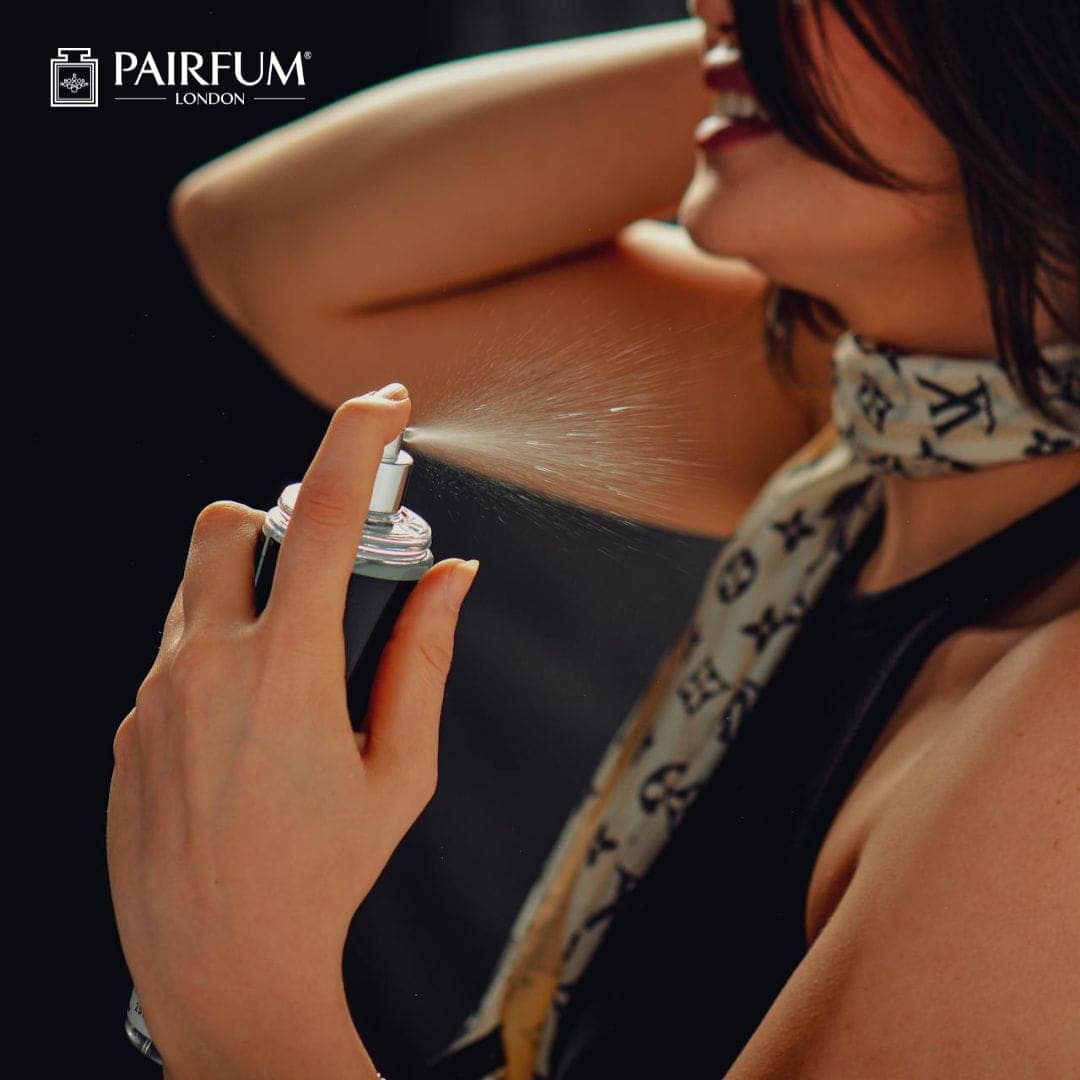
Hold the perfume bottle approximately 15 to 20 centimeters away from your skin or fabric. This distance allows for an even, fine mist rather than a concentrated spot.
After applying, refrain from rubbing your wrists together. This action generates heat that can disrupt the top notes, bruising the fragrance molecules and altering the intended scent.
Timing is also essential. Apply your fragrance right after a warm shower or bath, when your skin is clean, slightly damp, and warm. This condition helps open pores and enables the scent to adhere effectively.
Adopt a patient approach. Think of it as a gentle layering process rather than a hurried application.
4. Are You Ignoring Your Skin Type and Preparation?
Your skin chemistry greatly influences how a fragrance interacts with you. For example, dry skin struggles to retain scents due to the lack of natural oils needed to anchor perfume. If your skin is dry, the alcohol in the fragrance can evaporate quickly, taking the scent with it. In contrast, oily skin holds scents longer, with the sebum acting as a natural binder.
To combat dryness, apply perfume to moisturized skin. Using a rich, unscented lotion, petroleum jelly, or lightweight body oil after your shower creates a hydrated base that helps lock in fragrance. This simple adjustment can transform a fleeting scent into a lasting aroma. ensure your daily deodorant is unscented to avoid clashing with your chosen fragrance.
5. Are You Overlooking Fabric, Hair, and Accessories?
Perfume doesn’t only reside on your skin. There are several effective techniques to help it linger without overwhelming those around you.
Natural fibers like cotton and wool can retain specific perfumes well. be cautious when applying to delicate fabrics such as silk, satin, or synthetics, as they may become damaged, stained, or discolored.
A light mist over your hair or scarf can create a more subtle impression. Hair tends to hold fragrance without becoming greasy, especially if sprayed from a distance. To prevent the alcohol from drying out your hair, spray your hairbrush first before running it through your locks. Alternatively, you can use a lighter body mist for a more delicate scent.
Some accessories, including hats or shawls, can be lightly perfumed to create a lingering aura without the need for reapplication throughout the day.
Applying just one or two of these techniques can significantly enhance the duration of your fragrance, transforming it from a fleeting scent into a lasting presence.
Proper Storage for Your Perfume
The location where you store your perfume significantly impacts its scent and longevity. A beautiful bottle deserves to be kept in the right environment.
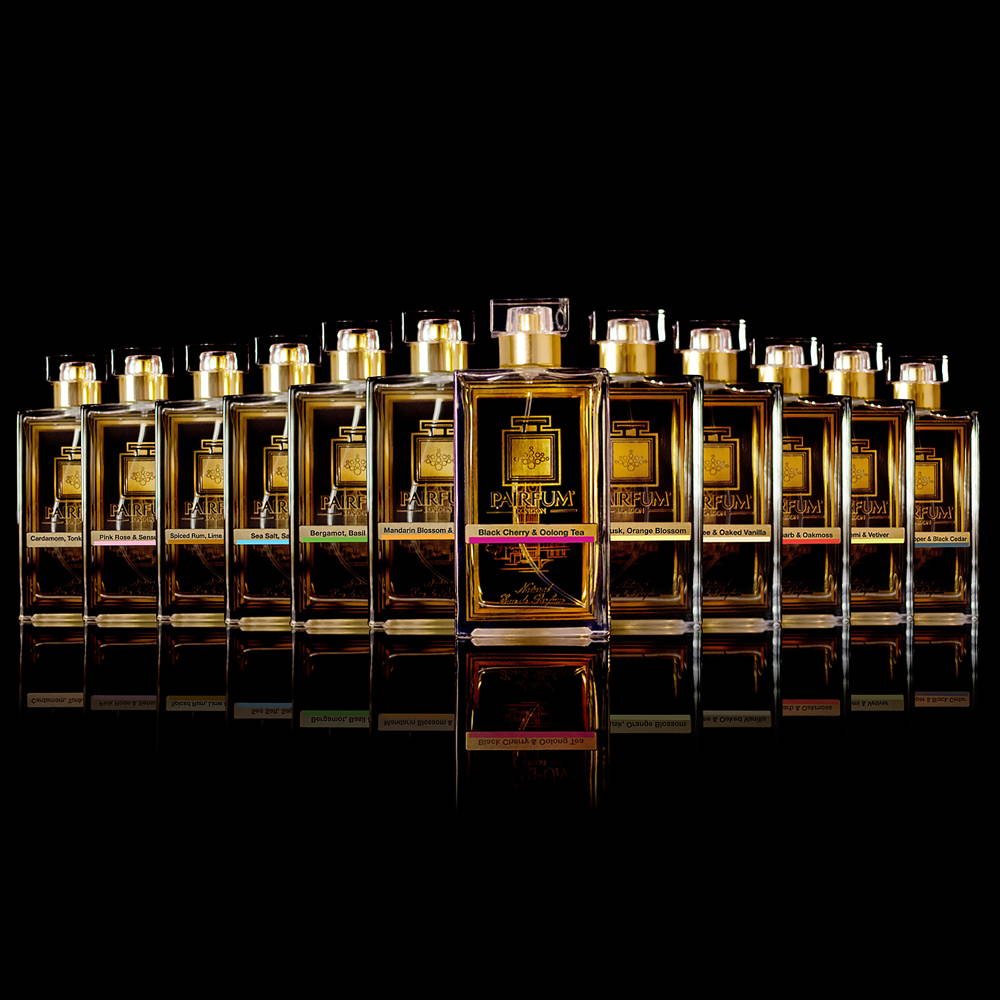
Heat and light are two primary factors that can spoil perfume. Avoid placing it on sunny shelves, bathroom counters, or windowsills.
High summer temperatures can alter the chemical composition of the fragrance, causing it to smell off. Store your bottle in a cool drawer or cupboard away from steam and light.
Humidity, especially in bathrooms, accelerates perfume breakdown. Keeping your perfume in a cool, dry place such as a bedroom drawer helps maintain its stability. Store the bottle upright in its original box for optimal protection against temperature fluctuations.
Even the finest luxury perfume can disappoint if stored incorrectly. Aim for a cool, dark, and quiet environment, akin to how you would preserve your favorite chocolate bar during the summer.
Comprehending Your Scent Profile
The craft of traditional perfumery reveals that every favorite scent possesses a distinctive structure. When you sample a new fragrance, whether it’s a refreshing cologne or a rich, bold scent, you’re engaging with a complex blend of top, heart, and base notes.
The top notes provide the initial impression, typically featuring bright citrus, light fruits, or fresh herbs that evaporate quickly. As these top notes fade, the fragrance reveals its heart, showcasing florals, rich spices, or deeper fruits, known as heart notes. the base notes form the lasting foundation of the fragrance. Ingredients like sandalwood, amber, vanilla, and patchouli have a high molecular weight, enabling them to cling to the skin for hours.
Lighter scents tend to evaporate quickly, while heavier scents linger for an extended period. Understanding the scent profile of your favorite fragrance helps you determine the ideal amount to apply. A natural perfume with high concentrations of organic ingredients will evolve beautifully throughout the day, shifting as it reacts with your body heat. If you enjoy layering fragrances to create a custom signature scent, always apply the heavier formula with strong base notes first, followed by the lighter, fresher option on top.
Applying the Right Perfume with Pairfum London
Now that you’ve honed your technique for applying perfume, it’s time to focus on selecting a fragrance that compliments your efforts. Even the best application technique falls flat with a scent that doesn’t resonate with you or fails to perform on your skin. The next logical step is to explore how different scent profiles interact with your unique skin chemistry throughout the day. Testing a curated selection of miniature vials at home allows you to observe the evolution from top notes to base notes without committing to a full-sized bottle right away. This approach is the most reliable way to discover a genuine signature scent that feels uniquely yours.
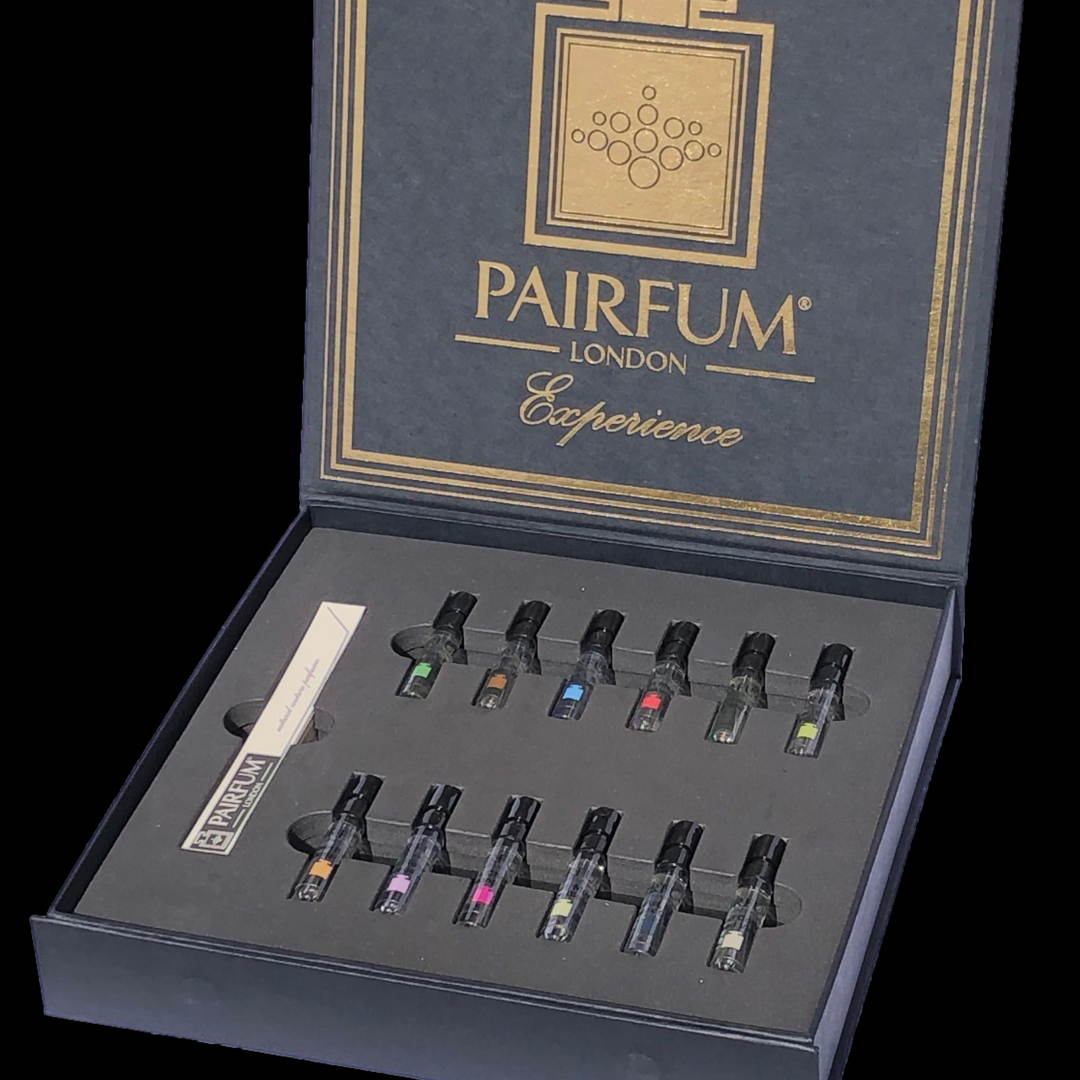
Fragrance Library Experience Box by Pairfum London
With your perfume application technique refined, it’s time to find a composition that truly resonates with you. The Pairfum London Fragrance Library offers the perfect solution. This Perfume Experience Box includes a curated collection of twelve miniature eau de parfum vials, featuring a variety of scent profiles from light florals to deep, woody fragrances. It provides an ideal, low-risk opportunity to test high-quality, natural formulations directly on your skin over several hours. By exploring this discovery set at home, you can witness the notes unfold in real-time, helping you find an authentic signature scent that perfectly aligns with your refined application techniques.
Fragrance That Matches Your Lifestyle
Learning how to avoid common perfume application mistakes is not about enforcing strict rules. It’s about maximizing the enjoyment of something you already cherish. With a few minor adjustments—such as where you apply, how much you use, and when—you can revel in your signature scent all day long.
The right application method turns your perfume into an integral part of your presence, rather than just a fleeting moment in the morning. When a beautifully crafted eau de parfum harmonizes with your skin chemistry, the scent transforms into something uniquely yours, remaining close from the first light of morning until you return home in the evening. If you notice a lighter formulation fading by late afternoon, don’t overapply in the morning. Instead, carry a compact travel spray to refresh the top notes safely throughout the day.
The post Am I Spraying Perfume Wrong? Here is the Right Way appeared first on Pairfum London.
