


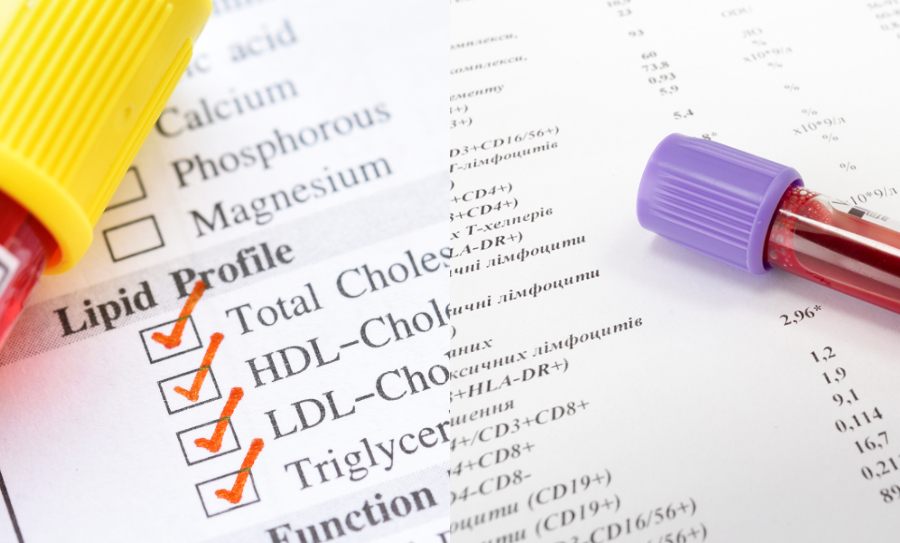
Many individuals express frustration after trying countless methods for weight loss without any success. They often recount their experiences of spending hours on cardio machines, meticulously counting calories, drastically reducing their food intake, avoiding indulgent foods, and falling for every trendy product that claims to be a miracle “fat cutter.” The core issue with most weight loss programs is their focus on drastically cutting calories and encouraging minimal food consumption, which can lead to neglecting the body’s vital nutritional requirements. This approach can result in adverse effects such as severe hair loss, weakened immunity, skin damage, and overall feelings of malaise, not to mention serious nutrient deficiencies. If you’ve been engaging in crash diets or following restrictive fad diets, it’s likely that you’re facing nutritional inadequacies, which could be hindering your weight loss efforts. Our bodies require a broad spectrum of nutrients to function optimally, and it’s crucial to understand that numerous vitamins and minerals are essential in the fat-burning process. Research indicates that deficiencies in vitamin D, calcium, copper, zinc, vitamin A, and vitamin C can significantly impact weight management. Therefore, it is vital not to compromise on the nutrients your body needs. If you’re seeking a nutrient-rich weight loss diet, consider exploring Rati Beauty diet plans, which enable you to shed extra pounds and inches from your waist while enjoying normal, healthy, and nutrient-dense foods. Additionally, here’s a list of 10 Tests to Identify Your Weight Loss Barriers. Always consult with your healthcare provider to identify which tests are appropriate for understanding the reasons behind your weight gain.
1. Assess Your Insulin Levels with HbA1C Testing:
You might be surprised to learn why checking your insulin levels is essential, especially since insulin is often associated with diabetes. This hormone plays a pivotal role in regulating blood sugar levels while also facilitating the absorption of excess glucose in muscle, fat, and liver cells, storing it as fat. Insulin resistance occurs when your cells become less responsive to insulin’s effects, leading to elevated blood sugar levels, increased fat storage, and heightened appetite, all of which make weight loss a significant challenge. Therefore, it’s crucial to monitor your insulin levels throughout your weight loss journey. The HbA1c (hemoglobin A1c) test measures the average blood glucose levels over the preceding two to three months, serving as a valuable tool for evaluating long-term blood sugar control. By checking your HbA1c, you can gain insights into whether you struggle with insulin resistance, even in the absence of diabetes symptoms.
2. Diagnose Weight Gain Issues with a Comprehensive Thyroid Function Test:
A thyroid panel is instrumental in diagnosing a range of thyroid disorders, including hypothyroidism, hyperthyroidism, and autoimmune conditions. If you’re experiencing symptoms of a slow metabolism or unexplained weight gain, a thyroid function test measuring thyroid stimulating hormone (TSH), free thyroxine (FT4), triiodothyronine (T3), thyroid antibodies, and total thyroxine (T4) can provide valuable insights. Understanding your thyroid function is critical, as any imbalance may contribute significantly to your weight management challenges. A properly functioning thyroid is vital for maintaining a healthy metabolism, and identifying any issues early can help you take appropriate action.

3. Evaluate Your Iron Levels with Serum Iron and TIBC Testing:
Iron is an essential trace element that plays a crucial role in the fat-burning process. For effective fat oxidation, your body requires adequate oxygen, which necessitates optimal iron levels in the blood. Insufficient iron can lead to a sluggish metabolism, fatigue, and cravings for unhealthy substances such as clay or starch, and it may also disrupt hormonal balance, potentially affecting thyroid function. To assess your iron status, various tests can be conducted, including the serum iron test (which measures the iron present in the blood), the transferrin test (which evaluates the protein that transports iron throughout the body), and the total iron-binding capacity (TIBC) test, which assesses how well iron binds to transferrin and other proteins in the blood.
4. Investigate Estrogen Levels to Address Weight Gain:
Estrogen dominance occurs when levels of estrogen are disproportionately high compared to progesterone, creating an imbalance that can lead to various health issues. One common symptom of estrogen dominance is weight gain, particularly fat accumulation around the belly area. To understand your hormonal balance better, a blood test measuring all three forms of estrogen—estrone (E1), estradiol (E2), and estriol (E3)—is necessary. This evaluation can provide insights into whether hormonal fluctuations are contributing to your weight management issues. For additional information, be sure to check out “8 Types of Belly Fat – Which One Do You Have?”
5. Rule Out PCOD/PCOS with Targeted Hormonal Testing:
To determine whether you may have polycystic ovarian syndrome (PCOS) or polycystic ovarian disease (PCOD), several tests are required, including blood tests to check levels of luteinizing hormone (LH), follicle-stimulating hormone (FSH), androgens, blood sugar, and insulin, as well as a pelvic ultrasound for identifying ovarian cysts. These conditions can complicate weight loss by contributing to insulin resistance, hormonal imbalances, and increased appetite, making it crucial to rule them out if you notice irregular menstrual cycles, excessive hair growth, hair thinning, or difficulty shedding pounds.
6. Understand the Impact of Vitamin D Deficiency on Weight Management:
Extensive research has revealed a strong association between vitamin D deficiency and weight gain. Multiple studies have shown that individuals lacking sufficient levels of vitamin D often experience increased belly fat. To assess your vitamin D status, the 25-hydroxy vitamin D test is used to measure the amount of vitamin D present in your body. Understanding your vitamin D levels is essential, as this nutrient plays a vital role in overall health and can significantly influence your body’s ability to manage weight effectively.
7. Assess Magnesium Levels to Optimize Metabolic Function:
A deficiency in magnesium can have a profound effect on weight, as it influences various bodily functions such as metabolism, insulin sensitivity, inflammation, appetite regulation, stress response, sleep quality, and water retention. Insufficient magnesium levels may lead to a slowdown in metabolic processes, increased insulin resistance, and cravings for unhealthy foods. To determine whether magnesium deficiency is contributing to your weight gain, a serum magnesium test can be conducted, providing insights into your body’s magnesium status.
8. Investigate Zinc Levels to Support Metabolic Health:
Zinc deficiency can negatively affect metabolism, heighten the risk of insulin resistance, and contribute to inflammation and hormonal imbalances, which in turn may lead to weight gain. Understanding your zinc levels is important for overall metabolic function and can help identify any barriers to effective weight management.
9. Determine Copper Levels to Support Healthy Metabolism:
Copper is an essential trace mineral whose deficiency can impair metabolic processes and contribute to insulin resistance, affect fat metabolism, and disrupt hormonal balance. A serum copper test is a diagnostic procedure that measures the concentration of copper in your blood serum. Research has indicated that low copper levels may result in fat cells becoming larger and altering how they process fats and sugars, making it essential to monitor copper levels for optimal metabolic health.
10. Measure Cortisol Levels to Address Stress-Related Weight Gain:
Cortisol, often referred to as the “stress hormone,” is produced in higher amounts when the body experiences stress. Elevated cortisol levels can completely inhibit fat burning, increase cravings for unhealthy foods, and promote fat storage, particularly around the abdominal area. To evaluate your cortisol levels, a cortisol test can be performed, assessing the hormone concentration in blood, saliva, or urine. Understanding your cortisol levels is crucial for addressing any stress-related factors that may be hindering your weight loss journey.
Once you have a comprehensive understanding of your nutritional requirements, consider adopting the Rati Beauty diet plan, which focuses on incorporating nutrient-dense foods. By embracing a variety of whole foods that are rich in essential vitamins, minerals, and nutrients, this diet will equip your body with the necessary fuel to thrive while effectively supporting your weight loss goals.
Learn how insulin influences fat storage and impedes weight loss
Explore the different types of belly fat and determine which one affects you.
!function(f,b,e,v,n,t,s)
{if(f.fbq)return;n=f.fbq=function(){n.callMethod?
n.callMethod.apply(n,arguments):n.queue.push(arguments)};
if(!f._fbq)f._fbq=n;n.push=n;n.loaded=!0;n.version=’2.0′;
n.queue=[];t=b.createElement(e);t.async=!0;
t.src=v;s=b.getElementsByTagName(e)[0];
s.parentNode.insertBefore(t,s)}(window, document,’script’,
‘https://connect.facebook.net/en_US/fbevents.js’);
fbq(‘init’, ‘175059706376017’);
fbq(‘track’, ‘PageView’);
