


Vitamin C is often celebrated as the gold standard in skincare, and for excellent reasons. This powerful vitamin not only helps in preventing various skin issues but also proves effective in correcting them. From brightening your complexion to addressing fine lines and dark spots, vitamin C stands out as your essential ingredient for achieving healthier, glowing skin.
In this comprehensive article, we will delve into the mechanics of how vitamin C functions in skincare, identify the best forms to seek out, and provide guidance on how to use it effectively. Furthermore, we will highlight some of the finest products from 100% PURE to help you maximize the benefits of this beloved skin-enhancing ingredient.
Understanding the Science Behind Vitamin C’s Efficacy for Skin
Vitamin C serves as an essential ingredient in skincare, lauded for its capacity to both prevent and correct a myriad of skin concerns. This vital nutrient plays a crucial role in collagen production, contributing to the maintenance of the skin’s firmness and elasticity. Additionally, it offers significant antioxidant protection against harmful free radicals that can induce premature aging. Moreover, vitamin C aids in controlling inflammation and regulates pigmentation, making it an effective solution for addressing uneven skin tones and dark spots.
As we navigate through aging and increased environmental exposure, the application of topical vitamin C becomes essential for replenishing the skin’s natural levels. It stimulates collagen synthesis, neutralizes free radicals, and enhances the skin’s healing process. With its multifunctional benefits, vitamin C brightens, firms, and soothes, establishing itself as a must-have for achieving a healthy, radiant complexion.
Exploring the Diverse Benefits of Vitamin C Serums for Facial Skin
Vitamin C serums are a fundamental component of any effective skincare regimen, offering an array of benefits that promote healthy, luminous skin. Here’s an overview of some of the most significant advantages these serums offer for your face:
1. Enhanced Photoprotection and Pollution Defense
Vitamin C strengthens the skin’s natural defenses against UV rays and environmental aggressors. When used in conjunction with sunscreen, it forms a more robust shield against sun damage, helping to avert premature aging and pigmentation.
2. Brightening Effects and Reduction of Pigmentation
Vitamin C plays a pivotal role in inhibiting melanin production, leading to a more even skin tone and diminished dark spots. While results may take a few weeks to manifest, consistent use typically results in a noticeably brighter complexion.
3. Collagen Stimulation and Reduction of Wrinkles
This vitamin stimulates the production of collagen, thereby enhancing skin firmness and elasticity. This process helps to minimize the appearance of fine lines and wrinkles, making vitamin C an exceptional ally in the realm of anti-aging skincare.
4. Control of Redness and Inflammation
Vitamin C is effective in calming irritated skin, reducing redness, and alleviating inflammation. This makes it particularly beneficial for individuals with acne-prone skin or those experiencing redness post-procedure.
5. Support for Healing and Skin Barrier Integrity
This remarkable ingredient promotes wound healing, fortifies the skin’s barrier, and assists in moisture retention, thereby reducing transepidermal water loss (TEWL) for skin that is more hydrated and resilient.
Exploring Various Forms of Vitamin C in Skincare Products
When selecting a vitamin C serum, it’s essential to comprehend the different forms of vitamin C available and how they interact with your skin.
L-Ascorbic Acid (LAA)
L-Ascorbic Acid is recognized as the gold standard due to its potency and efficacy in enhancing collagen levels, brightening the skin, and combating free radicals. However, it is also known for its instability, degrading quickly when exposed to air and light. It is best suited for experienced users or individuals with resilient skin who are seeking maximum results.
Overview of Vitamin C Derivatives
Sodium Ascorbyl Phosphate (SAP): This stable, water-soluble form is particularly beneficial for acne-prone skin, as it helps to reduce inflammation and acne lesions while providing robust antioxidant protection.
Magnesium Ascorbyl Phosphate (MAP): A milder option that aids in brightening the skin and reducing pigmentation without causing irritation, making it an excellent choice for sensitive skin.
Ascorbyl Palmitate: An oil-soluble variant of vitamin C, this derivative is less potent but still offers antioxidant benefits. It is commonly found in oil-based products and is well-suited for individuals with dry skin.
Tetrahexyldecyl Ascorbate (THDA): This deeply penetrating, oil-soluble form is especially beneficial for mature skin, as it can reach deeper layers, enhancing collagen production and addressing fine lines and wrinkles.
Identifying the Key Features of an Effective Vitamin C Serum for Facial Skin
Vitamin C serums typically range from 8% to 20% concentration. Beginners should start with the lower end at 8%, while concentrations between 10-15% tend to work well for most skin types. Higher concentrations, like 20%, are ideal for resilient skin targeting pigmentation and fine lines.
A low pH level (approximately 3.5) is critical for the absorption of vitamin C, although this can lead to instability. Derivatives such as SAP and MAP offer more stability but may act more gradually.
For optimal results, seek serums that combine vitamin C with other potent ingredients:
Vitamin E: Enhances the antioxidant effects of vitamin C while improving skin hydration.
Ferulic Acid: Bolsters the stability of vitamin C and amplifies its protective properties.
Hyaluronic Acid: Attracts moisture to the skin, ensuring it remains hydrated and plump.
Peptides: Aid in collagen production, contributing to firmer and more youthful skin.
Serums such as the Vitamin C Serum and Multi-Vitamin + Antioxidants Potent PM Serum effectively integrate these ingredients, creating a comprehensive and impactful skincare solution.
Integrating Vitamin C into Your Daily Skincare Routine
Vitamin C is most effective when applied in the morning for sun protection or in the evening for skin repair. Depending on your skin’s unique needs, you can opt to use it both in the AM and PM.
Essential Steps for a Skincare Regimen Featuring Vitamin C
Cleanser: Begin with a gentle cleanser to effectively remove dirt and oil.
Vitamin C Serum: Apply a serum like Vitamin C Serum or Niacinamide Boost to brighten and protect your skin.
Moisturizer: Seal in hydration with your preferred moisturizer.
Sunscreen (AM): Always follow with sunscreen to guard against UV damage. In the PM, transition to a facial oil such as Multi-Vitamin + Antioxidants PM Facial Oil for enhanced hydration and repair.
Optimal Application Tips
- Apply to clean, dry skin.
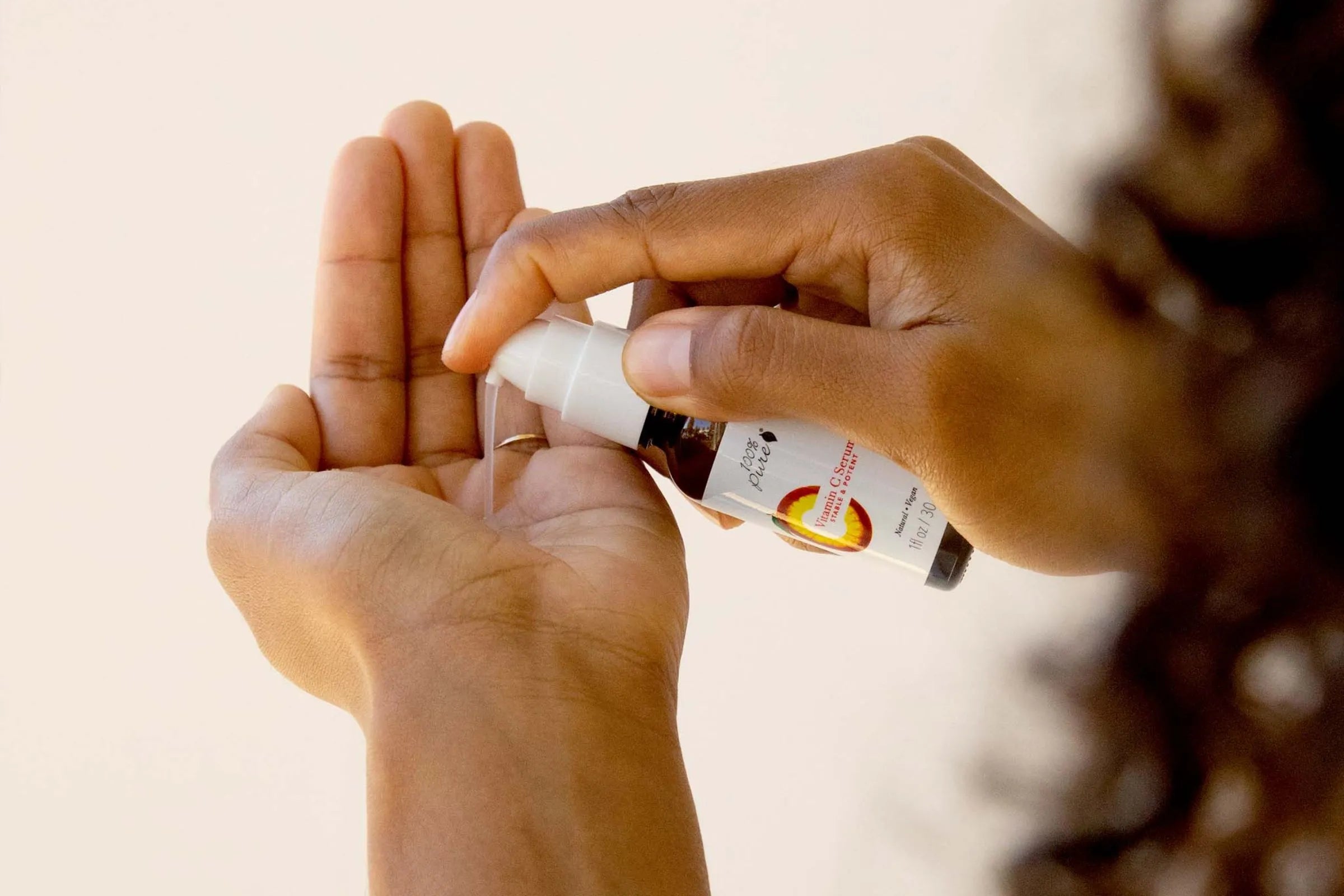
- Utilize a pea-sized amount of serum.
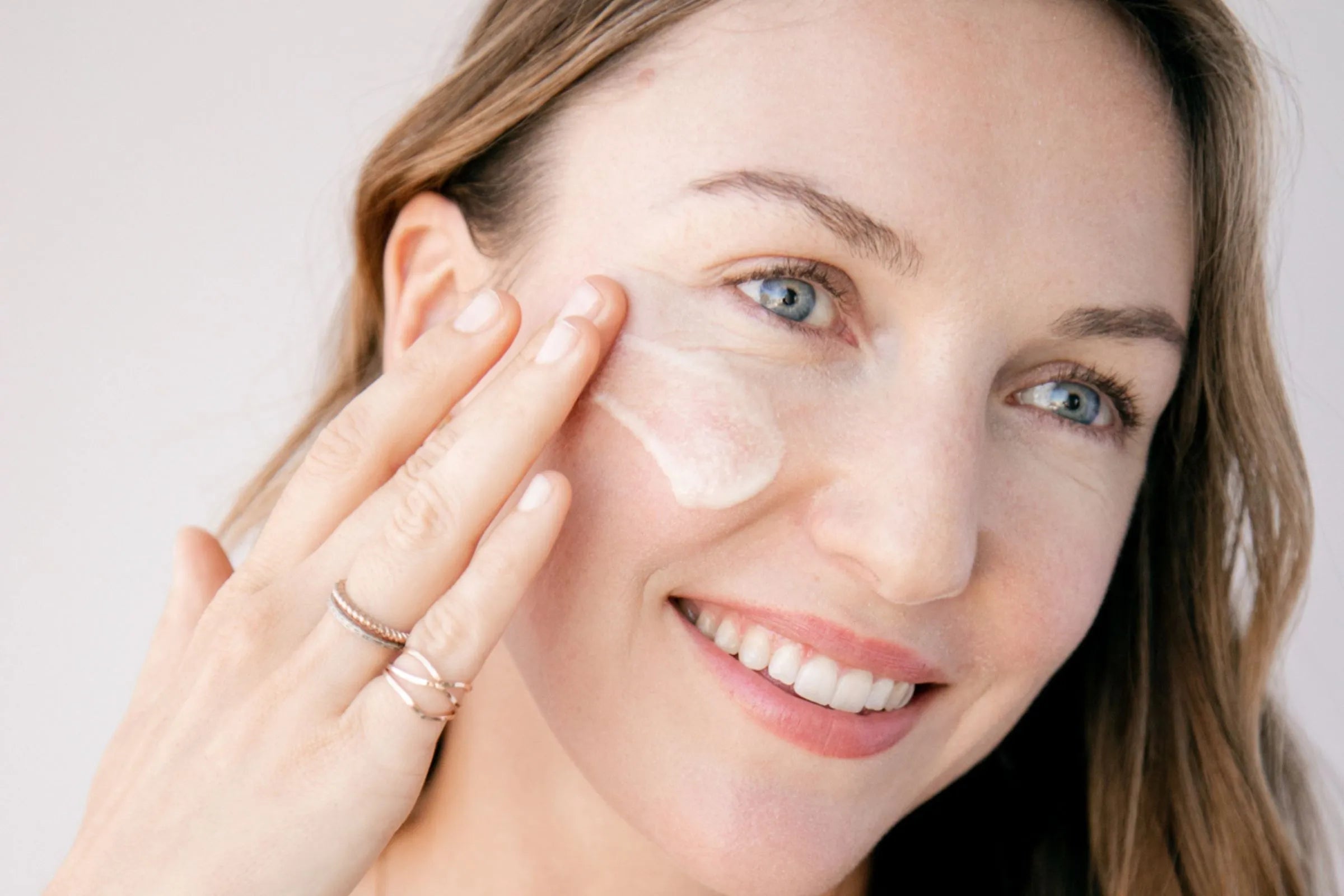
- Gently pat the serum into your skin.
- Allow a few minutes for full absorption before applying additional products.
Enhancing Vitamin C Efficacy by Combining with Other Ingredients
Vitamin C works harmoniously with ingredients such as hyaluronic acid, peptides, vitamin E, and niacinamide (found in products like Mushroom Peptides Firming Serum). These combinations not only enhance hydration but also boost collagen production, provide antioxidant protection, and contribute to a more even skin tone, resulting in a more radiant and firmer complexion.
However, certain ingredients should be approached with caution when used alongside vitamin C. Retinoids, AHAs/BHAs, and benzoyl peroxide can lead to irritation or diminish the effectiveness of vitamin C if not applied correctly. To mitigate this, consider alternating between AM and PM routines or using them at different times to achieve optimal results.
Tailoring Vitamin C Usage to Your Specific Skin Type
For Sensitive Skin
If you have sensitive skin, it’s advisable to start with milder vitamin C derivatives like Sodium Ascorbyl Phosphate (SAP). Avoid high concentrations of L-Ascorbic Acid (LAA), as they may irritate the skin. These gentler options still provide effective antioxidant protection and brightening without the risk of sensitivity.
For Oily or Acne-Prone Skin
Individuals with oily or acne-prone skin will find SAP to be a beneficial choice. It aids in reducing breakouts and post-acne marks while being stable and less irritating compared to other forms of vitamin C.
For Dry or Aging Skin
If your skin is dry or mature, opt for oil-based forms like Tetrahexyldecyl Ascorbate (THDA). These penetrate deeply, providing intense hydration. Pair these with hydrating products, such as moisturizers or facial oils. For an extra boost of radiance, incorporate the Vitamin C Glow Max Bright Mask weekly to enhance your skin’s luminosity.
Anticipating Results: What to Expect and When
Short-Term Results (2–4 weeks)
Within the first few weeks, you can expect to see a brighter complexion and improved hydration as vitamin C begins to take effect on your skin.
Mid-Term Results (4–8 weeks)
After a month or two, signs of hyperpigmentation should begin to fade, and fine lines will appear less pronounced due to enhanced collagen production.
Long-Term Results (12+ weeks)
Over a few months, you will likely notice significant improvements in skin firmness, a more even skin tone, and a smoother texture, which will ultimately contribute to a youthful and rejuvenated appearance.
Incorporate Vitamin C into Your Routine Today
Vitamin C is a clinically validated powerhouse that provides real, visible results when used consistently. By integrating targeted products such as 100% PURE’s Vitamin C Serum, Vitamin C Glow Max Bright Mask, and Multi-Vitamin + Antioxidants Potent PM Serum, you can effectively brighten, protect, and repair your skin, achieving a smoother, more radiant complexion for long-lasting transformation.
Your Frequently Asked Questions About Vitamin C
What are the primary benefits of vitamin C serums for facial skin?
Vitamin C serums are instrumental in brightening the complexion, diminishing pigmentation, enhancing collagen production, and protecting the skin from free radicals. They also improve skin texture, reduce fine lines, and elevate overall skin radiance.
Is it safe to use vitamin C serum daily?
Absolutely, you can use vitamin C serum every day. For most individuals, it is most effective when applied in the morning for added sun protection, but it can also be beneficial at night for repair. If you’re new to vitamin C, start slowly to ensure your skin tolerates it well.
Which vitamin C serum is best for sensitive skin?
For those with sensitive skin, milder derivatives such as Sodium Ascorbyl Phosphate (SAP) or Magnesium Ascorbyl Phosphate (MAP) are recommended. These gentler options provide antioxidant protection and brightening effects without causing irritation.
Where should vitamin C serum fit in my skincare routine?
Vitamin C serum should be applied following cleansing and before moisturizing. If you are using multiple serums, apply vitamin C first to ensure it is absorbed effectively.
Is jojoba oil an effective follow-up to vitamin C serum?
Yes, jojoba oil can be an excellent follow-up after applying vitamin C serum. It helps to lock in moisture and provides additional hydration, balancing the skin after the serum. Its soothing properties make it particularly beneficial for individuals with dry or sensitive skin.
