


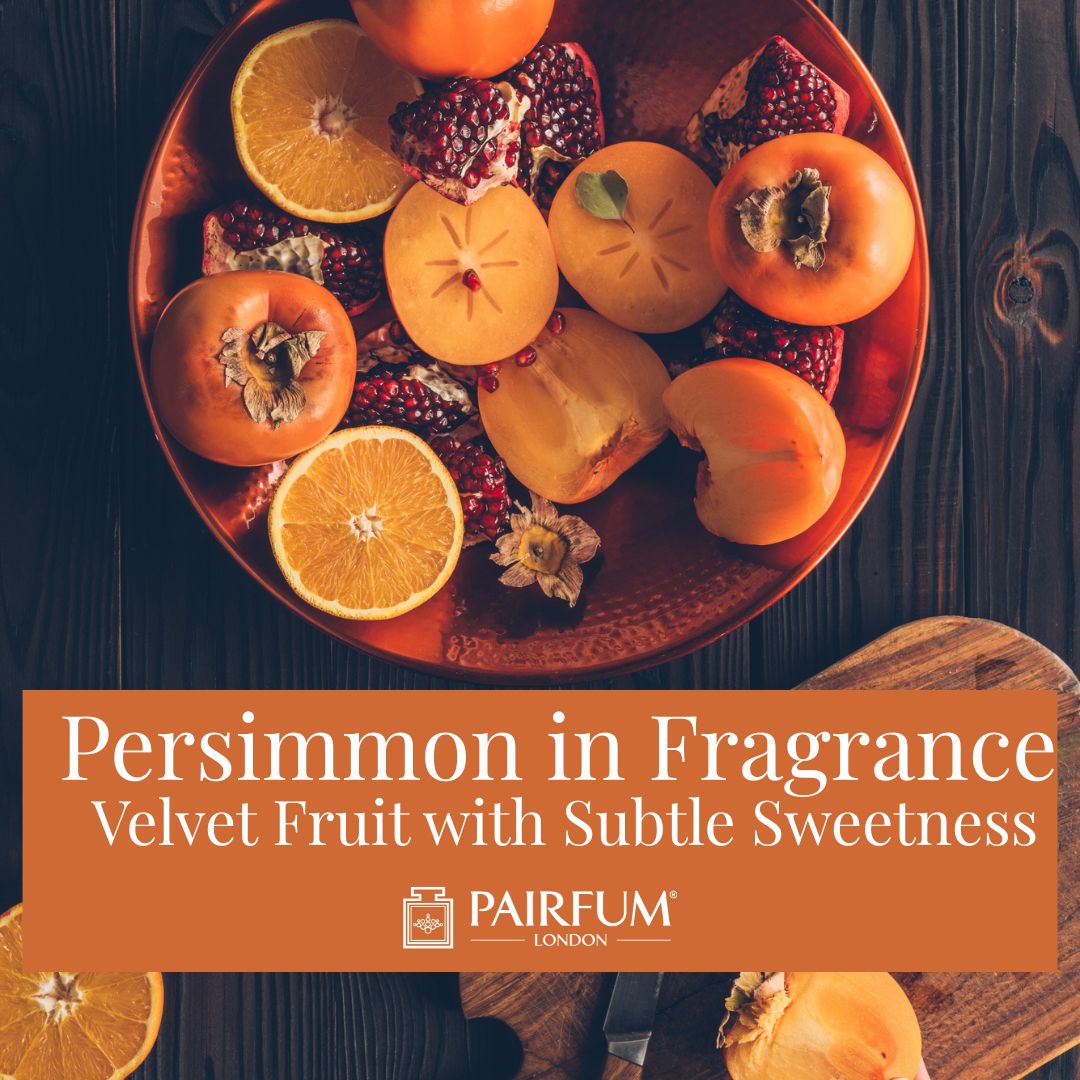
“`html
Key Insights
- Fruit Description: A persimmon is an orange fruit from the Diospyros genus, known for its sweet flavor and jelly-like texture when ripe.
- Fragrance Characteristics: In perfumery, persimmon offers a subtle sweetness that complements colder months, providing warmth without overwhelming scents.
- Botanical Background: The persimmon tree, primarily Diospyros kaki, is slow-growing and adaptable to cooler climates, often valued for its aesthetic appeal.
- Usage Varieties: Persimmons can be consumed fresh, dried, or incorporated into various dishes, enhancing both flavor and cultural traditions.
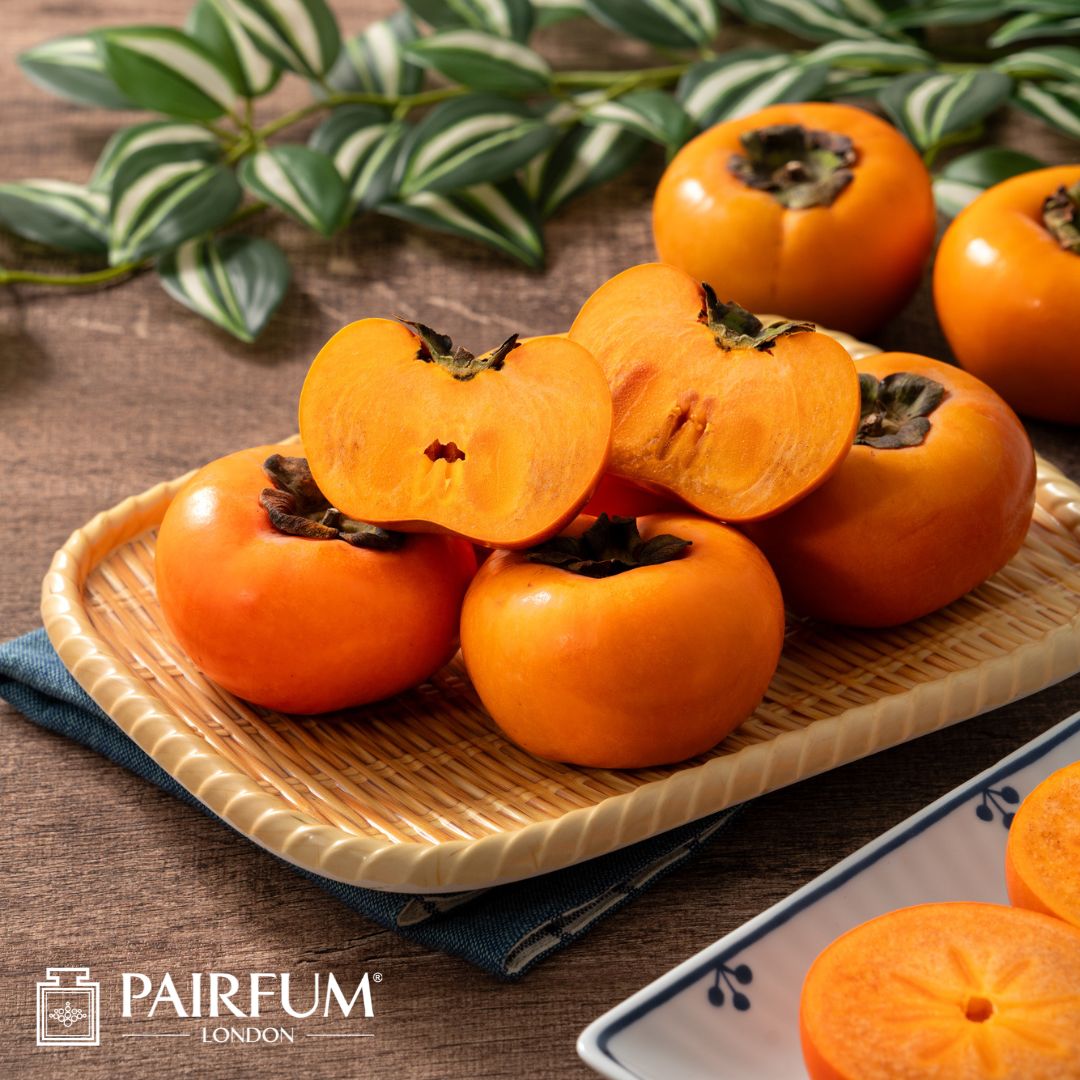
A persimmon is a sweet, edible orange fruit from the Diospyros genus, frequently referred to as kaki or Sharon fruit, known for its honey-like flavour and jelly texture when ripe (though firm varieties also exist). Popular in winter, these fruits are rich in fibre, minerals, and vitamins (like beta-carotene), with different types eaten firm (like an apple) or soft (scooped with a spoon). Their skin and flesh are usually edible, often exhibiting brown specks (resulting from tannins) when ripe.
Persimmon is not an obvious perfume note. Most people do not think of fruit like this when they think about fragrance. Still, it quietly fits colder months. As winter approaches and the air changes, scent choices tend to shift. Heavier, softer, less bright. This is where persimmon begins to make sense.
It is not sugary. It is not loud. Persimmon brings a light sweetness and a smooth feel that stays close to the skin. It supports a fragrance rather than taking over. In autumn and winter, persimmons contribute to a sense of comfort that feels familiar rather than dramatic.
In the sections below, we look at how persimmons entered perfumery, how the persimmon tree is grown and classified, and why this fruit works so naturally in both personal fragrance and the persimmon home.
Botanical Origins and the Persimmon Tree
The persimmon belongs to the genus Diospyros, which includes many trees and shrubs. Some of these species are also known for ebony wood. The most widely grown persimmon is Diospyros kaki. It is often called the Japanese persimmon, or simply kaki. This fruit originated in China and later spread to Japan and South Korea, where it became part of everyday life.
A persimmon tree is deciduous and slow-growing. Most reach between five and ten metres. The tree develops broad leaves that protect the fruit as it ripens. Its roots run deep, which helps it tolerate cooler conditions. Many people plant the tree for appearance as much as for fruit.
In late winter, bare branches holding bright orange persimmons are a familiar sight in parts of Asia. The persimmon leaf has also been used traditionally, particularly in teas and food wrapping. The aroma is mild. The use is practical. Simple.

Species, Types, and Geographic Spread
There are several persimmon species grown around the world, though Diospyros kaki dominates commercial production. The American persimmon, also called the common persimmon, is native to the eastern United States and parts of North America. For native Americans, this fruit was important. It was eaten ripe. It was sometimes fermented. It did not go to waste.
Persimmons grow best in temperate regions. Today, they are cultivated across southern Europe, the United States, South Africa, and parts of South America. Once established, the tree is relatively low-maintenance.
Coverage in publications such as the Los Angeles Times has noted how persimmons are appearing more often at local market stalls. Seasonal fruit is having a moment again.
The Asian Persimmon and Seasonal Ripening
The Asian persimmon is scientifically described as persimmon diospyros kaki. You may also see it shortened to d kaki. It comes from regions where tropical trees grow alongside temperate plants. While not fully tropical, it shares traits with tropical trees, including broad leaves and a need for warm summers.
Fruit development usually begins in early fall. At this stage, the unripe fruit often contains high levels of tannin. The colour is bright. The flesh is firm. Sweetness comes later. Variety choice and timing matter, especially when the fruit is being interpreted for fragrance.
Varieties, Tannin, and Ripeness
Tannin defines how persimmons behave. An astringent persimmon, such as the hachiya persimmon, contains soluble tannin when firm. Eaten too early, it is unpleasant. Fully ripe, it becomes soft and sweet as the tannin changes.
A non astringent persimmon like fuyu persimmons can be eaten while still firm. The flavour is mild. Slightly sweet. Often compared to an apple with honey notes. Sharon fruit, developed by Israeli growers, is a seedless kaki variety created to reduce astringency and improve consistency for export.
Each persimmon variety creates a different sensory experience. That difference matters when the fruit is recreated in scent.

Nutritional Composition and Texture
Persimmons are a nutrient-rich fruit. They provide vitamin A, which supports vision and immune health, along with vitamin C and manganese.
Fibre is one of the reasons persimmons feel satisfying. This fibre slows sugar release and supports digestion. A single fruit can provide a noticeable amount of daily fibre.
Research has identified antioxidants in persimmons, including carotenoids and flavonoids. These are found in both flesh and peel. When fully ripe, the texture becomes soft and custard-like. Almost a dessert, even without preparation.
Culinary and Cultural Uses
Persimmons are eaten fresh, dried, baked, and used in desserts. In Japan and South Korea, dried persimmons are a traditional winter food, often served with tea. Drying intensifies the flavour and changes the texture.
In Western cooking, persimmons appear in baking, salads, and preserves. Their sweetness works well with spices such as cinnamon, as well as dairy and grains. These traditions connect persimmons with comfort and domestic life.
Fresh vs Dried: How Persimmon Shows Up in Fragrance
Persimmon appears in fragrance in two main forms. Fresh persimmon notes are light and softly fruity. They sit somewhere between pear and apricot. They are used to soften an opening rather than define it.
Dried persimmon notes feel warmer. Deeper. They suggest baked fruit and gentle sweetness. These accords suit autumn and winter and tend to appear later as the fragrance settles.
Some perfumers combine both impressions. The scent changes slowly. Naturally.
How Perfumers Recreate Persimmon
Persimmon does not produce an essential oil. Its scent is built instead through accords. The goal is not realism; it is mood.
Soft fruit notes are blended with woods, musks, and restrained spice. Cinnamon appears occasionally, used carefully. Too much would overwhelm the idea.
The persimmon accord supports the structure of the fragrance. It does not ask for attention.
Iconic and Niche Perfumes Featuring Persimmon
Persimmon is still uncommon in perfumery. When it appears, it is usually in balanced compositions. Persimmons are paired with tea, woods, or amber to create calm and continuity.
Persimmon also appears in home fragrance. In the persimmon home, the note adds warmth without weight. It works quietly in shared spaces.
Iconic Fragrances Featuring Persimmon
Rouge by Comme des Garçons
Uses persimmon with beetroot and woods to create an earthy fruit impression.
Amour by Kenzo
Introduces persimmon early, adding warmth to rice, vanilla, and musks.
Green Tea Yuzu by Elizabeth Arden
Uses persimmon to soften citrus and support the tea accord.
Rich Spices by Pairfum London
This composition opens with pomegranate and cranberry, moves into chestnut, nutmeg, cinnamon, and clove, and settles into vanilla pods, dried figs, dates, and persimmons.
Why Persimmon Fits the Season
As winter settles in, fragrance choices often change. Persimmon fits this moment. It softens wood, it rounds spices, and it adds warmth without heaviness. The effect is subtle. Reassuring. It stays close to the skin.
Persimmon in the Modern Market
Persimmons are now firmly part of the global market. Across Europe, the United States, and South Africa, they appear reliably during colder months. The word persimmon also appears outside food and fragrance. References such as housebuilder Persimmon have made the name familiar in everyday life.
Persimmon in Pairfum London Home Fragrances
Rich Spices – Snow Crystal Fragranced by Pairfum London
This aromatic blend opens with pomegranate and cranberry, moves through chestnut, nutmeg, cinnamon, and clove, and rests on vanilla pods, dried figs, dates, and persimmons.

A Velvet Fruit for Winter
Persimmons occupy a quiet place among fruit notes. They are gentle, warm, and comforting. Whether experienced as fresh persimmon, dried fruit, or a carefully constructed fragrance accord, persimmons appeal through restraint. In winter, that restraint matters. Readers interested in botanical ingredients, seasonal fruit, and scent culture may wish to explore related articles to see how plants and trees continue to shape modern fragrance.