


Vitamin C, a powerhouse ingredient in skincare, is renowned for its remarkable ability to brighten skin, enhance collagen production, and shield the skin from environmental damage. Its popularity was recently highlighted at the 2024 Medical Spa Show, where it was a prominent topic of discussion among skincare professionals. However, amidst its acclaim, there are some concerns regarding its use. Whether you’re a seasoned esthetician, a dermatologist, or simply a skincare aficionado, you may have encountered the notorious issue of vitamin C acid burn. This condition can deter many from fully embracing this beneficial ingredient, so it’s essential to understand it better.
So, what exactly is vitamin C acid burn? Certain formulations of vitamin C, especially those used daily, may lead to discomfort characterized by a burning or stinging sensation. This discomfort can also manifest as redness and warmth on the skin, indicating irritation. This reaction arises when topical vitamin C triggers a neural response in your skin. Essentially, your skin interprets the application of low pH products as a potential threat, hence its warning signs. Despite this downside, there’s no need to abandon vitamin C; let’s delve deeper into its potential.
Unlocking the Numerous Benefits of Vitamin C in Your Skincare Regimen
Incorporating a topical vitamin C serum into your daily skincare routine can significantly enhance your skin’s barrier function and overall health. Here’s a closer look at the most compelling advantages of vitamin C:
- Brightens Skin Tone
- Considered one of the most celebrated benefits, vitamin C effectively diminishes pigment production, resulting in a brighter complexion.
- Boosts Collagen Production
- This remarkable ingredient not only safeguards existing collagen by inhibiting the enzymes that typically break it down, but it also facilitates the production of healthier collagen.
- Protects Against Environmental Damage
- The potent antioxidant properties of vitamin C neutralize harmful free radicals, providing essential protection against UV radiation, pollution, and other environmental stressors.
- Enhances Skin Hydration
- Vitamin C also exhibits moisturizing properties, contributing to increased hydration levels and plump, youthful-looking skin.
Decoding Vitamin C Sensitivity: Understanding the Burning Sensation
Let’s explore the underlying causes of the painful burning and stinging sensations associated with vitamin C and how you can effectively address them!
Identifying the Causes of Vitamin C Burn or Sting
The burning sensation linked to vitamin C application can typically be traced back to three primary factors:
- Extremely Low pH Levels. Formulations with low pH levels, typically ranging from 2.5 to 3.5, may irritate the skin. Such acidity can compromise your skin’s barrier, increasing the likelihood of stinging, particularly for those with sensitive skin.
- High Concentrations of Ascorbic Acid. To achieve efficacy in skincare, vitamin C serums generally need a minimum concentration of 8%. However, at concentrations around 22%, skin absorption decreases significantly. Many serums that induce stinging often combine low pH levels with high amounts of ascorbic acid, a small molecule that can easily penetrate the skin and disrupt its natural pH balance.
- Compromised Skin Barrier or Recent Use of Actives. Individuals using active ingredients, such as retinol or exfoliating acids, or those with a compromised skin barrier, are more susceptible to experiencing stinging sensations. The skin undergoes significant turnover when using these actives, resulting in a raw, exposed layer that lacks sufficient protective lipids against low pH products, potentially leading to increased inflammation.
Don’t Give Up: Effective Solutions for Vitamin C Sensitivity
Experiencing vitamin C acid burn doesn’t mean you have to eliminate this beneficial ingredient from your routine. There are effective strategies to enjoy the benefits of vitamin C without the discomfort. Let’s explore some options.
- What to Avoid
- Low-pH Products – These can contribute to long-term inflammation in the skin, accelerating signs of aging and increasing pigmentation. Always opt for formulations with a pH range of 5.0 to 5.8. Reputable brands should provide pH information if it’s not readily available.
- Steering Clear of the No-Pain-No-Gain Philosophy – Unlike retinol, the presence of pain (such as stinging) is not an indicator of vitamin C efficacy; rather, it often signals irritation.
- Avoid Vitamin C Sandwiching – While layering retinol between moisturizers can mitigate dryness and irritation, the same approach for vitamin C can hinder the effectiveness of ascorbic acid instead of minimizing side effects.
- What to Embrace
- Seek Stable Alternatives – Numerous forms of vitamin C exist in skincare, and your choice significantly impacts your experience. If you’re dealing with vitamin C acid burn, it may be time to investigate more stable formulations that suit your skin type.
Discovering Stable Vitamin C: Your Guide to Safe Use
Finding a stable vitamin C formulation is crucial in preventing acid burn, but what does it mean for a vitamin C product to be considered stable?
Understanding the Concept of “Stable Vitamin C”
A “stable” vitamin C refers to a product’s ability to retain its effectiveness over time, even when exposed to air, light, and varying temperatures. A stable vitamin C formulation maintains its potency longer, is less susceptible to oxidation, and often includes additional ingredients that enhance its overall efficacy.
If you’ve noticed your white or beige serum changing to yellow or light brown, this indicates instability and oxidation, meaning you’re not receiving the full spectrum of its intended benefits.
However, it’s essential to remember that all skincare ingredients, including the most stable vitamin C serums, have a shelf life. Be sure to use your product before it loses its efficacy!
The Importance of Vitamin C Formulation
While navigating through vitamin C treatments may seem overwhelming, understanding the various formulations is vital, as they can significantly influence stability, effectiveness, and overall performance. Factors such as active versus inactive forms of vitamin C, pH values, additional ingredients, texture, scent, and overall user experience can profoundly affect how your skin responds to a particular product.
What Sets Vitamin C&E Treatment Apart?
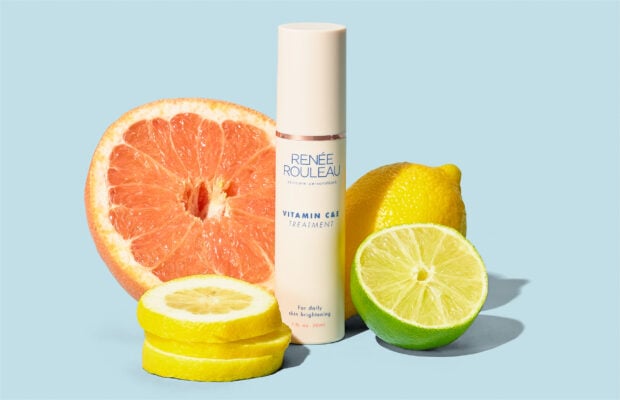
The unique advantage of Vitamin C&E Treatment lies in its formulation, which utilizes lower concentrations of ascorbic acid paired with a more skin-friendly pH. By incorporating both lipid-soluble and water-soluble forms of vitamin C, this serum delivers potent antioxidant protection deep within the epidermis.
Containing tetrahexyldecyl ascorbate (THD), this skin-brightening cream offers a slower release time compared to water-soluble molecules, resulting in a prolonged period of active vitamin C with diminished risk of irritation. If you’re seeking all the benefits of vitamin C without the unpleasant burn, this best-selling product is an excellent choice.
Your Essential Guide to Selecting Stable Vitamin C Products
Feeling daunted by the multitude of vitamin C products available? Don’t be! Here are some practical tips to help you navigate the selection process and find the serum that’s right for you.
Ingredient Analysis
When considering common forms of vitamin C found in skincare, four options stand out: L-ascorbic Acid, Sodium Ascorbyl Phosphate, Ascorbyl Methylsilanol Pectinate, and Tetrahexyldecyl Ascorbate. Here’s a breakdown of their characteristics:
- L-ascorbic Acid: Although this ingredient is a classic choice, it may not be the most reliable option for antioxidant protection. As the only active form of vitamin C, L-ascorbic acid is highly unstable and tends to react with various environmental factors, leading to oxidation before it effectively penetrates the skin.
- Sodium Ascorbyl Phosphate: This option is particularly beneficial for acne-prone skin, as it has been shown to help improve breakouts, though it can still exhibit reactivity.
- Ascorbyl Methylsilanol Pectinate: This formulation is a complex blend of multiple compounds, showcasing improved delivery into the skin while also strengthening cell membranes.
- Tetrahexyldecyl Ascorbate: A personal favorite and a key ingredient in Vitamin C&E Treatment, this oil-soluble form of vitamin C remains stable until it contacts the oils in your skin, offering 20 times greater penetration than ascorbic acid!
Why Packaging is Crucial
As previously mentioned, vitamin C serums can be extremely unstable, sensitive to light, heat, air, water, and metals. Therefore, the right packaging plays a vital role in maintaining product integrity.
Vitamin C products should ideally be stored in opaque or tinted bottles that shield the serum from light exposure, as UV light can cause degradation and loss of effectiveness. Additionally, an airless pump is recommended to minimize air exposure, helping to keep the serum fresh for an extended period. Such packaging also reduces the risk of contamination, ensuring the product delivers the desired effects on your skin.
Effective Vitamin C Application Techniques for Optimal Results
If you’re eager to embark on your journey to find the ideal vitamin C product but are concerned about potential side effects, here’s how to get started safely!
Begin with Patch Testing
Finding the perfect vitamin C formulation for your skin may require some experimentation, but you don’t have to compromise your skin barrier in the process. I always recommend performing a patch test before fully incorporating a new product. Apply a small amount of vitamin C to your neck, where the skin is particularly sensitive, to identify any potential negative or allergic reactions before applying it to your face. This simple step can help you narrow down which products or ingredients are suitable for your skin.
In summary, while vitamin C is widely celebrated for its ability to brighten skin, enhance collagen production, and protect against environmental stressors, some individuals may experience the unpleasant vitamin C acid burn. This burning sensation can stem from factors such as low pH levels, high concentrations of ascorbic acid, or a compromised skin barrier. However, understanding the sources of sensitivity and opting for stable formulations allows you to incorporate vitamin C into your skincare routine effectively and comfortably. With the right approach, vitamin C can become a valuable ally in promoting healthier, more radiant-looking skin.
I hope you found this information insightful! As always, #obeyrenee

Celebrity Esthetician & Skincare Expert
As an esthetician trained in cosmetic chemistry, Renée Rouleau has spent 30 years researching skin, educating her audience, and building an award-winning line of products. Her hands-on experience as an esthetician and trusted skin care expert has created a real-world solution — products that are formulated for nine different types of skin so your face will get exactly what it needs to look and feel its best. Trusted by celebrities, editors, bloggers, and skincare obsessives around the globe, her vast real-world knowledge and constant research are why Marie Claire calls her “the most passionate skin practitioner we know.”
!function(f,b,e,v,n,t,s)
{if(f.fbq)return;n=f.fbq=function(){n.callMethod?
n.callMethod.apply(n,arguments):n.queue.push(arguments)};
if(!f._fbq)f._fbq=n;n.push=n;n.loaded=!0;n.version=’2.0′;
n.queue=[];t=b.createElement(e);t.async=!0;
t.src=v;s=b.getElementsByTagName(e)[0];
s.parentNode.insertBefore(t,s)}(window,document,’script’,
‘https://connect.facebook.net/en_US/fbevents.js’);
fbq(‘init’, ‘466707850347066’);
fbq(‘track’, ‘PageView’);