


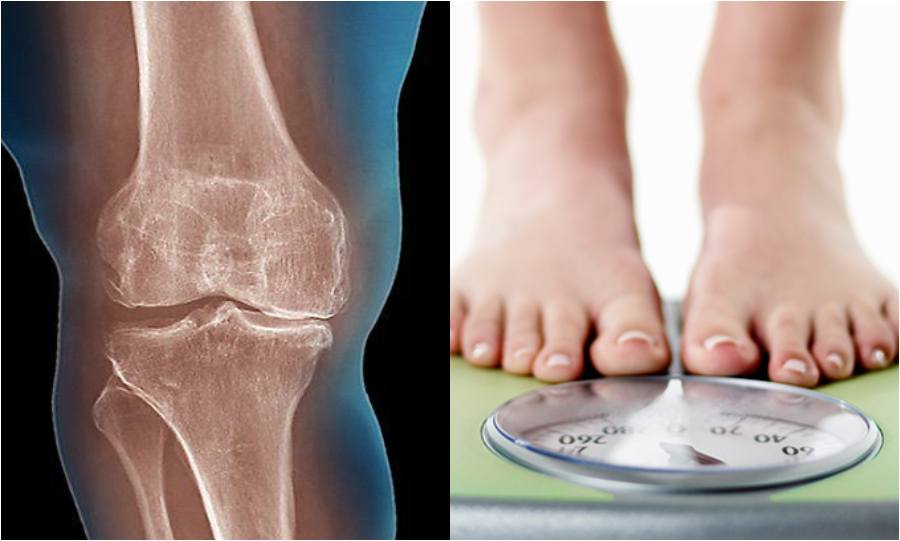
Shedding unwanted body weight provides a multitude of incredible benefits that extend far beyond merely fitting into smaller-sized clothing. Health experts highlight that effective weight loss strategies significantly reduce the risk of developing obesity-related health issues, including hypertension, elevated LDL cholesterol levels, type 2 diabetes, strokes, and coronary artery disease. Additionally, one notable benefit of weight loss is its role in preventing and alleviating the symptoms of knee osteoarthritis. Research indicates a robust connection between obesity and joint pain, revealing that being overweight increases the likelihood of developing osteoarthritis by fourfold in women and fivefold in men. This relationship can be understood as increased weight correlates directly with heightened pressure on joints, particularly the knees. Studies demonstrate that for every 5 kg of weight gained, there is an approximate 36% increase in the risk of developing knee osteoarthritis. The underlying mechanism involves the deterioration of cartilage in the knee joint, which serves as a protective cushion between bones. As this cartilage wears away, the bones may begin to grind against each other, resulting in inflammation, pain, swelling, and stiffness. Notably, individuals with a Body Mass Index (BMI) exceeding 30 face a sevenfold increase in the risk of developing osteoarthritis. So, can shedding excess weight alleviate knee arthritis symptoms? Can a reduction in overall body weight relieve pressure on the joints and reduce inflammation? Let’s explore these questions in depth:

Understanding the Mechanism of Knee Osteoarthritis
Knee osteoarthritis is classified as a degenerative condition that profoundly impacts the knee joint, making it one of the most prevalent forms of arthritis affecting individuals today. This condition can also manifest in other joints, including the hips, hands, spine, shoulders, wrists, and elbows. The onset of knee osteoarthritis occurs when the protective cartilage that cushions the ends of the bones within the knee joint gradually deteriorates over time. As this critical cartilage diminishes, the bones may start to come into direct contact with one another, leading to increased pain, swelling, stiffness, and inflammation. This deterioration not only affects mobility but also severely impacts the quality of life for those suffering from this condition, necessitating effective management strategies.
The Impact of Weight Loss on Knee Osteoarthritis Pain Relief
Absolutely! Engaging in weight loss can significantly alleviate knee pain associated with osteoarthritis. The encouraging news is that for every pound of weight lost, there is a remarkable fourfold reduction in the pressure exerted on the knee with each step taken. This means that even modest weight loss can lead to substantial relief from symptoms such as stiffness, swelling, and painful joints. A pivotal study published in an esteemed arthritis journal demonstrated that overweight individuals who managed to lose just one pound experienced a reduction of four pounds of pressure from their knees. Consequently, if an individual were to lose approximately 4.5 kg, they could relieve their knees of an astonishing 18 kg of pressure! This compelling evidence underscores the importance of weight loss as a critical component in managing knee osteoarthritis.

In addition, a study featured in the journal Arthritis Care and Research revealed that individuals with knee osteoarthritis who were also overweight reported experiencing less pain and inflammation, along with improved knee function when they successfully lost weight. Furthermore, those who managed to shed 20% or more of their body weight achieved an impressive 25% reduction in osteoarthritis symptoms. This points to the undeniable connection between weight management and effective symptom management for those suffering from knee osteoarthritis.
It is widely acknowledged that reducing overall body weight, combined with an increase in physical activity, provides significant relief from the symptoms of knee osteoarthritis. Regular exercise serves to strengthen the muscles that support the joints, thereby reducing pain and enhancing physical function. This holistic approach to managing knee osteoarthritis symptoms emphasizes the importance of weight loss and physical activity as foundational elements in treatment.
Consequently, weight loss is consistently recommended as a primary intervention to both prevent and alleviate the symptoms associated with knee osteoarthritis. Alongside other treatment options such as medication, knee braces, and physical therapy, weight loss emerges as a highly effective recommendation. Moreover, if individuals can achieve weight loss through a nutrient-dense diet, it can further aid in alleviating osteoarthritis symptoms, bringing a host of additional health benefits.
Consuming the right nutrients from various foods can play a crucial role in combating inflammation and promoting the health of cartilage. A multitude of foods exists that not only support weight loss but also positively influence knee osteoarthritis.
For instance, dietary fiber is known to lower the risk of symptomatic osteoarthritis by reducing inflammation in the body. Foods such as soy-based products, including tofu and tempeh, are rich in protein, fiber, and healthy fats, which can significantly benefit individuals with osteoarthritis by helping to diminish symptoms. Seeds, like sesame, contain a compound called “sesamin,” which is known for its protective properties for knee cartilage. Additionally, you may want to explore “10 High-Protein Breakfast Ideas For Weight Loss” for versatile meal options.
Antioxidants found in fruits such as blueberries, strawberries, red cabbage, beans, and spinach combat oxidative stress and help shield the joints from further damage. Omega-3 fatty acids, prevalent in fish, seeds, and nuts, are renowned for their anti-inflammatory properties. Furthermore, olive oil contains oleocanthal, a compound that mimics the anti-inflammatory effects of ibuprofen, a common medication used to treat inflammatory conditions like osteoarthritis, while also providing cardiovascular benefits. Foods rich in vitamin C, such as oranges, broccoli, strawberries, peppers, and other citrus fruits, contribute to collagen and connective tissue formation, which is essential for joint health. Many foods, including berries, broccoli, avocados, mushrooms, turmeric, and cherries, exhibit strong anti-inflammatory properties, while green leafy vegetables are packed with carotenoids that help combat inflammation. Fruits like apples contain quercetin, a compound with potent antioxidant activity.
Pineapple stands out as a unique fruit containing bromelain, an enzyme known for its powerful proteolytic activity that aids in reducing swelling and inflammation of the knee caused by osteoarthritis. Additionally, consider exploring “6 Best Fruits To Eat As Snacks For Weight Loss” to discover more nutritious options.
If you’re focused on achieving weight loss goals, and wish to do so through a consumption of nutrient-dense foods, consider subscribing to the diet plans available on the Rati Beauty app. Download the app now for further details and guidance.
In conclusion, the answer to the earlier question is a resounding yes: losing weight is indeed effective in alleviating the symptoms associated with knee osteoarthritis and plays a vital role in preventing the development of this inflammatory disorder as individuals age.
10 High-Protein Breakfast Ideas For Weight Loss
6 Best Fruits To Eat As Snacks For Weight Loss
!function(f,b,e,v,n,t,s)
{if(f.fbq)return;n=f.fbq=function(){n.callMethod?
n.callMethod.apply(n,arguments):n.queue.push(arguments)};if(!f._fbq)f._fbq=n;n.push=n;n.loaded=!0;n.version=’2.0′;n.queue=[];t=b.createElement(e);t.async=!0;t.src=v;s=b.getElementsByTagName(e)[0];s.parentNode.insertBefore(t,s)}(window, document,’script’,’https://connect.facebook.net/en_US/fbevents.js’);fbq(‘init’, ‘175059706376017’);fbq(‘track’, ‘PageView’);