


Navigating the vast world of skincare products can feel like an overwhelming challenge due to the sheer volume of options available. With an assortment of items like serums, toners, and creams, each claiming to restore, rejuvenate, and revitalize our skin, it can be difficult to know which ones truly deliver results. Yet, among these many ingredients, one consistently shines through for its remarkable effectiveness: Vitamin C.
Beyond its well-known role in supporting our immune system and warding off colds, Vitamin C holds a celebrated place in skincare. It is recognized for its powerful antioxidant abilities, which help neutralize the damaging effects of free radicals. This vital nutrient plays an essential role in maintaining skin health and ensuring a youthful and vibrant appearance.
The transformative powers of Vitamin C in achieving a radiant, youthful, and healthy complexion are truly impressive. In this article, we will explore the numerous ways this essential vitamin enhances skincare, reinforcing its role as an indispensable component of every effective skincare routine.
What You Need to Know About Vitamin C in Skincare
Vitamin C, scientifically referred to as ascorbic acid, is a water-soluble vitamin crucial for maintaining overall health. Since our bodies are incapable of producing this essential nutrient independently, it is vital to obtain it through our diet or supplements. Rich sources of Vitamin C include citrus fruits, strawberries, bell peppers, and broccoli, making this antioxidant vitamin integral for various bodily functions.
In terms of bodily functions, Vitamin C is critical for processes such as collagen synthesis, iron absorption, and bolstering immune health. When applied to the skin, its antioxidant properties act as a formidable defense against harmful free radicals, which are unstable molecules that can inflict damage on our cells, including those that make up our skin. By combating these damaging agents, Vitamin C helps prevent premature aging and promotes a radiant, youthful complexion.
Vitamin C is often incorporated into serums, which deliver targeted benefits such as enhancing skin brightness and improving texture. Additionally, Vitamin C-enriched creams work to maintain skin hydration while providing vital antioxidant protection. Masks infused with Vitamin C offer intensive treatments for occasional use, while some innovative sunscreens include this nutrient to enhance sun protection and mitigate UV-induced free radicals. Furthermore, toners and mists containing Vitamin C help balance skin pH levels and rejuvenate the skin. When selecting Vitamin C products, it’s essential to consider your skin type and ensure that the packaging protects against degradation from light and air.

Discover the Amazing Benefits of Vitamin C for Your Skin
Recognized for its numerous health advantages, Vitamin C—also known as ascorbic acid—is particularly famed for its powerful role in strengthening the immune system. Nevertheless, its skin-enhancing properties warrant equal recognition. Brimming with antioxidant properties, Vitamin C not only revitalizes our internal health but also brings a wealth of benefits to our skin. Let’s delve deeper into the extensive advantages that this critical nutrient offers for skin health:
Enhancing Collagen Production for Youthful Skin
Overview: Collagen is a naturally occurring protein that provides our skin with structure, elasticity, and firmness. As we age, collagen production diminishes, leading to the formation of wrinkles and fine lines. Vitamin C plays a crucial role in promoting collagen synthesis, thus helping to maintain the skin’s youthful texture and resilience.
Scientific Evidence: Numerous studies have validated Vitamin C’s influence on enhancing collagen production. For instance, research published in the journal Nutrients emphasizes that ascorbic acid actively contributes to collagen biosynthesis and supports the cellular functions of both dermal fibroblasts and keratinocytes.
Achieving a Brighter Complexion
Overview: A glowing complexion is universally recognized as a sign of healthy skin. Vitamin C is renowned for its capacity to brighten and even skin tone, effectively reducing the appearance of dullness.
Scientific Evidence: Its brightening effects are attributed to its ability to inhibit melanin production within the skin. Research indicates that Vitamin C can significantly decrease melanin formation, helping to diminish dark spots and achieving a more luminous complexion.
Mitigating Hyperpigmentation Issues
Overview: Hyperpigmentation manifests as dark patches on the skin, often resulting from various factors such as sun exposure, hormonal fluctuations, and inflammation. Vitamin C targets the underlying causes of pigmentation production.
Scientific Evidence: A study published in the Journal of Clinical and Aesthetic Dermatology demonstrated that topical application of ascorbic acid can lead to a significant reduction in melanin synthesis, aiding in the fading of pigmented spots.
Shielding Skin from Environmental Damage
Overview: Daily exposure to UV rays and environmental pollution can accelerate the aging process of the skin. Vitamin C acts as a protective barrier, safeguarding skin cells from harmful free radicals and oxidative stress caused by these external aggressors.
Scientific Evidence: The antioxidative properties of Vitamin C are well-supported by scientific research. According to findings published in the Journal of Investigative Dermatology, Vitamin C effectively neutralizes oxidative stress resulting from exposure to UV rays and pollutants, thus preventing premature aging and potential skin damage.
Effective Strategies for Incorporating Vitamin C into Your Skincare Routine
Vitamin C is widely regarded for its antioxidant properties and its significant role in collagen synthesis, making it a highly sought-after ingredient in skincare. To maximize the benefits of this powerful nutrient, it is essential to use Vitamin C products correctly. Below is a comprehensive guide on how to seamlessly integrate Vitamin C into your skincare regimen for optimal results.
1. Selecting the Right Product for Your Skin
- Serums: A Vitamin C serum is one of the most effective ways to deliver this powerful vitamin to your skin. Look for serums that contain L-ascorbic acid, which is the most effective form of Vitamin C, listed among the top ingredients.
- Moisturizers: Certain moisturizers are enriched with Vitamin C and can be ideal for those seeking milder effects or looking to complement the benefits of a serum.
- Sunscreen: Some formulations of sunscreen include Vitamin C to enhance antioxidant protection against UV rays.
2. Gradually Introduce Vitamin C to Your Skin
Vitamin C can be potent, especially for those new to this ingredient. Start with a product that contains a lower concentration (around 10%) to gauge how your skin responds. After a few weeks, you may gradually transition to higher concentrations if desired.
Optimal Timing for Application: Morning vs. Night
- Morning: Vitamin C serves as a powerful antioxidant, making it perfect for daytime application. It combats free radicals from environmental pollutants and UV radiation, providing a protective barrier for your skin. Using Vitamin C in the morning, followed by sunscreen, can significantly enhance your sun protection.
- Night: While Vitamin C is highly effective in the morning, it also offers benefits at night when the skin is actively repairing itself. Applying it during the evening can support the skin’s natural healing processes. If you’re incorporating retinol into your nighttime routine, ensure that both ingredients are compatible or consider alternating their use on different nights.
3. The Proper Order of Application in Your Skincare Routine:
- Cleanse: Start with a gentle cleanser to ensure that your skin is free from dirt and makeup.
- Tone: If a toner is part of your regimen, apply it next. Toners help balance your skin’s pH and prepare it for subsequent products.
- Vitamin C: Apply your Vitamin C product, whether it’s a serum or moisturizer. Using it early in your routine allows for maximum absorption.
- Hydrate: If you’re utilizing a Vitamin C serum, follow it up with a moisturizer to lock in hydration.
- Sun Protection: In the morning, always finish with a broad-spectrum SPF. If your sunscreen lacks Vitamin C, applying it after a Vitamin C serum can provide an additional layer of protection against free radicals.
Stay Updated: Subscribe to Our Newsletter
Receive more blog updates and exclusive discount offers
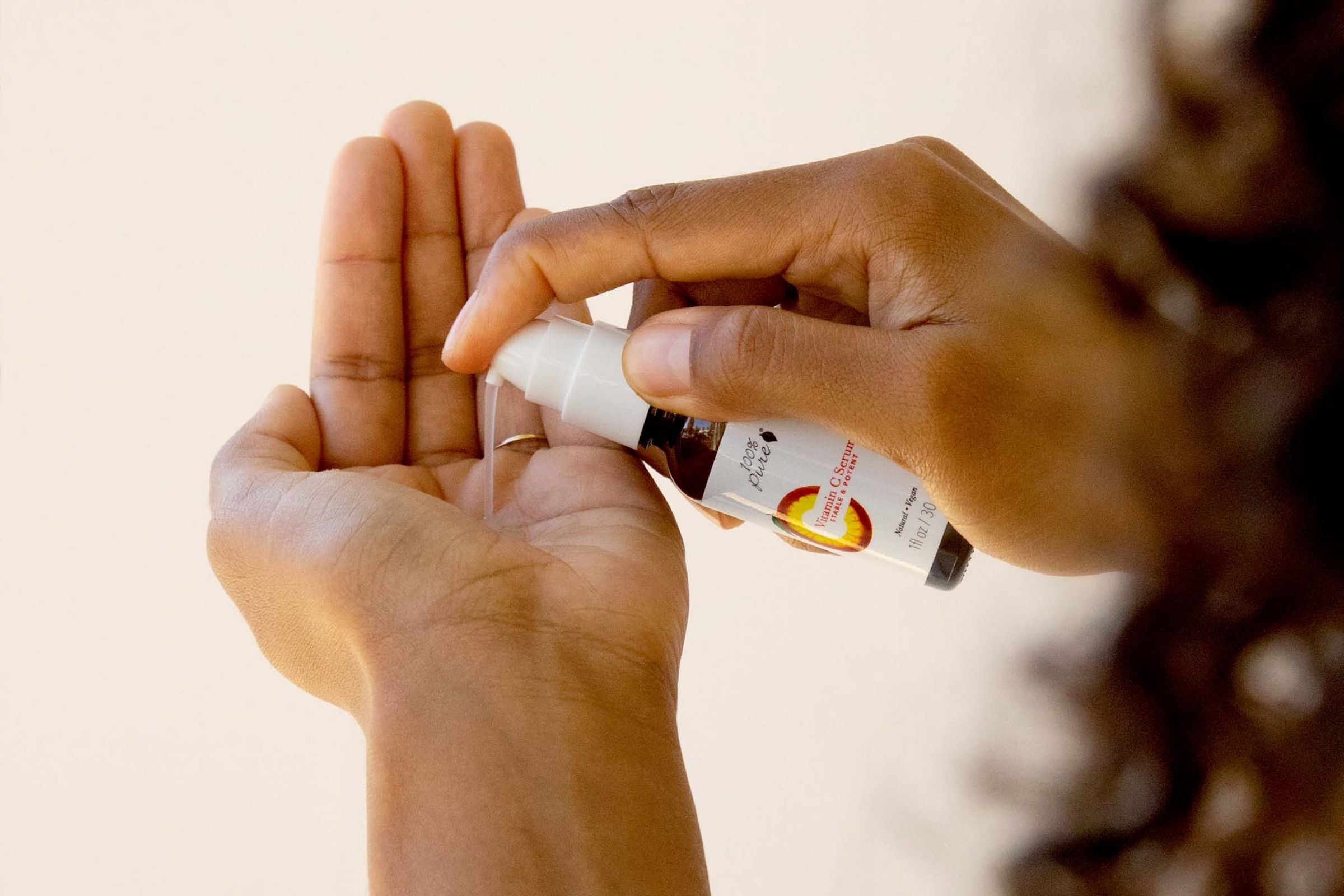
Highly Rated Vitamin C Products from 100% PURE
With its extensive range of benefits, it’s no wonder that many beauty enthusiasts actively seek out top-rated Vitamin C products. Let’s explore some of the best offerings available from 100% PURE:
Vitamin C Serum
This lightweight serum, stabilized with Vitamin C, features a hydrating aloe gel base that not only soothes the skin but also delivers deep nourishment. Tailored for vegan skincare enthusiasts, this natural serum excels in promoting collagen production, which is vital for maintaining skin’s elasticity and firmness. Enhanced with green apple and grape extracts, it boosts the skin’s radiance. Additionally, the inclusion of alpha-lipoic acid (ALA) provides a shield against oxidative damage, a common factor contributing to premature skin aging and discoloration.
Vitamin C Mask
Imagine a mask designed to brighten your skin, packed with a concentrated dose of Vitamin C. This product does just that while actively supporting collagen and elastin production, ensuring enhanced firmness and elasticity. With effective ingredients like fruit enzymes, beet lactic acid, and fermented rice kojic acid, this mask gently exfoliates, revealing a more even skin tone and reducing the appearance of dark age spots. Its primary goal is to revitalize, leaving your skin with a vibrant glow with every application.
18.3% Active Ingredients Vitamin C Glow Max Bright Mask
This transformative product promises noticeable rejuvenation from the very first use. Rich in Vitamin C, it also incorporates age-defying elements such as Bakuchiol, CoQ10, and Vitamin E. Together, these components work synergistically to significantly brighten the skin, boost collagen production, and improve elasticity. Furthermore, this mask effectively reduces the appearance of fine lines and wrinkles while providing deep moisturization and softness.
Multi-Vitamin + Antioxidants Potent PM Serum
This powerful night serum combines stabilized vitamins aimed at reducing the appearance of fine lines and wrinkles. Moreover, it works to enhance firmness, brighten, and even out skin tone. Its unique formulation of Niacinamide and Vitamin C—two well-regarded anti-aging ingredients—sets it apart. While these ingredients are often not combined due to differing pH levels, this serum utilizes Magnesium Ascorbyl Phosphate. This high-quality, stable form of Vitamin C has a pH balance of 6, which aligns perfectly with Niacinamide. This compatibility allows the two vitamins to work together harmoniously, ensuring a restored, youthful glow.
Your Most Common Questions About Vitamin C and Skin Answered
Is it Safe to Use Vitamin C with Other Active Ingredients?
Yes, Vitamin C can be effectively combined with many other active ingredients. For instance, it pairs well with hyaluronic acid, peptides, and ferulic acid. However, caution should be exercised when mixing Vitamin C with certain actives like retinol or alpha hydroxy acids, as this combination may increase skin sensitivity. Always perform a patch test or consult with a dermatologist when introducing multiple active ingredients into your skincare routine.
Is it Beneficial to Use Vitamin C During the Day?
Absolutely! Vitamin C is an excellent active for daytime use due to its antioxidant properties, which help protect the skin from damage caused by free radicals and UV radiation. Nonetheless, if you’re applying Vitamin C during the day, remember to follow up with sunscreen to maximize your protection against sun damage.
When Can I Expect to See Results from Using Vitamin C?
The timeline for results can vary depending on the individual and the concentration of Vitamin C in the product used. Typically, with consistent daily application, visible improvements such as enhanced skin brightness and diminished dark spots can be observed within 2-4 weeks. For more significant changes, such as reduced fine lines, it may take several months of regular use.
Can Vitamin C Cause Skin Sensitivity?
Some individuals may experience skin sensitivity when using Vitamin C, particularly at higher concentrations. Common reactions can include redness, itching, or a tingling sensation. For those new to Vitamin C, it is advisable to start with a lower concentration and gradually increase it. If irritation occurs, consider reducing the frequency of application or opting for a product with a milder concentration.
Are There Differences Between the Various Forms of Vitamin C in Skincare Products?
Indeed, there is a variety of Vitamin C forms utilized in skincare, including L-ascorbic acid, magnesium ascorbyl phosphate, and ascorbyl palmitate, among others. L-ascorbic acid is the most potent form but can also be more irritating and unstable. Other forms tend to be more stable and may cause less irritation, although they could be less effective. The ideal form often depends on individual skin type and specific skincare needs.
Embrace the Power of Vitamin C for Radiant Skin
Given its extensive range of benefits, it’s no wonder that Vitamin C has earned a prominent place in skincare routines worldwide. The wide variety of Vitamin C products available—from serums and moisturizers to face masks—demonstrates its multifaceted advantages.
For those who have yet to incorporate Vitamin C into their daily skincare regimen, consider this your invitation to explore. Discover the diverse array of Vitamin C-infused products on the market. Whether your goal is to combat signs of aging, enhance skin radiance, or strengthen your skin’s natural defenses, there’s a Vitamin C product tailored to elevate your skincare journey.
Here’s to achieving radiant, healthy skin, empowered by the benefits of Vitamin C!