

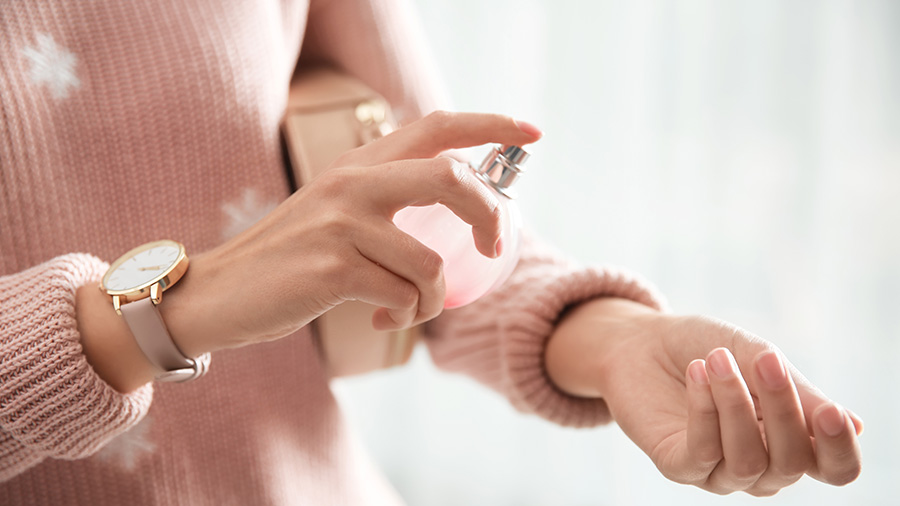
In 2020, the Chinese perfume industry recorded substantial sales, amounting to approximately RMB 12.53 billion (US$1.76 million) in revenue, representing a modest 2.5 percent of the global perfume market. However, the growth trajectory of China’s perfume sector is promising, with an impressive increase exceeding 20 percent annually from 2016 to 2020. This trend is anticipated to continue as the Gen-Z demographic increasingly influences consumer spending patterns and preferences, significantly shaping the future landscape of the fragrance market in China.
Comprehensive Analysis of the Chinese Perfume Market
As Chinese consumers increasingly prioritize sensory experiences, the potential for rapid growth in the country’s perfume market is significant. According to forecasts from Mintel, the fragrance sector in China is projected to expand at a remarkable compound annual growth rate (CAGR) of 17 percent over the next five years, with market sales expected to soar to RMB 15.44 billion (US$2.13 billion) by 2025. iResearch posits that this figure could even reach RMB 30 billion (US$4.15 billion), underscoring a burgeoning interest in fragrances among the Chinese populace.
Interestingly, there has been a slight decline in the percentage of urban Chinese consumers purchasing perfume for personal use, dropping from 55 percent in 2020 to 48 percent in 2021. In contrast, the proportion of individuals buying fragrances as gifts has remained stable at 41 to 42 percent. The lifestyle changes induced by the COVID-19 pandemic have significantly altered consumer habits, with mask-wearing leading to a noticeable drop in demand for traditional cosmetics like lipstick. This shift has fostered what some refer to as the ‘perfume effect,’ replacing the previously prevalent ‘lipstick effect’ as consumers seek emotional solace through fragrance.
In China, the sources of information regarding perfumes are primarily driven by platforms like Xiaohongshu, a popular social media and e-commerce site. Consumers trust recommendations from dedicated boutiques, friends, and online reviews when choosing fragrances. Among the various scent profiles, floral, lemony, and woody notes rank as the most favored among Chinese shoppers. The popularity of 50ml perfume bottles is notable as they strike a perfect balance between practicality and portability, making them ideal for everyday use.
The demand for niche and high-end fragrances in China is on the rise, prompting a notable increase in imports. To meet this demand, TMall Global has partnered with the logistics company Cainiao Network to create a dedicated ‘perfume route’ that facilitates daily air freight from European perfumers to China. Despite this growing interest, challenges such as international logistics restrictions and stringent minimum criteria have hindered cross-border trade in perfumes, posing difficulties for niche manufacturers attempting to penetrate the Chinese market.
Key Trends Shaping China’s Perfume Industry
The Shift to Online and Duty-Free Perfume Purchases
For the modern Chinese consumer, the journey of discovering and purchasing beauty products has undergone a significant transformation. Online platforms have emerged as a convenient and effective channel for fragrance brands to reach a broader audience. Consequently, online shopping has become the primary method for consumers to purchase perfumes, whether for personal enjoyment or as gifts. Research indicates that approximately 70 percent of urban Chinese consumers have engaged in online perfume purchases, surpassing traditional retail methods such as brand counters (52 percent) and specialty beauty product stores (27 percent).
Additionally, the trend of seeking online reviews has become increasingly pivotal in the consumer shopping experience. A significant 64 percent of consumers now prioritize checking online product reviews over in-store trials (54 percent) before making a purchase decision. This shift highlights the indispensable role of online platforms in distributing and marketing perfumes, with social media emerging as the most trusted source of information for younger Chinese consumers. Xiaohongshu stands out, with 60.8 percent of users relying on it as their primary source for insights into perfumes and brands. Notably, trending topics in Shanghai’s e-commerce landscape in 2020 included “masculine Guochao fragrances” and “woody” and “citrusy” scents.
Duty-free shopping has also gained traction as a favored channel for perfume acquisition. A recent survey revealed that about one-third of respondents had previously purchased perfumes from physical duty-free stores (19 percent) and online duty-free shopping platforms (19 percent). Interestingly, while women are generally more likely to engage in duty-free shopping, men traveling for work and married individuals are also becoming familiar with these distribution channels, demonstrating a broadening appeal of duty-free perfume purchases.
Gen-Z: Pioneers of Perfume Consumption in China
As the novelty-seeking Gen-Z consumers increasingly incorporate fragrances into their daily routines, their desire for unique and personalized scents is challenging the dominance of international brands. This younger demographic views perfumes as a means to express their individuality and personal style. As a result, they are drawn to fragrances that possess distinctive character—scents that are neither overly sweet nor overly potent, with a marked preference for gender-neutral fragrances. Noteworthy examples include Byredo’s ‘Rose of No Man’s Land’ and Juliette Has a Gun’s ‘Not A Perfume,’ both of which are featured in TMall’s 2020 Top 10 Young People’s Favorite Imported Niche Perfumes list.
Variances in Consumer Preferences Across Tiered Cities in China
Consumers residing in first-tier and new-first-tier cities place a high value on immersive experiences, which compels perfumers to craft engaging and memorable scent experiences that resonate with their audience. To stand out in this competitive environment, brands must focus on creating holistic experiences that appeal to these discerning consumers.
Conversely, fragrance shoppers in second-tier and third-tier cities prioritize affordability and reliability, often gravitating towards brands that offer cost-effective options without compromising quality. This trend is evident across all age groups, as consumers in lower-tier cities frequently seek out less expensive alternatives that they believe match the quality of higher-priced products. Additionally, this demographic tends to prefer engaging with knowledgeable sales representatives, underscoring the importance of authenticity and trust in the purchase process.
Exploration of Home Fragrance Trends in China
The extended periods of home isolation during the COVID-19 pandemic have significantly sparked interest in and boosted sales within the home fragrance category. Recognizing this opportunity, several brands have launched innovative products in this space. For instance, Loewe introduced a captivating home fragrance and scented candle collection in November 2020, and Byredo followed suit with the release of 13 new scented candles in collaboration with IKEA during the same month.
Among the most popular items within this category are scented personal care products and laundry items, followed closely by room scents such as scented candles and oils paired with diffuser stones. This trend indicates a growing consumer preference for creating inviting and aromatic home environments.
Additionally, consumers are increasingly recognizing and embracing the presence of professional lifestyle brands entering this niche market. The integration of sophisticated design and branding with home fragrance products is expected to elevate consumer expectations and drive further growth in this segment.
Emergence of Local Chinese Brands in the Fragrance Market
The perfume landscape in China is rapidly evolving, with young consumers increasingly favoring brands that draw inspiration from the country’s rich cultural heritage. Local brands have managed to carve out a competitive edge by weaving traditional narratives into their offerings. For instance, many Chinese manufacturers have embraced Guochao elements—features that reflect traditional Chinese culture—in their designs and branding. A notable example is Wegoo’s Sweet Osmanthus Rain, named after a popular theme in classical Chinese poetry, which illustrates how perfumers are using cultural heritage to cultivate deeper connections with their audience.
Another innovative brand, Scent Library (气味图书馆), has creatively tapped into the nostalgia associated with specific scents, with their fragrance L.B.K Water (凉白开) evoking memories of a time when families boiled water in aluminum pots. This strategic approach to fragrance marketing resonates with consumers who value emotional connections and cultural significance in their purchasing decisions.
To Summer (or Guanxia, 观夏) stands out as another prominent Chinese brand offering distinctive scents inspired by eastern botanicals. Their slow-marketing strategy emphasizes the rich tapestry of Asian imagery. For instance, their Four Seasons Mood Aroma interprets the essence of each season through traditional floral motifs, with product names such as ‘Spring Magnolia’ and ‘Autumn Osmanthus’ reinforcing the connection to cultural themes.
In summary, Chinese brands are making significant strides in the fragrance market by leveraging local culture and history to forge meaningful connections with their consumers, thereby enhancing their competitiveness in an increasingly crowded marketplace.
Strategic Approaches Adopted by Fragrance Brands in China
Historically, the Chinese fragrance market has been dominated by major global players such as Chanel, LVMH, Coty, and Procter & Gamble, which have established a strong foothold in the region. These industry giants have successfully maintained their market share through extensive marketing strategies and significant investments in both online and offline retail presence.
Notably, L’Oréal, Estée Lauder, Mary Kay, Burberry, Salvatore Ferragamo, and Avon together capture nearly 48.8 percent of the total perfume market in China. These companies are well-positioned to respond to the evolving preferences of Chinese consumers, leveraging their established brand equity and distribution networks.
According to the 2021 China Perfume Industry Research White Paper, the top ten performing fragrance brands in China are predominantly foreign names, with several luxury brands leading the charge.
For instance, in 2015, Armani launched the scent Prive Pivoine Suzhou, inspired by the beauty of Suzhou’s traditional gardens. The peony, a flower representing prosperity and dignity, was chosen to symbolize China’s ‘Venice of the East.’ The fragrance made its global debut in Suzhou’s iconic Humble Administrator’s Garden, graced by the presence of renowned actress Zhang Zilin, Miss World winner. Despite its initial success, Armani reduced its fragrance line from seven to three due to a reported five percent drop in group sales in 2016.
In 2015, Atelier Cologne’s sales surged to US$40 million, leading to its acquisition by L’Oréal in the following year. L’Oréal reported a 10.5 percent increase in cosmetic sales in early 2017, with Atelier Cologne being a key contributor to this growth. The brand opened its first flagship store in Shanghai in June 2017, followed by a second franchised location in Chengdu. Oolang Infini, a Cologne product featuring Chinese oolong tea, exemplifies how brands are incorporating local elements into their offerings.
Coco Chanel’s iconic Chanel N°5, created in 1921, has maintained a steadfast position in the fragrance market over the decades. The introduction of Chanel Gabrielle, a floral and fruity fragrance with notes of jasmine, ylang-ylang, orange blossom, and tuberose, debuted in 2017 and was named after Coco Chanel’s birth name. The fragrance was launched at a special event in Beijing, attended by prominent Chinese celebrities including Hugo Hu, Zhou Xun, and Liu Shishi. Chanel continues to be among the top three fragrance choices for Chinese consumers, holding a market share of 6.42 percent as of the end of that year. The brand is also highly active on Chinese social media platforms like Weibo and Xiaohongshu, leveraging pop-up stores and live-streamed events to engage with consumers. However, the launch of an advent calendar in 2021 received backlash from the public due to perceived low value, highlighting the need for foreign brands to be mindful of their sales strategies and brand perception in an increasingly competitive market.
Strategies for Entering China’s Competitive Perfume Market
According to Transparency Market Research, four major companies dominate nearly half of the global market for fragrances, oils, and perfumes. These include Givaudan and Firmenich from Switzerland, International Flavors & Fragrances from the United States, and Symrise from Germany. Additionally, European-listed firms control over 80 percent of the Chinese fragrance market, indicating a concentrated competitive landscape.
In their efforts to expand into the Chinese market, large companies are increasingly developing products tailored to local consumer preferences. In 2019, Firmenich established the Shanghai Perfume Creative Center, aiming to create the world’s first high-end perfume development hub. Meanwhile, Givaudan opened a manufacturing facility in Changzhou in 2020 to bolster its production capabilities in China.
Foreign brands are also exploring collaborations with local Chinese brands to gain a foothold in the market. An example is Documents, a high-end fragrance brand that opened its flagship store in Shanghai in July 2021, collaborating with Givaudan to create six unique scents with fragrance concentrations ranging from 15 percent to 25 percent. Furthermore, Givaudan partnered with the Tmall Innovation Center in 2021 to develop fragrances specifically for Chinese consumers, establishing a digital team to tap into the burgeoning digital market.
Challenges Faced by Foreign Brands in China’s Fragrance Market
The consumption of perfume in China presents unique challenges compared to Western markets, primarily due to differing cultural perceptions of attractiveness and fragrance preferences. For example, traditional masculine fragrances in Western countries often feature spicy or woody notes that evoke passion and strength. In contrast, Chinese consumers tend to appreciate fres

Sienna Blake is a licensed aesthetic consultant and beauty writer specializing in cosmetic surgery advancements and non-invasive treatments. With a background in dermatology and over eight years of industry experience, Sienna is passionate about helping people achieve confidence through informed beauty decisions. She holds a Bachelor's degree in Health Sciences and regularly collaborates with top plastic surgeons to stay at the forefront of aesthetic innovations. Outside of her work, Sienna enjoys traveling, skincare research, and practicing Pilates.
