

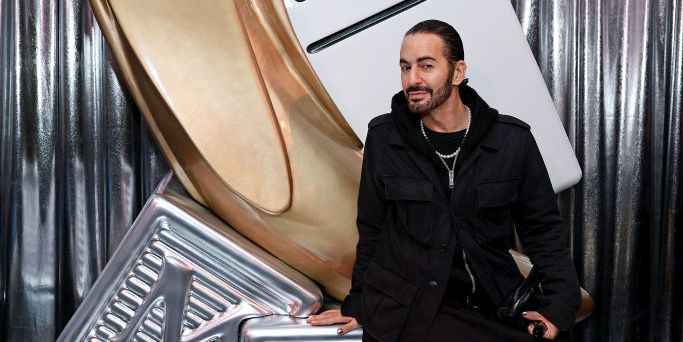
Marc Jacobs Fragrances have become a remarkable cultural phenomenon, transcending traditional boundaries. Although the celebrated fashion designer initially launched several fragrances, such as Marc Jacobs for Women, in the early 2000s, it was the revolutionary release of Daisy in 2007 that truly transformed the fragrance landscape. “I wish I did know the secret to a successful fragrance,” Jacobs admits candidly. “Some of them obviously are more successful than others. I think Daisy is, of course, the biggest success.” This statement underscores the importance of innovation and marketing in creating a memorable scent.
The level of success achieved by Daisy is nothing short of extraordinary. Industry sources estimate that it generates approximately $300 million in retail sales annually. This popularity has led to the creation of numerous flankers or variations of the original scent, including Daisy Love, Daisy Dream, and Daisy Eau So Fresh. Enthusiastic fans often collect these bottles, showcasing them in personal displays dubbed “Daisy gardens.” Even though Daisy launched during my high school years, it continues to captivate younger audiences, evidenced by its impressive tally of over 13.1 million views on TikTok today.
In addition to Daisy, Jacobs has introduced a variety of other captivating fragrances, including Lola, Dot, and Decadence, each distinguished by their unique aesthetic and scent profiles. However, the launch of Perfect in 2020 marked a pivotal moment for his fragrance line, signifying a shift away from the overwhelming dominance of Daisy. The name Perfect was inspired by a tattoo on Jacobs’ wrist, and the fragrance quickly won over fans with its whimsical charm-filled cap, a delicate floral aroma, and a marketing campaign centered around themes of self-acceptance and authenticity.
The Marc Jacobs fragrance universe continues to evolve with the introduction of Perfect Eau de Toilette, an exciting new scent that features a captivating blend of notes including pink peppercorn, white daffodil, and cedarwood. So what goes into the creation of a fragrance destined to go viral? We had the opportunity to sit down with Jacobs before the launch to explore insights on fragrance development and emerging beauty trends.
Insights on the Creative Process Behind Daisy
Reflecting on the creation of Daisy, Jacobs describes the experience as remarkably innocent and organic. He recalls sitting with a collective of creatives from Coty, discussing initial ideas and visuals. Together, they were drawn to the concept of a Daisy flower adorning a fragrance bottle. The inspiration flowed naturally, intertwined with personal anecdotes, such as his dog named Daisy, who was named after the enchanting character Daisy Buchanan from The Great Gatsby. This connection added layers of meaning, appealing to Jacobs’ love for irony, especially considering that the flower itself has no scent.
The entire process wasn’t overly calculated or meticulously researched; rather, it was driven by inspiration. The perfumer drew from the narrative Jacobs shared, and before long, a fragrance, a bottle, and a package came together seamlessly. This effortless creation of imagery was fueled by Jacobs’ vision of Daisy as a symbol of youthful spirit and innocence that resonates with many. Whether depicted through visuals of young women frolicking on the beach or lying in a field, the imagery encapsulated the freshness and freedom that the fragrance embodies.
Crafting the world of Daisy felt instinctive and natural for Jacobs. While he hoped for success, the magnitude of its impact surprised everyone involved. The fragrance not only became a commercial triumph but also an enduring cultural icon.

Understanding the Cultural Impact of Scent
Jacobs describes the fragrance creation process as instinctual and dynamic. It begins as a project initiated by Coty, which sparks his imagination. The design process involves a blend of responding to visuals, engaging in discussions, and synthesizing those ideas into a cohesive concept. This iterative process culminates in the decision to name the fragrance Perfect. This creative journey mirrors the approach Jacobs employs when designing his fashion collections, involving thoughtful contemplation and active collaboration.
For Jacobs, storytelling plays a crucial role in the fragrance experience. While he appreciates the beauty of the fragrance itself, he finds the narrative behind the product, including aspects like advertising casting and bottle design, to be where his passion truly lies. Fragrance is an intimate and personal expression, and Jacobs aims to connect with consumers through compelling storytelling, ensuring that the essence of each fragrance resonates on a deeper level.
How Beauty Perspectives Have Evolved Over Recent Years
Jacobs expresses enthusiasm for the ongoing transformations within the beauty and fragrance industries. He notes that the innovative approach taken with Perfect and its marketing strategies, which resonate with contemporary audiences, would have been inconceivable a decade ago. The cultural landscape simply did not accommodate such creativity and inclusivity at that time.
What excites Jacobs the most is witnessing the gradual shifts in the beauty industry, where doors are slowly opening to new ideas and expressions. This evolving landscape signifies a time of progress and acceptance, which he considers one of the most thrilling aspects of his career: witnessing tangible change and growth in the cultural dialogue surrounding beauty.
Creating the Innovative Bottle Design for Perfect
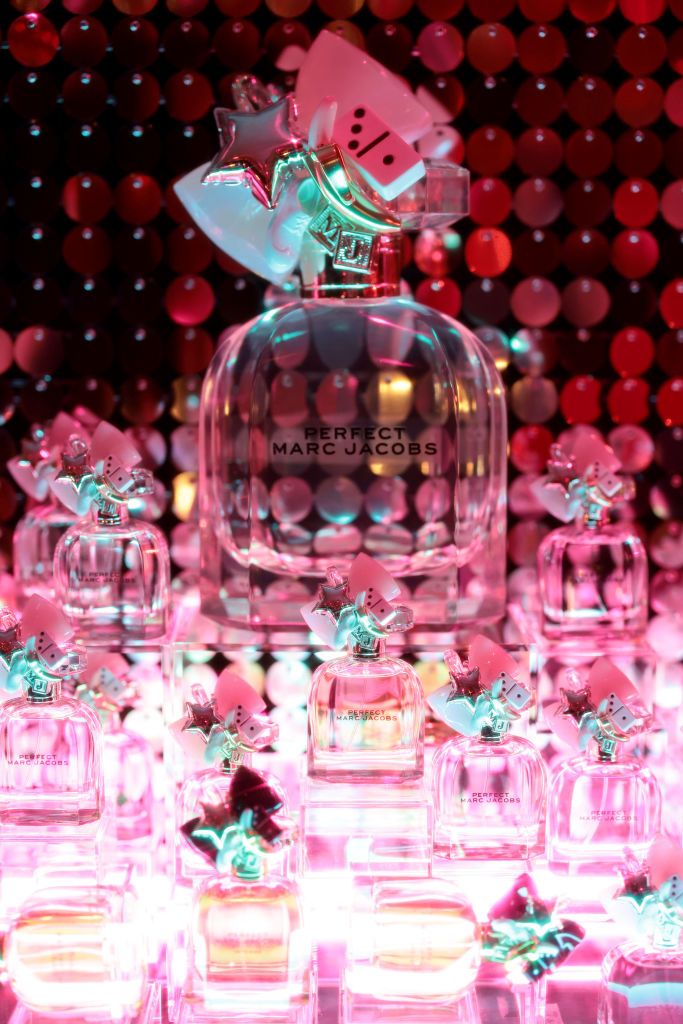
Every time Jacobs articulates the design process, he feels a sense of demystification surrounding the fragrance creation. Initially, Coty expressed their desire to develop an eau de toilette, prompting Jacobs to delve into his collection of charms from the first bottle. He had requested these charms in various colors, finishes, and transparency levels, which set the stage for the new design.
During a vacation—whether it was summer or winter is lost on him—Jacobs revisited these boxes of charms. He envisioned how to assemble them to convey the lightness and freshness associated with an eau de toilette. His concept revolved around creating a sense of transparency and vibrancy, which he personally associates with the scent.
By experimenting with diverse textures and colors, Jacobs successfully crafted a design that encapsulated his vision of a milky, glassy transparency, integrating hues of blue, green, silver, and an overall bright aesthetic. This design distinctly contrasted with the previous Perfect Intense bottle, which featured darker shades. Upon placing the new EDT bottles alongside their predecessors, Jacobs was struck by how different they appeared, marking a significant evolution in his fragrance line.
Throughout this creative journey, Jacobs maintains intense focus on each aspect of the design, ensuring that it aligns with the overall vision for the fragrance. This meticulous attention to detail is what sets his fragrances apart in the competitive market.
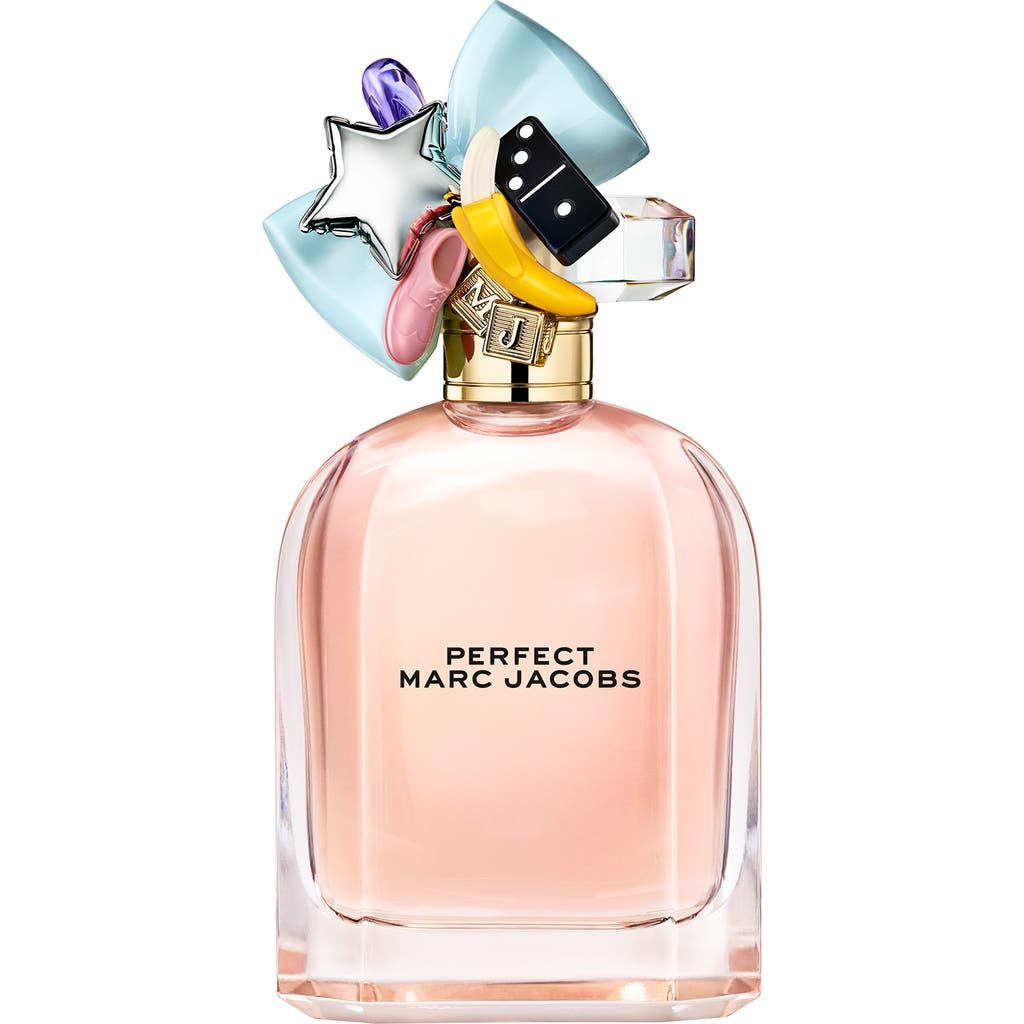
Explore Marc Jacobs Perfect Eau de Parfum
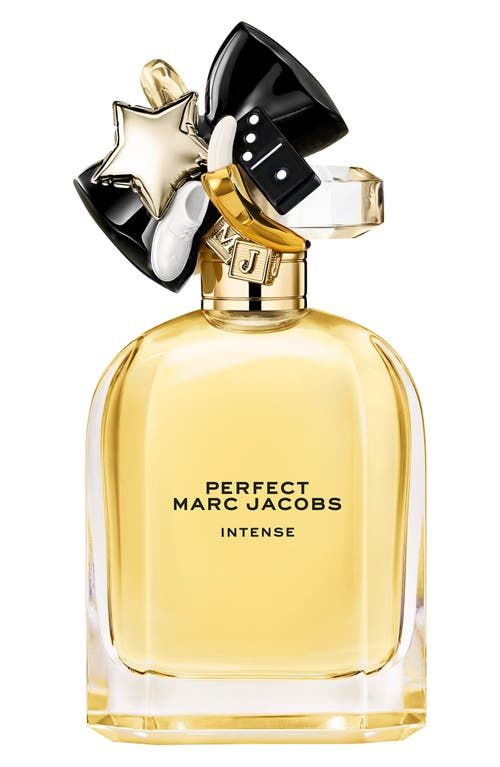
Discover Marc Jacobs Perfect Intense Eau de Parfum
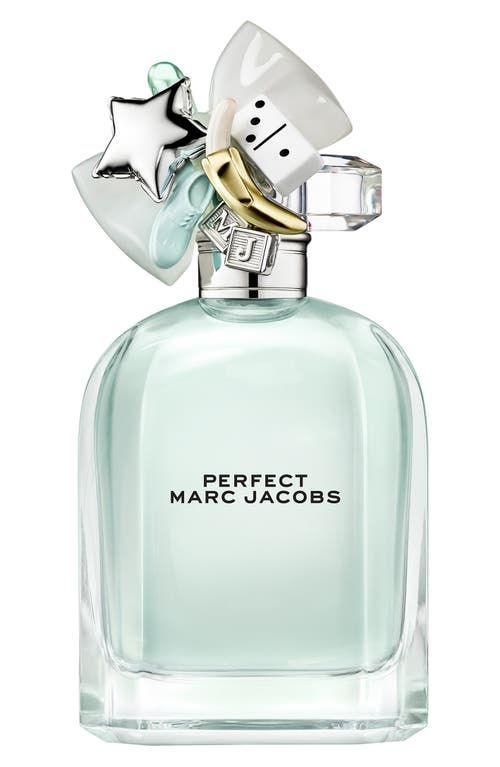
Shop Marc Jacobs Perfect Eau de Toilette
Shifts in Designer Involvement in Beauty
Jacobs contemplates the evolving landscape of designer involvement in the beauty sector, asserting that everyone’s engagement level varies. He humorously acknowledges his tendency to feel that other designers are more hands-on and involved than he is. This perception may stem from his own insecurities, as he envisions a mythical designer who executes every aspect of fragrance creation flawlessly, devoid of stress, which contrasts with his own experience.
Some days, he feels deeply engaged in the process, while other days, he prefers to step back. Despite these fluctuations, his partnership with Coty has been fruitful. Navigating the challenges of creating flankers can be daunting, as Jacobs wonders how so many variations can be developed. However, he finds the creative process therapeutic, akin to the art of knitting, blending colors and shapes into cohesive designs.
Jacobs expresses a genuine passion for the creative aspects of fragrance development, relishing collaborations with talents like Katie Grand and Juergen Teller on advertising, as well as Peter Miles on art direction. He finds joy in storytelling through visuals, allowing each fragrance to convey a unique narrative that resonates with audiences.

Sienna Blake is a licensed aesthetic consultant and beauty writer specializing in cosmetic surgery advancements and non-invasive treatments. With a background in dermatology and over eight years of industry experience, Sienna is passionate about helping people achieve confidence through informed beauty decisions. She holds a Bachelor's degree in Health Sciences and regularly collaborates with top plastic surgeons to stay at the forefront of aesthetic innovations. Outside of her work, Sienna enjoys traveling, skincare research, and practicing Pilates.
