



Experiencing anxiety and fear regarding a root canal procedure is common. Often, root canals are perceived negatively due to their association with pain and discomfort, leading to misconceptions about the treatment. This stigma can arise from a lack of accurate information and from individuals who have had unpleasant experiences with non-specialist dentists. Such experiences can deter many from undergoing this essential dental procedure. It’s crucial to understand that the primary goal of a root canal is to alleviate pain, not to induce it. Unfortunately, numerous myths surrounding root canals contribute to the widespread fear associated with them.
Debunking 8 Common Myths Surrounding Root Canal Procedures
In this comprehensive guide, we will explore and clarify the most prevalent myths about root canals, empowering you with accurate knowledge so that you can approach the procedure with confidence and clarity.
1- Root Canal Procedures Are Painful
It is a common misconception that root canals are painful. In reality, the pain associated with a pulp infection and tooth inflammation is what drives patients to seek treatment in the first place. Root canal therapy effectively eliminates this infection and inflammation, ultimately relieving the underlying toothache. Therefore, rather than inflicting pain, root canal treatment is designed to alleviate it. Today, advanced dental techniques and the use of local anesthesia ensure that patients experience minimal discomfort during the procedure. In cases of severe infection, dentists may prescribe antibiotics beforehand to manage pain and reduce infection, ensuring a more comfortable experience.
With modern dental practices, the fear of pain during a root canal is largely unfounded. Many patients report feeling little to no pain during the treatment, thanks to the effective anesthesia and skilled techniques employed by dentists.
2- Tooth Extraction Is a Better Option Than Root Canal Treatment
Many believe that opting for tooth extraction is a more straightforward solution than undergoing a root canal. However, dental professionals prioritize preserving natural teeth whenever possible. Extracting a tooth can lead to various complications, such as creating gaps that complicate chewing, causing jaw pain, and resulting in bite alignment issues. Additionally, the adjacent teeth may shift into the empty space, leading to further dental problems. Consequently, a root canal can be a more effective and sustainable option for preserving your natural tooth, maintaining both functionality and aesthetics in your smile.
3- Root Canals Lead to Other Health Issues
Another myth is the belief that undergoing a root canal can cause additional health problems. This claim is entirely unfounded; root canal treatment is a safe, established procedure aimed at treating dental infections. The process involves removing the infected nerve and bacteria from the tooth’s root canal system, effectively eliminating the source of infection. This treatment not only addresses the present issue but also prevents potential complications that could arise from leaving the infection untreated.
4- Pain Disappears Immediately After a Root Canal
Many individuals mistakenly believe that pain will vanish instantaneously following a root canal. While the procedure involves denerving the tooth, which stops pain signals, residual discomfort may persist due to inflammation in the surrounding tissues. Patients may experience soreness for several days post-treatment, particularly when chewing or applying pressure. This discomfort is generally manageable with over-the-counter pain relievers until the healing process concludes. Understanding this fact can help set realistic expectations for recovery after the procedure.
5- Root Canal Treatment Involves Removing the Tooth Root
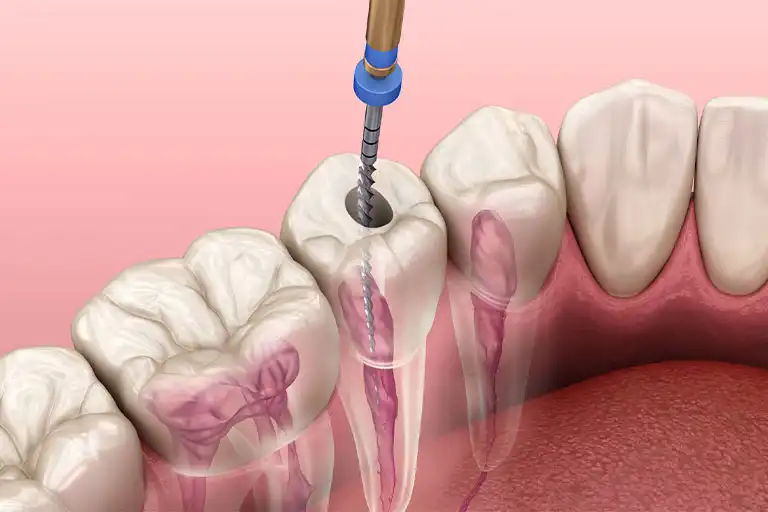
A prevalent myth is that root canal procedures entail the complete removal of the tooth root, which is inaccurate. During a root canal, the dentist cleans and disinfects the tooth’s pulp, filling it with specialized materials to restore its function. The root plays a vital role in anchoring the tooth in the jaw, and its removal would compromise the tooth’s stability. Therefore, the root remains intact during the treatment, ensuring that the tooth can continue to function effectively after the procedure.
6- Multiple Dental Visits Are Required for a Root Canal
The number of dental appointments needed for a root canal procedure can vary based on several factors, including the complexity of the case and the severity of the infection. In instances of severe infection or when a crown is necessary, patients might require two visits. Initially, the dentist may prescribe medication to alleviate infection before completing the root canal process. Typically, the entire procedure can be completed within one to two hours, allowing patients to achieve relief from their dental issues promptly.
7- Absence of Tooth Pain Means No Root Canal Is Needed
Many individuals believe that if their tooth isn’t currently painful, a root canal isn’t necessary. However, pain and sensitivity are not the only indicators of a pulp infection. Delaying treatment can exacerbate the situation, leading to pulp necrosis, which is the death of the pulp tissue. As the infection spreads, it can result in a dental abscess, characterized by pus accumulation and symptoms such as swelling or fever. A painless tooth could indicate nerve death, which does not eliminate the need for intervention. Regular dental check-ups are essential to catch and treat such infections early to prevent further complications.
Furthermore, if a painful bump appears on the gums, it may indicate the presence of an infection. This bump acts as a drainage channel for infectious fluids, resulting in a lack of pain. If left untreated, this infection can spread to surrounding tissues, leading to more severe health issues.
8- Once Treated, a Tooth Cannot Undergo a Second Root Canal
A common misconception is that if a tooth that has previously undergone root canal treatment becomes infected again, it must be extracted. In reality, the success rate of root canals is approximately 85%. If reinfection occurs, retreatment is often a viable option, allowing for the preservation of the tooth. Your dentist or endodontist can evaluate the situation and recommend retreatment, ensuring that your tooth remains functional and intact for many years.
