


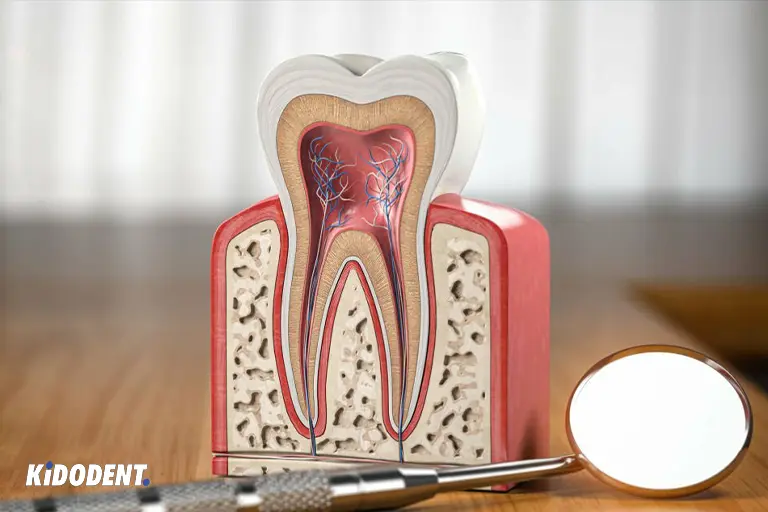
At the core of every tooth lies a crucial and delicate component known as tooth pulp or dental pulp. This vital substance is shielded by tougher outer layers and can become exposed when teeth suffer damage from cavities or fractures. Once the tooth pulp is exposed, it can lead to an infection, necessitating immediate dental attention. In this article, we delve into the essential role of tooth pulp and explore the implications of its inflammation and disease.
Understanding the Critical Role of Tooth Pulp in Dental Health
Tooth pulp, often referred to as the brain of the tooth, plays an indispensable role in keeping your teeth alive and thriving. This soft tissue comprises blood vessels, nerves, specialized cells, and connective tissues, all of which work together to maintain the vitality of your teeth. Located within the pulp chamber, the pulp extends down through the root canal, contributing to the overall health and functionality of the tooth. Recognizing the importance of dental pulp is essential for appreciating how various dental issues can impact oral health and necessitate prompt intervention.
Tooth pulp is protected by several outer mineral structures, with tooth enamel being the hardest and most external layer. Beneath the enamel lies dentin, the second layer providing additional protection. One of the most significant roles of dental pulp is its ability to produce dentin, which is vital for maintaining the integrity of the tooth. Additionally, the cementum layer, located under the gums, safeguards the roots of the tooth, ensuring structural stability and protection against external threats.
Various factors can compromise the structural integrity of teeth, leading to exposure of the pulp. Common issues such as cavities, dental injuries like cracked or chipped teeth, and conditions like bruxism (teeth grinding) can all damage the tooth structure and expose the pulp. This exposure creates an entry point for bacteria, resulting in potential infection and further complications if not addressed promptly.
Exploring the Essential Functions of Tooth Pulp
The dental pulp serves several crucial functions that are vital for maintaining tooth health and overall oral wellness. These functions include:
Sensory Functions: The nerves housed within the dental pulp enable the sensation of pain, pressure, and temperature changes, alerting you to potential issues affecting your teeth.
Creation of Dentin: Within the pulp are specialized cells called odontoblasts, responsible for producing dentin. These cells also play a critical role in enamel formation during the development of teeth, highlighting the interconnectedness of dental structures.
Nutrients and Moisture Supply: The tooth pulp is essential for delivering nutrients and moisture to the dentin via blood vessels, ensuring its health and functionality. Additionally, it regulates blood flow during instances of inflammation, facilitating the healing process and maintaining the tooth’s vitality.
Recognizing the Symptoms of Tooth Pulp Damage
When issues arise within your tooth, the pulp often acts as the first line of defense by manifesting symptoms such as pain or heightened sensitivity. These symptoms can vary significantly based on the stage of the condition. When bacteria infiltrate the pulp, inflammation known as pulpitis occurs, typically stemming from tooth decay or other dental traumas.
Common indicators of potential dental pulp damage include:
- Persistent toothache
- Pain triggered by chewing or applying pressure
- Heightened sensitivity to hot and cold temperatures
- Increased sensitivity when consuming sweet foods
If left untreated, the infection can escalate, leading to severe symptoms and potentially life-threatening conditions. The infection may spread to other areas of your mouth and body, resulting in serious complications such as:
- Dental abscess (a collection of pus)
- Persistent bad breath
- Changes in tooth color
- Fever and general malaise
- Swollen lymph nodes
- Facial swelling around the infected tooth
- Brain abscess
- Sinus infection
It is crucial to consult your dentist promptly if you experience any symptoms indicative of dental pulp problems. A dental professional, such as an endodontist, can perform necessary examinations and may recommend root canal treatment to save the tooth. If the tooth cannot be preserved, extraction may be the only option to prevent further complications.
Despite the presence of dentin, which forms a protective barrier over the pulp, it is less mineralized than enamel. Consequently, when dentin is compromised, it can easily irritate the nerve within the pulp, especially when consuming hot or cold substances, leading to discomfort and pain.
Identifying Conditions That Impact Tooth Pulp Health
Several conditions can adversely affect your tooth pulp, including pulpitis, pulp necrosis, and dental pulp calcification.
Understanding Pulpitis: Causes and Effects
Pulpitis refers to the inflammation of the tooth pulp, often triggered when bacteria breach the protective layers of enamel or cementum, infiltrating the dentin and causing infection. The primary culprit behind pulpitis is tooth decay, although dental injuries, such as cracks or chips, and chronic conditions like bruxism, can also pose significant risks.
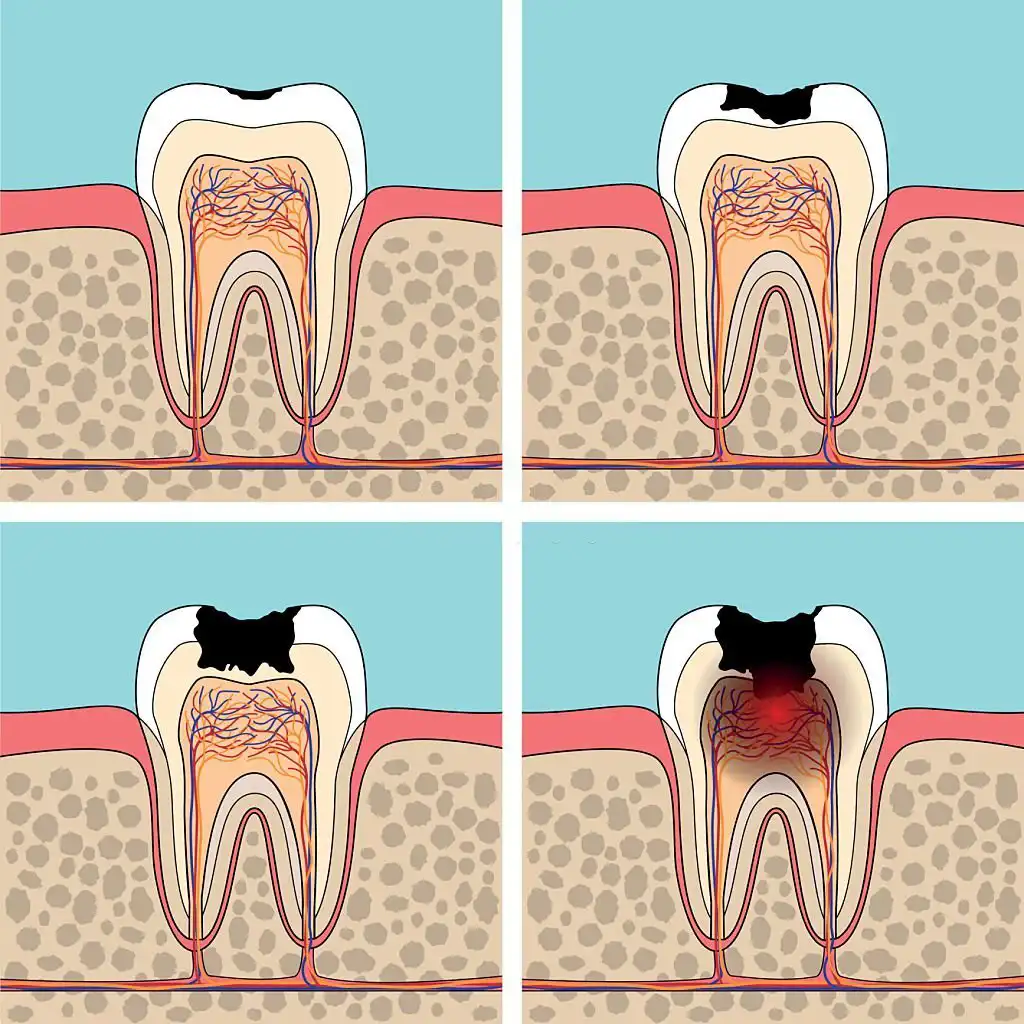
Pulpitis can manifest in two forms: reversible and irreversible. Reversible pulpitis involves mild inflammation, where the pulp remains salvageable, typically accompanied by mild pain or sensitivity. Conversely, irreversible pulpitis signifies severe damage, often leading to pulp necrosis, where the pulp dies. In such cases, dental professionals may need to conduct a root canal procedure to remove the compromised pulp or, in extreme situations, extract the tooth entirely.
Decoding Pulp Necrosis: Implications for Dental Health
Pulp necrosis represents the stage where the pulp tissue within the tooth ceases to function, resulting in the death of the nerve. Interestingly, at this point, patients may not experience any pain or discomfort because the nerve itself is no longer responsive. However, pulp necrosis can lead to significant complications, including the formation of a dental abscess, which poses severe health risks if not addressed. Untreated, a dental abscess can potentially spread, resulting in critical health issues throughout the body.
Understanding Dental Pulp Calcification: Causes and Challenges
Dental pulp calcification, often referred to as pulp stones, occurs when there is an increase in mineralization within the pulp. Although the precise causes of pulp stones remain elusive, they are frequently associated with trauma or the natural aging process. Many individuals may not exhibit any noticeable symptoms related to pulp stones; however, these calcifications can complicate root canal treatments if the tooth becomes infected. Understanding this condition is vital for maintaining optimal dental health and ensuring effective treatment options.