


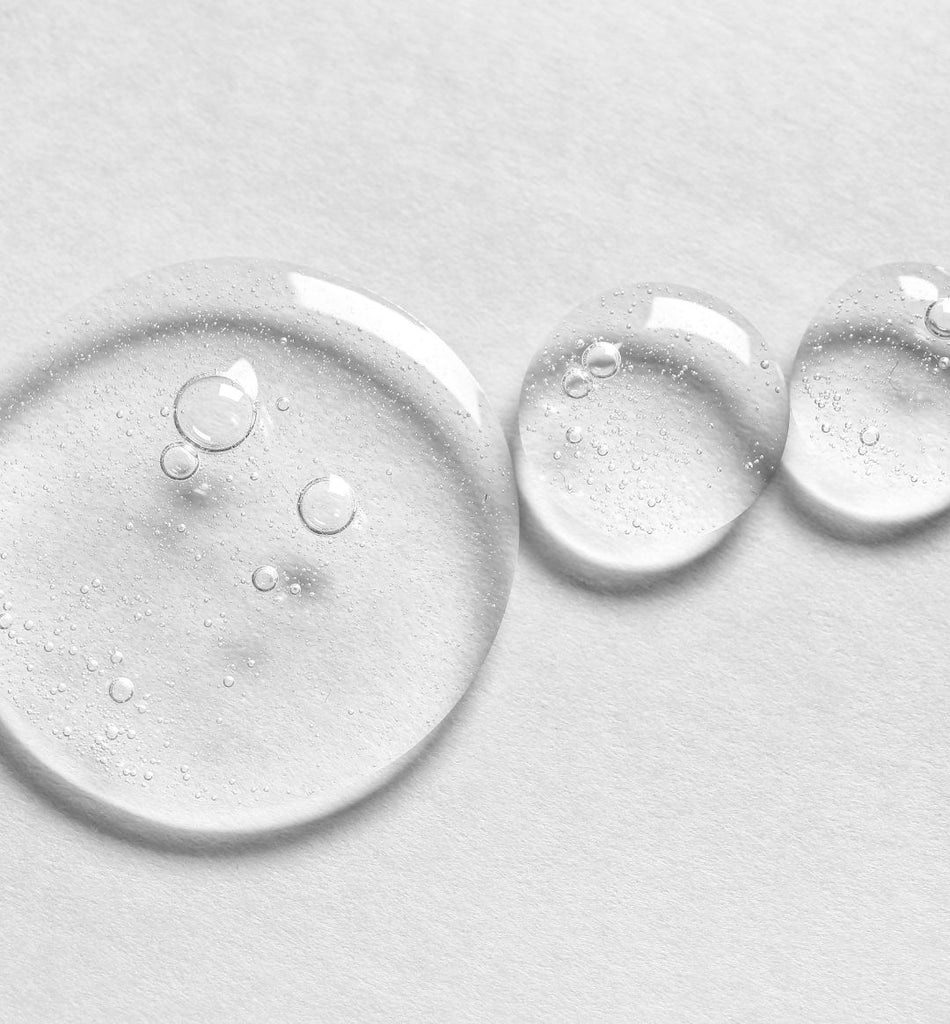
Hydration is an essential pillar in achieving a vibrant and healthy complexion, transcending the realm of mere buzzwords in skincare. The quest for perfect skin hydration often introduces individuals to an array of options, with squalane and hyaluronic acid standing out as leading contenders. These ingredients have captured significant attention within the beauty industry, each offering distinct and valuable benefits that cater to various skin needs. Understanding the properties and applications of these two hydration champions can empower you to make informed choices that align with your skincare goals.
Squalane, a lightweight hydrocarbon sourced from either plants or shark liver, is highly regarded for its emollient characteristics and its ability to closely resemble the skin’s natural oils. Users appreciate its non-greasy texture and non-comedogenic properties, making it suitable for a myriad of skin types, including sensitive and oily skin. Meanwhile, hyaluronic acid, a naturally occurring compound in our skin, is lauded for its remarkable moisture retention capabilities. With the power to hold up to 1000 times its weight in water, hyaluronic acid serves as an unparalleled hydration source, making it a vital ingredient for anyone seeking a plump and dewy complexion.
In this comprehensive guide, we will embark on an extensive comparison of squalane and hyaluronic acid. We will investigate their unique benefits, mechanisms of action, and ideal candidates for each ingredient. This analysis is designed to equip you with the essential knowledge necessary to choose the perfect hydration hero for your skincare routine, ensuring your skin remains radiant and well-nourished.
Exploring the Benefits of Squalane for Skin Health
Squalane is a versatile hydrocarbon derived from squalene, a substance naturally synthesized in our bodies and found in various environmental sources. Unlike its precursor, squalene, squalane undergoes hydrogenation, which enhances its stability and resistance to oxidation, making it a preferred ingredient in skincare formulations. Its acclaim stems from its exceptional ability to moisturize and mimic the skin’s natural oils, effectively restoring hydration levels.
The advantages of squalane for skin health are extensive. Renowned for its emollient properties, it provides a soothing and smoothing effect, resulting in a plumper and more supple appearance. By mimicking the skin’s natural oils, squalane effectively restores the lipid barrier, which aids in moisture retention while protecting the skin from environmental aggressors. Furthermore, its non-comedogenic nature ensures it won’t clog pores, making it suitable for all skin types, including those prone to acne. Additionally, squalane possesses anti-inflammatory properties, offering relief for skin conditions such as eczema and psoriasis, making it a versatile ingredient in skin care.
Squalane can be derived from both animal and plant origins; however, its historical sourcing from shark liver has raised sustainability concerns. Today, the majority of cosmetic-grade squalane is obtained from plant sources like olives, sugarcane, and rice bran. This transition not only addresses ethical and environmental issues but also positions squalane as a vegan-friendly option. The sustainability of squalane is largely dependent on its source, with plant-derived variants generally considered more eco-friendly.
One of the key factors contributing to the effectiveness of squalane in skincare is its impressive absorption capabilities. Its molecular structure closely resembles that of human skin, enabling deep penetration and seamless integration into the skin’s lipid barrier. This depth of absorption enhances its efficacy in providing hydration and nourishment. Unlike other oils that may remain on the skin’s surface, squalane is quickly absorbed, leaving no greasy residue behind. Once it penetrates the skin, it helps to replenish the lipid layer, combat dryness, and promote a healthy, hydrated, and glowing complexion.
Unlocking the Hydration Potential of Hyaluronic Acid
Hyaluronic acid, a substance naturally found in the human body, plays an integral role in maintaining optimal skin health. Primarily located in the skin, connective tissues, and ocular areas, its main function is to retain moisture, ensuring the skin remains hydrated and plump. This clear, viscous substance is remarkable for its ability to hold over 1000 times its weight in water, establishing itself as a cornerstone in skin hydration and elasticity.
Understanding How Hyaluronic Acid Retains Moisture
The secret behind hyaluronic acid’s extraordinary moisture retention capabilities lies in its unique molecular structure. It functions by attracting and binding water molecules, acting as a sponge within the skin. This process not only helps maintain skin hydration but also enhances its overall appearance, imparting a dewy and youthful glow. Moreover, hyaluronic acid plays a vital role in wound healing and tissue repair, showcasing its versatility beyond mere hydration.
Different Forms of Hyaluronic Acid: Choosing the Right One
In the realm of skincare, hyaluronic acid is available in various forms, each offering specific advantages tailored to diverse skin needs. The most prevalent forms include:
Pure Hyaluronic Acid: This concentrated form delivers intense hydration, making it ideal for dry or aging skin. Typically found in serums, it is praised for its deep penetration capabilities and long-lasting moisture retention.
Sodium Hyaluronate: As a salt derivative of hyaluronic acid, this variant features a lower molecular weight, allowing for easier penetration into the skin. Commonly utilized in lightweight moisturizers, it suits oily or combination skin types.
Hydrolyzed Hyaluronic Acid: This type is broken down into smaller fragments, facilitating its absorption by the skin and providing immediate hydration. It’s frequently found in a range of skincare products, including serums and creams.
Cross-Linked Hyaluronic Acid: This innovative form forms a mesh-like structure on the skin’s surface, delivering long-lasting hydration and a noticeable plumping effect. It is often incorporated into advanced anti-aging formulations.
Each variant of hyaluronic acid serves a distinct purpose, catering to specific skin concerns and preferences. Whether your goal is deep hydration, rapid absorption, or anti-aging benefits, there’s a suitable hyaluronic acid type designed to meet your individual needs.
Comparing Squalane and Hyaluronic Acid: Texture and Application Insights
How Each Ingredient Feels on Your Skin
Both squalane and hyaluronic acid are renowned for their hydrating properties; however, they offer distinct textures and experiences when applied to the skin.
Squalane, particularly the olive-derived variant found in products like Watermelon Cucumber Water Locking Serum and Moisturizer, boasts a lightweight and non-greasy texture. It mimics the skin’s natural oils, acting as an excellent moisturizer that leaves skin feeling soft and plump without any heavy residue.
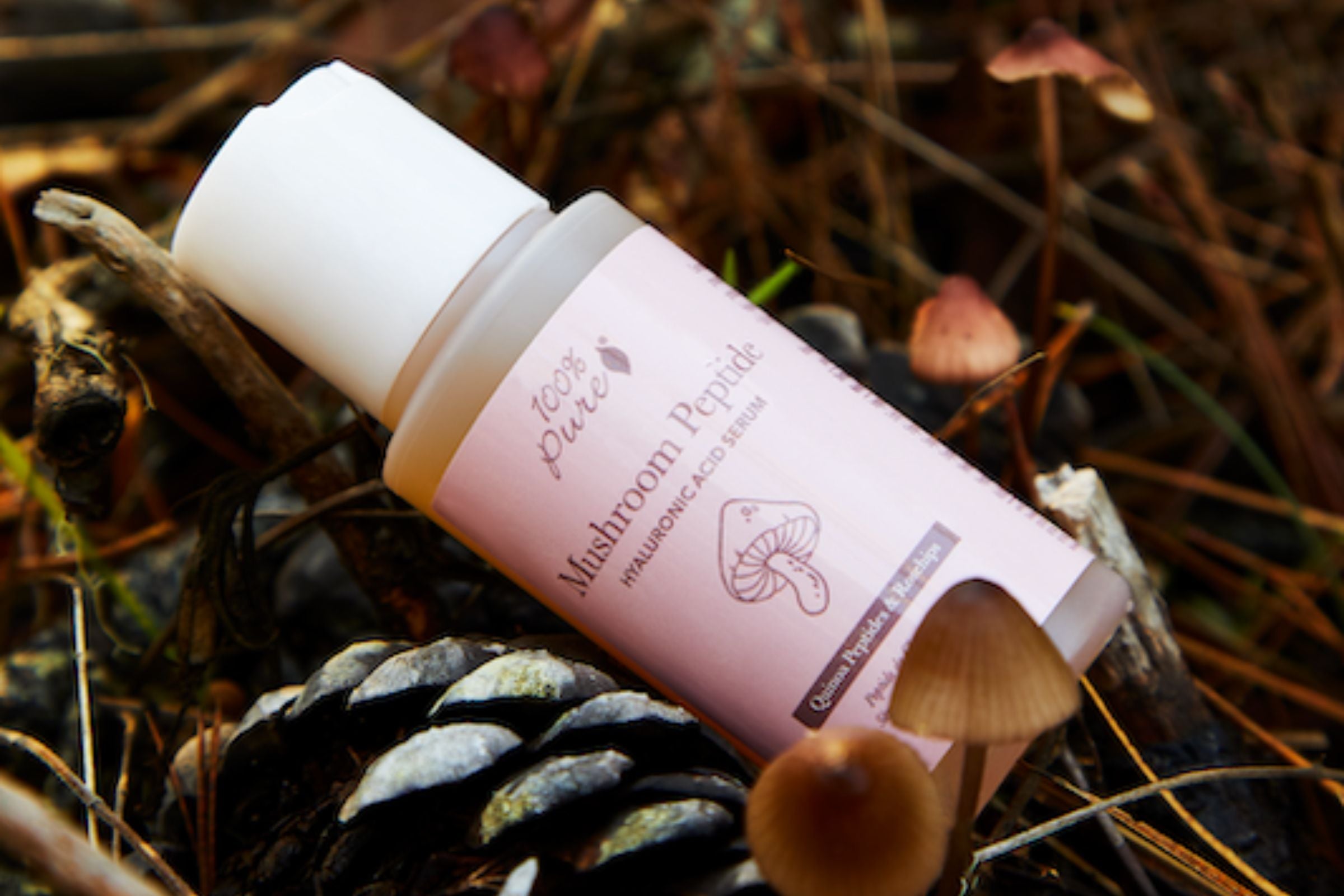
In contrast, hyaluronic acid is celebrated for its water-retention capabilities, creating a deeply hydrating effect. Found in products like the Rose Hyaluronic Acid Serum and Mushroom Peptide Moisturizer, hyaluronic acid typically has a gel-like texture that is refreshing and soothing upon application. It absorbs rapidly, resulting in hydrated and rejuvenated skin.
Best Practices for Application
How to Use Squalane: For optimal results, apply squalane after water-based serums and prior to heavier creams. A few drops, warmed between your fingers, can be gently pressed onto the face and neck. This method is excellent for sealing in moisture and can be incorporated into both morning and evening routines.
How to Use Hyaluronic Acid: To maximize its effectiveness, apply hyaluronic acid to damp skin. It works best when layered under a moisturizer to lock in hydration. Ideal for both morning and evening skincare regimens, hyaluronic acid can significantly enhance your moisture levels.
Incorporating Both Ingredients into Your Daily Skincare Routine
Morning Routine:
After cleansing, apply a hyaluronic acid-based product, such as Rose Water Hydrating Milk, to damp skin for profound hydration.
Follow this with a squalane-infused product, like the Watermelon Cucumber Water Locking Serum, to secure moisture and support the skin barrier.
Conclude your routine with an olive squalane-based moisturizer to nourish and replenish your skin overnight.
By grasping these application techniques and the unique properties of each ingredient, you can harness the combined power of squalane and hyaluronic acid to achieve a balanced, hydrated, and luminous complexion.
Maximizing Benefits: The Synergistic Effects of Combining Both Ingredients
In the realm of skincare, the strategic combination of ingredients can greatly enhance their overall efficacy. Both squalane and hyaluronic acid are celebrated for their hydration properties and can be effectively paired in a skincare routine, creating a powerful synergy that offers amplified benefits.
Utilizing squalane and hyaluronic acid together can yield remarkable results. Squalane’s emollient qualities help to soften and smooth the skin, locking in moisture without leaving an oily film. Meanwhile, hyaluronic acid functions as a humectant, drawing moisture into the skin, providing deep hydration and a plumping effect. The combination of these two ingredients addresses multiple dimensions of skin hydration and moisture retention.

Choosing the Right Ingredient Based on Your Unique Skin Type
When determining whether to use squalane or hyaluronic acid, understanding your specific skin type is essential. Both ingredients offer valuable benefits, but their effectiveness can vary significantly based on individual skin needs.
For Dry Skin:
Individuals with dry skin often prioritize hydration. Hyaluronic acid shines in this area, as its remarkable ability to retain moisture makes it an exceptional choice for parched skin, delivering deep hydration while minimizing the visibility of fine lines associated with dryness.
On the other hand, squalane serves as a lightweight, non-greasy oil that closely resembles the skin’s natural oils. It forms a barrier that locks in moisture, making it especially useful for dry skin types, particularly in colder climates or harsh weather conditions where extra protection is needed.
For Oily Skin:
Those with oily skin may be hesitant to incorporate oils into their regimen; however, squalane’s non-comedogenic properties ensure it won’t block pores. Its lightweight formulation can aid in regulating excess oil production, making it a suitable choice for individuals with oily skin.
Hyaluronic acid also complements oily skin due to its lightweight, water-based consistency. It hydrates without adding excess oil, helping to maintain a balanced level of moisture in the skin.
For Combination Skin:
Combination skin can benefit from utilizing both ingredients. Hyaluronic acid can be applied across the entire face for overall hydration, while squalane can be specifically targeted to drier areas requiring additional moisture. This dual approach effectively addresses the diverse needs of combination skin.
For Sensitive Skin:
Sensitive skin necessitates gentle care, and both squalane and hyaluronic acid are generally well-tolerated. Squalane’s similarity to natural skin oils minimizes the risk of irritation, while hyaluronic acid’s natural occurrence in the body further reduces the likelihood of adverse reactions.
Addressing Specific Skin Concerns
For Aging Skin:
Hyaluronic acid’s exceptional ability to plump and hydrate the skin makes it ideal for combating fine lines and wrinkles. It helps maintain skin elasticity, which is crucial in the fight against the visible signs of aging.
Squalane’s antioxidant properties also contribute to protecting against skin damage, potentially reducing the appearance of fine lines by keeping the skin supple and well-hydrated.
For Acne-Prone Skin:
For those with acne-prone skin, hyaluronic acid provides hydration without worsening breakouts. Its moisture-binding abilities ensure skin remains hydrated without adding excess oil.
While squalane can be moisturizing, it should be approached with care on acne-prone skin. Its emollient properties can be beneficial, but it’s essential to monitor its use to prevent potential pore-clogging.
Your Questions Answered: Frequently Asked Questions About Squalane and Hyaluronic Acid
Does squalane cause oiliness on the skin?
Squalane is recognized for its lightweight and non-greasy texture, making it unlikely to leave your skin feeling oily. Its molecular structure closely resembles the natural oils in the skin, providing hydration without leaving a heavy residue. It is generally suitable for all skin types, including oily and acne-prone skin.
Can hyaluronic acid be utilized in all types of climates?
Hyaluronic acid is versatile and can be used in various climatic conditions; however, its performance may differ. In humid environments, it excels at attracting moisture from the air to the skin. Conversely, in very dry climates or winter months, it may draw moisture from the skin’s deeper layers, potentially leading to dehydration. To mitigate this, it’s advisable to pair it with a more occlusive moisturizer to retain hydration.
Are there any side effects associated with using squalane or hyaluronic acid?
Both squalane and hyaluronic acid are generally well-tolerated and deemed safe for most skin types. Squalane is non-irritating and non-comedogenic, while hyaluronic acid is also gentle, although rare instances of mild irritation may occur with products containing very high concentrations. As always, it’s wise to perform a patch test before full application.
What is the recommended frequency for using these ingredients in a skincare routine?
Both squalane and hyaluronic acid can be incorporated into daily routines, suitable for morning and evening use. The frequency can depend on individual skin needs and specific product formulations, as some may be designed for once-daily application while others can be used twice a day.
Can squalane and hyaluronic acid replace a moisturizer?
While both squalane and hyaluronic acid excel in hydration and moisture retention, they may not fully substitute the comprehensive benefits of a moisturizer, particularly for dry or mature skin types. Moisturizers often contain a blend of humectants, emollients, and occlusives to provide thorough hydration and barrier protection. Squalane and hyaluronic acid can complement your moisturizer or be combined within it to enhance its hydrating effects.
Final Thoughts on Choosing Between Squalane and Hyaluronic Acid
In our thorough examination of squalane and hyaluronic acid, it is evident that both ingredients possess unique and beneficial qualities for effective skincare. Squalane, primarily sourced from plants and shark liver, is distinguished by its remarkable moisturizing capabilities and its ability to emulate the skin’s natural oils. This makes it particularly advantageous for enhancing hydration and elasticity, making it an excellent choice for individuals with dry or aging skin.
Conversely, hyaluronic acid is celebrated for its extraordinary water-retention capacity—holding up to 1000 times its weight. This characteristic establishes it as a vital ingredient for maintaining skin hydration, promoting a plump appearance, and diminishing fine lines and wrinkles. It’s an invaluable asset for anyone aiming to preserve a youthful, dewy complexion.
Ultimately, the decision between squalane and hyaluronic acid hinges on your skin’s specific needs. If your primary concern is dryness or aging, you may find the nourishing properties of squalane more beneficial. Conversely, if your focus is on hydration and plumping, hyaluronic acid may be your ideal choice.
Remember that skincare is a personal journey. What proves effective for one individual may not yield the same results for another. Therefore, it is imperative to understand your skin type, its unique needs, and how it reacts to various ingredients. Feel free to explore and experiment to discover precisely what works best for your skin.