


In recent years, the skincare industry has witnessed a remarkable transformation, characterized by a significant rise in the demand for organic skincare products. This movement signifies much more than a temporary trend; it embodies a profound journey toward a more conscious and holistic approach to beauty and wellness. Consumers are increasingly seeking products that reflect their values, prioritizing health and sustainability in their choices.
At the core of this organic skincare movement lies an increasing recognition of the effects that various ingredients have not only on our skin but also on our overall well-being and the environment. As consumers become more educated, they are moving away from products laden with harsh chemicals and synthetic additives, opting instead for natural, plant-based alternatives. This shift illustrates a collective commitment to using products that are beneficial for both our skin and the planet, fostering a more balanced relationship with nature.
In this article, we will thoroughly explore the realm of organic skincare, highlighting the long-lasting benefits that extend beyond mere aesthetics. Our goal is to uncover the underlying reasons for its enduring popularity and how it resonates with a larger movement towards sustainable and mindful living. By providing insights and information, we aim to help readers make informed decisions about their skincare routines, understanding that the products we apply to our skin are just as crucial as the food we consume.
Embark with us on this journey into the world of organic skincare, as we investigate its true essence and reveal why it represents more than a passing trend—it’s a lifestyle choice that embodies our dedication to a healthier, more sustainable future.
What You Need to Know About Organic Skincare
Defining Organic Skincare
Organic skincare encompasses beauty products that are crafted from ingredients that are organically cultivated, adhering to strict regulations set forth by certification organizations. These standards typically require that ingredients be grown without the use of synthetic pesticides, herbicides, and genetically modified organisms (GMOs). Additionally, organic skincare items are generally free from harsh chemicals, including parabens, sulfates, and artificial fragrances commonly found in conventional skincare products.
For a skincare product to be classified as organic, it must contain a specific percentage of organic ingredients, which is generally over 70%. This percentage may vary based on the certifying authority, such as the USDA Organic Certification in the United States or the Soil Association in the United Kingdom. These organizations perform rigorous inspections and evaluations to ensure that products marketed as organic meet their stringent guidelines, thereby preserving the credibility and integrity of the organic label.
Distinguishing Organic from Conventional Skincare Products
Ingredients: Organic skincare products are marked by their focus on natural ingredients that are cultivated under strict organic farming protocols. These ingredients, often sourced from plants, are devoid of harmful pesticides and chemicals. In contrast, conventional skincare products may contain synthetic components, artificial colors, and preservatives that can be harsh on the skin.
Production Processes: The production of organic skincare is designed with an emphasis on environmental sustainability. It prioritizes minimal processing to maintain the natural integrity and benefits of the ingredients. In contrast, conventional skincare production may involve extensive chemical processing, which can undermine the natural efficacy of the ingredients and potentially harm the environment.
Impact on Skin Health: Organic skincare products are typically gentler and safer for the skin, particularly for individuals with sensitive skin or allergies. The elimination of harsh chemicals significantly lowers the likelihood of skin irritation, allergic reactions, and other negative effects. On the other hand, conventional skincare items, which often contain various chemical additives, can sometimes lead to skin irritation and long-term damage to skin health.
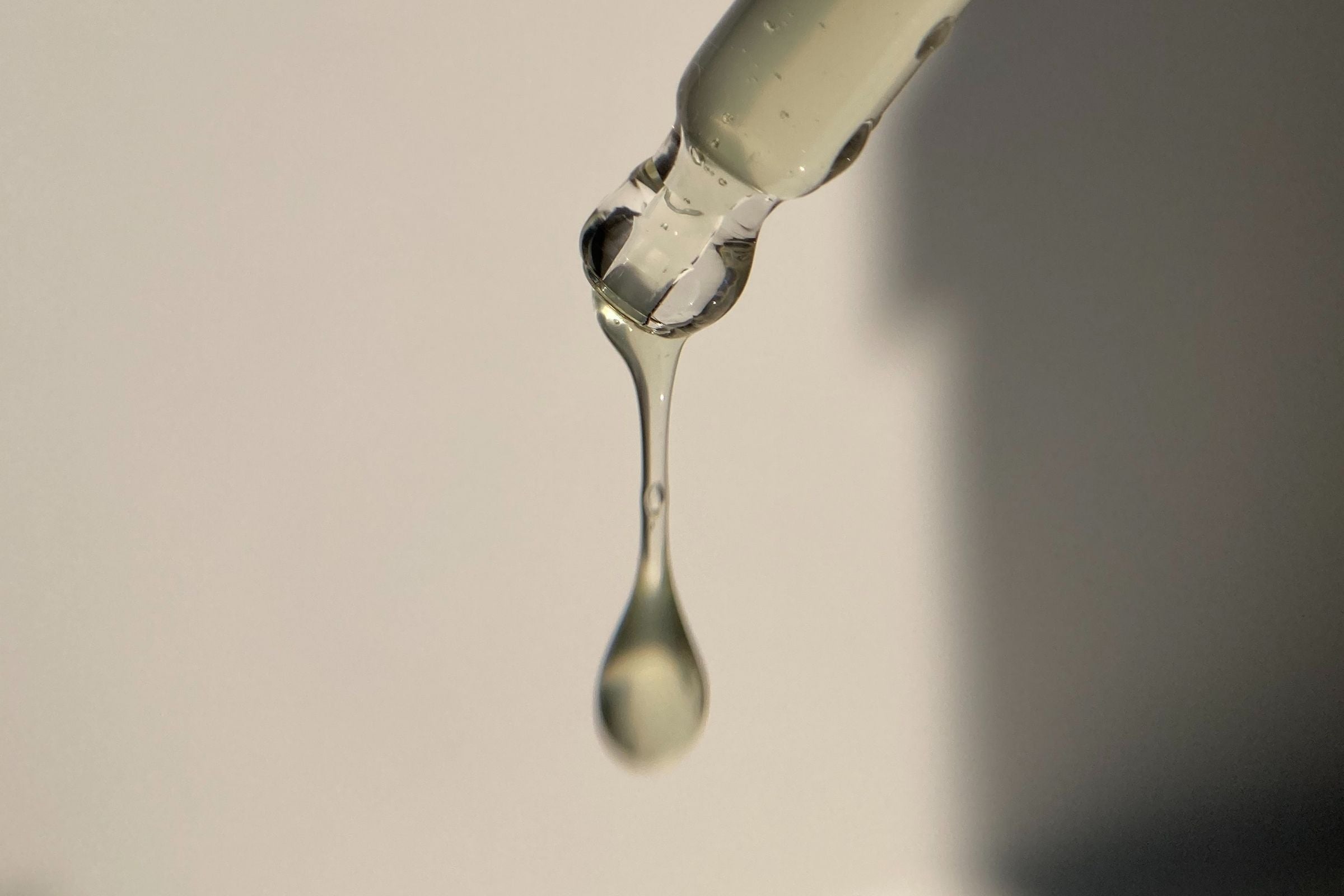
Unlocking the Advantages of Organic Skincare
Health Benefits for Skin
In a time when awareness about the ingredients we apply to our bodies is as critical as the foods we eat, organic skincare has established itself as more than just a trend; it is a lifestyle choice that reflects a commitment to health and wellness. The primary allure of organic skincare lies in its gentler formulation, which is often associated with fewer adverse reactions. This is especially important in an environment where sensitive skin is increasingly common, and the prevalence of skin allergies continues to rise.
Organic skincare products are created with natural components, free from synthetic chemicals and harsh preservatives. This natural composition plays a significant role in reducing the risk of skin irritations and allergic responses. For instance, the absence of artificial fragrances and colors—common irritants in traditional skincare products—makes organic alternatives a safer choice for those with sensitive skin. Additionally, these products are often infused with pure, soothing ingredients such as aloe vera, chamomile, and essential oils, which are recognized for their healing and anti-inflammatory properties.
Another crucial aspect of organic skincare is its ability to nourish the skin deeply. Unlike conventional products that may only provide superficial results, organic formulations work synergistically with the skin’s natural biology. They deliver essential nutrients and antioxidants that bolster skin health, enhancing its capacity to repair and rejuvenate. This leads to a more resilient skin barrier, which is vital for protection against environmental stressors and maintaining hydration.
Environmental Impact
The advantages of organic skincare extend beyond individual health and enter the realm of environmental consciousness. The creation of organic skincare products typically follows more sustainable and eco-friendly practices compared to their non-organic counterparts. This sustainability begins with the sourcing of ingredients. Organic farming techniques, which are employed to grow the components for these products, avoid harmful pesticides and chemicals. This not only guarantees the purity of the skincare ingredients but also safeguards the environment from detrimental agricultural runoff.
Packaging is another area where organic skincare brands often adopt a greener approach. Many companies within the organic sector are mindful of their environmental footprint and choose recyclable or biodegradable packaging solutions. This choice helps reduce carbon emissions and the buildup of non-degradable waste in landfills. Furthermore, some brands enhance their sustainability efforts by implementing refillable systems or utilizing minimal packaging, further diminishing their ecological impact.
Ultimately, the movement towards organic skincare is anchored in a profound understanding of health and environmental well-being. It’s a holistic perspective that benefits not only the individual user but also the planet. As consumers become more discerning and demand transparency and sustainability, organic skincare emerges as a responsible choice that aligns with these evolving values.
Dispelling Myths Surrounding Organic Skincare
Effectiveness
One of the most widespread misconceptions about organic skincare is the belief that these products are less effective than their conventional counterparts. This myth likely originates from the assumption that natural ingredients are inherently weaker or less potent. However, this perception is far from accurate.
Organic skincare products are designed with natural ingredients that are often abundant in vitamins, antioxidants, and other essential nutrients vital for skin health. These components work in harmony to nourish and revitalize the skin. For instance, ingredients like organic shea butter and coconut oil are celebrated for their moisturizing properties, while others, like green tea extract and vitamin C, provide powerful antioxidant benefits.
Moreover, numerous organic products are free from harsh chemicals and synthetic additives, which can be harmful to skin health over time. While conventional products might sometimes yield quicker visible results due to these potent chemicals, the long-term effects may not be as beneficial as those provided by organic alternatives.
Research increasingly supports the notion that natural ingredients can be equally effective, if not more so, in addressing a variety of skin concerns. From anti-aging solutions to acne treatments, organic skincare lines present a diverse range of products that cater to different needs, effectively demonstrating their efficacy.
Shelf Life and Storage of Organic Products
Another common myth associated with organic skincare pertains to their shelf life and storage requirements. Many people assume that organic products spoil more quickly and are more difficult to store. While it’s true that organic skincare items typically contain fewer preservatives than conventional products, this does not inherently mean they have a significantly shorter shelf life.
The secret to prolonging the lifespan of organic skincare products lies in proper storage practices. Most organic items should be kept in a cool, dry environment, away from direct sunlight. Exposure to heat and light can hasten the degradation of natural ingredients, reducing their effectiveness. Some products may even benefit from refrigeration, particularly those containing ingredients like vitamin C, which can oxidize rapidly.
Regarding shelf life, while certain organic products may have a slightly shorter duration than conventional ones due to the absence of synthetic preservatives, many brands have developed innovative natural preservation techniques that significantly extend shelf life. These techniques include using natural preservatives such as vitamin E, rosemary extract, and certain essential oils, which not only aid in preserving the product but also enhance its skin benefits.
Consumers should also pay attention to the packaging of organic skincare products. Utilizing airless pumps, dark glass bottles, and sealed tubes can help shield the product from air and light, further increasing its shelf life.
Stay Updated with Our Newsletter Subscribe Now
for more blog updates and exclusive discounts

Strategies for Selecting and Using Organic Skincare
Decoding Labels to Identify Authentic Organic Products
Mastering the Art of Label Reading: When it comes to selecting genuine organic skincare products, understanding the labels is essential. Seek out certifications such as USDA Organic or ECOCERT, which signify strict compliance with organic standards. Be cautious of misleading terms like ‘natural’ or ‘green’, as these labels are not regulated and do not guarantee organic content.
Key Ingredients to Prioritize: Authentic organic skincare products should boast a high percentage of organic ingredients derived from plants. Avoid items that contain synthetic chemicals, parabens, phthalates, and artificial fragrances. Instead, focus on natural oils, herbal extracts, and natural preservatives like vitamin E.
Understanding the Details: Scrutinize the ingredient list carefully. Ingredients are listed in order of concentration, so organic components should appear among the first few listed. Additionally, be wary of lengthy chemical names, as they often indicate synthetic ingredients.
Integrating Organic Products into Your Skincare Routine
A Gradual Transition: If you are new to organic skincare, it is advisable to start slowly. Introduce one product at a time, allowing your skin to acclimate while identifying any sensitivities or allergies. This gradual method also assists in determining which products are best suited for your unique skin type.
Layering for Optimal Benefits: Organic skincare products can be layered to maximize their benefits. For instance, begin with a gentle cleanser, followed by a toner, and then apply a moisturizer. If you are using serums or specialized treatments, apply them before the moisturizer to ensure maximum absorption.
Your Ideal 100% PURE Organic Skincare Routine
Cleanser – Rose Water Gel Cleanser: Start your routine with this mild cleanser, designed to remove impurities without stripping the skin of its natural oils.
Toner – Fermented Rice Water Toner: Follow up with this toner to balance pH levels and prepare your skin for subsequent treatments.
Serum – Multi-Vitamin + Antioxidants Potent PM Serum: Apply this nutrient-packed serum at night to rejuvenate and repair your skin while you rest.
Moisturizer – Green Tea EGCG Concentrate Cream: Lock in moisture and enjoy the antioxidant benefits of green tea with this daily moisturizer.
Eye Cream – Coffee Bean Caffeine Eye Cream: Conclude your routine with this eye cream to diminish puffiness and brighten the under-eye area.
By thoughtfully selecting and incorporating organic skincare products into your regimen, you are not only nurturing your skin but also supporting sustainable and ethical practices within the beauty industry.
FAQ Section: Exploring the Truth About Organic Skincare
Is Organic Skincare Suitable for All Skin Types, Including Sensitive Skin?
Yes, organic skincare is generally suitable for all skin types, including those with sensitive skin. The natural ingredients utilized in organic skincare products are often less irritating than synthetic alternatives. These products typically avoid harsh chemicals, artificial fragrances, and preservatives that can trigger reactions in sensitive skin. However, it is essential to recognize that every individual’s skin responds differently. Therefore, it’s always wise to perform a patch test with a new product before integrating it into your skincare routine.
Can Organic Skincare Products Provide Anti-Aging Benefits?
Absolutely! Many organic skincare products include natural ingredients rich in antioxidants, vitamins, and essential fatty acids, which are crucial for combating signs of aging. Ingredients such as Vitamin C, green tea, and various oils like rosehip and argan oil are well-known for their anti-aging properties. They contribute to reducing wrinkles, fine lines, and boosting skin elasticity. However, it’s important to maintain realistic expectations, as the results may not be as immediate or dramatic as those seen with some synthetic anti-aging formulations.
How Can I Verify the Authenticity of Organic Skincare Products?
To ensure the authenticity of organic skincare products, look for certifications from reputable organizations. Certifications like USDA Organic, Ecocert, and COSMOS Organic provide reliable assurance that a product meets stringent organic standards. These standards generally require a specific percentage of organic ingredients and impose limitations on synthetic additives. Additionally, examining ingredient labels and researching the brand can further confirm the organic nature of the product.
Are Organic Skincare Products More Expensive Than Conventional Ones?
Organic skincare products can be priced higher than conventional options. This price difference often arises from the increased cost of sourcing organic ingredients and the more intricate manufacturing processes required to maintain their natural integrity. However, the price range varies considerably across different brands and products. With the heightened interest in organic skincare, more budget-friendly alternatives are becoming accessible, broadening the appeal to a wider audience.
Can I Create Effective Organic Skincare Products at Home?
Yes, you can craft effective organic skincare products at home using natural ingredients. Homemade face masks, scrubs, and moisturizers can be made from items like honey, oatmeal, avocado, and various essential oils. These DIY formulations can be both effective and cost-efficient. However, it is critical to conduct thorough research and adhere to safe practices, as some natural ingredients may not be suitable for every skin type, and homemade products lack the preservatives found in commercial options, which limits their shelf life.
Key Takeaways on Organic Skincare Movement
As we wrap up our discussion on organic skincare, it becomes evident that this movement is far from a fleeting trend. Throughout our exploration of “Skin Deep: Why Organic Skincare is More Than Just a Trend,” several key insights have emerged, underscoring the enduring significance and advantages of organic skincare:
Eco-Friendly and Skin-Friendly: Organic skincare, characterized by natural, sustainably sourced ingredients, avoids harmful chemicals, benefitting both our skin and the environment.
Holistic Wellness: These products cater to various skin types, including sensitive skin, providing deep nourishment and aligning with a holistic approach to wellness.
Prioritizing Health: By eliminating harsh chemicals, organic skincare reduces the risk of adverse reactions and long-term health issues, emphasizing a commitment to overall well-being.
Innovative and Inclusive: The rising demand for organic skincare has led to innovative and diverse product ranges suitable for every skin type and concern.
Organic skincare transcends being just a trend; it represents a mindful, sustainable choice for health and environmental stewardship. We encourage everyone to consider this shift towards organic products for improved skin health and a positive impact on our planet.
var windowWidth,lazyLink,lazyImages,lazySource,lazyBackground,lazyIframe,lazyScripts,navigator_platform,lazyLoadedJS,src,style,datasrc,urls,analytics,s,x,i,j,flag;
function init(){flag&&(flag=0,load_all_js(),lazyLoadImg(),lazyLoadBackground(),lazyLoadIframe(),lazyLoadSource())}
function isElementInViewport
var a=t.getBoundingClientRect();
return a.top>=0&&a.left>=0&&a.bottom<=(window.innerHeight||document.documentElement.clientHeight)&&a.right<=(window.innerWidth||document.documentElement.clientWidth)
}
function insertAfter(newNode, referenceNode) {
referenceNode.parentNode.insertBefore(newNode, referenceNode.nextSibling);
}
function isElementInView
var a=t.getBoundingClientRect();
return a.top(window.innerHeight/2||document.documentElement.clientHeight/2)
}
function lazyLoadLink(){
lazyLink.forEach(function
t.href=null==t.dataset.href?t.href:t.dataset.href
})
}
function lazyLoadImg(){
lazyImages.forEach(function
null!=(src=windowWidth<600?null==t.dataset.mobsrc?t.dataset.src:t.dataset.mobsrc:t.dataset.src)&&(t.src=src),t.classList.remove("lazy2")
})
}
function lazyLoadImg2(){
lazyImages.forEach(function
isElementInViewport
})
}
function lazyLoadSource(){
lazySource.forEach(function
t.srcset=null==t.dataset.srcset?t.srcset:t.dataset.srcset
})
}
function lazyLoadBackground(){
lazyBackground.forEach(function
lazybg=windowWidth<768?null==t.dataset.mobstyle?t.dataset.style:t.dataset.mobstyle:t.dataset.style,null!=lazybg&&(t.style=lazybg),t.classList.remove("lazybg")
})
}
function lazyLoadIframe(){
lazyIframe.forEach(function
t.src=null==t.dataset.src?t.src:t.dataset.src
})
}
function lazyLoadScripts(){
j!=lazyScripts.length&&("lazyload2"==lazyScripts[j].getAttribute("type")?(lazyScripts[j].setAttribute("type","lazyloaded"),void 0!==lazyScripts[j].dataset.src?((s=document.createElement("script")).src=lazyScripts[j].dataset.src,document.body.appendChild(s),s.onload=function(){j++,lazyLoadScripts()}):((s=document.createElement("script")).innerHTML=lazyScripts[j].innerHTML,document.body.appendChild(s),j++,lazyLoadScripts())):(j++,lazyLoadScripts()))
}
function lazyLoadCss
(s=document.createElement("link")).rel="stylesheet",s.href=t,document.getElementsByTagName("head")[0].appendChild(s)
}
function lazyLoadJS
if(lazyLoadedJS)return setTimeout(function(){lazyLoadJS
}
function wnwAnalytics() {
var script2 = document.querySelectorAll(".analytics");
script2.forEach(function(analyticsScript) {