



The process of bioaccumulation extends beyond the mere buildup of carbon in our atmosphere; it also poses significant risks to the human body. Everyday personal care products, including skincare, shower gels, and hair care items, can contribute to this alarming phenomenon, leading to adverse effects on our health and the environment. Understanding how these products interact with our bodies is essential for making informed choices about what we use daily.
What exactly encompasses bioaccumulation in beauty products? How do your go-to products contribute to this process? The repercussions of bioaccumulation can be challenging to reverse, emphasizing the importance of ceasing the pollution of both our bodies and the planet. Don’t worry; we’ll dissect this complex topic for you and provide some clean beauty alternatives that can help mitigate these issues!
Understanding Bioaccumulation and Its Impact
In simple terms, bioaccumulation refers to the accumulation of hazardous pollutants in living organisms at a rate that exceeds the rate at which these substances are eliminated. This means that toxic chemicals gradually amass in living beings, such as humans and animals, or in natural environments. The inability of these organisms or ecosystems to effectively expel these toxic substances leads to potentially dangerous concentrations of these compounds in their systems.
Living organisms, including animals, humans, and plants, typically possess some mechanism for filtering out harmful ingredients. For humans, our kidneys, liver, and lungs play critical roles in filtering and absorbing beneficial nutrients while expelling waste. However, certain “persistent” ingredients can resist degradation, making it increasingly difficult for our bodies to eliminate them. Continuous exposure to the same harmful substances can exacerbate these effects, leading to even more significant health concerns.
How does bioaccumulation manifest in our bodies or the environment? A prime example occurs when we pollute the ocean with persistent materials like plastics and pesticides. Chemicals leaching from these materials can enter marine ecosystems, rendering sea animals, plants, and other marine organisms especially vulnerable to ongoing exposure and bioaccumulation. Consequently, seafood that we consume can lead to further bioaccumulation in our own bodies, posing serious health risks.
Industrial dumping is another significant factor contributing to the pollution of marine ecosystems and is a leading cause of mercury bioaccumulation in fish populations. Certain fish species are particularly susceptible to accumulating mercury, which is often ingested by humans. Once mercury enters the human body, it is notoriously difficult to eliminate and can have damaging effects on the central nervous system.
The CDC has conducted various studies to assess our exposure to environmental chemicals. One such study analyzed samples from 2,500 participants and found traces of harmful substances like mercury, lead, uranium, dioxins, PCBs, pesticides, herbicides, phytoestrogens, and cotinine (a by-product of nicotine). These findings underscore the pervasive nature of bioaccumulation and its potential health impacts.
PRO TIP: Interested in finding out which environmental chemicals you might be exposed to? The CDC regularly publishes national reports detailing the most commonly bioaccumulative compounds.
One of the most persistent forms of environmental bioaccumulation is through carbon emissions. We are producing carbon at a rate that far surpasses the ability of plants and other organisms to consume it, resulting in its persistence in our atmosphere. This accumulation traps heat and contributes to the alarming effects of climate change, which is a pressing global issue.
Examining Bioaccumulation in Personal Care Products
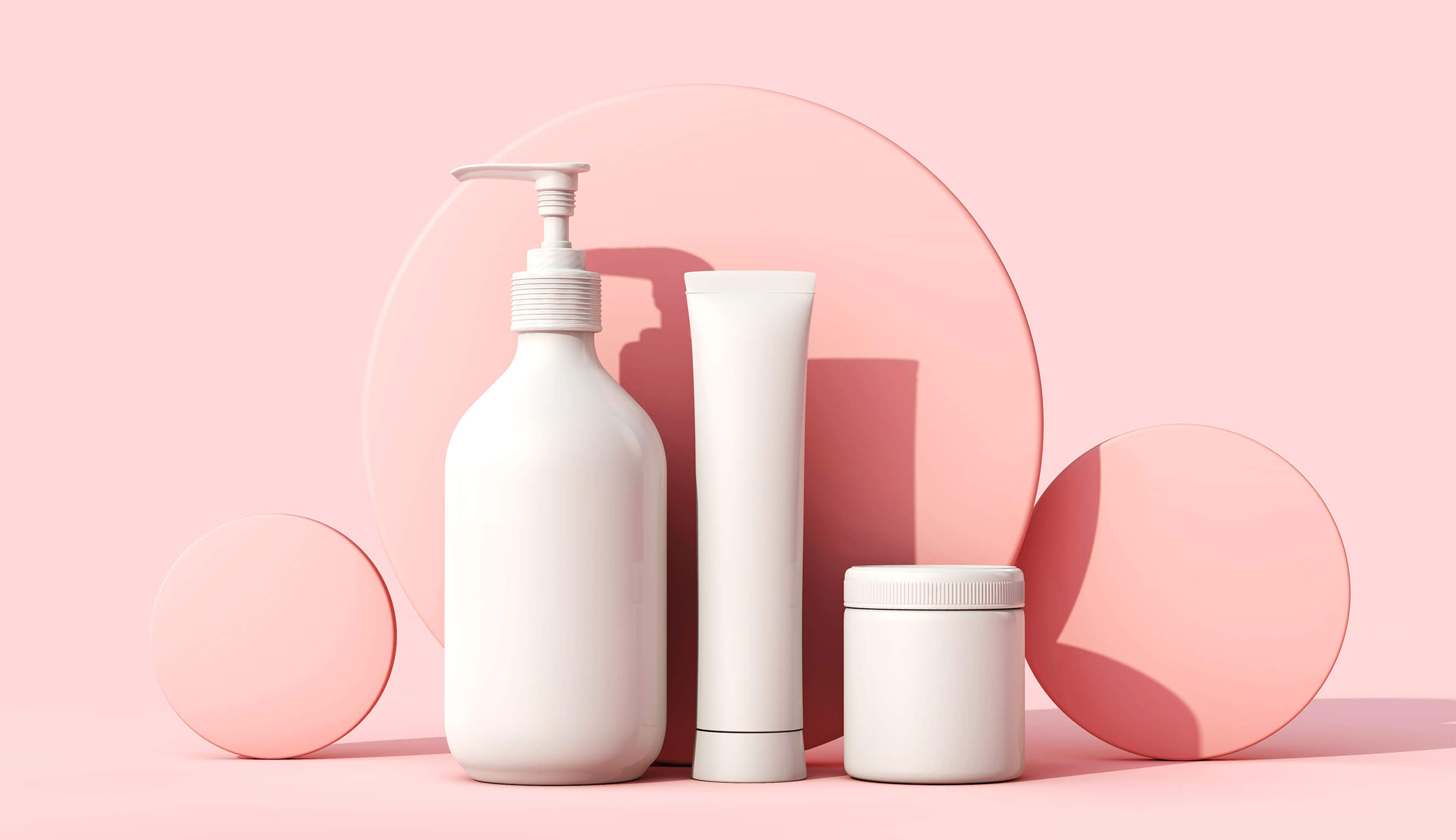
How does bioaccumulation specifically impact the beauty industry? When we use skincare, body care, or hair care products, we expose ourselves to either beneficial or harmful chemicals. Our skin has the ability to absorb these substances, especially when they are applied for an extended period. Therefore, it is crucial to ensure that we are using products that are safe and effective.
While some of these harmful chemicals may pose minimal risk in low doses, it is essential to recognize that our exposure is not limited to just one dose. We consistently expose ourselves to these products over extended periods, leading to compounded effects, especially when multiple products contain the same disruptive chemical. So, what exactly is bioaccumulation doing to our bodies?
It is vital to actively avoid these bioaccumulative ingredients because they easily accumulate in our systems, disrupt our endocrine systems, have carcinogenic potential, and can be toxic to our organ systems. Ingredients such as talc, coal tar, parabens, and phthalates fall into this category and should be approached with caution.
[For a comprehensive guide on toxic ingredients to avoid, check out A Beginner’s Guide to Non Toxic Makeup.]
Interestingly, some ingredients that bioaccumulate may not directly disrupt our bodies; instead, they can adversely impact the environment due to the personal care products we use.
So, how does bioaccumulation occur in the environment, and what does it entail?
When we rinse off products in the sink or shower, these substances eventually flow into larger bodies of water. While many ingredients decompose under sunlight or through microbial action, not all of them break down naturally or quickly. Despite advanced water filtration systems, the most persistent ingredients can still bioaccumulate within oceanic ecosystems. Examples of such substances include silicones, microplastics, and triclosan.
Does this imply we need to discard all our skincare products and cosmetics or live a completely natural lifestyle out of fear of bioaccumulation from harmful ingredients?
While it is entirely reasonable to harbor concerns, educating yourself about common products containing toxic chemicals that lead to bioaccumulation empowers you to make informed decisions about what you choose to use or avoid. The good news is that a plethora of alternative products exist, minimizing your guesswork!
Identifying Common Toxic Products and Their Safe Alternatives
It doesn’t take much contemplation to realize that many conventional skincare, hair care, and cosmetic products – even everyday household items – contain various chemicals and toxic ingredients that can bioaccumulate, potentially harming your health.
Fortunately, we’re here to assist you in identifying and evading some of these prevalent culprits, while simultaneously offering natural and safe alternatives, allowing you to enjoy your favorite products without compromising your well-being!
#1: Talc
Talc is extensively used in many cosmetics due to its ability to enhance the texture of a product and absorb moisture. This mineral is seemingly perfect for powder formulas, leading to its frequent inclusion in everything from foundation to blush and eyeshadows.
However, talc has a troubling side. It is composed of magnesium, silicon, and oxygen, and may also contain asbestos fibers. It’s the presence of these asbestos fibers that raises serious health concerns, as they pose risks like respiratory toxicity and cancer.
Naturally, we have chosen to exclude talc from our natural makeup powder formulas, opting instead for rice powder, which offers an exceptionally soft texture and effective moisture absorption. Our Fruit Pigmented® Powder Foundation collection, renowned for its poreless finish, utilizes rice powder as a primary ingredient. This component also features prominently in our powder blushes and eyeshadows, ensuring they are richly pigmented and effortlessly blendable.
#2: Coal Tar Dyes
This pigment imparts an inky black hue to various beauty products, from mascara and lipsticks to hair dyes, and is a byproduct of burning coal. This petroleum-derived ingredient can appear under names like p-phenylenediamine, “CI” followed by a number, “FD&C” followed by a number, or “D&C” followed by a number.
Regardless of the label, coal tar is widely acknowledged as a carcinogen. It can lead to severe allergic reactions and is linked to cancer. Additionally, it often contains heavy metals, which are toxic to both the brain and skin, causing irritation and rashes. Coal tar poses risks not only to humans but also to fish and wildlife.
It’s crucial to avoid applying coal tar dyes near sensitive areas such as the mouth or eyes. That’s why we consciously exclude it from our natural, length-conditioning mascaras that nourish with organic green tea and vitamin E.
We are particularly selective about what we apply to our lips, especially considering the amount of lipstick we unintentionally ingest. Thus, we favor natural lipsticks free from concerning ingredients like coal tar.
#3: Parabens
You’ve likely heard of those insidious preservatives known as parabens. Their purpose is to inhibit bacterial growth in products. Any personal care item containing an ingredient ending in –paraben should be marked for avoidance.
Parabens are easily absorbed through the skin, appearing in shampoos, conditioners, lotions, hair care products, deodorants, and skincare items. Research indicates that parabens can disrupt the endocrine system, cause developmental and reproductive toxicity, and have been associated with various cancers, particularly breast cancer.
The silver lining regarding parabens is that they can be easily avoided and substituted with safer options. We offer a wide range of paraben-free shampoos and conditioners suitable for all hair types, textures, colors, and lengths. You can savor the same quality and safety with our body washes and gels, ensuring a relaxing and luxurious shower experience.
#4: Phthalates
Phthalates are a group of chemicals commonly used to enhance the flexibility and durability of plastics. They also serve as binding agents or solvents. These harmful chemicals can be found under abbreviations such as DEP, DBP, DEHP, or even “fragrance.”
You will often encounter phthalates in nail polish, perfume, and hairspray. They are classified as endocrine-disrupting chemicals, potentially leading to hormonal imbalances and various reproductive, developmental, and health issues.
Staying true to our commitment to natural and clean formulations, our nail polish products are no exception. Our 20-free nail polishes eliminate the top 20 toxic ingredients commonly found in many nail polishes. As a bonus, they are also cruelty-free!
Strategies for Avoiding Harmful Ingredients in Personal Care Products
One of the most effective methods for steering clear of harmful ingredients is to diligently read product labels. Watch out for harmful preservatives, artificial fragrances, talc, mineral oil, phthalates, silicones, and triclosan. Physical scrubs containing microplastics are another major contributor to bioaccumulation—consider opting for a finely ground sugar or salt scrub instead!
However, scanning an ingredient list can be tedious and lengthy; moreover, harmful ingredients often hide under aliases. For instance, mineral oil may be labeled as paraffin, petroleum, or petrolatum. Learning every name and alias can be time-consuming.
To simplify this process, choose brands dedicated to selecting safe, all-natural alternatives to mainstream cosmetic ingredients. Find a brand whose values align with your own, ensuring that you’re using safe, high-quality ingredients.
Another helpful approach is to research ingredients online using reputable sources. You can access comprehensive ingredient health ratings and identify substances to avoid, such as parabens.
Additionally, opting for products that are USDA Organic significantly reduces the likelihood of synthetic contaminants affecting your health and the environment. For example, artificial colors in makeup can contain harmful contaminants like lead.
Look specifically for the USDA logo, which indicates that the brand is truly certified organic rather than simply making vague claims on their packaging.
Choosing Paraben-Free Hair and Body Care Products for Optimal Health
A good hair day can feel like a blessing, but a great hair day can completely transform your mood. Signs of distress in your hair, such as split ends, dryness, lack of volume, and dull color, indicate that your hair may not be thriving. If you’re also experiencing dry, itchy, or irritated skin, the problem likely lies within your shower routine.
Conventional hair and body care products, often laden with harsh, stripping, or toxic ingredients like parabens, should be the last items you apply to your distressed locks and delicate skin. Instead, nourish your hair and body with healing butters and oils for lasting hydration from head to toe.
The encouraging news is that parabens can be effortlessly avoided and substituted with safer alternatives. Explore our top paraben-free options, and say farewell to hat hair, messy buns, and irritated skin!
Kelp and Mint Volumizing Shampoo
If you’re in search of volume and a refreshing sensation, this volumizing shampoo is a fantastic choice. The invigorating combination of kelp and mint extracts revitalizes the scalp, while the formula enhances body and fullness in your hair, making it particularly beneficial for fine or thin hair types.
Kelp and Mint Conditioner
This energizing conditioner provides your hair with added fullness, body, and shine—three essential hair care solutions you’ve been longing for! The gentle kick from peppermint promotes scalp stimulation, while kelp works to thicken your hair. Who knew that kelp could also deliver that perfect shine?
Vanilla Bean Shower Gel
Refresh your skin and soothe your senses with this opulent shower gel! Natural ingredients like aloe, rose hydrosol, red algae, and green tea work together to cleanse deeply while locking in essential moisture. Gentle coconut oil surfactants provide effective cleansing without causing damage or dryness—making it suitable for all skin types. And let’s not forget the delightful vanilla scent that ensures you feel relaxed with every use!
This richly foaming shower gel effectively removes dirt, oil, and impurities while rehydrating your skin with aloe and rose hydrosol. Infusions of red algae and green tea lock in vital moisture and gently tone the skin. This sulfate-free eucalyptus body soap avoids harsh detergents, utilizing gentle coconut oil surfactants to maintain your skin’s delicate lipid barrier. This nourishing shower gel is infused with invigorating peppermint and eucalyptus scents, ensuring a refreshing experience.
Now that we’ve addressed the question of bioaccumulation, we encourage you to review your cosmetics, skin, and hair care routines. Identify any products containing bioaccumulative ingredients and replace them with natural, plant-based alternatives. Always read and analyze the ingredient lists—it’s the most reliable way to ensure you’re choosing the safest products!
Your Questions About Bioaccumulation Answered
How Can Bioaccumulation Affect Human Health?
The adverse effects of bioaccumulation can include, but are not limited to, disruptions in the nervous and endocrine systems, reproductive and developmental issues, immune system suppression, and toxicity to our organ systems. Moreover, exposure to certain bioaccumulative substances can increase the risk of various cancers.
How Does Bioaccumulation Impact Environmental Health?
The accumulation of toxins through bioaccumulation in higher levels of food chains can frequently reach perilous levels, endangering the survival and reproductive success of various species. In marine ecosystems, for instance, the bioaccumulation of mercury in fish populations is a critical concern. Certain fish are particularly prone to accumulating mercury, which is a common dietary component for humans. Exposure to mercury presents serious challenges for the body, making it difficult to eliminate and potentially affecting the central nervous system and causing other health issues.
What Measures Can Consumers Take to Minimize Exposure to Bioaccumulative Substances?
Replacing conventional hair and body care formulas containing harmful ingredients with safer alternatives is crucial. Ensure that the products you choose are USDA organic. To streamline this process, select brands that prioritize safe, all-natural alternatives to conventional cosmetic ingredients. This way, you can confidently use products that align with your health and environmental values.
What Are the Long-Term Effects of Bioaccumulation on Wildlife and Ecosystems?
The long-term accumulation of contaminants in organisms within wildlife and ecosystems, particularly at the top of the food chain, can induce imbalances in predator-prey dynamics. This disruption can lead to population declines, altered species interactions, and a decrease in biodiversity, significantly impacting ecosystem health.
Can Bioaccumulative Substances Be Removed from the Body?
Due to the persistent nature of these substances and their ability to bioaccumulate, once exposure reaches levels sufficient to cause adverse effects, reversing these impacts is not easily achievable. It is imperative to identify products containing bioaccumulative ingredients and replace them with natural, plant-based alternatives to safeguard your health and the well-being of our planet.
var windowWidth,lazyLink,lazyImages,lazySource,lazyBackground,lazyIframe,lazyScripts,navigator_platform,lazyLoadedJS,src,style,datasrc,urls,analytics,s,x,i,j,flag;
function init(){flag&&(flag=0,load_all_js(),lazyLoadImg(),lazyLoadBackground(),lazyLoadIframe(),lazyLoadSource())}
function isElementInViewport
var a=t.getBoundingClientRect();
return a.top>=0&&a.left>=0&&a.bottom<=(window.innerHeight||document.documentElement.clientHeight)&&a.right<=(window.innerWidth||document.documentElement.clientWidth)
}
function insertAfter(newNode, referenceNode) {
referenceNode.parentNode.insertBefore(newNode, referenceNode.nextSibling);
}
function isElementInView
var a=t.getBoundingClientRect();
return a.top(window.innerHeight/2||document.documentElement.clientHeight/2)
}
function lazyLoadLink(){
lazyLink.forEach(function
t.href=null==t.dataset.href?t.href:t.dataset.href
})
}
function lazyLoadImg(){
lazyImages.forEach(function
null!=(src=windowWidth<600?null==t.dataset.mobsrc?t.dataset.src:t.dataset.mobsrc:t.dataset.src)&&(t.src=src),t.classList.remove("lazy2")
})
}
function lazyLoadImg2(){
lazyImages.forEach(function
isElementInViewport
})
}
function lazyLoadSource(){
lazySource.forEach(function
t.srcset=null==t.dataset.srcset?t.srcset:t.dataset.srcset
})
}
function lazyLoadBackground(){
lazyBackground.forEach(function
lazybg=windowWidth<768?null==t.dataset.mobstyle?t.dataset.style:t.dataset.mobstyle:t.dataset.style,null!=lazybg&&(t.style=lazybg),t.classList.remove("lazybg")
})
}
function lazyLoadIframe(){
lazyIframe.forEach(function
t.src=null==t.dataset.src?t.src:t.dataset.src
})
}
function lazyLoadScripts(){
j!=lazyScripts.length&&("lazyload2"==lazyScripts[j].getAttribute("type")?(lazyScripts[j].setAttribute("type","lazyloaded"),void 0!==lazyScripts[j].dataset.src?((s=document.createElement("script")).src=lazyScripts[j].dataset.src,document.body.appendChild(s),s.onload=function(){j++,lazyLoadScripts()}):((s=document.createElement("script")).innerHTML=lazyScripts[j].innerHTML,document.body.appendChild(s),j++,lazyLoadScripts())):(j++,lazyLoadScripts()))
}
function lazyLoadCss
(s=document.createElement("link")).rel="stylesheet",s.href=t,document.getElementsByTagName("head")[0].appendChild(s)
}
function lazyLoadJS
if(lazyLoaded
