


Essential Ingredient Spotlight: Eucalyptus Essential Oil
Eucalyptus Essential Oil
Unraveling the Latin Identity of Eucalyptus
Eucalyptus globulus
Exploring the Origins and Habitat of Eucalyptus Trees
Originating from the lush landscapes of Australia and Tasmania, Eucalyptus trees and shrubs have found their way into various regions around the globe. The essential oil extracted through steam distillation of its leaves is characterized by its clear, thin texture and a distinctly medicinal, woody aroma. The majestic Eucalyptus globulus showcases a rapid growth pattern, transforming from a small shrub into a towering evergreen tree that can reach heights of over one hundred feet, complete with a broad crown. The vast eucalypt forests of Australia, spanning approximately 227 million acres, predominantly consist of three genera: eucalyptus, corymbia, and angophora. The eucalyptus forests not only showcase biodiversity but also beckon adventurous travelers to consider a spring break trip to Australia, where the essence of nature awaits. At Osmia, we source our exceptional eucalyptus oil from Portugal, allowing you to experience the refreshing ambiance of an expansive eucalyptus forest with every drop.
In Australia, there are an astonishing 569 native eucalyptus species, with over 700 recognized globally. The variations among these species, including different chemotypes, lead to a diverse range of aromas and applications that can be quite overwhelming to contemplate. The E. globulus species is particularly renowned for its distillation in aromatherapy and cosmetic formulations, alongside E. radiata, which is favored for its gentle aroma suitable for children and those with sensitivities. Yet, this represents merely a fraction of the numerous eucalyptus species and chemotypes available for exploration!
Unlocking the Aromatherapy Benefits of Eucalyptus Essential Oil
Utilizing eucalyptus oil in a diffuser not only purifies the atmosphere but also enhances mental clarity and encourages deep, invigorating breaths. If you’re struggling with respiratory discomfort, eucalyptus can be a natural ally in clearing sinuses and supporting the respiratory system. This powerful essential oil is known for its efficacy against colds, bacterial infections, laryngitis, bronchitis, and inflammation, largely attributed to its rich content of cineole and pinene, especially in the E. globulus variant. As you inhale deeply, you may experience a sensation of rejuvenation as the oil penetrates deep into the lungs, alleviating respiratory issues. For an invigorating experience, try adding a few drops of eucalyptus oil to your shower floor, letting the steam amplify its refreshing properties as you prepare for the arrival of spring.
Discover the Skin Benefits of Eucalyptus Essential Oil
Renowned for its antimicrobial properties, eucalyptus essential oil contains the compound eucalyptol, making it a favored choice among athletes seeking relief from sore muscles and a boost in healthy circulation. However, its benefits extend beyond athletes; eucalyptus can also alleviate symptoms of arthritis and provide relief for everyday muscle discomfort. The specific species we utilize not only enhances therapeutic properties but also serves as a remarkable addition to soap-making, acting as a harmonious base note that elevates and complements other fragrances while imparting its own unique aroma. The versatility of eucalyptus essential oil is truly remarkable, making it a staple in both wellness and cosmetic applications.
Essential Safety Tips for Using Eucalyptus Oil Responsibly
While eucalyptus oil is generally safe for external use and inhalation, it serves as a potent reminder of how even seemingly harmless plants can pose risks. Just a teaspoon of eucalyptus essential oil ingested orally can lead to serious health issues such as central nervous system depression, dizziness, vomiting, and respiratory complications in children, while an adult can face life-threatening consequences from consuming just one ounce. It is crucial to exercise caution when using eucalyptus oil around children, and it should be avoided entirely in infants. Always prioritize safety to ensure a beneficial experience with this powerful essential oil.
Interesting Facts That Highlight the Unique Nature of Eucalyptus
- Eucalyptus translates to “well covered,” referring to the protective layer enveloping the plant’s flower buds. Due to the high levels of cineole present, eucalyptus lacks many natural pollinators, relying instead on self-pollination to reproduce.
- As mentioned earlier, the sheer expanse of eucalypt forests in Australia is staggering, with a single acre capable of yielding up to 35,000 pounds of leaves for essential oil extraction. These leaves typically produce an average of 3% oil, resulting in approximately 1,050 pounds of eucalyptus essential oil. To put this into perspective, it takes around 33 pounds of eucalyptus leaves to produce just one pound of essential oil, illustrating the remarkable efficiency of this natural resource.
- Eucalyptus trees are also the prime material for crafting didgeridoos! (Get ready to bounce. Just sayin’.) Traditional artisans seek out trunks or thick branches that have been hollowed out by termites, ensuring that no live trees are harmed during the creation of these unique musical instruments.
Explore Osmia’s Products Featuring Eucalyptus Essential Oil
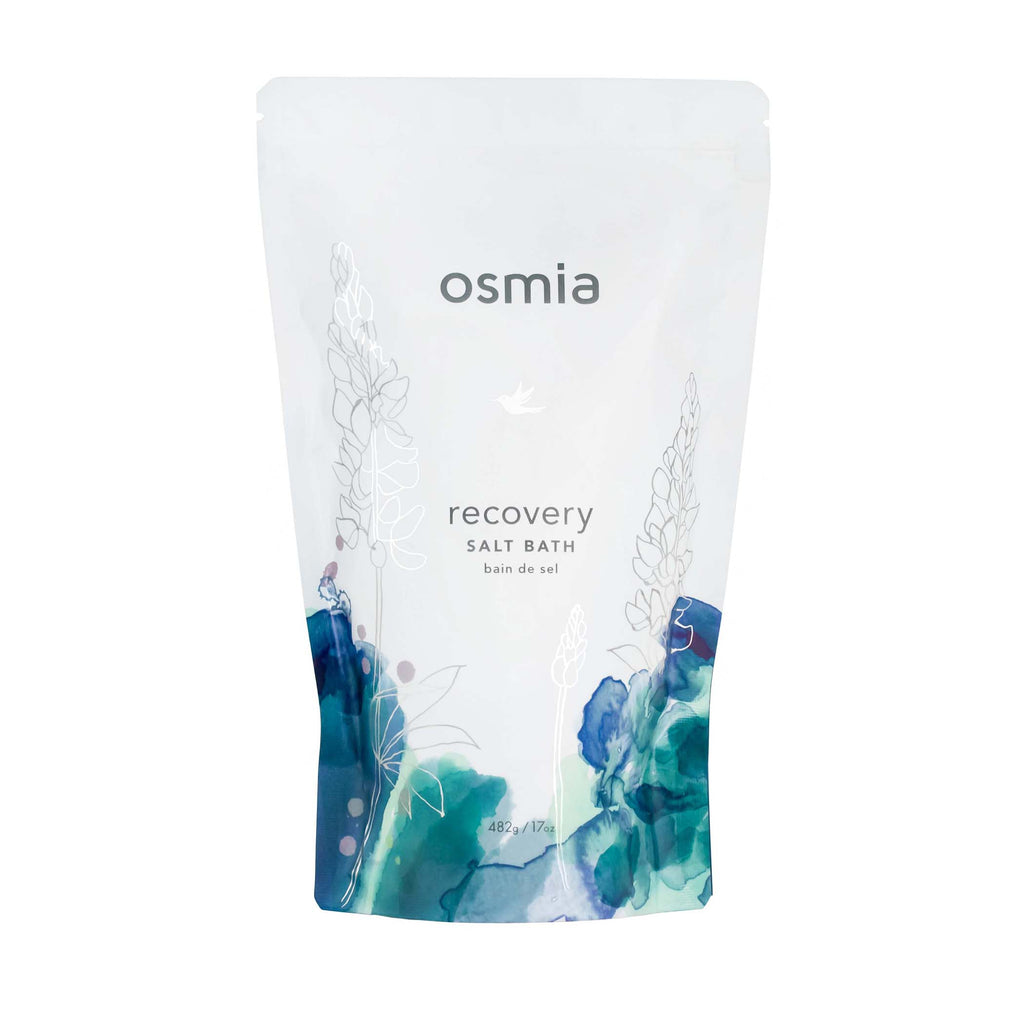
With heartfelt wishes and the refreshing essence of eucalyptus forests, we send our love to you this spring!

The content presented in this post is for informational purposes only and should not be interpreted as claims regarding the medicinal properties of eucalyptus. This information is not intended for the diagnosis or treatment of any physical or mental health conditions.
