


I’ve been a big fan of retinol and prescription retinoids since their emergence in the early ’90s as revolutionary anti-aging solutions. However, the scarcity of education and the exclusive availability of prescription retinoids during that time led to significant side effects for many users. The understanding of how to effectively utilize these products to minimize adverse effects was limited, which ultimately discouraged many from trying them. Fast forward to today, I’m not only excited that retinol is now accessible without a prescription, but I’m also thrilled about the innovative ways we’ve discovered to incorporate it into our skincare routines. One such advancement is the retinol sandwich method.
Having dedicated years to working with vitamin A and retinoids, it’s incredibly exciting to witness the evolution of these products and their applications. So, what exactly is the reality behind this trending technique?
Understanding Retinol and Its Benefits for Skin Health
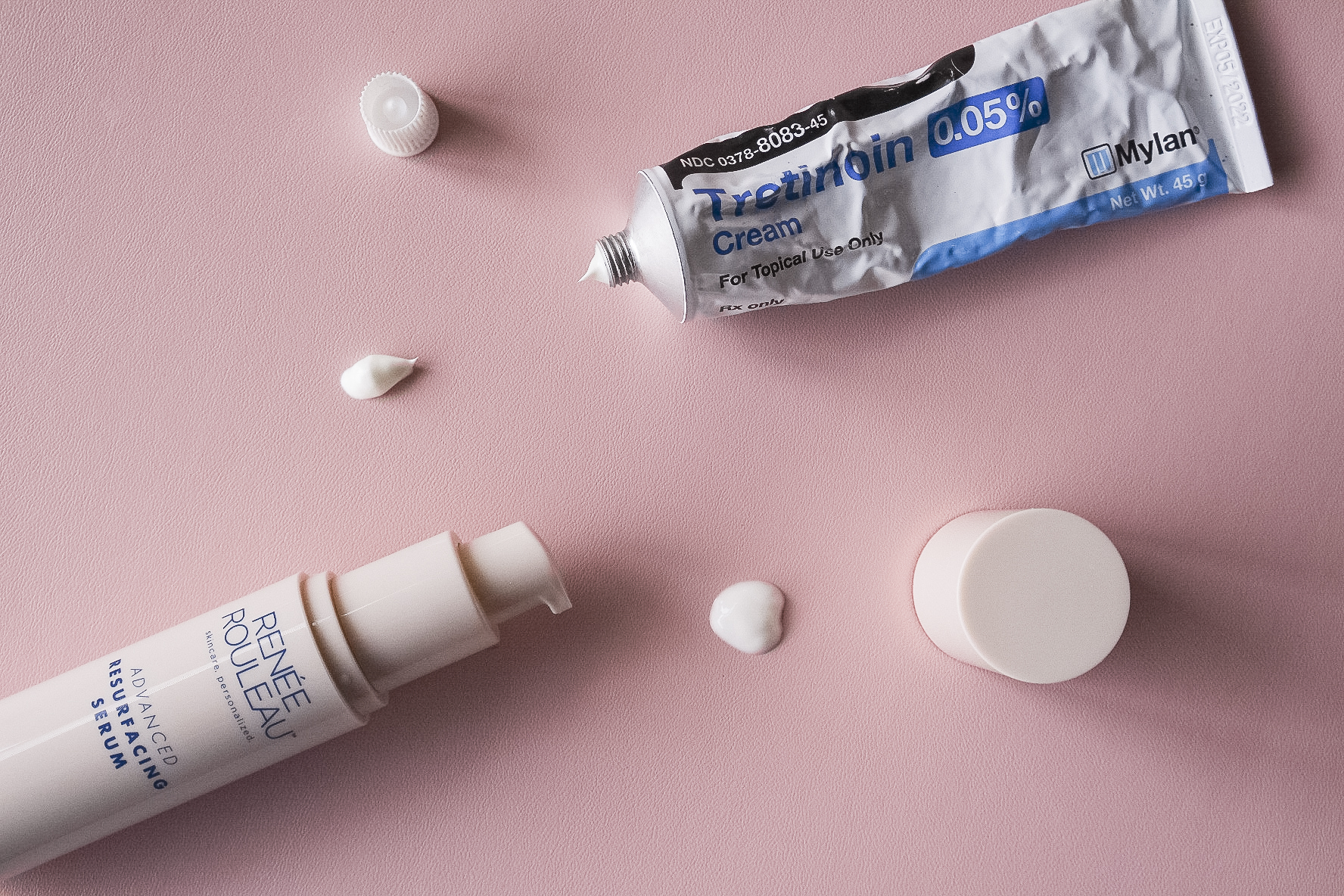
Let’s dive deep: What are retinol and retinoids? These powerful compounds, derived from vitamin A, are known to effectively combat and reverse a variety of aging signs. Common concerns addressed by retinoids include fine lines, wrinkles, post-acne marks, enlarged pores, and brown spots. Available in both prescription forms like tretinoin and over-the-counter options such as Advanced Resurfacing Serum, retinoids can significantly improve the skin’s overall appearance, fostering a more youthful and radiant complexion over time.
However, those who have ventured into the world of retinol or retinoids may have encountered a challenging phase known as purging, often referred to as “the retinol scaries.” This period can manifest as an increase in breakouts, dryness, flaking, or irritation as the skin adjusts to heightened cell turnover. This adjustment can lead to a sudden eruption of blemishes that may have otherwise taken weeks or months to surface. Therefore, it’s crucial to be prepared for a potential worsening of breakouts before experiencing the benefits of clearer skin.
Curious whether retinol is suitable for your skincare routine? Be sure to explore my comprehensive beginner’s guide to retinol and retinoid usage!
Exploring the Retinol Sandwich Method for Enhanced Results
Though it has gained popularity on TikTok, the retinol sandwich method is not a novel concept in skincare. This technique originates from the well-known ‘moisture sandwich’ method, which emphasizes layering products in order of their thickness. The retinol sandwich method involves applying your retinol serum between two layers of moisturizer, akin to the bread in a sandwich, to help mitigate potential side effects. This approach is particularly beneficial for individuals with sensitive skin, those with a compromised skin barrier, or anyone new to using retinol.
Step-by-Step Guide to Effectively Sandwiching Retinol
Implementing the retinol sandwich method is straightforward! Here’s the technique I recommend:
- Begin by cleansing your skin thoroughly in the evening.
- Apply a toner or hydrating essence tailored to your skin type.
- Follow up with a lightweight, oil-free moisturizer on damp skin.
- Allow the first moisturizer layer to dry completely.
- Apply your chosen retinol or retinoid product.
- After a brief waiting period, apply a second layer of the same moisturizer on top.
This method allows the initial layer of moisturizer to serve as a protective barrier between your skin and the potent active ingredient, while the second layer helps lock in hydration and benefits. If you feel the need for added buffering, I suggest incorporating an essence, such as Moisture Infusion Toner, along with your toner and serum. Alcohol-free toners are especially beneficial, as they allow water to act as a carrier, delivering essential ingredients deeper into the skin. However, in this case, you may prefer a serum-infused toner or essence, which provides extra buffering rather than just relying on a water-based toner.
Essential Practices for Using the Retinol Sandwich Method
When adopting this technique, I always recommend selecting a lightweight, non-greasy moisturizer suitable for your skin type. Heavier creams often contain larger molecules that can obstruct the penetration of retinol or prescription retinoids when applied first. Therefore, I suggest opting for a lighter, oil-free lotion, like Skin Recovery Lotion, which delivers hydration without hindering the effectiveness of the vitamin A product. The goal is to create a buffer that alleviates some side effects without diluting the active ingredient to the point of ineffectiveness.
Evaluating the Effectiveness of the Retinol Sandwich Method
This innovative technique can significantly help reduce irritation, dryness, and flaking while still delivering the age-defying benefits associated with retinol. If you possess sensitive skin, prioritize barrier protection, or are just beginning your journey with this ingredient, the retinol sandwich method offers an effective strategy to minimize adverse reactions.
Does Sandwiching Retinol Affect Its Potency?
In short, no. When you apply retinol, you’re introducing a specific concentration, like 0.1%, onto your skin. This percentage remains unchanged regardless of what you apply before or after it, meaning you won’t diminish its effectiveness. However, the application of moisturizer beforehand may influence how deeply the product penetrates the skin. Using moisturizer first does not dilute the retinol; mixing them together would do so, but it might slightly lessen the active’s ability to penetrate the skin.
Ultimately, employing a hydrating cream prior to applying retinol won’t compromise its strength; it merely helps alleviate some of the common negative side effects.
Discovering the Advantages of the Retinol Sandwich Technique
This method effectively minimizes the typical side effects linked with retinol, resulting in smoother, more hydrated skin that boasts a radiant glow due to the reduction of opaque, dead skin cells. By establishing a barrier, the skin’s resilience is preserved, leading to less dehydration and sensitivity overall.
Furthermore, the retinol sandwich method is particularly advantageous for individuals with acne-prone skin. Since this skin type is often inflamed and active, I generally advise against using stimulating active ingredients, as they can exacerbate inflammation. However, the sandwich technique can render retinol more tolerable, allowing those with acne to benefit from its anti-aging properties.
Is It Time to Integrate This Method into My Skincare Routine?
If you’ve resolved to start incorporating retinol into your regimen, determining whether to add the sandwich method is straightforward: Are you experiencing dryness, redness, or irritation? If so, give it a try! You can even spot-treat particularly dry areas, such as around the eyes, nose, and mouth, by applying moisturizer to those specific regions before introducing retinol.
Conversely, if your goal is to maximize the benefits of retinol or retinoid and you’re comfortable with the typical side effects, you may choose to skip the sandwiching technique altogether.
Recommended Products for the Retinol Sandwich Method
If you’re keen to explore the benefits of retinol but have concerns about potential setbacks, you can start by layering any retinol or retinoid product (here’s the distinction), but I suggest looking for one that contains these four essential elements!
If you prefer to avoid the additional steps associated with sandwiching, opt for a retinol that is gentle enough to negate the need for this technique or a phase-in period, such as Advanced Resurfacing Serum. Not all retinols are formulated equally; their strengths and effects can vary. This particular serum is designed for sensitive skin and for those who have struggled with tolerating prescription retinoids. You can then gradually transition to more potent options without the extra steps or products.
Feeling the effects of the retinol scaries? Our new Rest Day Masque offers a deeply hydrating and reparative treatment that effectively addresses dryness, tightness, and visible flaking often experienced with actives like retinoids, exfoliating acids, or benzoyl peroxide.
What Are the Considerations Before Trying the Retinol Sandwich Method?
While sandwiching is a safe and effective strategy to reduce irritation, there are a few factors to keep in mind before trying it for yourself.
- Slower Results: Because sandwiching can limit product absorption, you may experience a longer wait time for visible results compared to using retinol alone.
- Potential for Irritation: Although sandwiching can diminish the likelihood of irritation, some individuals may still experience it, depending on the thickness of their moisturizer, the concentration of active ingredients, and their skin sensitivity.
- Cost and Product Usage: Utilizing more product (two layers of moisturizer) each time you apply retinol can lead to quicker depletion of your products, which may increase costs over time.
Determining the Frequency of the Retinol Sandwich Method
The frequency with which you use this method can be likened to lifting weights; some days you may prefer to lift 5lbs, while others you may opt for 20lbs if you anticipate needing extra recovery time afterward. I truly believe that the “no pain, no gain” philosophy can be applied to retinol usage.
If you’re new to retinol, I recommend starting with this method once or twice a week, gradually increasing as your skin adapts. However, if you’re free from any special events or filming, I don’t mind experiencing a little peeling if it leads to more noticeable results. Additionally, oilier skin types may find they don’t need to sandwich as often, as their natural oils provide a built-in buffering effect.
Remember, retinol increases your skin’s vulnerability to sun exposure, so ensure that you use it exclusively at night and never skip sunscreen during the day!
Ultimately, the retinol sandwich method serves as an excellent technique for achieving anti-aging results without the discomfort of harsh side effects. Just keep in mind that you may experience slower outcomes if you’re not pushing your skin’s limits.

Celebrity Esthetician & Skincare Expert
As an esthetician trained in cosmetic chemistry, Renée Rouleau has dedicated 30 years to researching skin, educating her audience, and developing an award-winning product line. Her extensive experience as an esthetician and trusted skincare expert has resulted in a real-world solution—products meticulously formulated for nine different skin types, ensuring your skin receives exactly what it needs to look and feel its best. Renowned by celebrities, editors, bloggers, and skincare enthusiasts worldwide, her immense knowledge and ongoing research have earned her recognition as “the most passionate skin practitioner we know” by Marie Claire.
!function(f,b,e,v,n,t,s)
{if(f.fbq)return;n=f.fbq=function(){n.callMethod?
n.callMethod.apply(n,arguments):n.queue.push(arguments)};
if(!f._fbq)f._fbq=n;n.push=n;n.loaded=!0;n.version=’2.0′;
n.queue=[];t=b.createElement(e);t.async=!0;
t.src=v;s=b.getElementsByTagName(e)[0];
s.parentNode.insertBefore(t,s)}(window,document,’script’,
‘https://connect.facebook.net/en_US/fbevents.js’);
fbq(‘init’, ‘466707850347066’);
fbq(‘track’, ‘PageView’);
